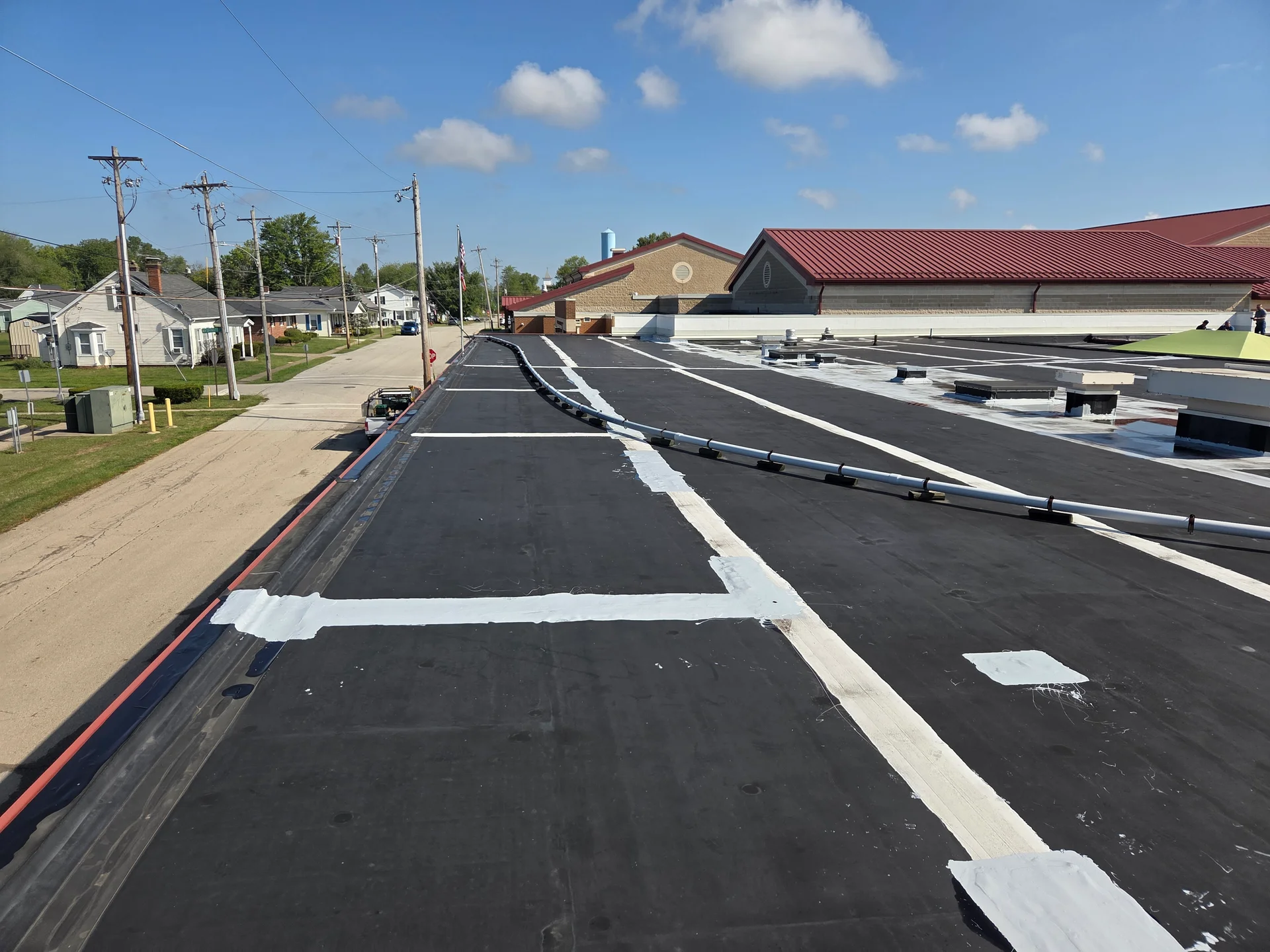


Springfield Schools Asphalt Milling & Resurfacing 2026
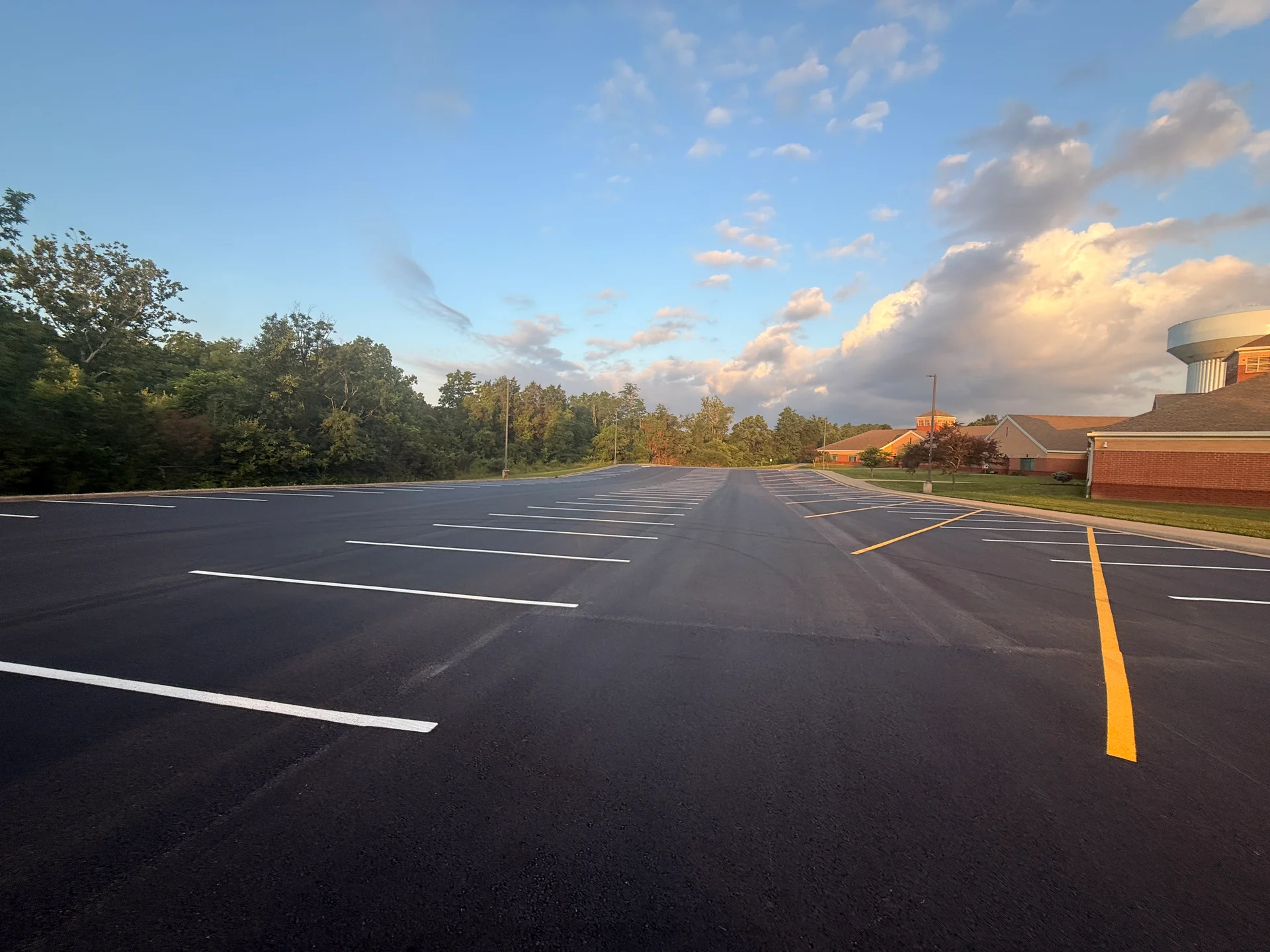
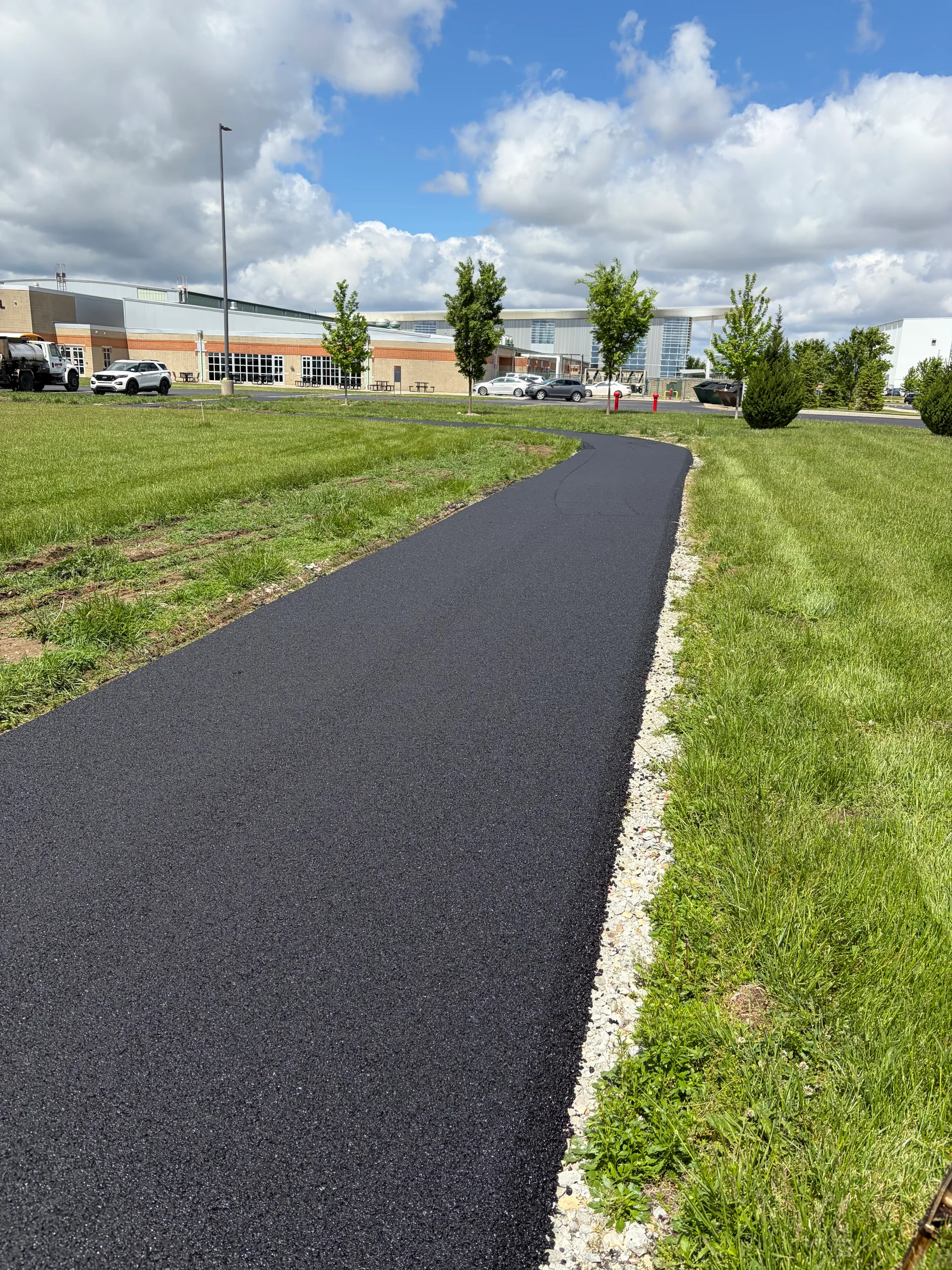
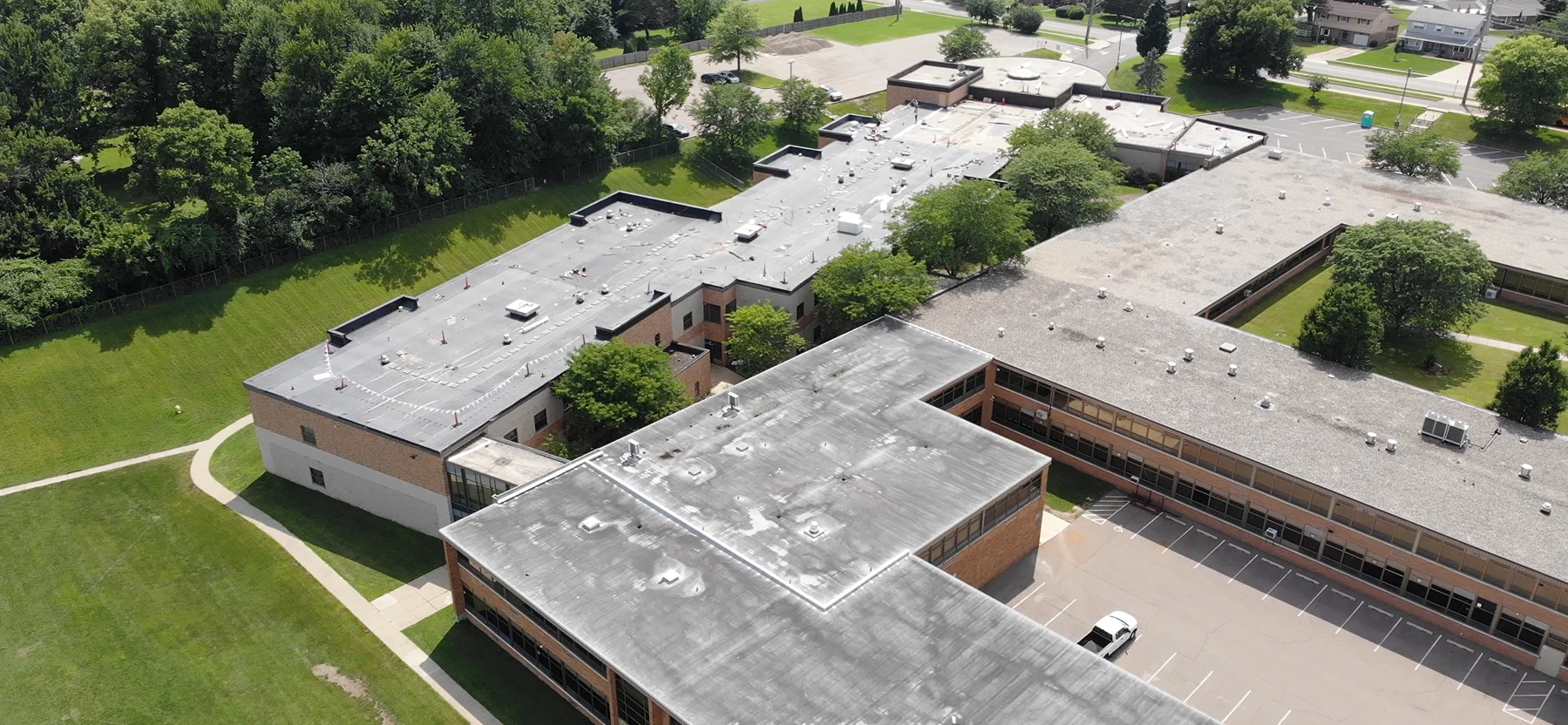
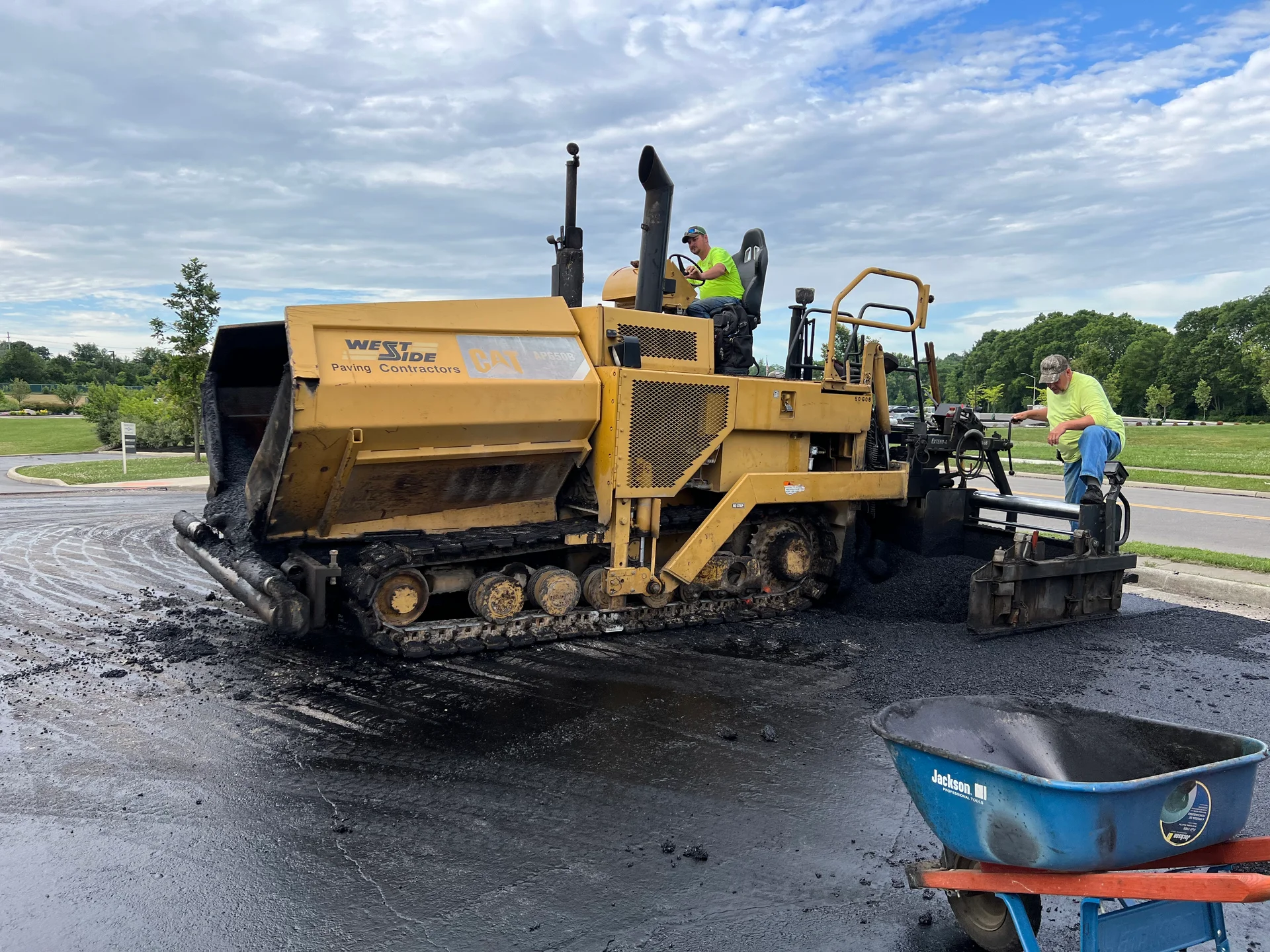
Three Springfield City Schools campuses, Roosevelt Middle School, Kenwood Elementary and Simon Kenton Elementary, came out of one 2026 season with milled, resurfaced and restriped drives and parking lots. Prodigy milled the worn surface, chip sealed it and laid new asphalt across all three, went a full four inches deep where the pavement had failed through, reset the car stops, and added four speed bumps at Roosevelt. Every repair location was walked and agreed with the district before crews mobilized, and the work was bought pre-bid through the TOP-C cooperative contract.
Springfield City Schools took on the drives and parking at three campuses in a single 2026 season: Roosevelt Middle School, Kenwood Elementary and Simon Kenton Elementary.
School lots do not wear the way commercial lots do. They take bus traffic on a fixed daily pattern, sit nearly empty for two months, then absorb a full year of loading in ten — and the failures cluster. The bus lane, the dumpster pad, the turn into the drop-off loop give out while the rest of the surface still has years in it. That pattern is why districts keep deferring: a full reconstruction is priced against pavement that does not need it, and a thin overlay over a cracked base is money spent twice.
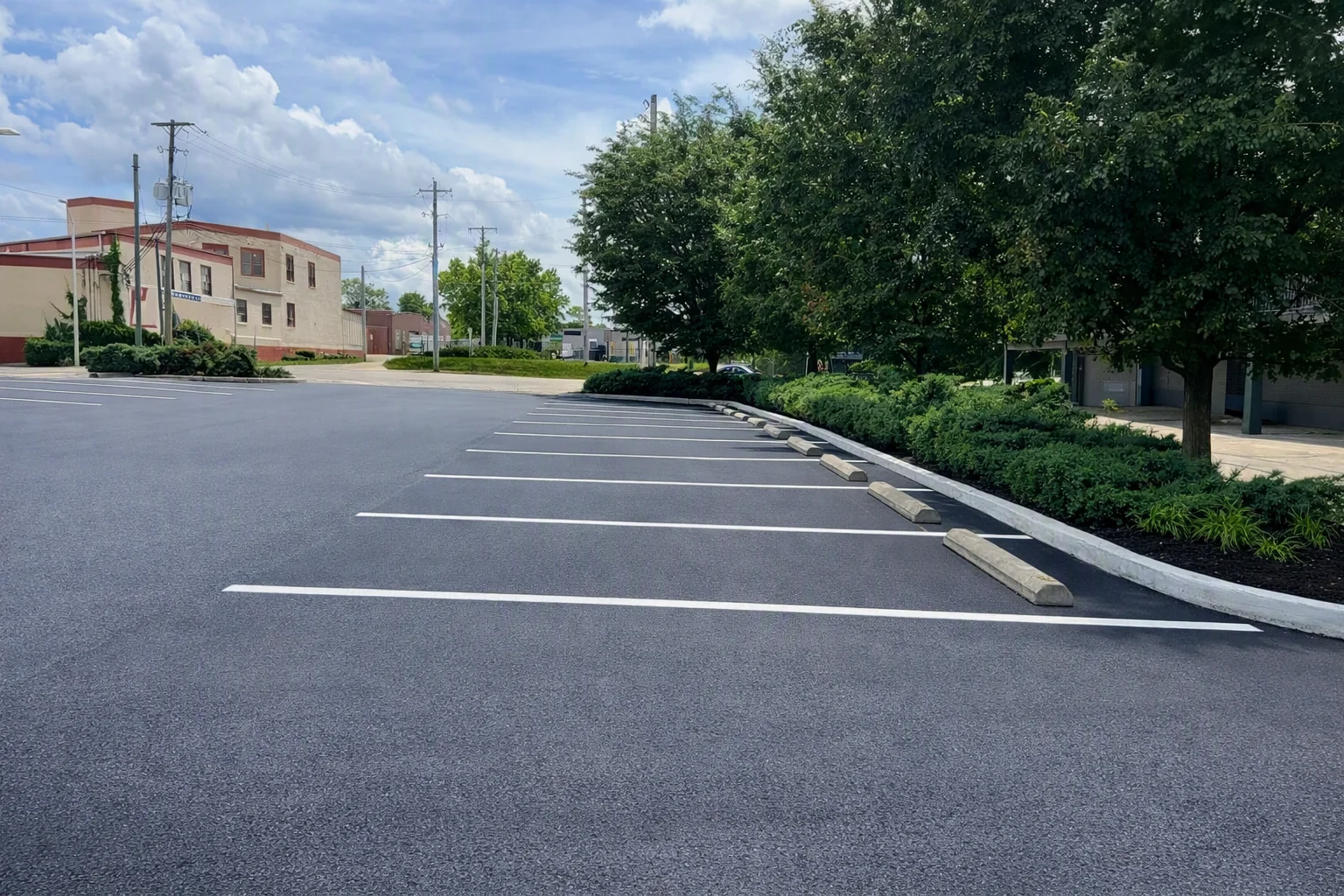
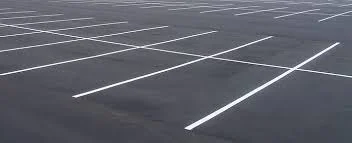
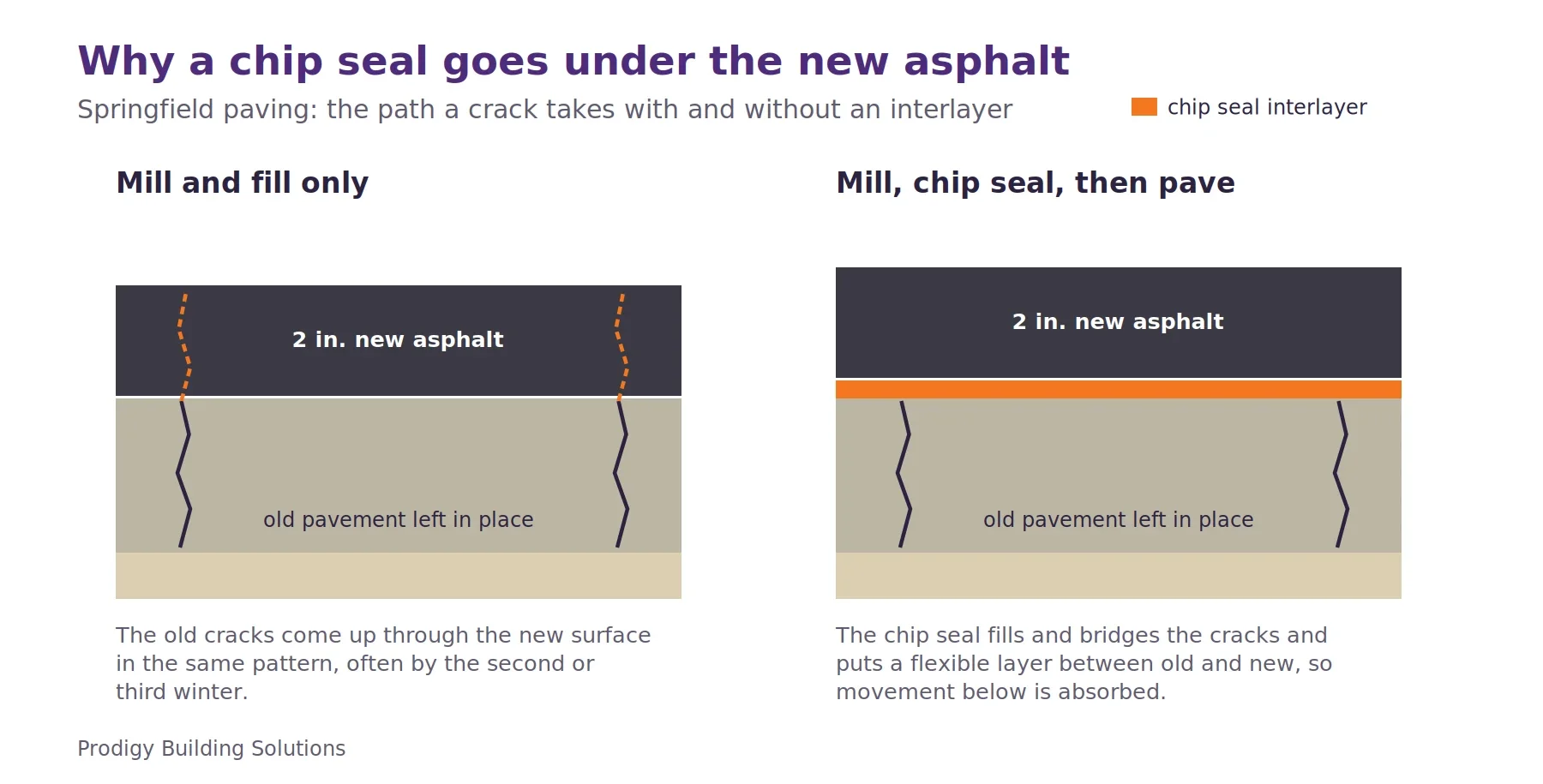
All three lots got the middle path. The existing surface was profile milled up to two inches and hauled off, chip sealed before any new asphalt went down, tacked with trackless emulsion, and resurfaced with up to two compacted inches of surface course. Where the pavement had failed through rather than worn out, the repair went deeper — 3,500 square yards milled a full four inches at both Kenwood and Simon Kenton, plus four-inch patching allowances of 1,900 square yards at Roosevelt and 1,200 at Kenwood, with the locations walked and agreed with the district before the crews mobilized. Car stops were pulled and stockpiled ahead of the work and reset afterward, every lot was restriped to a layout the district approved, and Roosevelt picked up four new speed bumps in its drive lane.
What the district ends up with is three campuses on the same surface age, which is the position you want to be in before planning the next cycle rather than after it.


Technical Discussion
Our Work