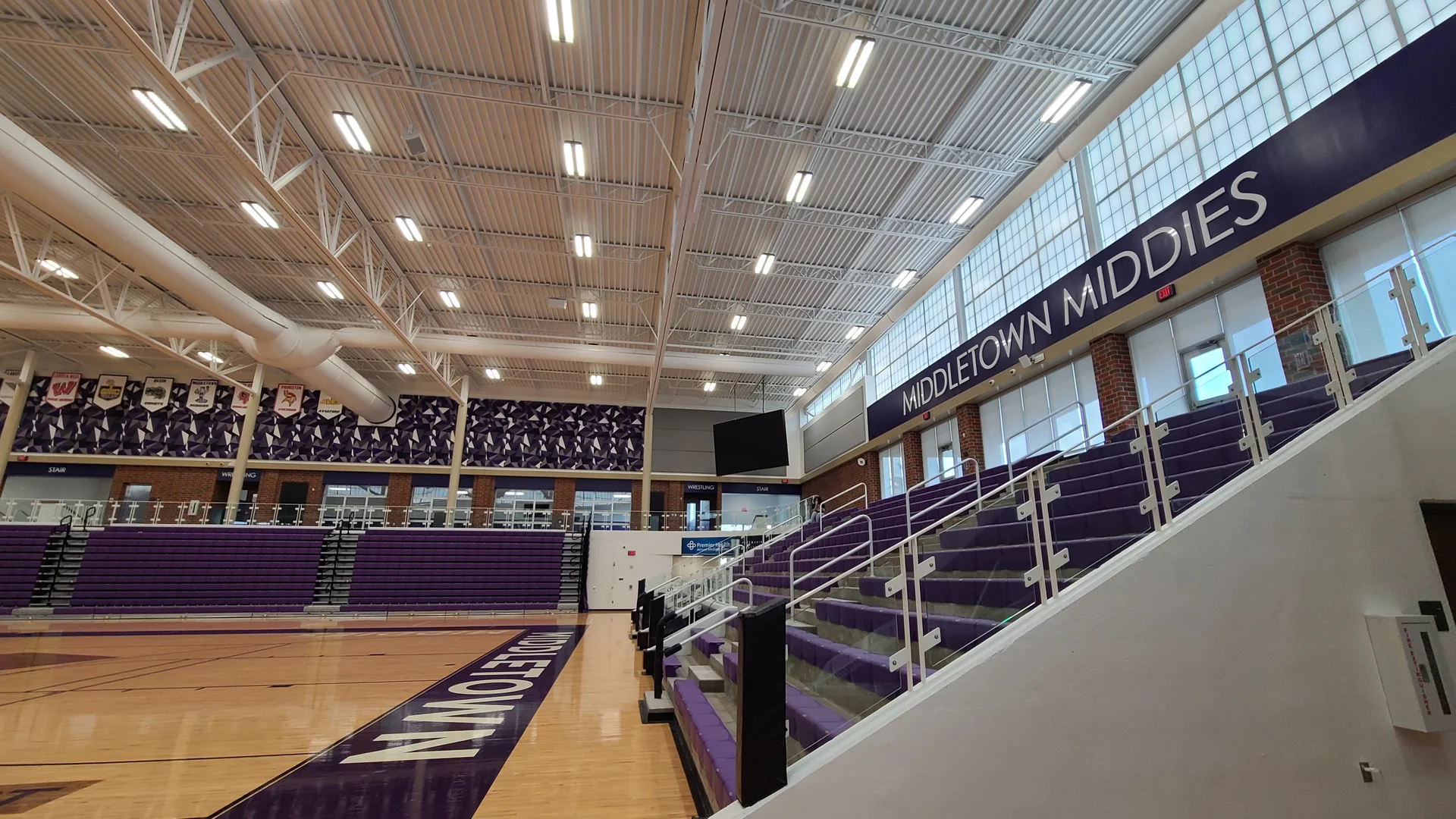


Great Oaks Asphalt Maintenance 2026
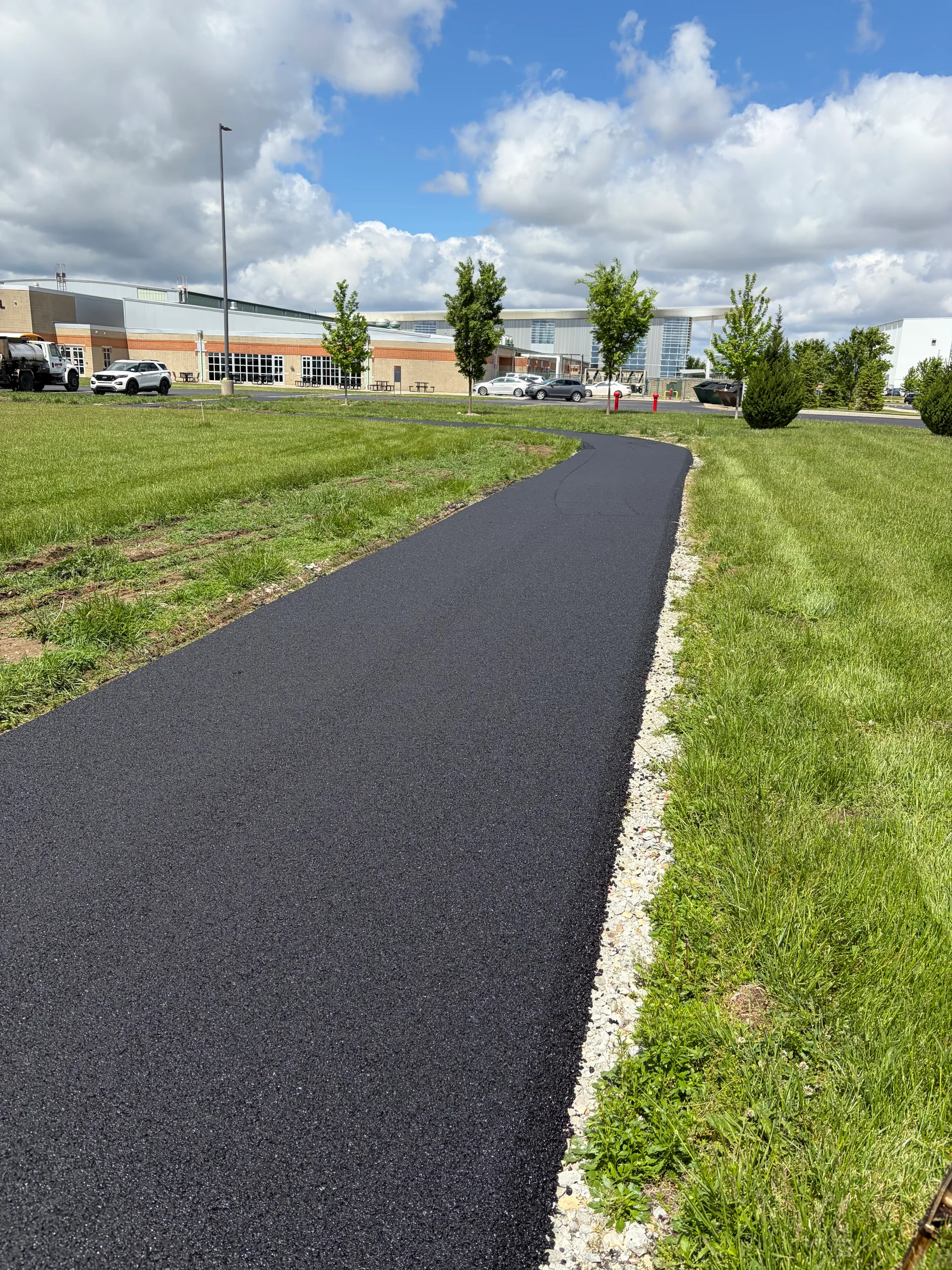
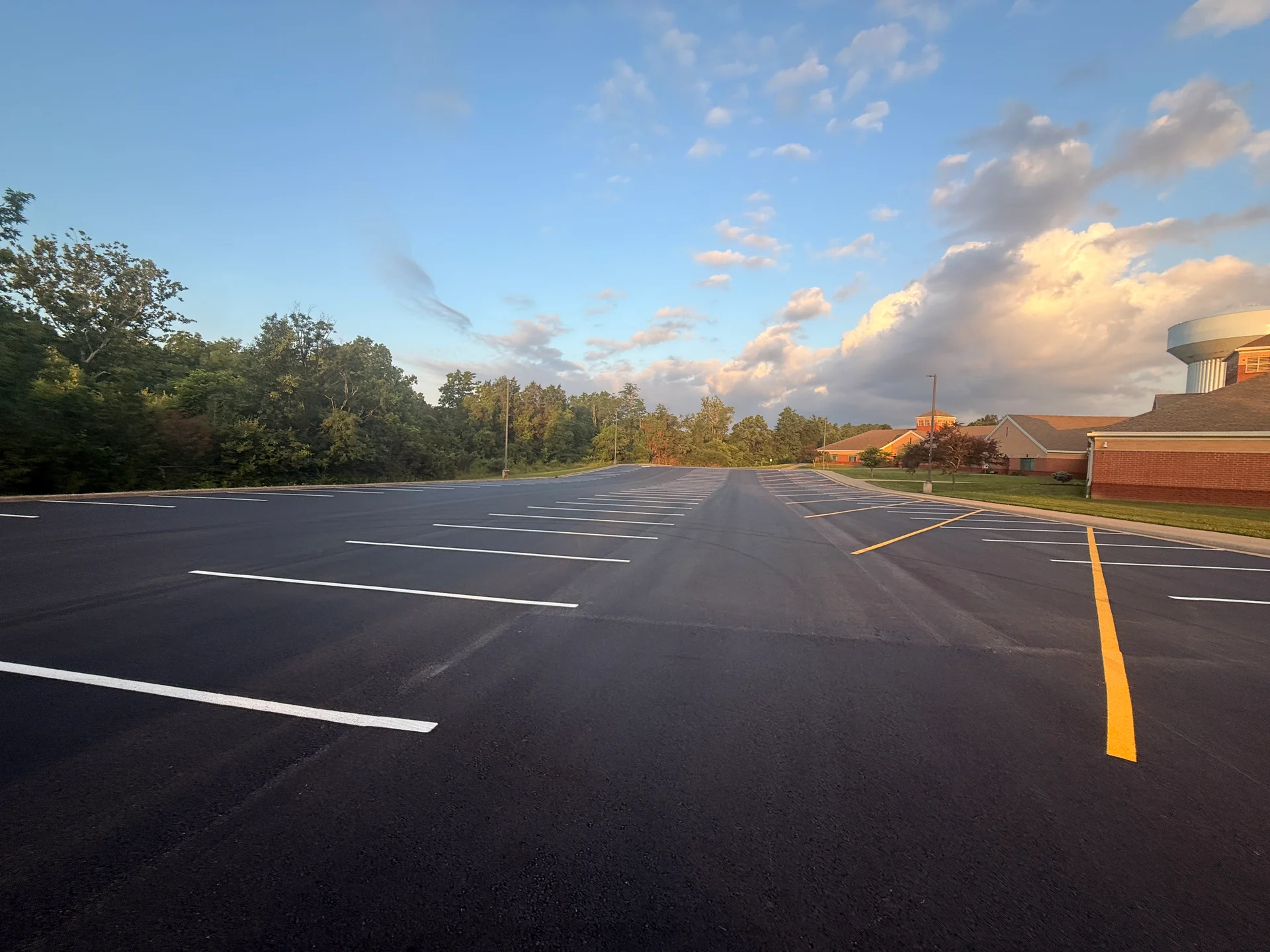
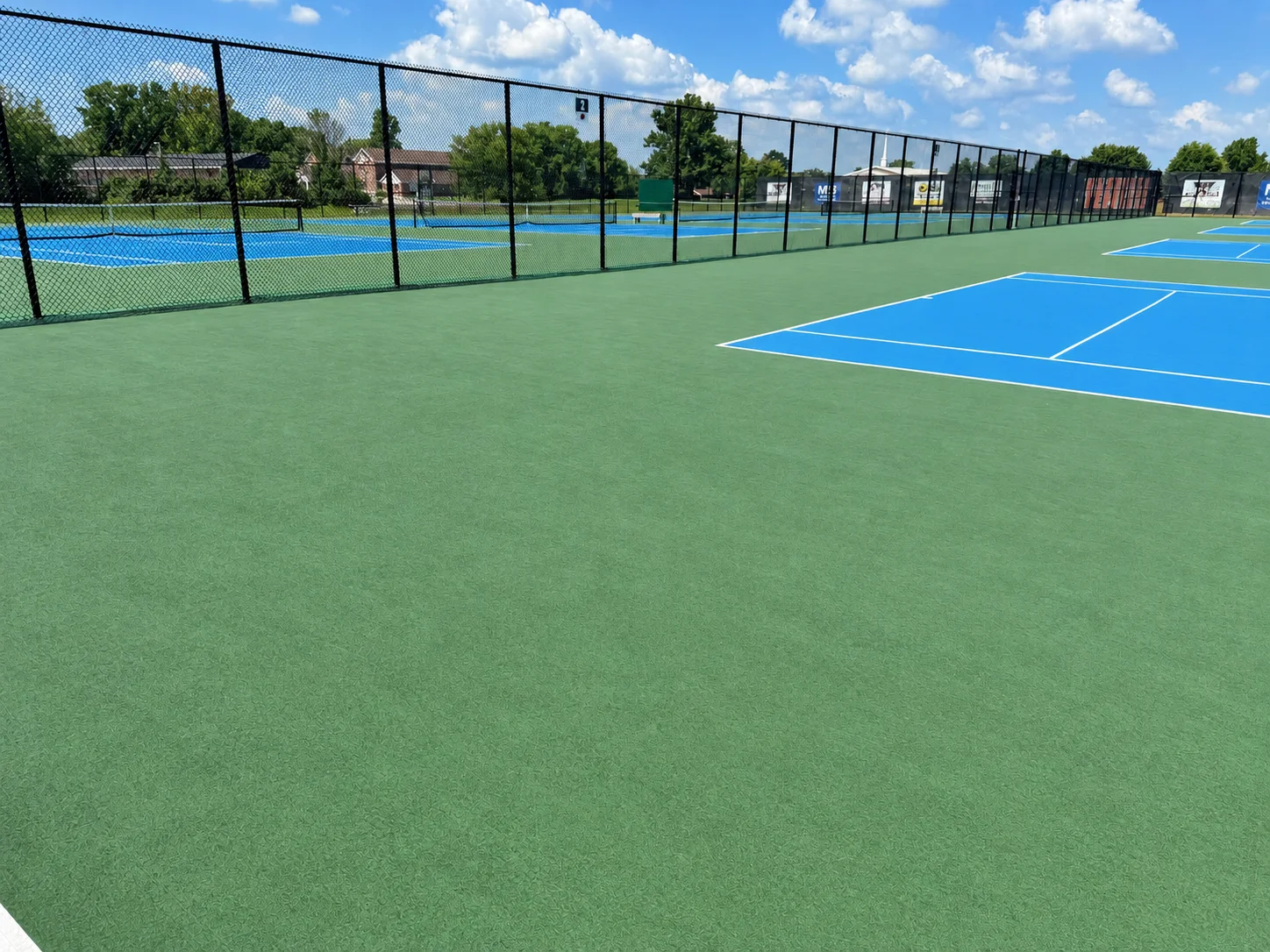
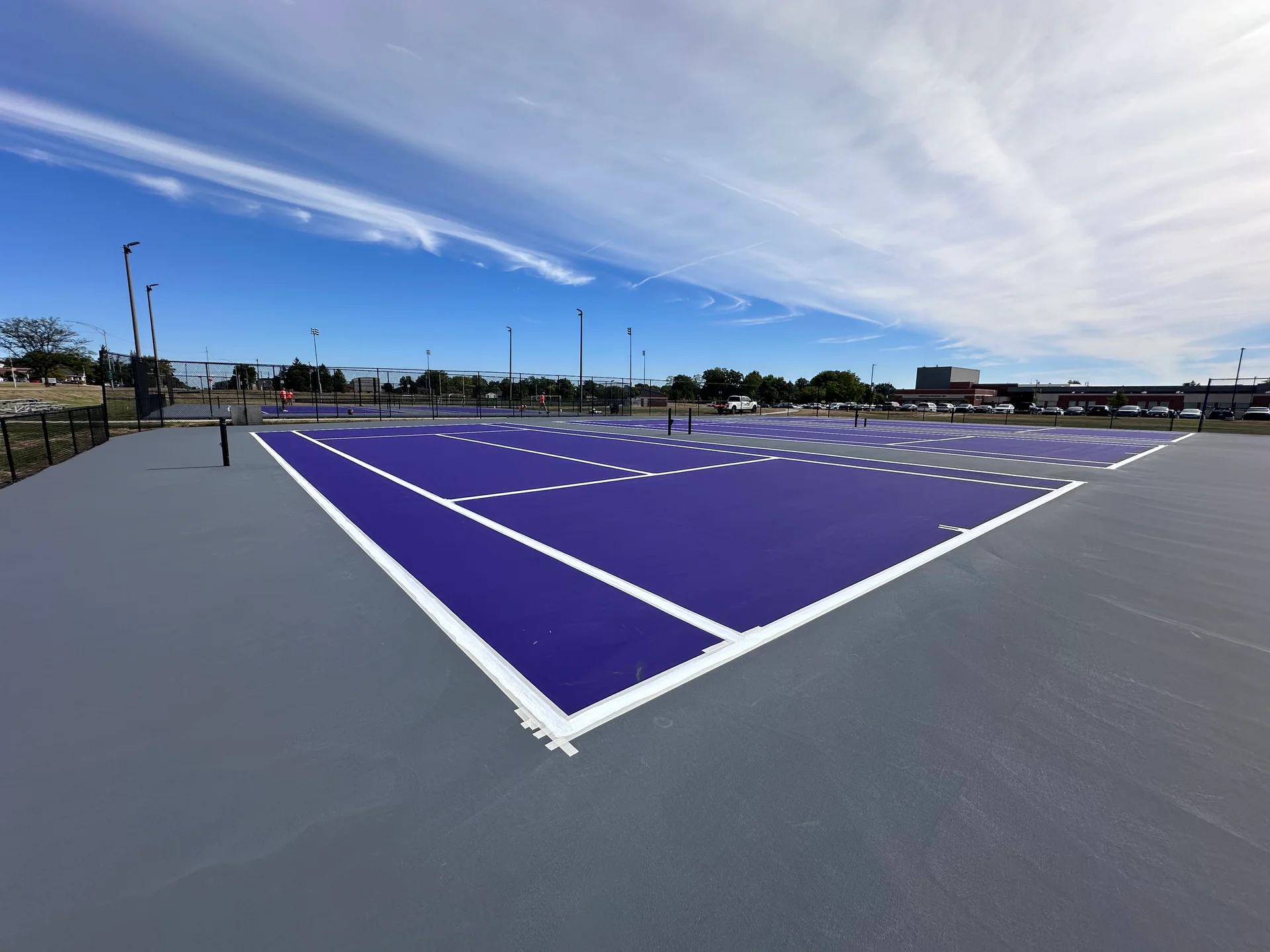
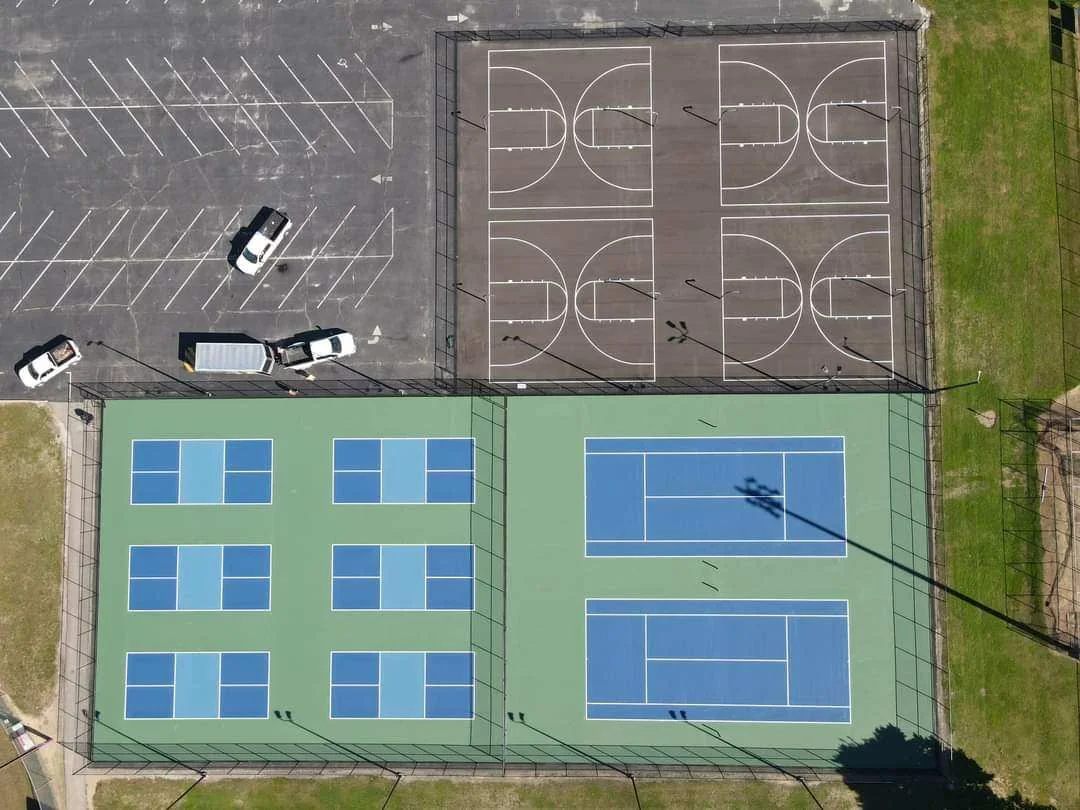
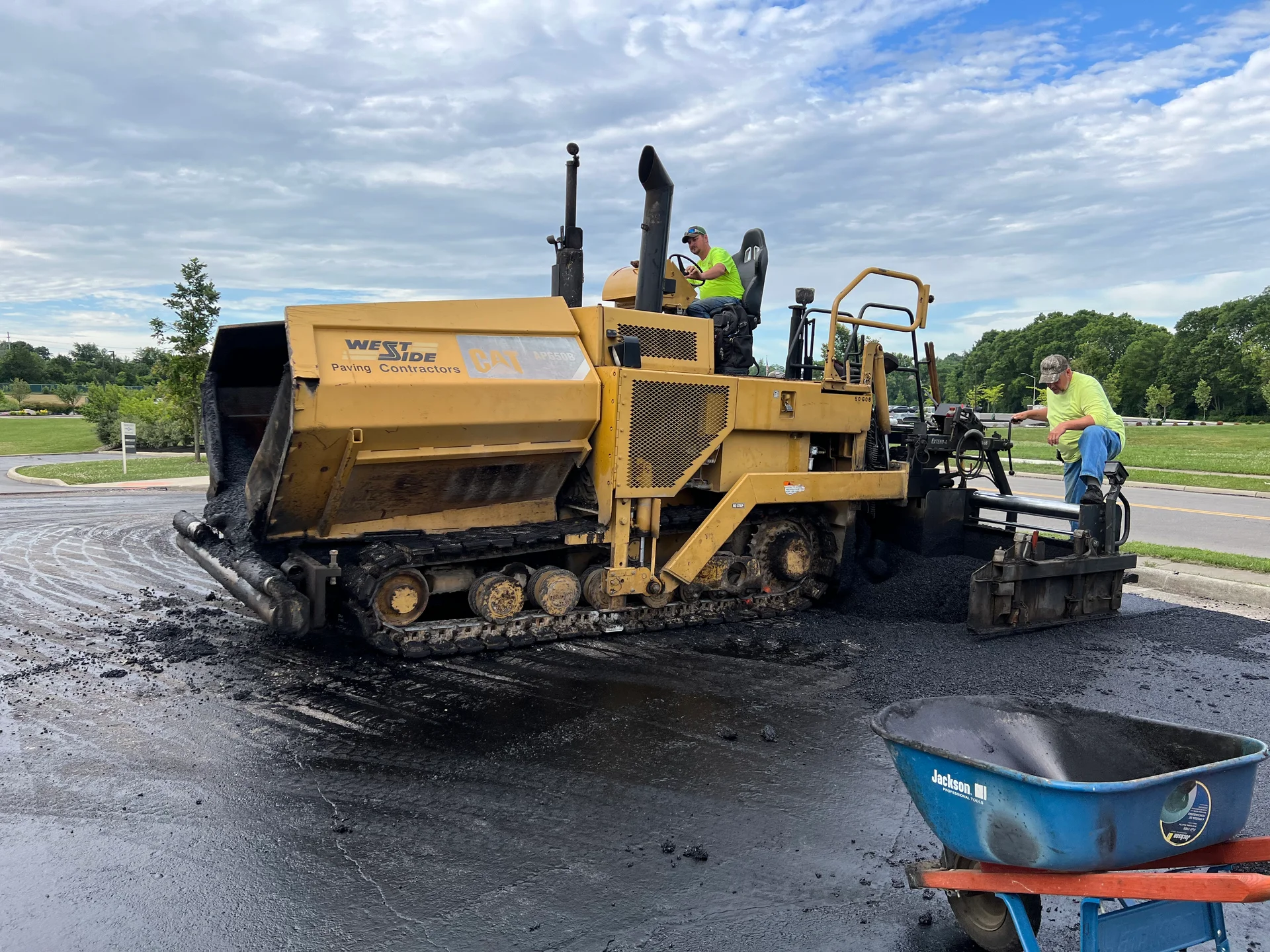
Great Oaks Career Campuses renewed the drives and lots at all four of its campuses, Diamond Oaks, Laurel Oaks, Live Oaks and Scarlet Oaks, as one 2026 program on one schedule of prices. Prodigy milled and overlaid the pavement, sealed the joints and restriped each campus, and handled the work that makes new asphalt last: new curb, regraded swales, a yard drain and cross-road pipe, a reinforced concrete drive and catch basin collars, plus five speed humps at Laurel Oaks. It was bought pre-bid through the TOP-C cooperative contract.
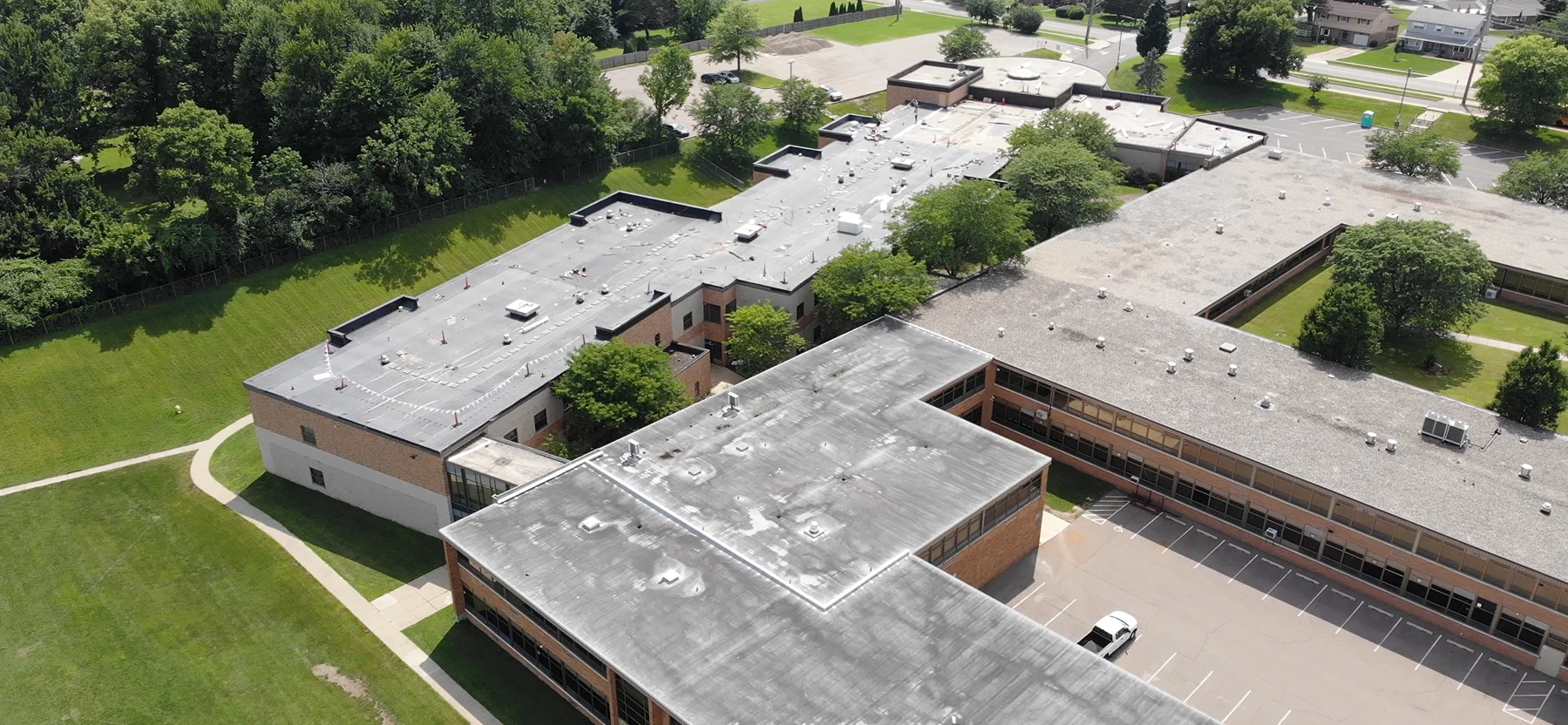
Great Oaks Career Campuses teaches trades on four campuses spread across southwest Ohio — Diamond Oaks in Cincinnati, Laurel Oaks in Wilmington, Live Oaks in Milford, and Scarlet Oaks in Sharonville. The drives and lots at all four carry buses, student drivers, and the trucks and trailers that come with a career-technical program. The district's 2026 asphalt contract treats the four campuses as one program rather than as four separate jobs in four separate years.
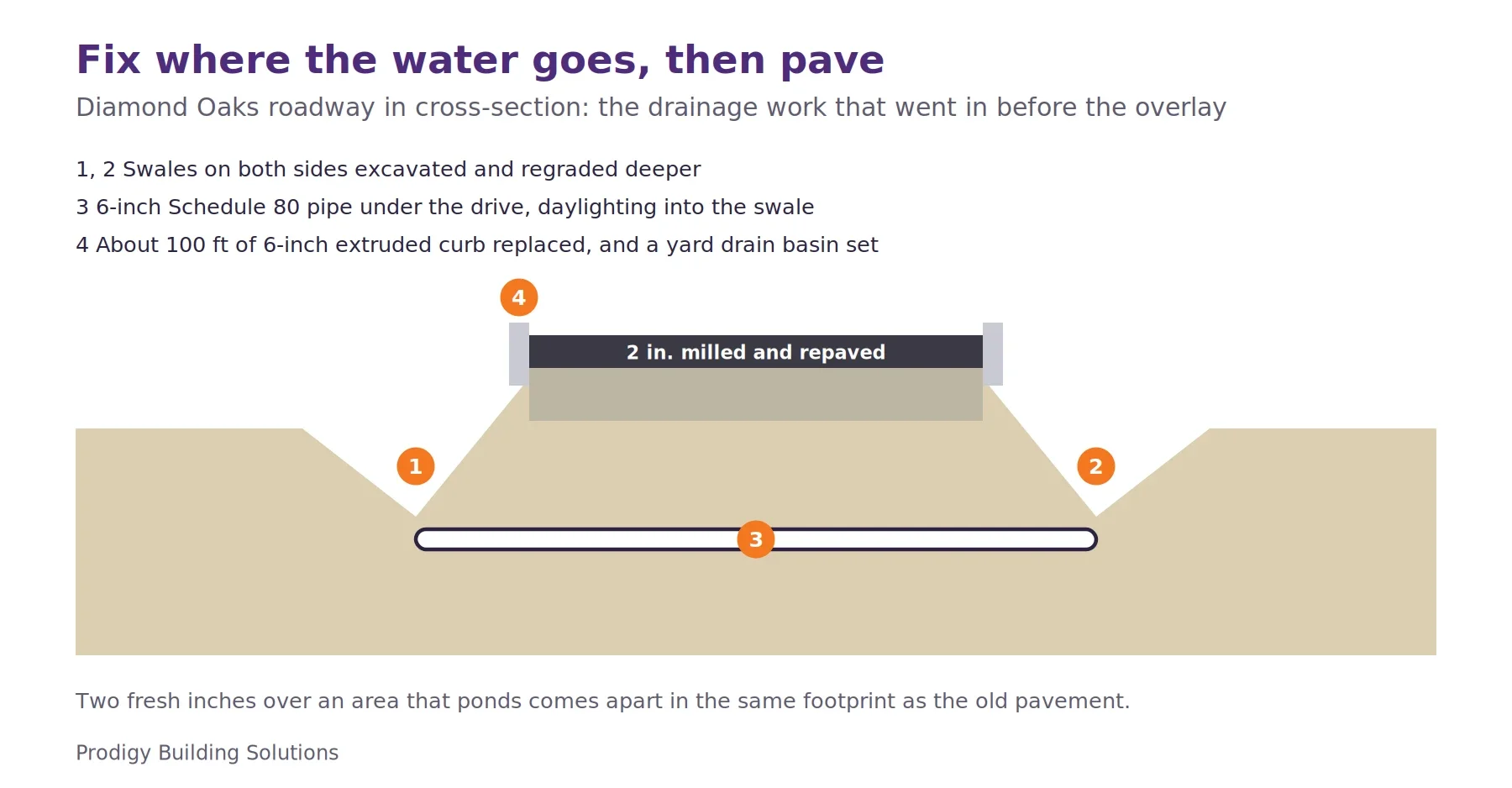
Most of the paved area gets a two-inch mill and overlay: leveling course, surface course, joints hot-tar sealed, restriped to the layout each campus already uses. Around that sit the items that decide how long the new surface lasts. At Diamond Oaks the contract replaces roughly a hundred feet of extruded curb, regrades the swales on both sides of a campus roadway deeper than they were, sets a yard drain collection basin, and trenches a six-inch pipe across the road to daylight into that swale. The paver drive in the same area comes out and a six-inch reinforced concrete drive goes in. Scarlet Oaks gets three concrete catch basin collars and, in one area, a four-inch mill with a binder course beneath the new surface. Laurel Oaks gets five speed humps and the striping that goes with them.
The district ends up with its pavement renewed on one plan and one schedule of prices, bought pre-bid on a TOP-C unit price contract, and with the water at Diamond Oaks routed off the roadway instead of across it.


Technical Discussion
Our Work