
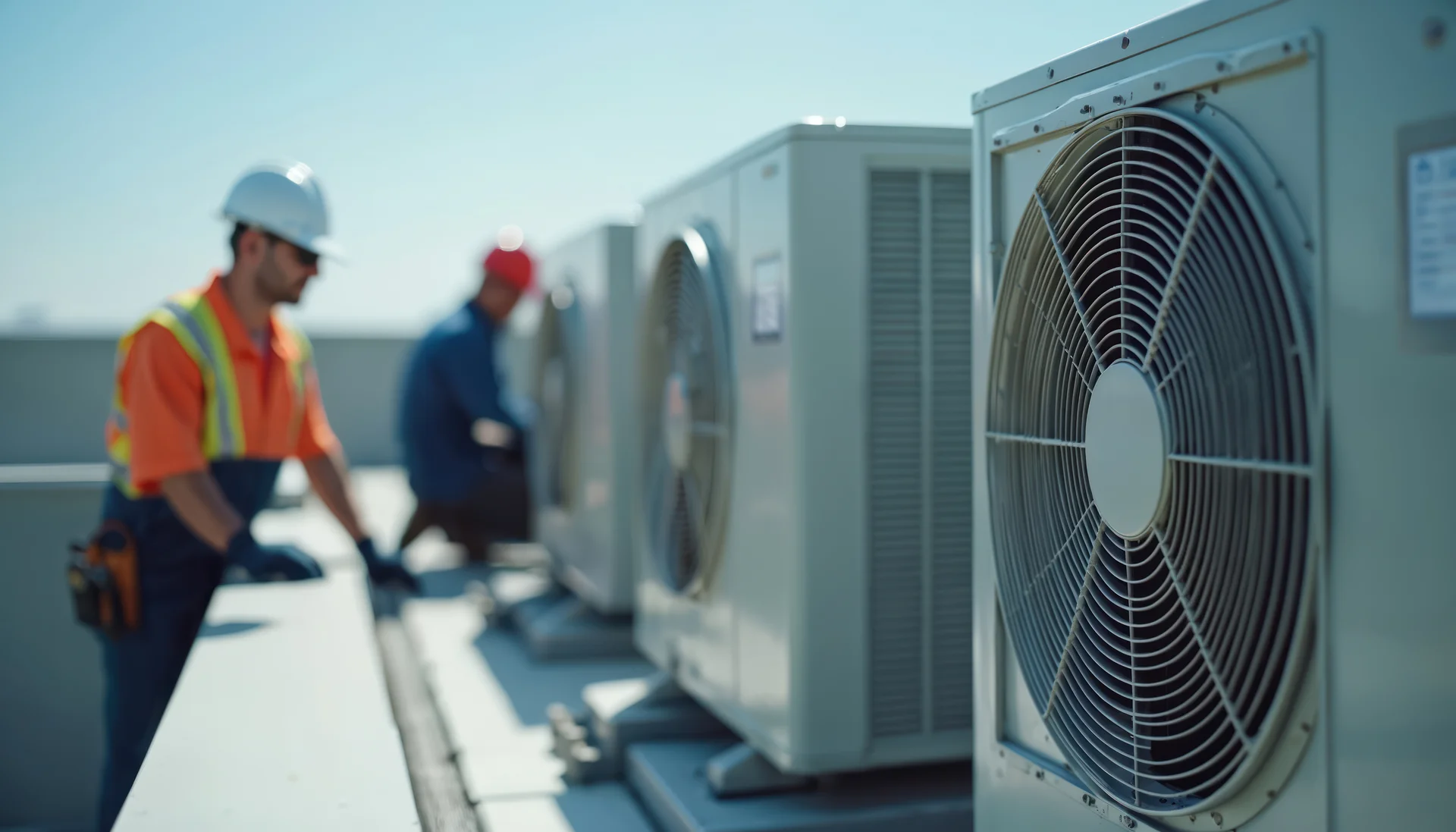
HVAC Designed by Engineers, Not Catalogs
Chillers, cooling towers, air handlers, VAV, VRF, and controls — engineered in-house, vendor-agnostic, and built for how your facility actually runs.
The HVAC Design Gap Nobody Talks About
When a facility needs new HVAC, owners typically get one of two flawed paths. Hire an architecture and engineering firm, and you get experts in code compliance who rarely know the product catalogs well enough to know what's actually available. Hire a manufacturer, and you get limited engineering that only ever lands on equipment from their own product line. Prodigy closes that gap: our in-house engineers are vendor-agnostic, with real experience selecting their own equipment — so the design fits your application, instead of forcing equipment into a space it was never right for.
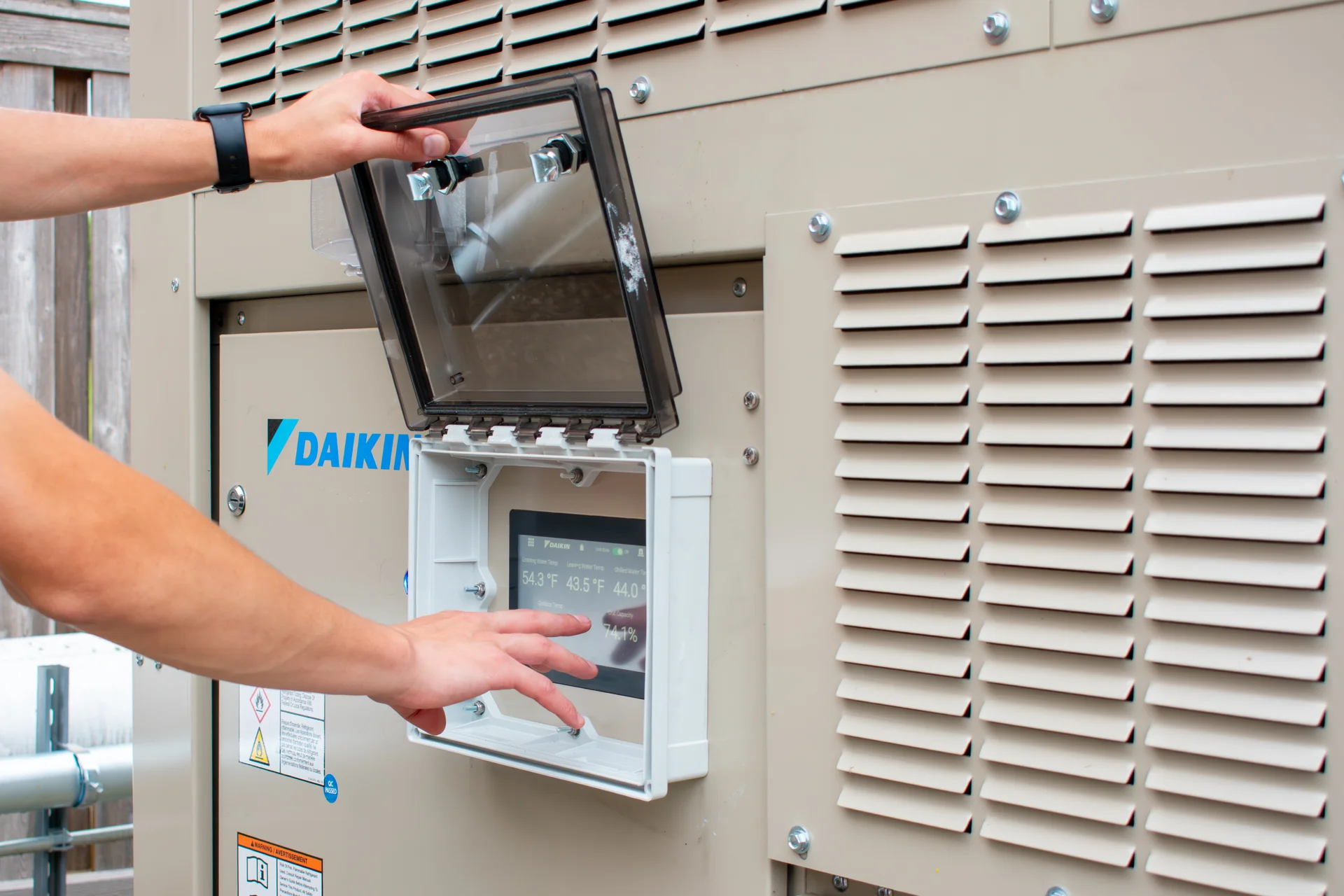
Why Ohio Organizations Choose Prodigy for Commercial HVAC
Vendor-agnostic engineering. We design and develop every aspect of HVAC in-house — chiller replacements, cooling towers, air handlers, VAV systems, VRF, and building controls — and select equipment on merit, from any manufacturer, for your application.
A process without hidden costs. Our approach eliminates the spec hooks and equipment packaging that reps build into traditional plan-and-spec projects — and our subcontractors never carry second-tier subs, which keeps control high and cost down.
Skin in the game. We invest our own engineering resources to develop your project — we don't get paid to design and walk away.
One accountable team. From engineering study through startup, one project manager runs the job — no finger-pointing between a design firm, an equipment rep, and a contractor.
Public-agency ready. Available through cooperative purchasing contracts, with financing support for schools, cities, and counties.
Our Work
HVAC Projects

HVAC Design Considerations
Three Ways to Design HVAC — Only One Puts Your Building First

Most HVAC projects are designed by someone with a conflict they can't escape. Most engineers are experts in code — but the equipment world moves fast, and a designer who doesn't live in the product catalogs specifies what they specified last time, whether or not something better exists. A manufacturer's team knows their catalog cold — but their engineering ends where their product line does, so every problem gets solved with whatever they sell. Either way, the building adapts to the design instead of the design serving the building.
Prodigy's model removes the conflict. Our in-house engineers carry both kinds of knowledge — code and catalogs — and answer to no product line. When we evaluate your chiller replacement or air handler retrofit, every manufacturer's solution is on the table, and the one that wins is the one that fits your loads, your space, your maintenance staff, and your budget. We're not trying to fix equipment into a space. We're engineering the right design for the application.
What We Design and Install
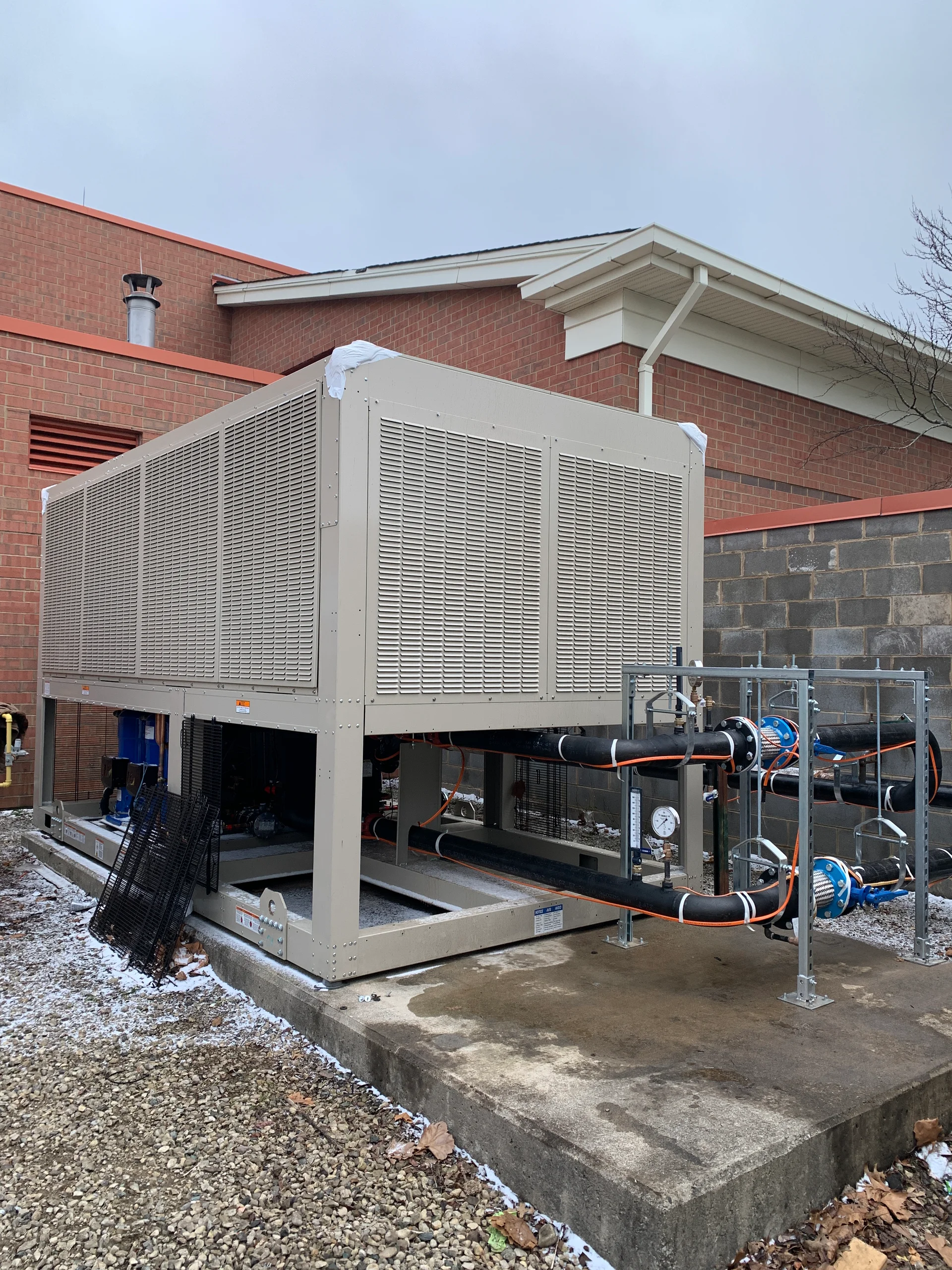
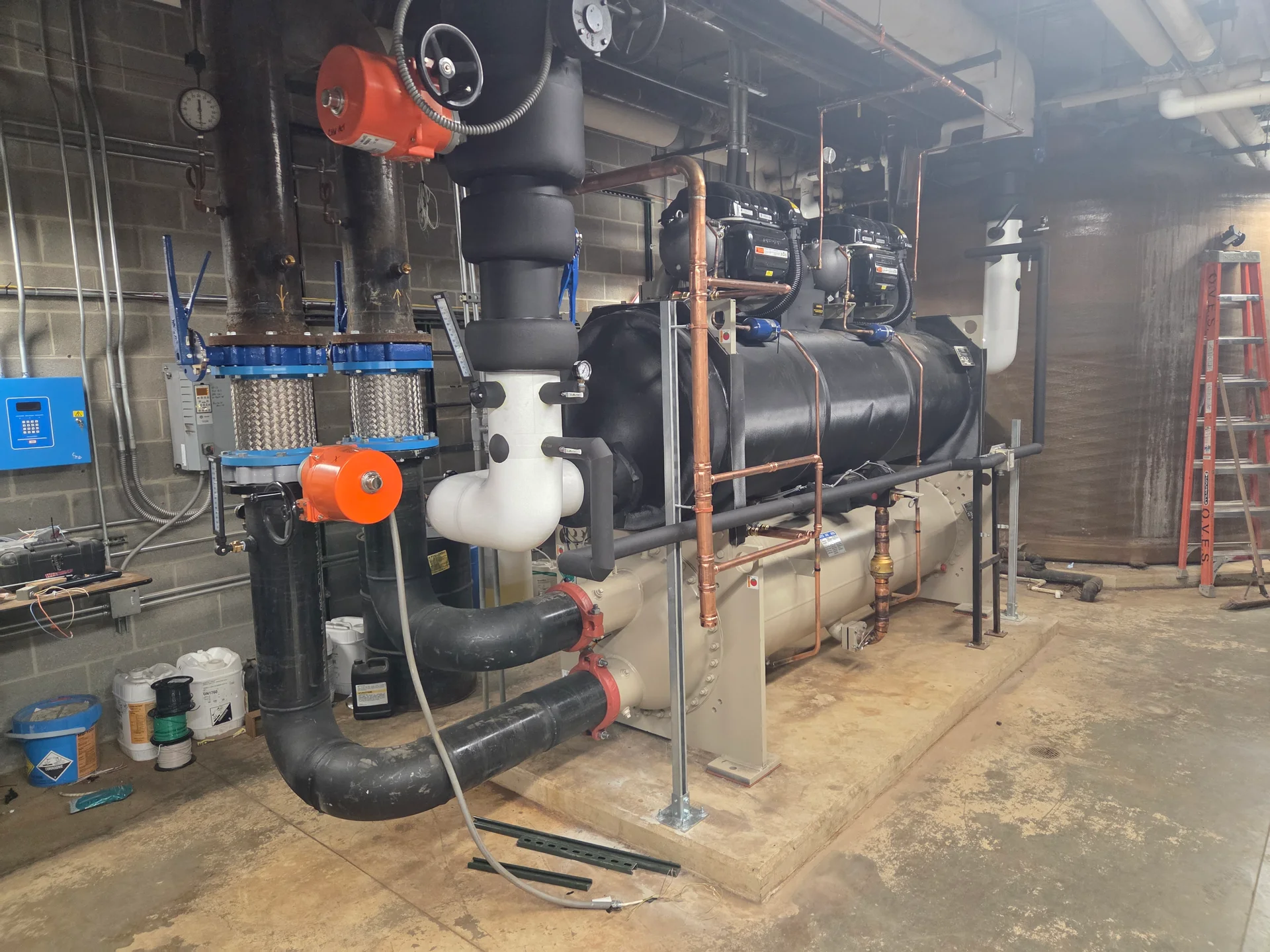
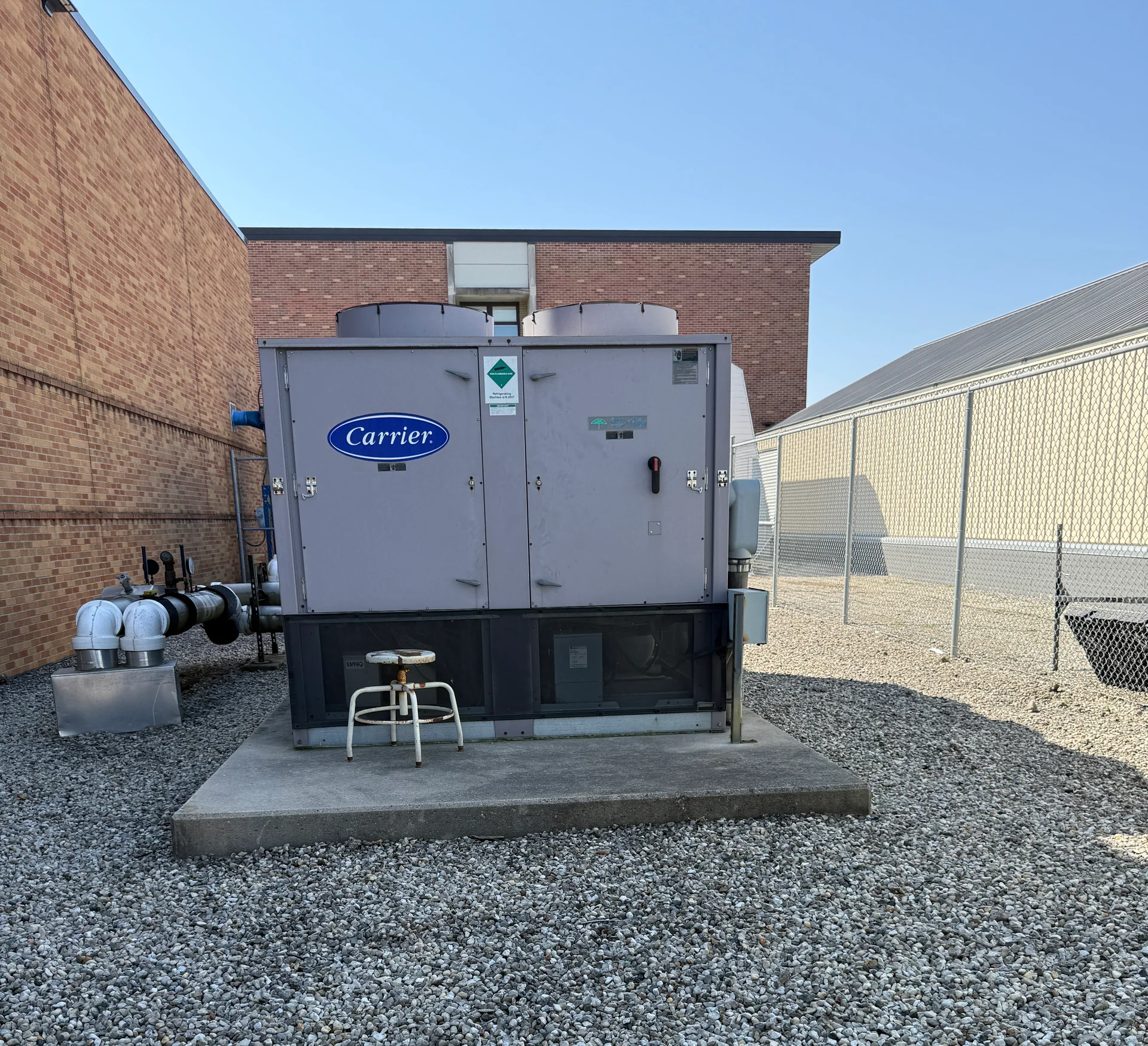
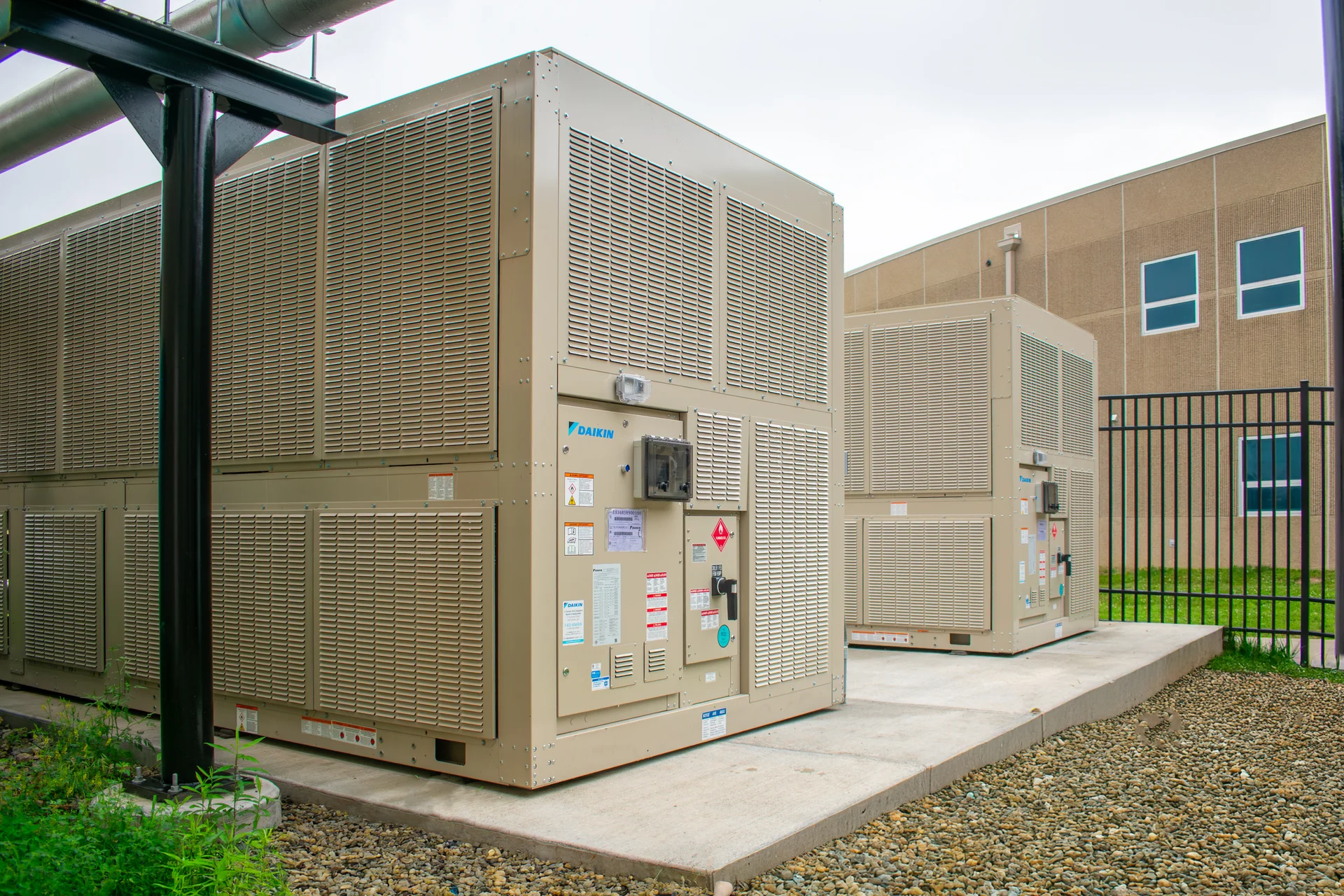
Chillers — replacements and plant upgrades, sized to real loads rather than nameplate history
Cooling towers — replacement, refurbishment, and system redesign
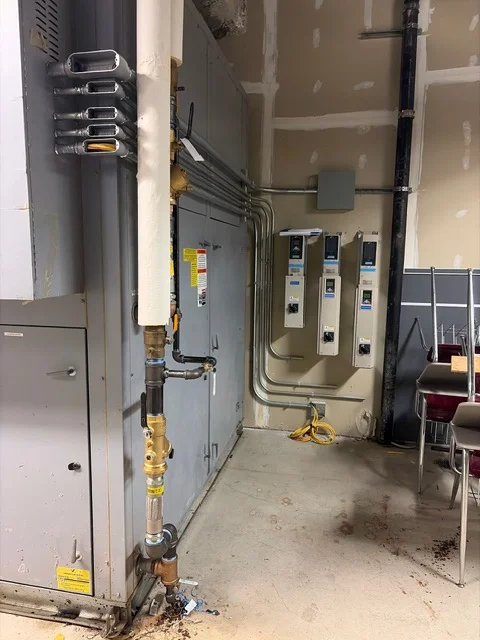
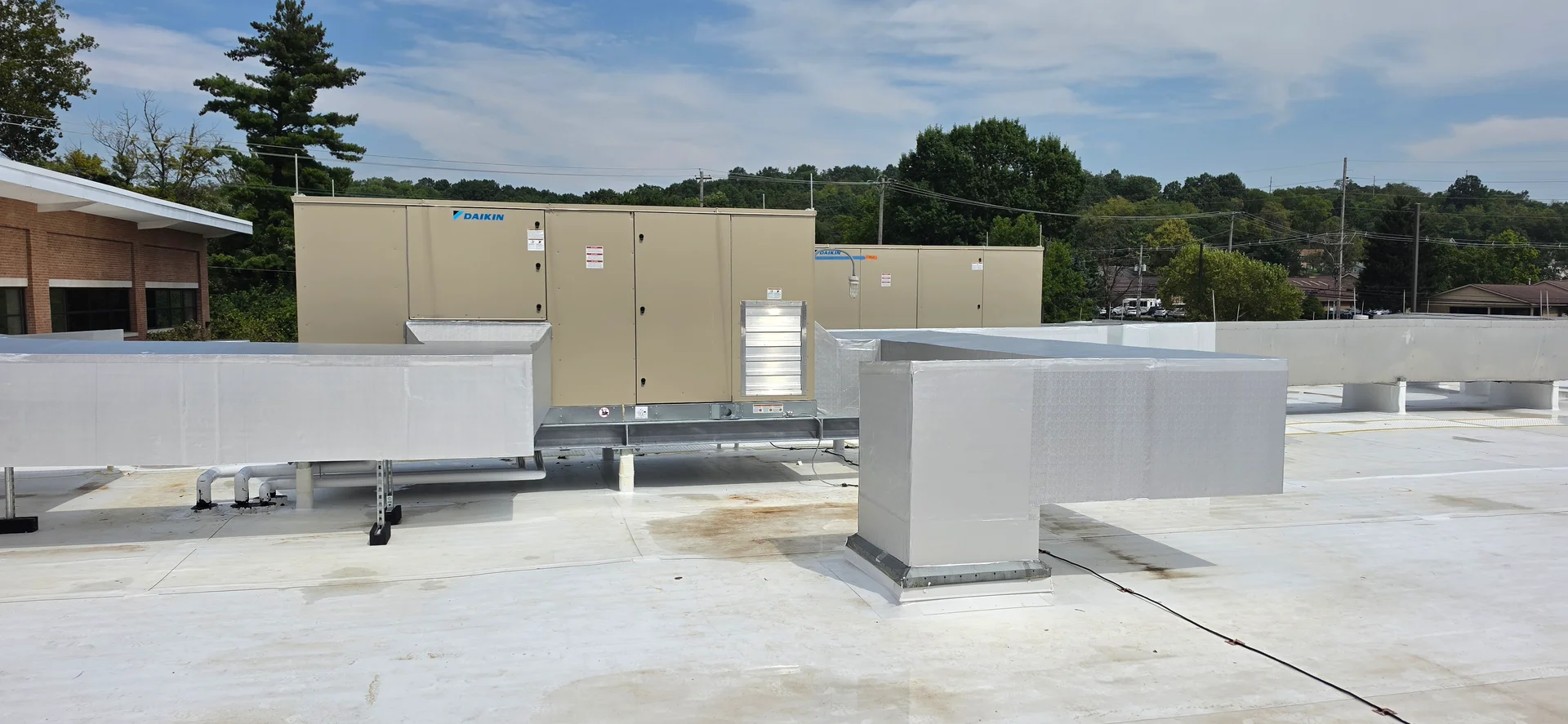
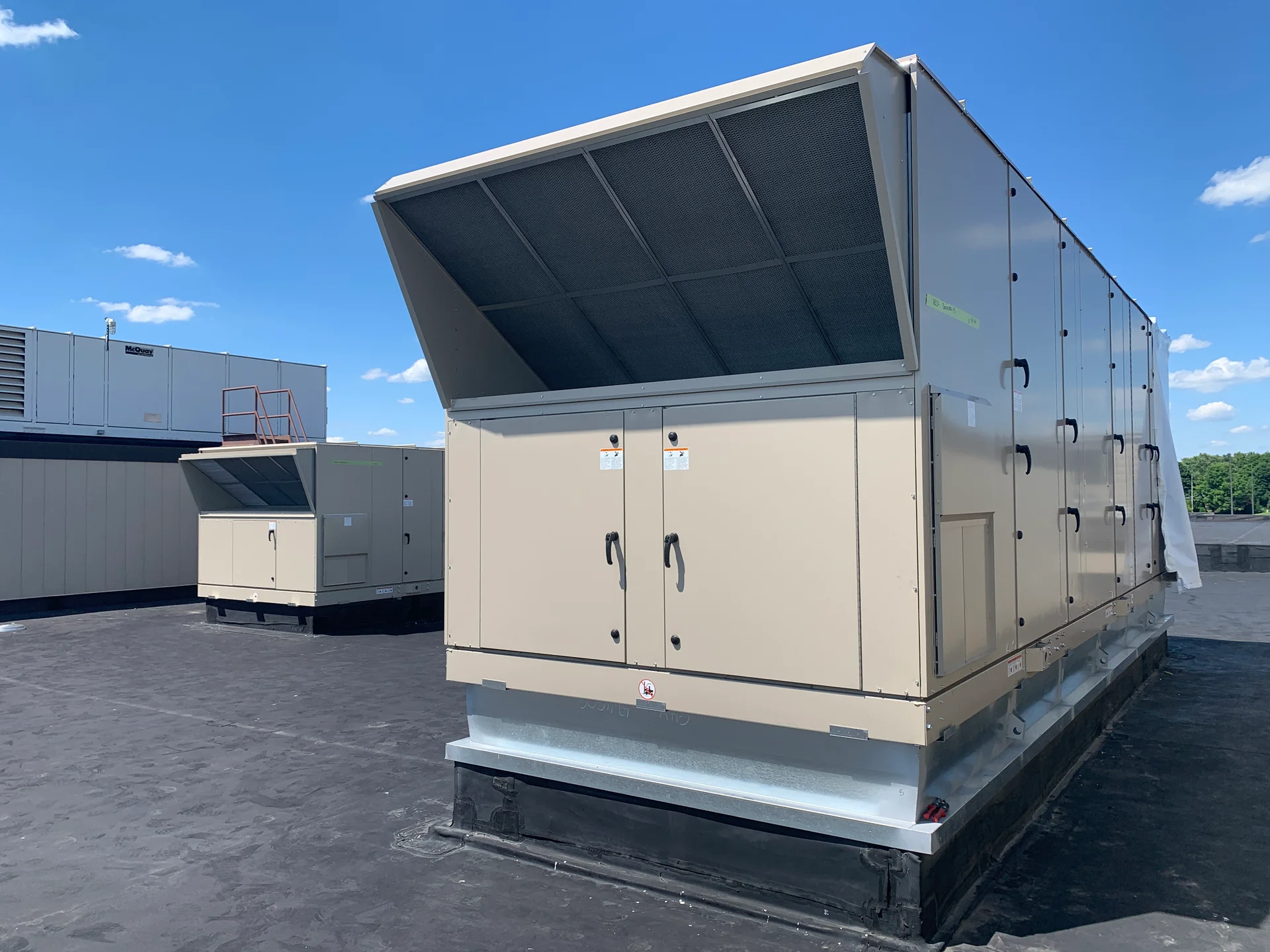
Air handling units (AHUs) — custom and packaged, including occupied-building replacements
VAV systems — new installations and conversions for zone-level comfort and efficiency
VRF systems — variable refrigerant flow for flexible, efficient zoning
Building controls — automation systems that don't lock you into long maintenance agreements
Rooftop units, boilers, pumps, and hydronics — the full mechanical scope, one team
The Decisions You'll Make — and How We Help
Repair, replace, or redesign — sometimes the answer is a new unit; sometimes the system around the unit is the real problem. The engineering study tells you which, plainly.
Equipment selection — a vendor-agnostic evaluation, documented so your board can see why.
Ventilation and air quality — especially for schools, where fresh-air rates, filtration, and comfort directly affect the people inside.
Controls strategy — how much automation your staff wants, and how the system reports problems before occupants feel them.
Efficiency and operating cost — equipment choices set your utility bills for 20 years; we model the difference, and identify utility rebates where available.
Phasing around occupancy — schools get summer windows; offices and municipal buildings don't close. The plan is built around your calendar.
Refrigerant transition — the industry is moving to new low-GWP refrigerants; what you buy now determines your parts and service picture for decades. We'll walk you through it.
Why Our Process Beats Plan-and-Spec
Traditional HVAC procurement carries costs owners never see, built into the process itself. Here's how it actually works.
Equipment packaging. Equipment reps work with design engineers to bundle a project's specification so one rep can supply everything — the air handler, chiller, boiler, controls, VAV boxes, and drives — while competing reps can each quote only fragments. Contractors bidding the job quickly discover that assembling a competitive package from multiple reps is nearly impossible: the reps refuse to unbundle the items where their margin lives, and a small spec requirement blocks the last piece from fitting. Every contractor ends up buying the same pre-arranged package, so the "competitive" bid was decided before it opened.

Spec hooks. A specification can look open while being closed. A requirement written a few degrees or inches off the industry standard — a performance number only one product line meets, a dimension only one manufacturer builds — means the spec lists three "acceptable manufacturers" while only one can actually comply. The engineer appears neutral; the outcome was pre-selected.
Stacked markup. By the time equipment reaches a traditional project, it has passed through the manufacturer, a rep firm, and a distributor — each adding margin — before a subcontractor marks it up and a general contractor marks it up again. Four or five layers of markup on an already-inflated base price, and it's all perfectly legal, because the final number was competitively bid.

How Prodigy eliminates all three. Our engineers design in-house, so no rep writes our specifications — no hooks, no packages. We break equipment out so every component competes on its own merits, and we buy at the top of the chain rather than through the layered channel. And our subcontractors are not permitted to carry second-tier subs, which keeps accountability tight and removes the last layers of markup. The savings go where they should: into better engineering, stronger project management, and your budget. We wrote about these practices in detail in the design rules that make Prodigy different.
Our Process
Capital planning & budgeting. We help you build an equipment replacement schedule — what's aging, what order, what year — so HVAC becomes a plan, not an emergency.
Engineering study. We analyze your systems and options — loads, ventilation, controls, structure, electrical capacity — and deliver an engineering report with recommendations.
Procurement planning. We help define requirements beyond cooperative purchasing requirements, fit to your agency.
Financing structure. If needed, we help structure project financing built for public agencies.
Final engineering & proposal. Design decisions agreed, we complete engineering and present a firm proposal.
Single-point project management. One PM runs the whole job — equipment, trades, startup, commissioning.
Project closeout. You receive a complete project binder — warranties, controls documentation, and everything your maintenance team needs.
Frequently Asked Questions
Do you only install one manufacturer's equipment?
No — we're vendor-agnostic by design. Our engineers select equipment on merit for each application. Our purchasing model does earn us strong pricing with major manufacturers, but the selection comes first, and it's ours.
Can you replace HVAC in an occupied building?
Yes — phasing around occupancy is part of the engineering study, whether that's a school's summer window or a municipal building that never closes.
We're not sure if we need replacement or just repairs. Where do we start?
With the engineering study. It's designed to answer exactly that question — including whether the real problem is the equipment or the system around it — before you commit capital.
Can public agencies buy HVAC through a cooperative contract?
Yes. Prodigy holds cooperative purchasing contracts that let Ohio schools, cities, and counties procure HVAC through already-bid contracts. See how cooperative purchasing works.
Do you handle building controls too?
Yes — controls and automation are part of our in-house scope, designed with the rest of the system rather than bolted on by a separate vendor afterward.