
Theater: Lighting, Sound, Video, Rigging & Acoustics
Designed in-house with the people who actually run the room — and built to be operated without calling a programmer
Theater Systems Engineered for the Way Your School or City Will Really Use Them
Most theater renovations follow a standard specification written for a brand-new auditorium, then get installed in a fifty-year-old one. The result is familiar: equipment nobody asked for, a control system only one person understands, and a budget that ran out before the stage lights were replaced. Prodigy's in-house architecture and engineering team designs performance spaces around the building you have and the people who will use it — lighting, sound, video, rigging and curtains, stages, seating, acoustics, and training — then purchases equipment directly and manages the entire project with a single point of contact.
Why Ohio Organizations Choose Prodigy for Auditorium & Theater Projects
In-house theater design and engineering. Our own architects and engineers develop the system, so the design is not written around one manufacturer's product line or a consultant's default spec.
Built with the end users, not just for them. We spend the development phase with the drama director, tech crew, music staff, and facilities team before anything is engineered — so the system serves the people who will run it.
No proprietary lock-in. We design for open, industry-standard control (DMX/sACN, standard networking) so your staff can add fixtures, reprogram cues, and get service from anyone — not just the original installer.
Direct equipment purchasing. Fixtures, consoles, rigging, and audio are purchased directly from manufacturers and distributors, removing the layered rep-and-sub markup that inflates most theater packages.
Staged LED conversions that fit real budgets. We have helped many Ohio schools move from incandescent and legacy dimmers to LED in phases, without sacrificing quality or ending up with a half-finished system.
Cooperative purchasing eligible. Public schools, cities, and counties can procure through competitively bid cooperative contracts under ORC 167.081 and ORC 9.48.
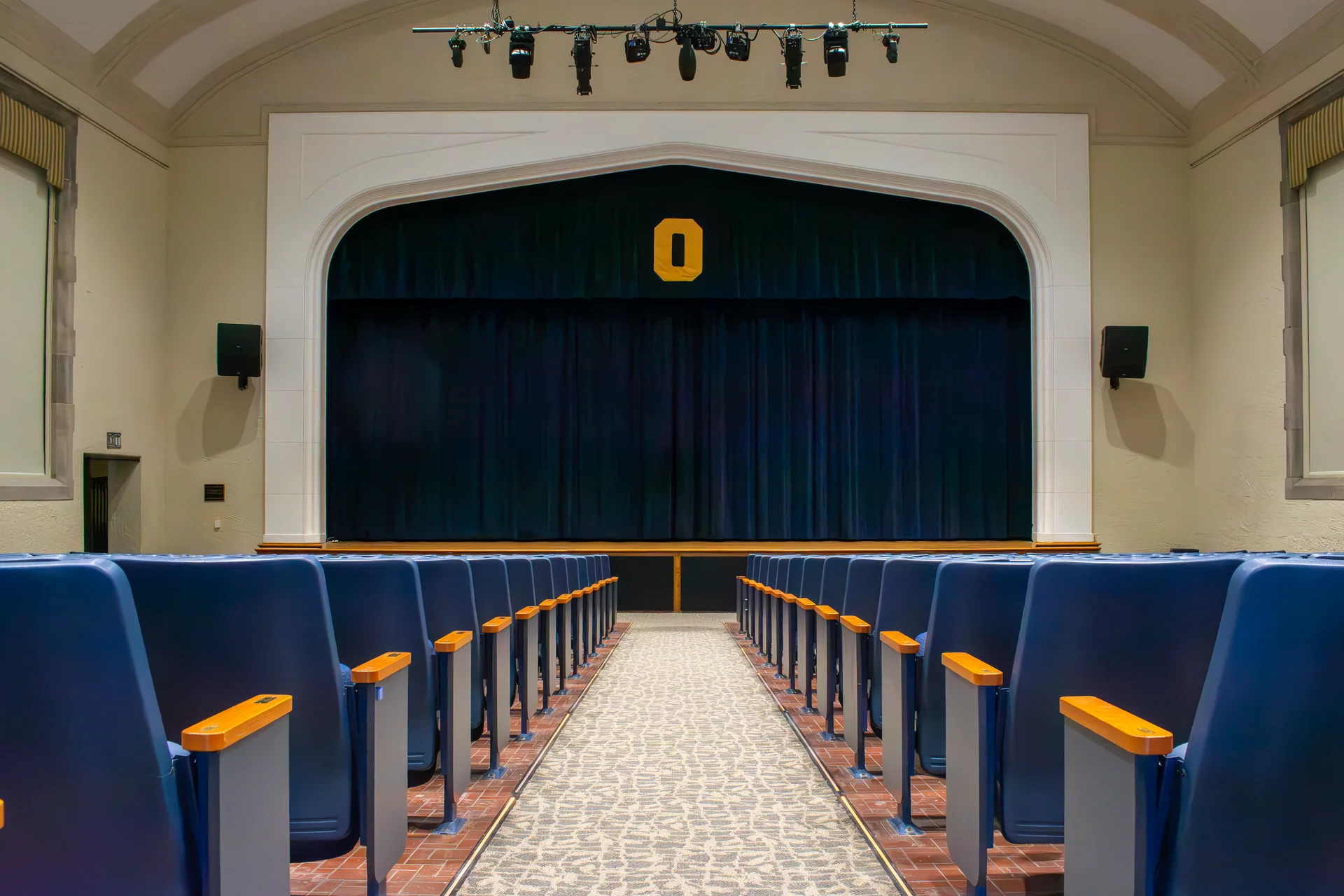
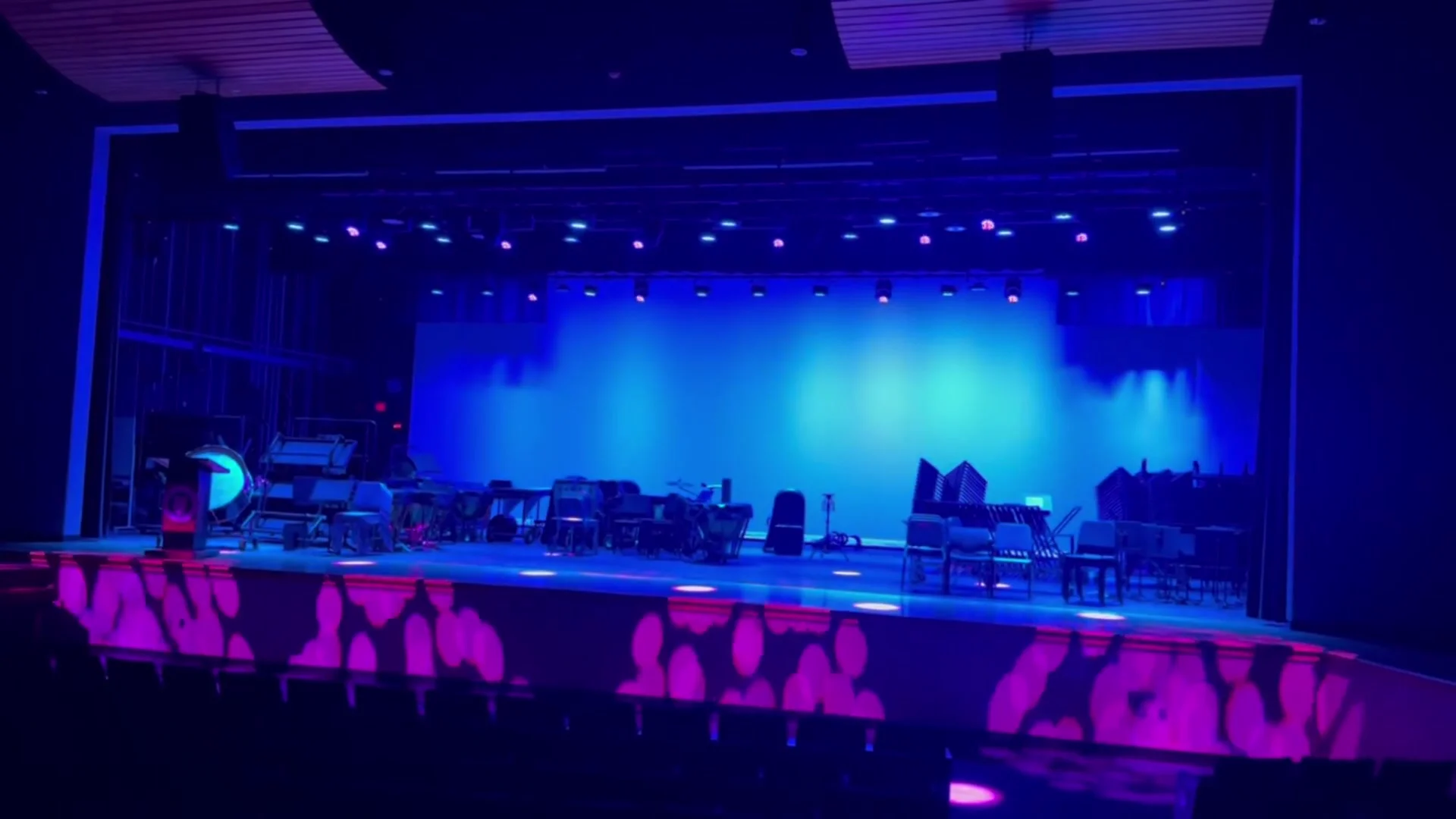
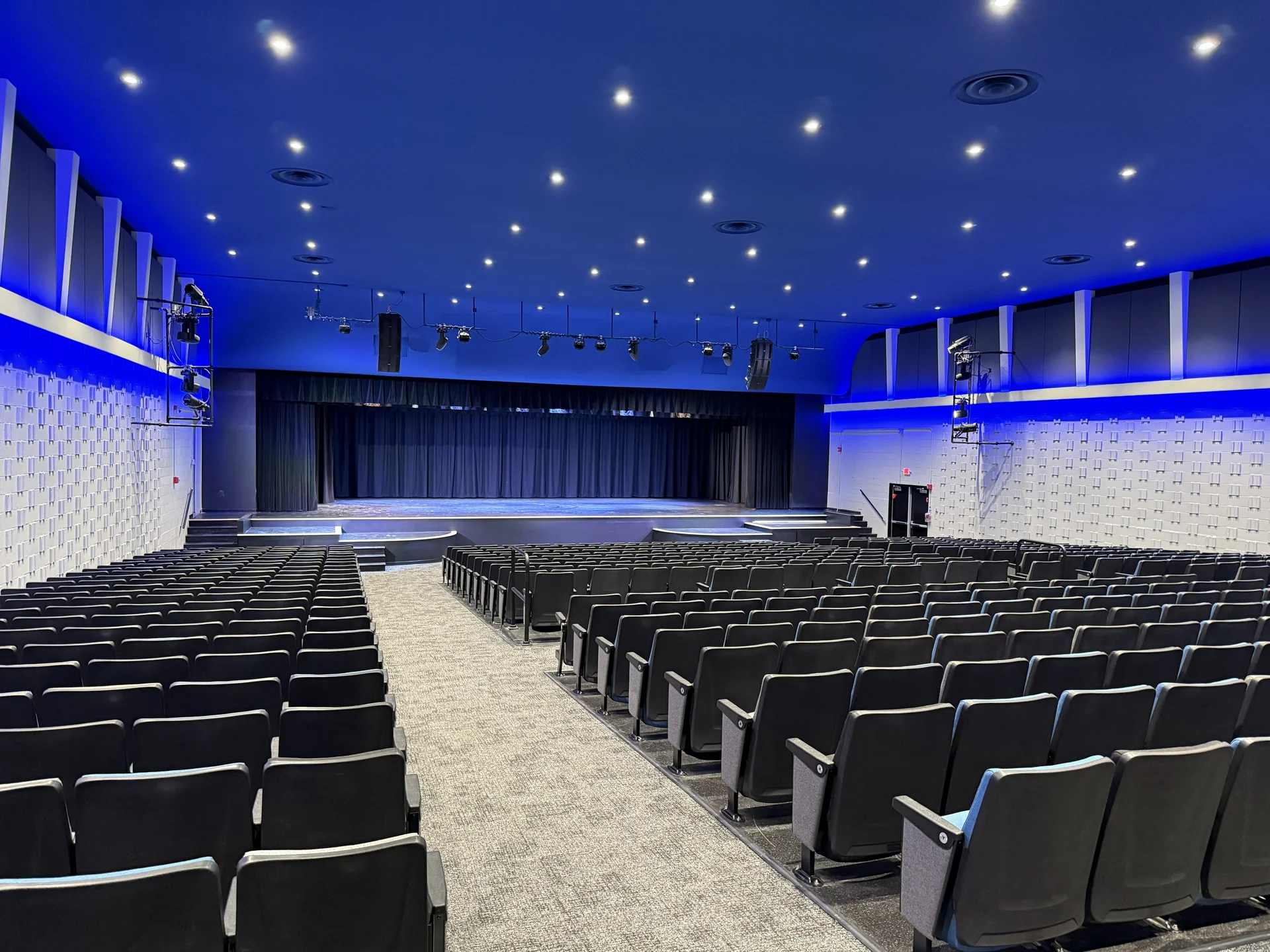
Proven in renovations. Whetstone Theater, Northland High School Theater, Sidney High School Theater, and Oakwood Theater are all Ohio renovations where the system had to fit an existing building, not a blank slate.
Our Work
Theaters Projects
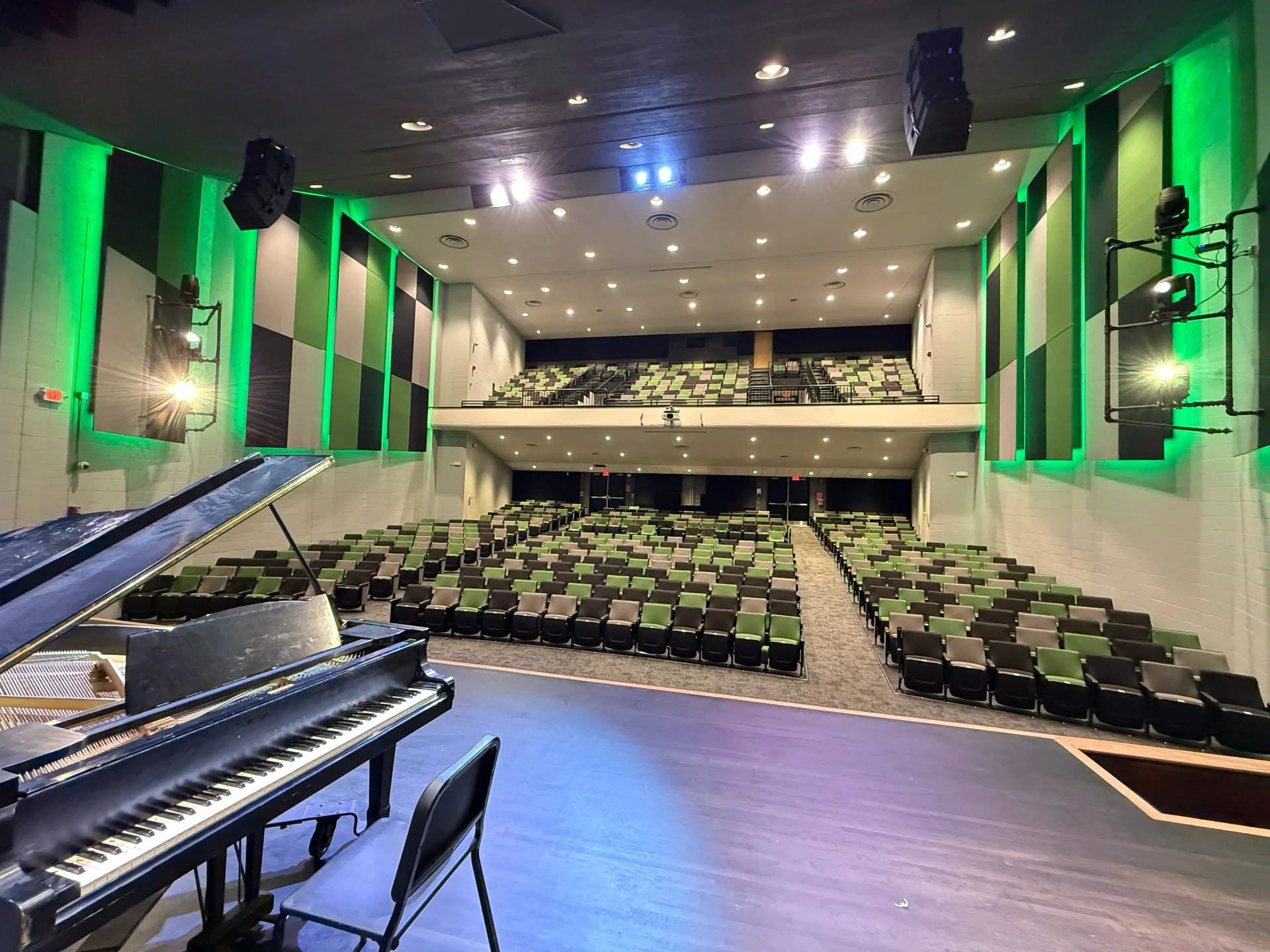
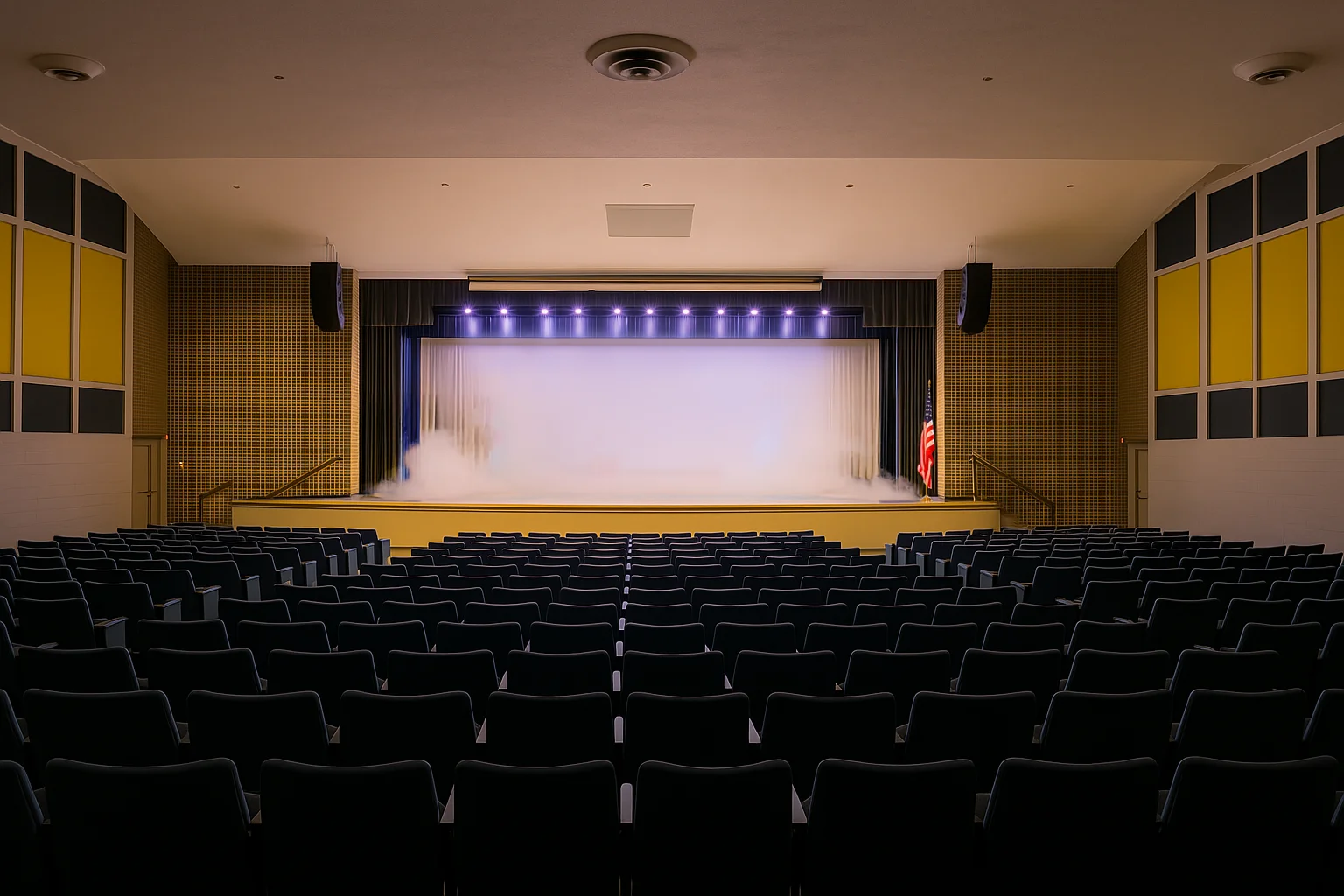
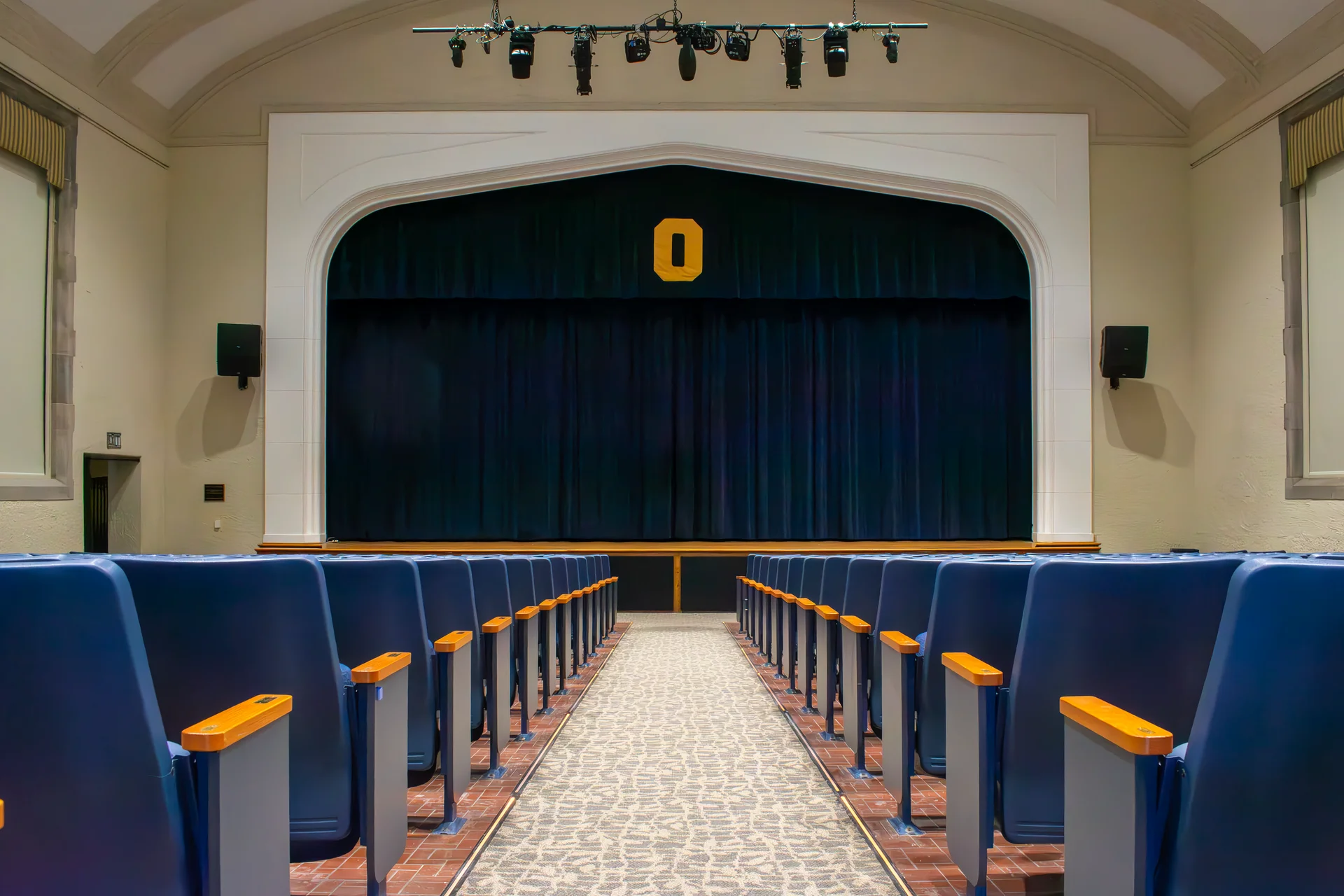
Theater Engineering Discussion
The Gap Nobody Explains: Why So Many Theater Systems Disappoint the People Who Use Them
Theater renovations are unusual among school and municipal projects because the people who approve the budget and the people who operate the room are rarely the same people. The business office and board are responsible for cost, code compliance, and getting the project done on schedule. The drama director, tech crew, band and choir staff, and community groups are responsible for making the room work on show night. Both groups are doing their jobs well. The problem is that the standard project process gives them very little time together.
A typical plan-and-spec project starts with a consultant's specification, gets priced by contractors, and is installed by a subcontractor who may never meet the end users. We regularly hear from staff who inherited a new system they had no input on — with fixtures pointed at the wrong places, a console nobody was trained on, and features that require a service call to change. The money was spent, the system technically works, and it still does not serve the room.
Prodigy's process closes that gap on purpose. Before our engineers design anything, we meet with the people who run the theater, watch how the space is actually used (school musicals, band concerts, assemblies, community rentals, parent presentations), and build the design around those uses. Administrators get a clear, engineered scope and a fixed price. Users get a system built for their shows. Figure 1 shows the difference.

What We Design and Install
Theater work is specialized, so here is what each part of the scope means and how we approach it:
Stage lighting. Front-of-house, overstage, cyc, and specialty fixtures; LED conversions; dimmer and relay replacement; DMX/sACN data infrastructure; lighting consoles and architectural control stations. We select fixtures from any manufacturer based on the room, not a preferred vendor list.
Sound. Loudspeaker systems, digital mixing consoles, wireless microphone systems (including frequency coordination in today's crowded spectrum), stage monitoring, assistive listening, and intercom. Designed for intelligibility in the seats first, volume second.
Video. Projection and LED displays, cameras for streaming and recording, presentation inputs, and signal distribution — so the theater works for assemblies, guest speakers, and livestreamed performances as well as productions.
Curtains and rigging. Main drape, travelers, borders, legs, cyc, and scrim; counterweight, motorized, and dead-hung batten systems; inspection and replacement of aging rigging hardware. Fly systems are life-safety equipment and we treat them that way.
Stages. Stage floors and resurfacing, orchestra pits and pit fillers, thrust and apron extensions, stage lifts, and trap systems.
Seating. Fixed auditorium seating replacement, accessibility and companion seating, sightline correction, and aisle lighting.
Acoustics. Absorption, diffusion, and reflection treatments; orchestra shells; noise control for HVAC; and coordination of the room's acoustics with the sound system design instead of fighting it.
Training. Hands-on training for staff and students on the actual installed system, with tiered user levels and documentation that survives staff turnover.
System integration. Making lighting, sound, video, and architectural control work together from one clear interface — and work reliably when a substitute teacher or a booster club is running the room.
The Decisions You'll Make — and How We Help
All at once or in phases? A full incandescent-to-LED conversion, new dimming/relay infrastructure, console, and data can be a large number. We help many schools stage the work across budget cycles in a sequence that delivers usable improvements at every step and never strands earlier spending. The engineering study sets the right sequence for your building.
Fixed rig or flexible rig? In a theater with a motorized fly system, battens can be lowered easily, so more conventional fixtures may make sense. In a theater with static or dead-hung battens, fewer moving-head fixtures with preset positions often give staff more looks without a ladder. This is a retrofit decision that a new-construction spec rarely addresses.
Who gets to control what? Everyone wants access to the theater's features, but the coach giving a parent presentation does not need the color-changing cyc. We design tiered control — simple wall-station presets for everyday users, full console access for the tech crew — so events run without a theater employee present and nobody "fixes" a problem by pressing every button (Figure 5).
Open control or proprietary? A system that requires a programmer visit to add a fixture is not functional for a high school. We design for open standards and document the system so any qualified technician can service it.
Box booms, aisle lighting, gobos, and other high-value additions. Some of the most noticeable improvements are relatively low cost. We flag these during development so you can decide with real numbers in hand (see below).
Buy direct or through a package? Equipment packaging is the norm in theater. We explain what is in the package, what it costs, and what you could buy directly instead.
Why Our Process Beats Plan-and-Spec for Theaters
Theater equipment is sold through a chain: manufacturer → regional rep → dealer/integrator → electrical or general contractor → owner. Each link adds margin, and each link has an incentive to shape the specification toward what it sells. Three mechanisms drive up cost and lock in owners:
Spec hooks. A manufacturer's rep helps a consultant write the specification. It reads as generic, but one or two requirements (a specific control protocol feature, a fixture dimension, a console family) can only be met by that manufacturer. Competing bidders know it and price accordingly.
Equipment packaging. The lighting, dimming, console, rigging, and audio are bundled into a single "theatrical systems" package from one integrator. The owner never sees line-item pricing and cannot substitute a better-value fixture or console without breaking the package.
Proprietary control. Wall stations and consoles that only the original integrator can reprogram turn every future change — adding fixtures, rewriting presets for a new director — into a service call.
Because Prodigy engineers the system in-house, we do not need a rep to write our spec. Because we buy directly, we see manufacturer and distributor pricing, not a packaged number. And because our theater team continually researches and vets equipment as the technology changes, we can select each component on quality and function rather than on relationships. Our subcontractors are not permitted to carry second-tier subs, so the trades that touch your theater are the ones we hired and manage directly. Figure 2 shows the two purchasing paths side by side, and Figure 3 shows how our overall project process compares.

Three Improvements Worth Asking About
Box booms. A box boom is a vertical lighting position mounted on the side walls of the house, between the audience and the stage (Figure 3). Many older Ohio auditoriums have only a ceiling cove or beam position out front, which lights faces flatly from one angle. Adding box booms gives designers side-front light for depth and dimension, and it is often one of the lowest-cost changes with the biggest visible improvement in how performers look.
Aisle and step lighting. We field frequent calls about egress lighting in auditoriums. Under the Ohio Building Code's means-of-egress provisions (which follow the International Building Code), theaters may reduce house lighting during performances only if the walking surface — aisles and steps — remains illuminated to a minimum level, and full egress lighting must restore automatically on fire alarm. Aisle lights are harder than they look: seat-mounted fixtures, step-nosing lights, and wiring through existing concrete each have trade-offs. We design and install them as part of seating and lighting work.
Custom gobos. A gobo is a stencil placed in a lighting fixture to project a pattern, logo, or texture. A custom school crest projected on the main drape or a texture across the stage floor is an inexpensive way to raise the look of a room dramatically.

Our Process
Capital planning conversation. We meet with administration and facilities to understand the budget window, the building's condition, and how the theater fits in the district's or city's larger plans.
User discovery and engineering study. Our theater team meets with directors, tech staff, music faculty, and community users, documents the existing rigging, electrical, and acoustics, and engineers a system for this building — including phasing options if the full scope exceeds the current budget.
Procurement planning. We identify which equipment we will purchase directly, confirm cooperative purchasing eligibility under ORC 167.081 / ORC 9.48, and structure the project so the owner is not locked into any single manufacturer.
Financing options. Where useful, we present financing and phasing strategies that align with permanent improvement funds, levies, or grant cycles.
Final proposal. A fixed-price, engineered scope with line-item clarity — not a packaged number.
Single-PM execution. One Prodigy project manager coordinates rigging, electrical, audio-video, seating, and finishes, scheduled around the performance calendar so shows are not lost.
Training and closeout. Hands-on training for each user tier, as-built drawings, fixture and cue documentation, and a closeout binder so the system survives staff turnover.
Frequently Asked Questions
How much does it cost to convert a school theater from incandescent to LED lighting? It varies widely with fixture count, whether dimmers must be replaced with relays or constant power, and the condition of existing wiring and data. Rather than quote a range that may not apply, we provide an engineering study that prices a full conversion and a phased path, so a district can decide what to fund now and what to fund next.
Can a theater lighting upgrade be done in phases? Yes. Many Ohio schools we work with stage their conversions over two or more budget cycles. The key is engineering the whole system first, so each phase installs infrastructure the next phase uses, and no early spending is wasted.
Do we need a programmer every time we add a light or change a preset? Not if the system is designed on open standards and your staff is trained. We design theaters so the tech crew can add fixtures and rewrite cues themselves, and so everyday users have simple presets that do not require a console at all.
What are the code requirements for aisle lighting in a theater? The Ohio Building Code's egress illumination provisions (based on the International Building Code) allow house lights to be reduced during performances only if aisles and steps stay illuminated to a minimum level, and require full egress lighting to restore automatically on fire alarm. If your auditorium is being renovated or re-seated, the local building department may require aisle lighting to be brought up to current requirements. We confirm the specifics with the authority having jurisdiction as part of the design.
Can a public school or city buy a theater renovation through a cooperative contract? Ohio public agencies can procure through cooperative purchasing contracts under ORC 167.081 and ORC 9.48. Prodigy holds cooperative contracts that cover theater renovation work, so the competitive bidding and procurement paperwork are already done when your project starts. See our cooperative purchasing page for details.