
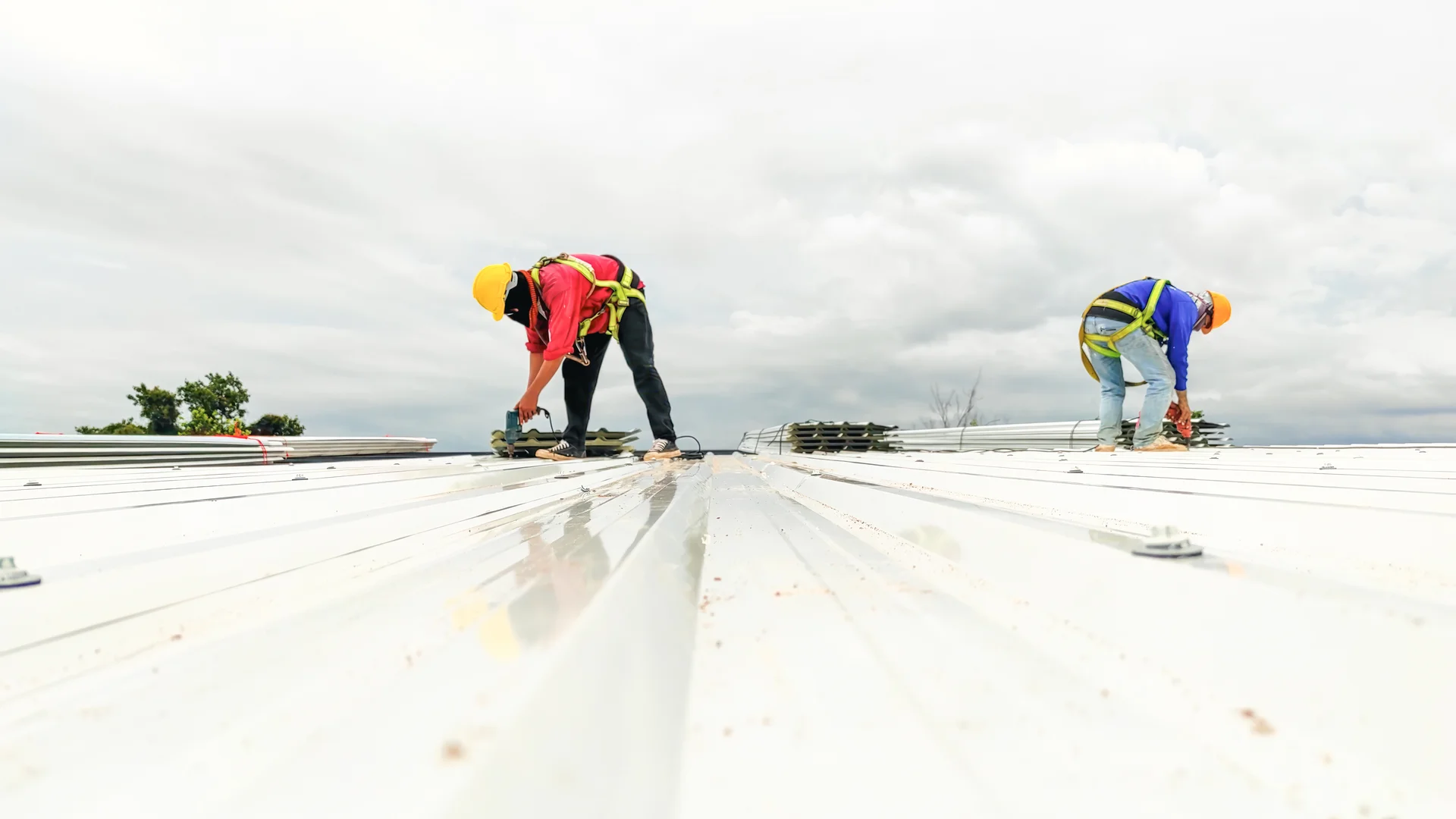
Commercial Roofing: Engineered to Last Longer
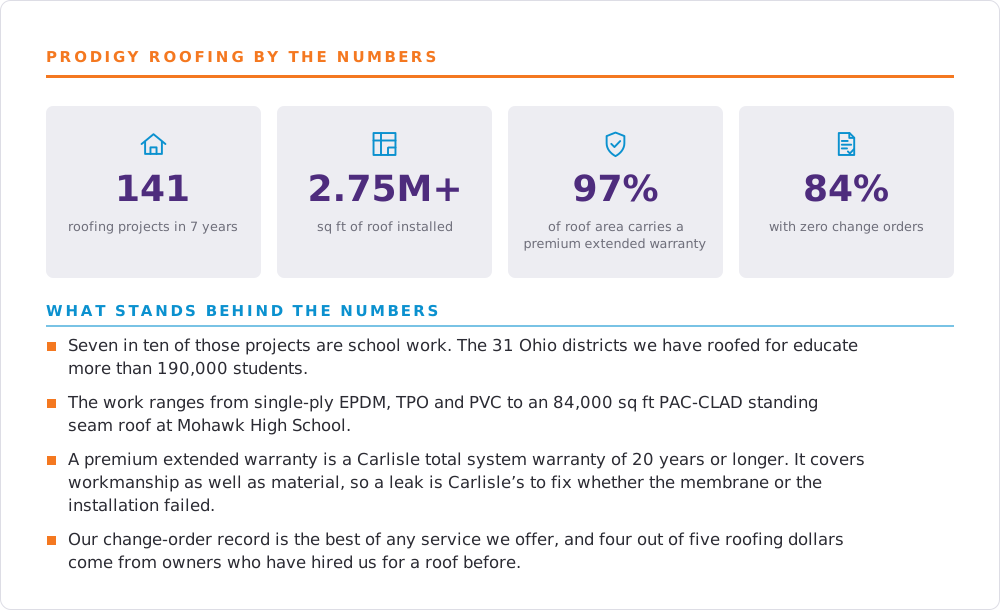
78% of the roofs we sell have a 30-year warranty or longer — when a roof is engineered properly, decades more protection often costs surprisingly little.
Roofing Backed by In-House Engineering
Most roofing companies sell you a membrane. Prodigy engineers you a system. Our in-house engineers — rare in the roofing industry — design custom solutions with longer warranties and lower cost than typical field details, and our custom estimating software turns around budget numbers fast, so you know what a project costs before committing to engineering. EPDM, TPO, PVC, standing seam metal, shingle, and modified bitumen — matched to your building, not to what's on the truck.
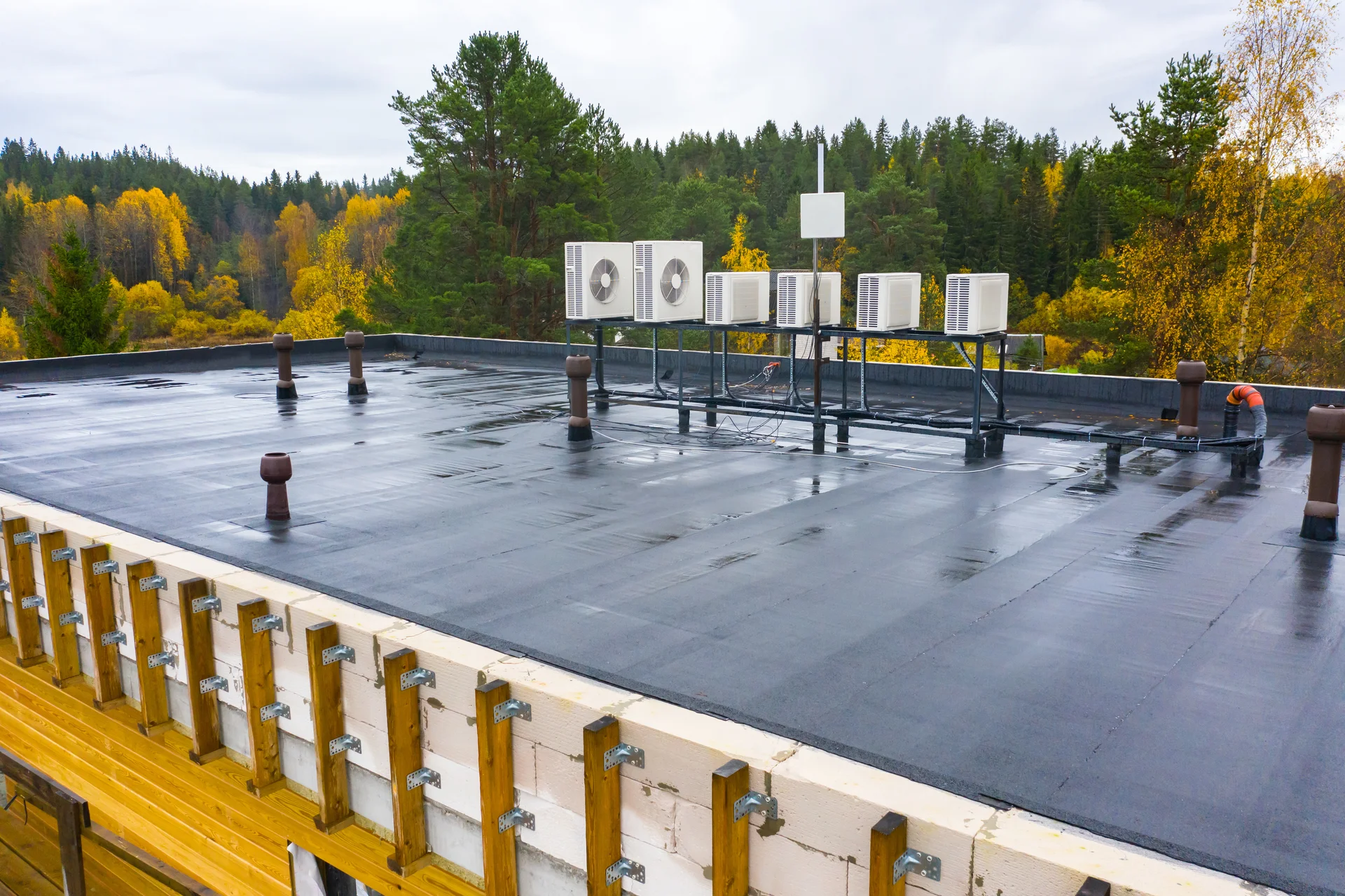
Why Ohio Organizations Choose Prodigy Roofing
Manufacturer credentials competitors tout — we hold them too. Prodigy is a Carlisle Authorized Roofing Applicator for the 30-Year Golden Seal™ Total System Warranty and a GAF Master Elite® contractor for the Golden Pledge® Warranty, and we offer 30-year warranties through multiple metal manufacturers including Petersen PAC-CLAD.
Engineering that pays for itself. Properly engineered, the difference between a 20-year warranty and a 30- or 40-year system is often only about 25% more cost — decades of additional protection for a fraction more.
We buy at the top of the chain. Roofing materials normally pass through a manufacturer, a rep, and a distributor — each adding margin — before a contractor marks them up again. Prodigy purchases major material directly, and the savings stay in your project.
Skin in the game. We invest our own engineering resources to develop your project — we don't get paid to design and walk away.
Fast, customized budgets. Our AI driven estimating software delivers budget pricing quickly, so you can plan before spending a dollar on engineering.
One accountable team. In-house engineers, in-house crews, a single project manager from first drawing to final walkthrough — and our subcontractors never carry second-tier subs.
Our Work
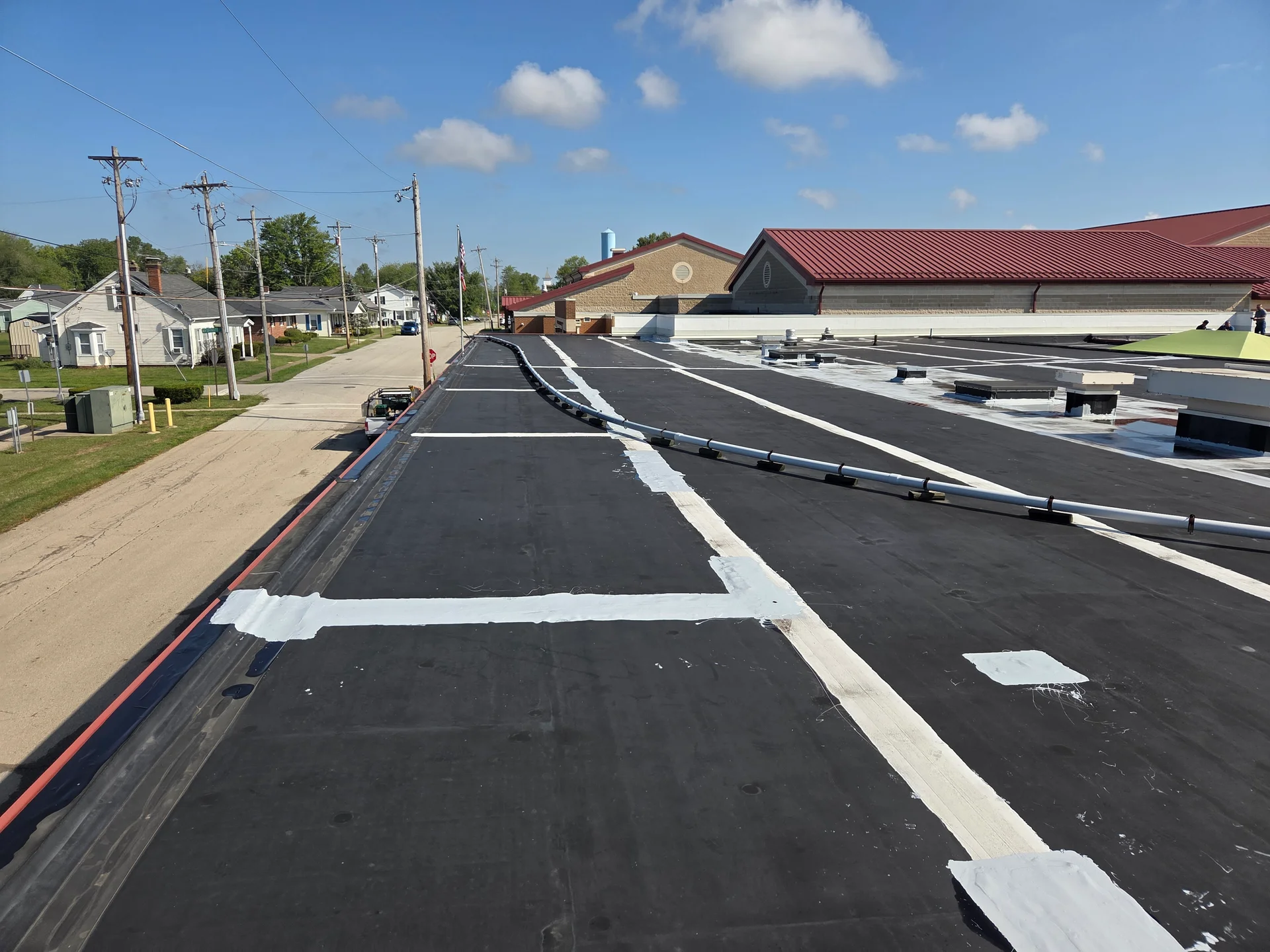
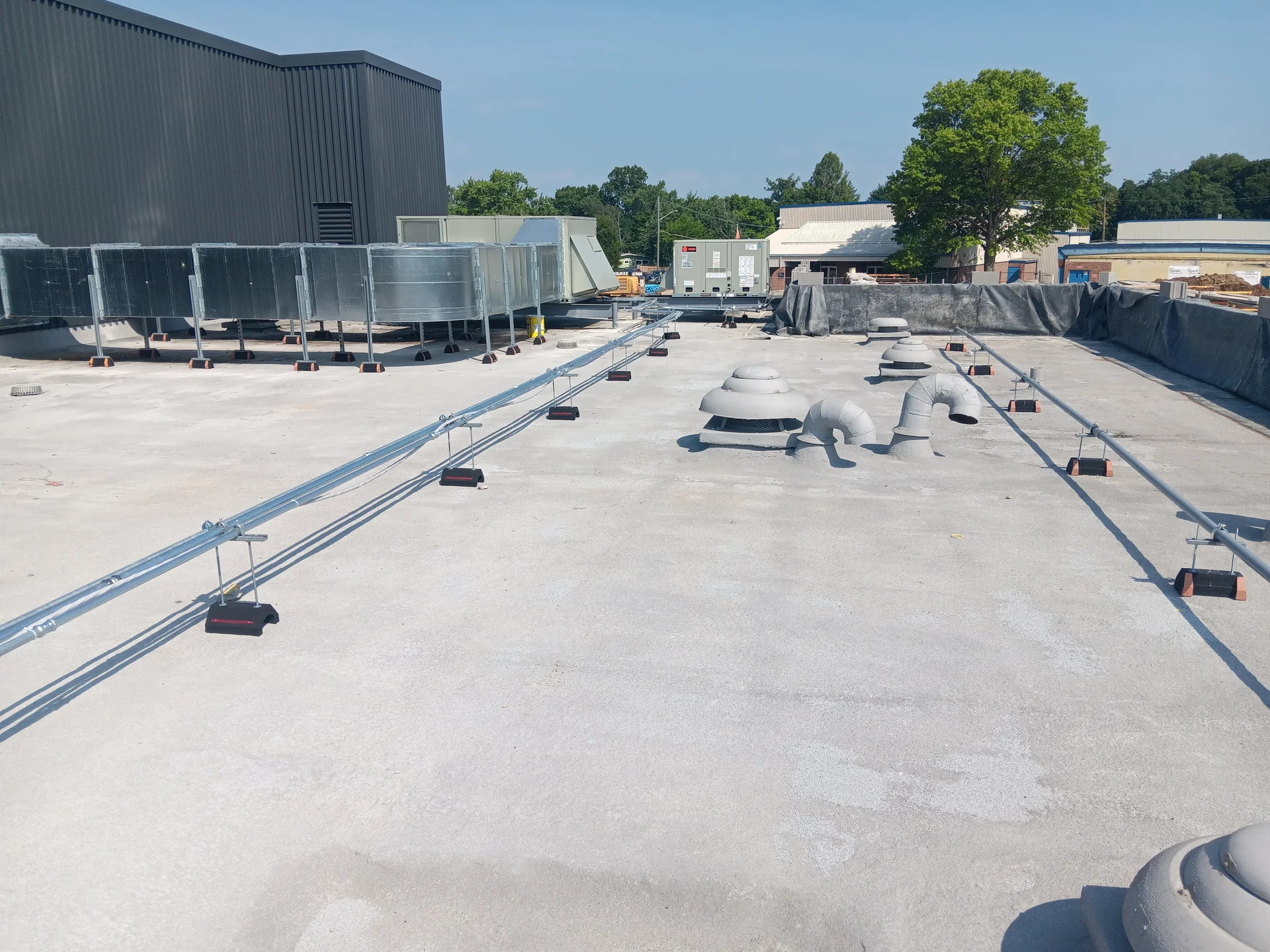
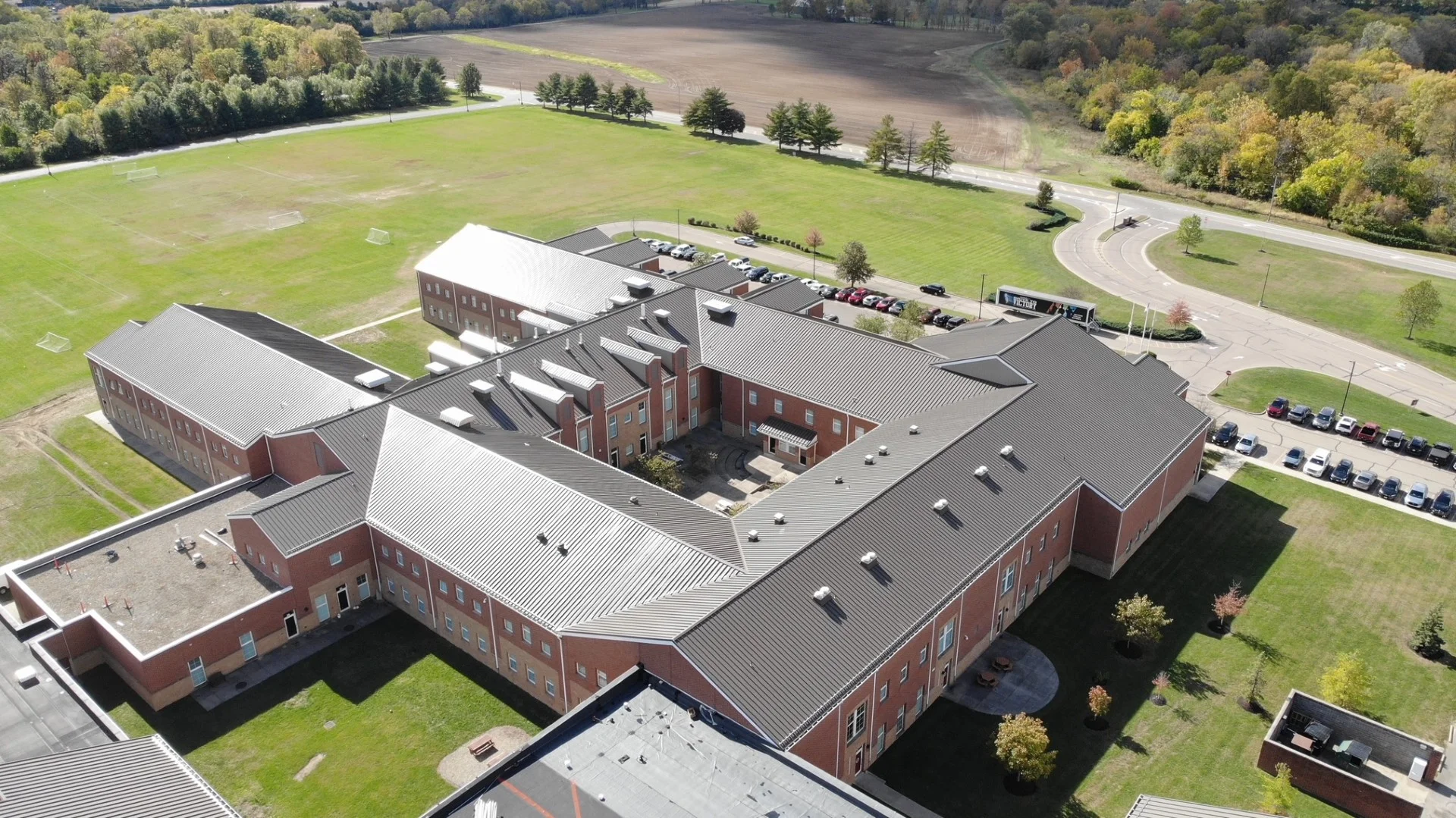
Roofing Projects
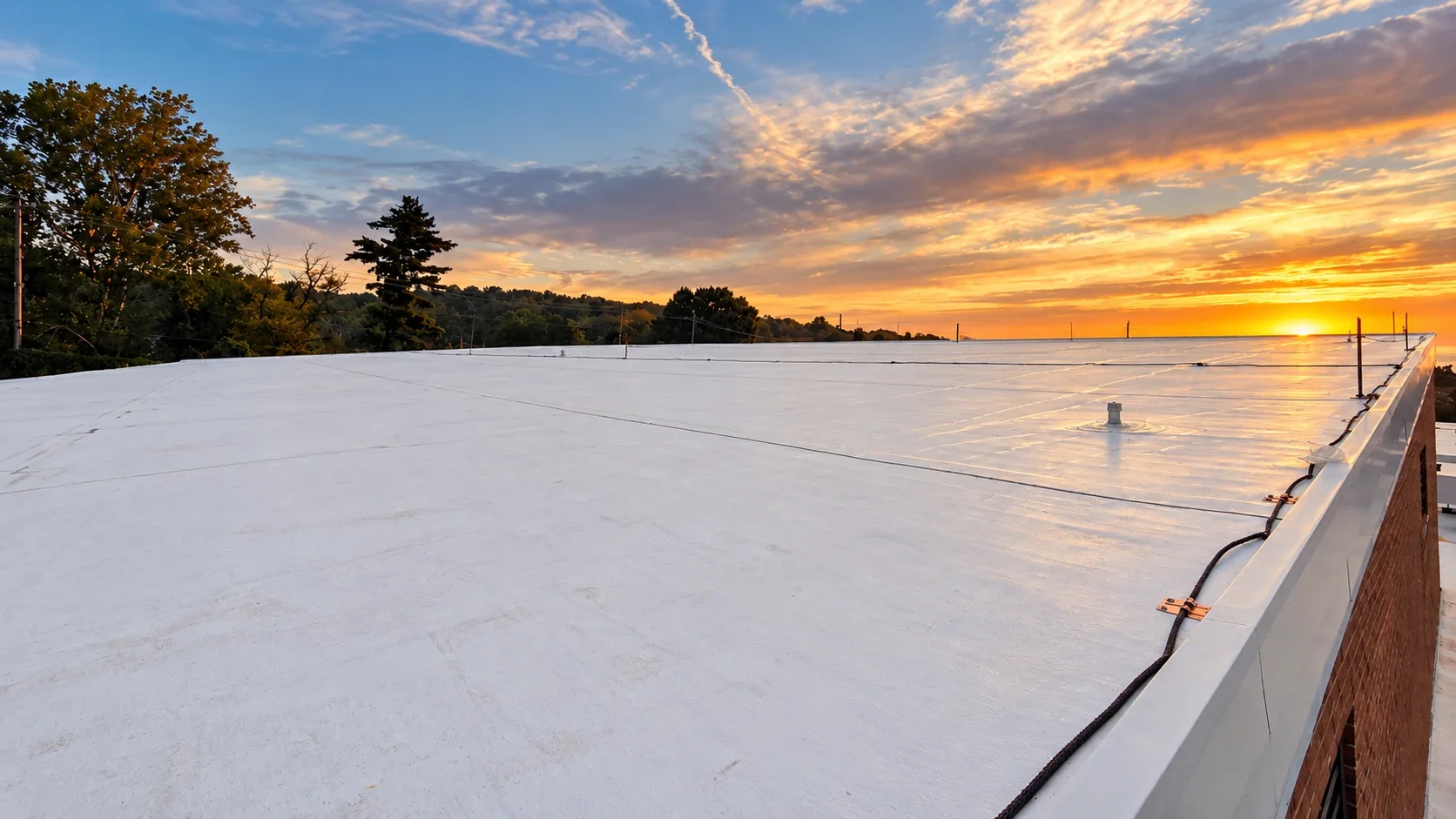
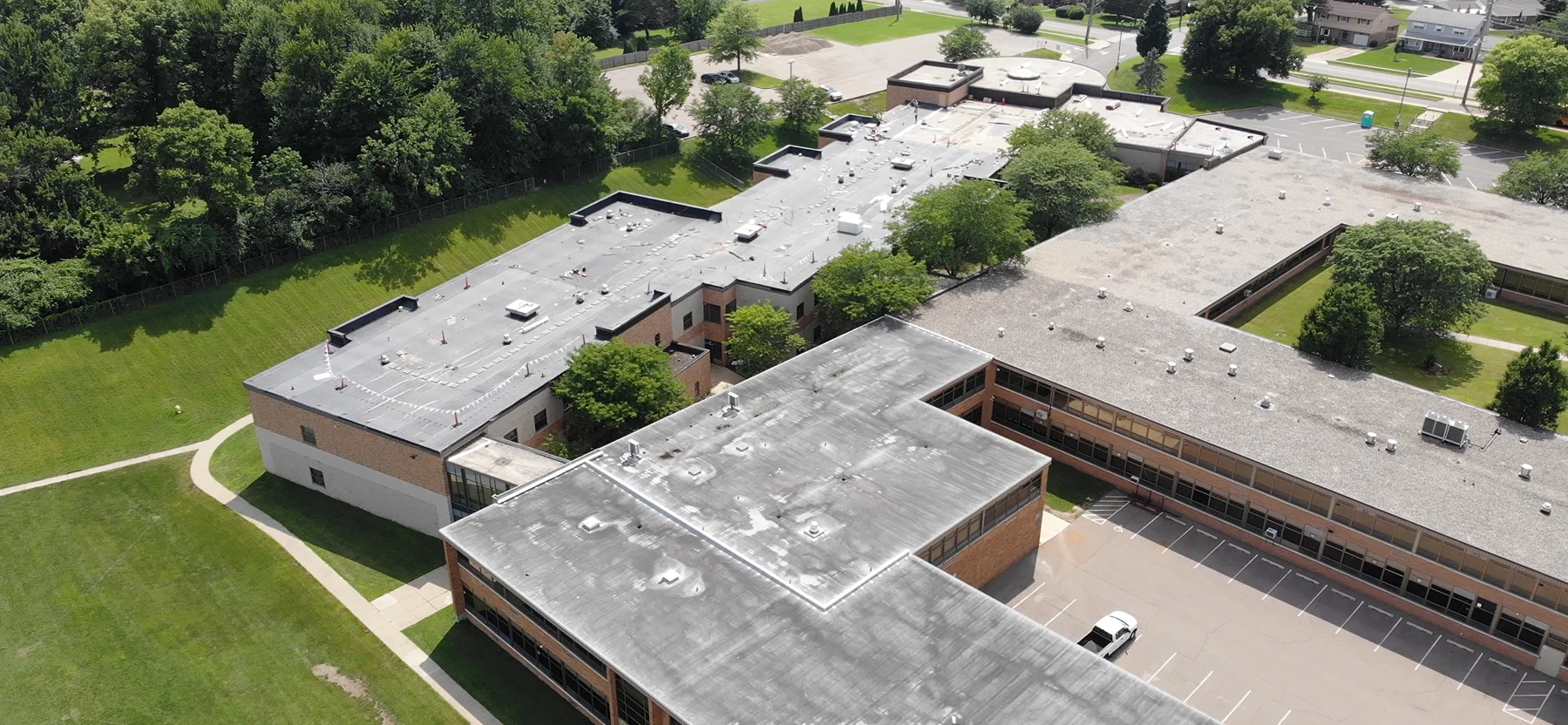
Roofing Considerations
The Decisions You'll Make — and How We Help You Make Them
A commercial roof isn't one decision; it's a series of them. Here's what we'll walk through together:
Warranty term (20 / 30 / 40 years) — the biggest value decision on the project. See the numbers below.
Roofing system — EPDM, TPO, PVC, standing seam metal, shingle, or modified bitumen, matched to your building's use, slope, traffic, and exposures.
Insulation and R-value — energy code compliance and long-term utility costs are set at the roof, not after.
Drainage — standing water shortens any roof's life; tapered insulation and drainage corrections get designed in, not discovered later.
Attachment method — adhered, mechanically fastened, or ballasted, driven by your deck, wind exposure, and warranty requirements.
Replace or restore — sometimes a full tear-off isn't the right answer yet. We'll tell you straight (see below).
Details and terminations — edge metal, penetrations, walk pads for service traffic, and the flashing details where roofs actually fail.
The Warranty Math
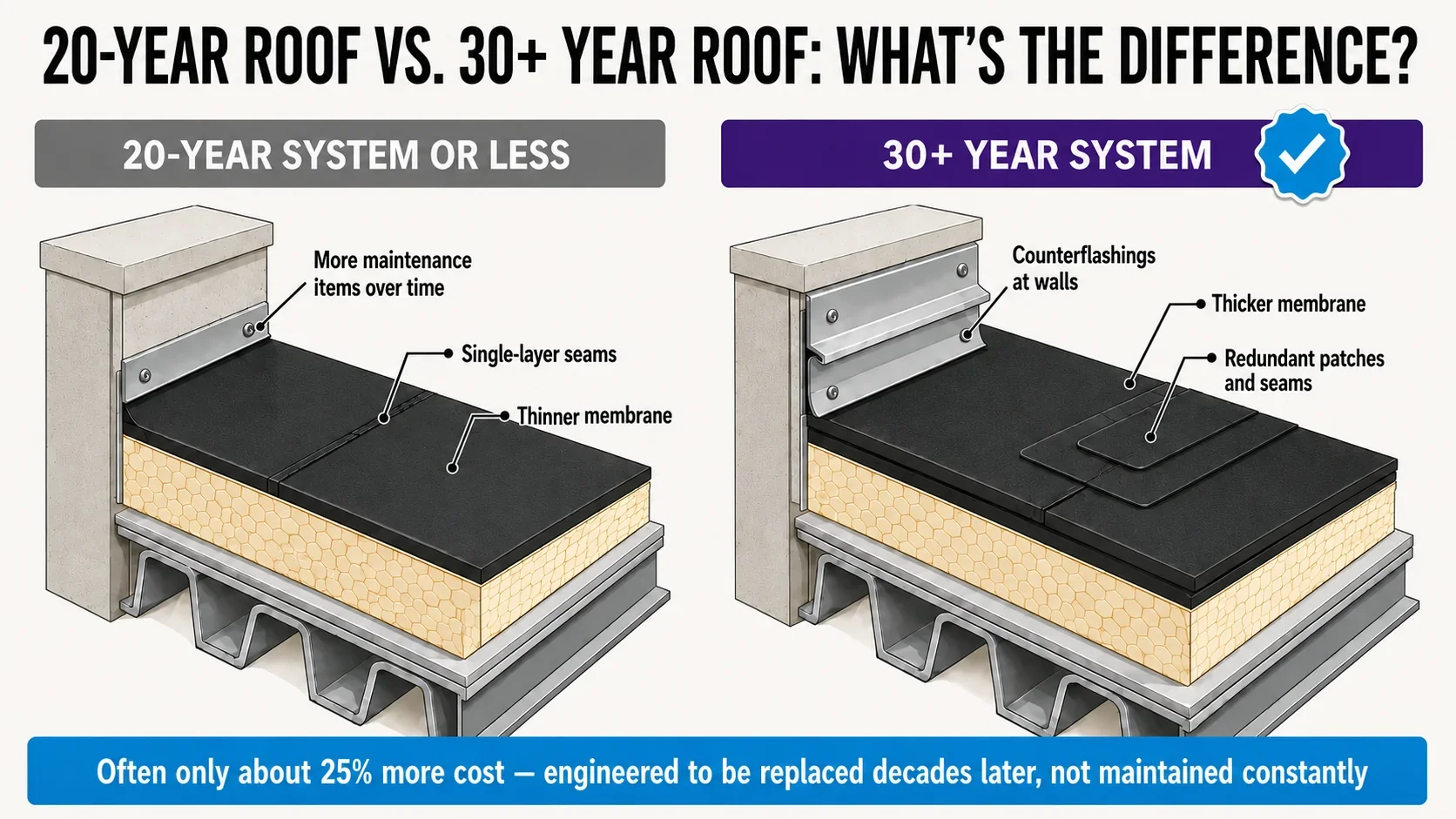
Here's the number that surprises nearly every facility owner: engineered properly, moving from a 20-year warranty to a 30- or 40-year system often costs only about 25% more. That's decades of additional watertight protection — and one or two fewer roof replacements over your building's life — for a modest premium. It's why 78% of the roofs we sell carry a 30-year warranty or longer. It isn't an exact science — some buildings cost more to take to 30 or 40 years than others — which is exactly what the engineering study determines before you commit to anything. Our in-house engineers make that math work by designing the details right the first time, rather than paying for premium warranties through field improvisation.
Where the Savings Come From
Roofing carries the same hidden cost structure as the rest of commercial construction. Materials pass from the manufacturer through a rep firm and a distributor — each layer adding margin — before a subcontractor marks them up and a general contractor marks up the total. Four or five layers of markup before the owner sees a bill, all perfectly legal, because the final number was competitively bid.
Prodigy removes those layers. We engineer in-house, so no design fee and no rep-written specification. We purchase major material directly, at the top of the chain. And our subcontractors are not permitted to carry second-tier subs. The result is a better-engineered roof at a price the traditional model can't reach — with the savings reallocated where they belong: into the system, the warranty, and your budget.
Thinking About a Roof Coating?
Coatings are marketed as the budget way to extend a roof's life, and they usually come with a warranty — which sounds reassuring until you look at what the warranty does and doesn't do. A coating coating typically improves the UV rejection but it doesn't make the roof watertight. If there is a leak, the warranty repairs the roof where it leaks but it doesn't clean up the ceiling tiles, the flooring, or the classroom underneath when a leak comes through anyway. You get the repair; you also get the mess.
Two more costs rarely mentioned in a coating pitch: coatings themselves are expensive — this isn't a cheap fix versus an expensive one, it's two significant investments with very different outcomes. And a coated roof costs more to tear off when replacement day finally comes, because the coating has to come off with it. You pay extra now, and again later.
Prodigy's restoration alternative typically runs only about 30% more than a coating — and it carries a 20-year watertight warranty. Watertight is the word that matters: not a promise to patch the coating after water gets in, but a system engineered and warranted to keep it out. For many buildings, that's the difference between buying a warranty and buying a dry building.
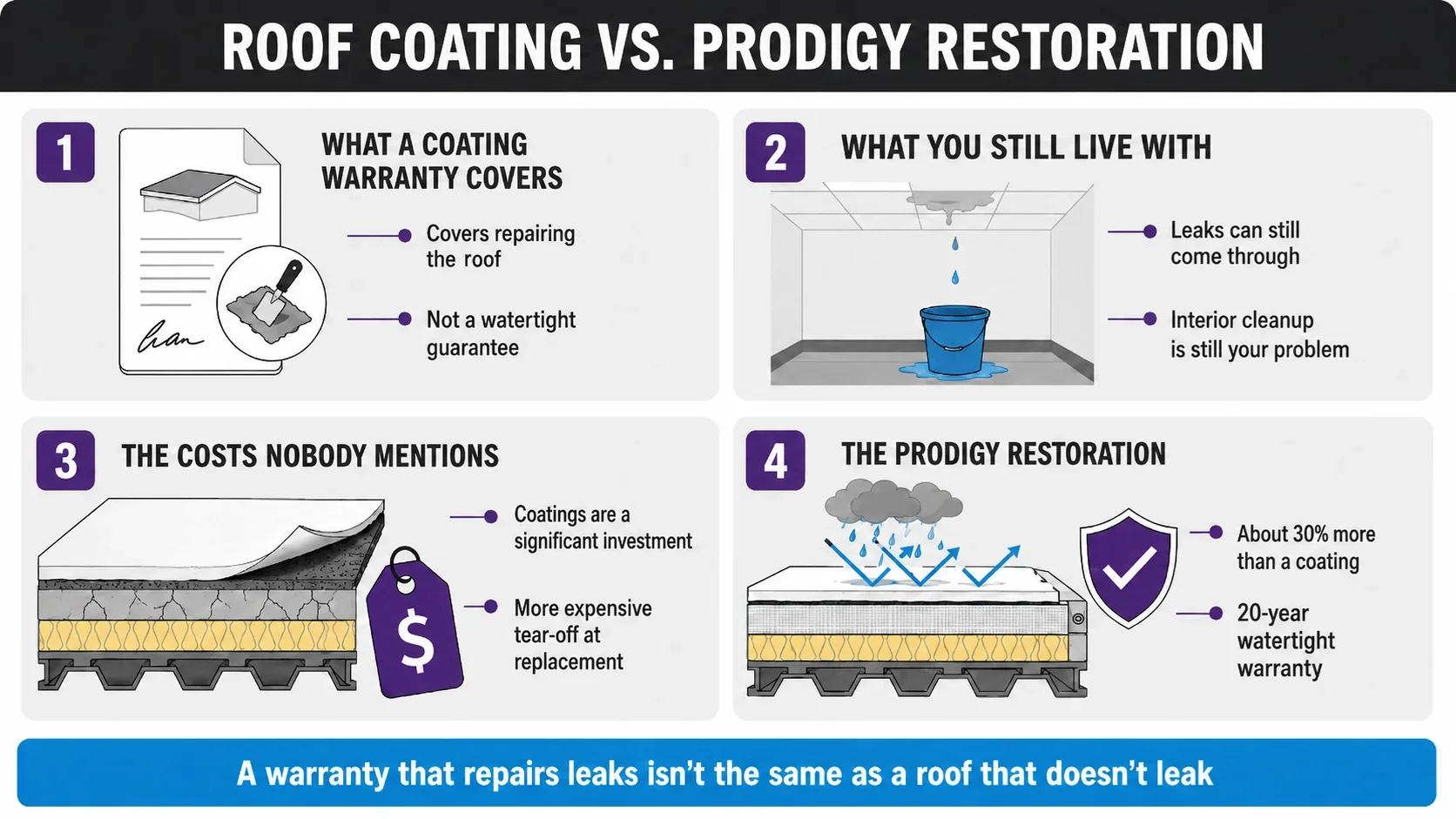
A warranty that repairs leaks isn't the same as a roof that doesn't leak" — is the whole argument in one sentence, and it's the kind of line a school board member repeats in a meeting.
Our Process: From "What Will This Cost?" to Project Binder
Capital planning & budgeting. No replacement schedule for your roof sections? We'll help you build one — which sections, in what order, by what date — so roofing becomes a plan instead of an emergency.
Engineering study. Before designing anything, we analyze your options and everything connected to the roof: walls that may need tuckpointing, ventilation, standing water, structural considerations, drainage, nearby trees. You receive an engineering report with our recommendations.
Procurement planning. We help define bid requirements beyond cooperative purchasing requirements, so your procurement is right for your agency.
Financing structure. If needed, we help structure project financing — including options built for public agencies.
Final engineering & proposal. Once design decisions are agreed, we complete final engineering and present a firm proposal.
Single-point project management. One project manager runs the entire job — one call, one accountable person, start to finish.
Project binder. At completion you receive a full binder: warranty documents and everything your team needs for the decades ahead.
Frequently Asked Questions
How fast can we get a budget number?
Fast — our custom estimating software was built for exactly this. You'll have a realistic budget figure before spending anything on engineering, so you can plan capital with confidence.
Which roofing system is best for our building?
It depends on the building — the straight answer most contractors won't give. Flat school and office roofs often favor EPDM; kitchen exhaust zones favor PVC; sloped, visible roofs favor standing seam metal. We covered the full comparison in our guide to how Ohio schools choose roofing systems.
What do the manufacturer warranties actually cover?
The Carlisle Golden Seal™ Total System Warranty and GAF Golden Pledge® are premium, system-level warranties available only through authorized contractors — covering the full roofing system, not just materials. We'll walk you through terms, wind limits, and the maintenance each requires, in plain English, before you sign anything.
Can public agencies buy roofing through a cooperative contract?
Yes — Prodigy holds cooperative purchasing contracts that let Ohio schools, cities, and counties procure roofing through already-bid contracts. See how cooperative purchasing works.
Is a coating ever the right choice?
Sometimes — and when it is, we'll say so. But understand what you're buying: coating warranties typically cover the coating, not a watertight roof, so leaks — and the interior cleanup that comes with them — remain your problem. And a coated roof costs more to tear off later. Compare it against our restoration option first: for about 30% more, a 20-year watertight warranty means the water stays out, not just that repairs are covered.