

Our Story
How Two People Who Spent Years Inside the Traditional Construction Process Set Out to Build a Better One
Prodigy Building Solutions was built by people who had already worked every side of a construction project: for the manufacturer, for the representative writing the specification, and beside the owner trying to make a budget hold. What they learned was that the price of a project is mostly decided by the structure of the process, long before anyone submits a bid. Prodigy exists to change that structure: understand the design, understand the supply chain, create real competition on material and labor, and take responsibility for the result.
Where we started
Prodigy began with two founders who had spent years on public-sector work, much of it with local school districts. The early projects were about energy: lighting retrofits and other conservation work whose whole purpose was lowering a district's operating cost. That focus never left. From the first project, the question was not "how do we build this?" but "how do we get this owner the most for the money they have?"
Oak Hills Local School District was one of the first districts to trust the approach, and the relationship became the proving ground for everything that followed.
What we learned on the other side of the fence
Part of our team came from the manufacturer and representative side of the industry. On that side, the job is to get your product written into the specification, because once it is the basis of design, the sale is mostly made before bid day. Those years taught us exactly how a specification gets narrowed, how distributor credit ties an installer to one supply house, and why three sealed bids can all carry the same uncompeted equipment price.
We also saw what that does to owners. A business manager takes a planning number to the board, gets it approved, designs the project, and watches the bids come in far above it. Then the scope shrinks, the approval process starts over, and nobody in the chain is quite responsible. Most of the people in that chain are doing exactly what their business model asks of them. The structure is the problem, and the owner is the one who pays for it.
Bringing private-sector efficiency to public work
In the private sector we had watched a different approach work. Owners who controlled their own design, bought major materials directly, and bid labor on its own consistently got better buildings for less money. The hard part was bringing that to a school district or a city, where the law defines how construction can be purchased.
That took years. We built architecture and engineering in-house so product selection happens with cost on the table instead of after the design is frozen. We developed direct relationships with manufacturers so we can put an application in front of several of them and let them compete. We learned to buy major material ourselves and pay cash, which frees us from the supplier-credit loyalty that keeps installers from shopping. And we structured all of it to run through legal, competitively established, audited procurement paths, including cooperative purchasing contracts, so a public owner can use the process with confidence.
Why contractors like it too
We expected installers to resist having the material purchase taken away from them. Many preferred it. They did not have to finance the material, they carried less risk, and they could concentrate on the installation, which is the work they wanted in the first place. Competitive labor pricing got sharper, not harder, once material risk came off the table.
A budget number that holds
Our model starts before the board vote. We call it preliminary design, but it is detailed enough to put real cost behind the parts of the project that matter: what the building actually needs, how we would build it, what the equipment costs today, and what the labor market looks like. When a business manager takes that number to the board, the goal is that it is still the number at the end of construction.
After approval we complete the engineering, manage to that budget, and stay through closeout. K-12 schedules can come down to one summer window, and two weeks lost to submittals can be a meaningful fraction of it. Direct relationships let us make engineering decisions in the field without waiting on five organizations, and they let us call the responsible manufacturer or contractor directly when something needs fixing after the project.
Understand the design. Understand the supply chain. Create real competition. Take responsibility for the result. That is the whole company.
Aligned interests
Everything above comes down to one idea: our interests should be the owner's interests. We have no reason to write a specification only one manufacturer can win, because we are not the manufacturer. We have no reason to guess low and reconcile later, because we carry the number through construction. We have no reason to disappear at closeout, because in the school world people move between districts and talk to each other, and our business has grown almost entirely through those referrals.
We can give any prospective client other districts to call. Ask them whether what we say here is true.
In their words
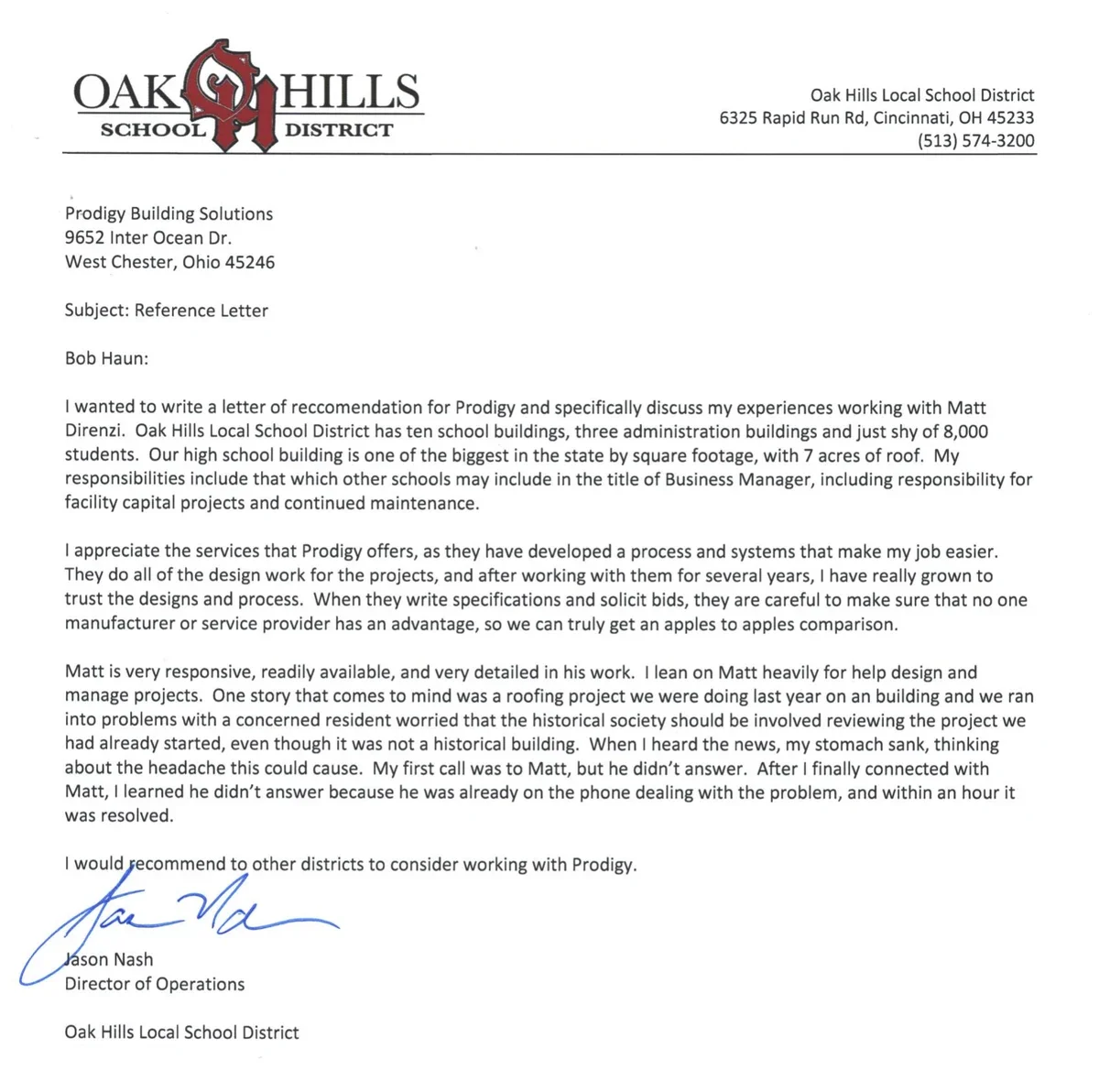
Jason Nash, Director of Operations for Oak Hills Local School District, wrote to us after several years of projects together. He describes a process that makes his job easier, designs he has grown to trust, and specifications written so that no single manufacturer or service provider has an advantage. The letter is reproduced below. For a closer look at how that vendor-neutral process works, read Three Bids, One Price.
LATEST POSTS
From Our Resource Center
Milford EVSD Pavement & Parking Lot Renovation 2026
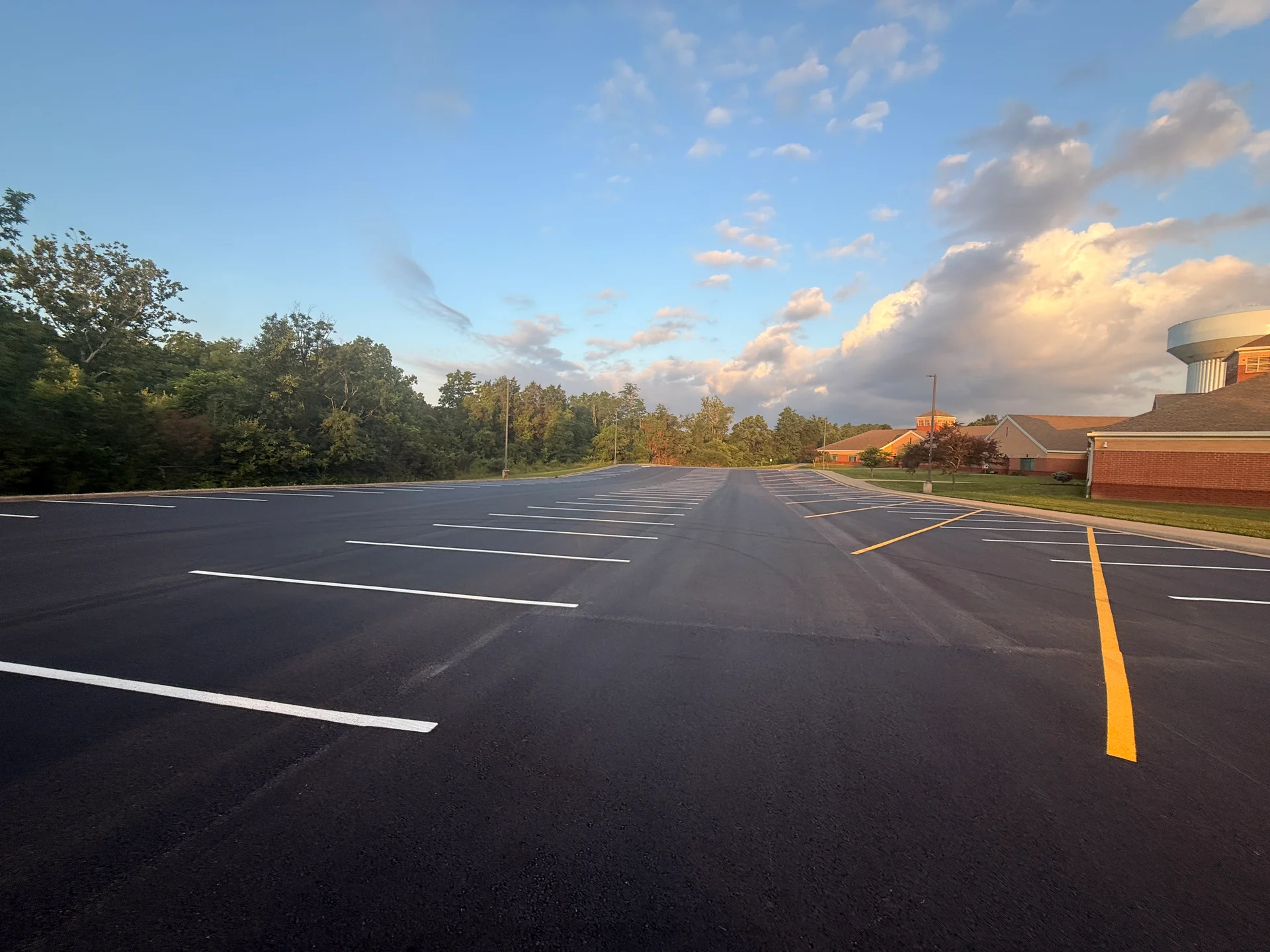
Two elementary schools and the district's Transportation Office in Milford came back from summer break with smooth, freshly striped asphalt and water that now goes where it should. For the Milford Exempted Village School District, Prodigy Building Solutions planned and delivered one paving and drainage package across three sites: Mulberry Elementary, McCormick Elementary and the Transportation Office. The work covered asphalt milling and resurfacing, full-depth base repairs, new trench drains with outlet piping, a perforated underdrain, rebuilt concrete catch basin collars, hot-applied crack s…
Wilmington Tennis Court Cleaning and Crack Repair 2026
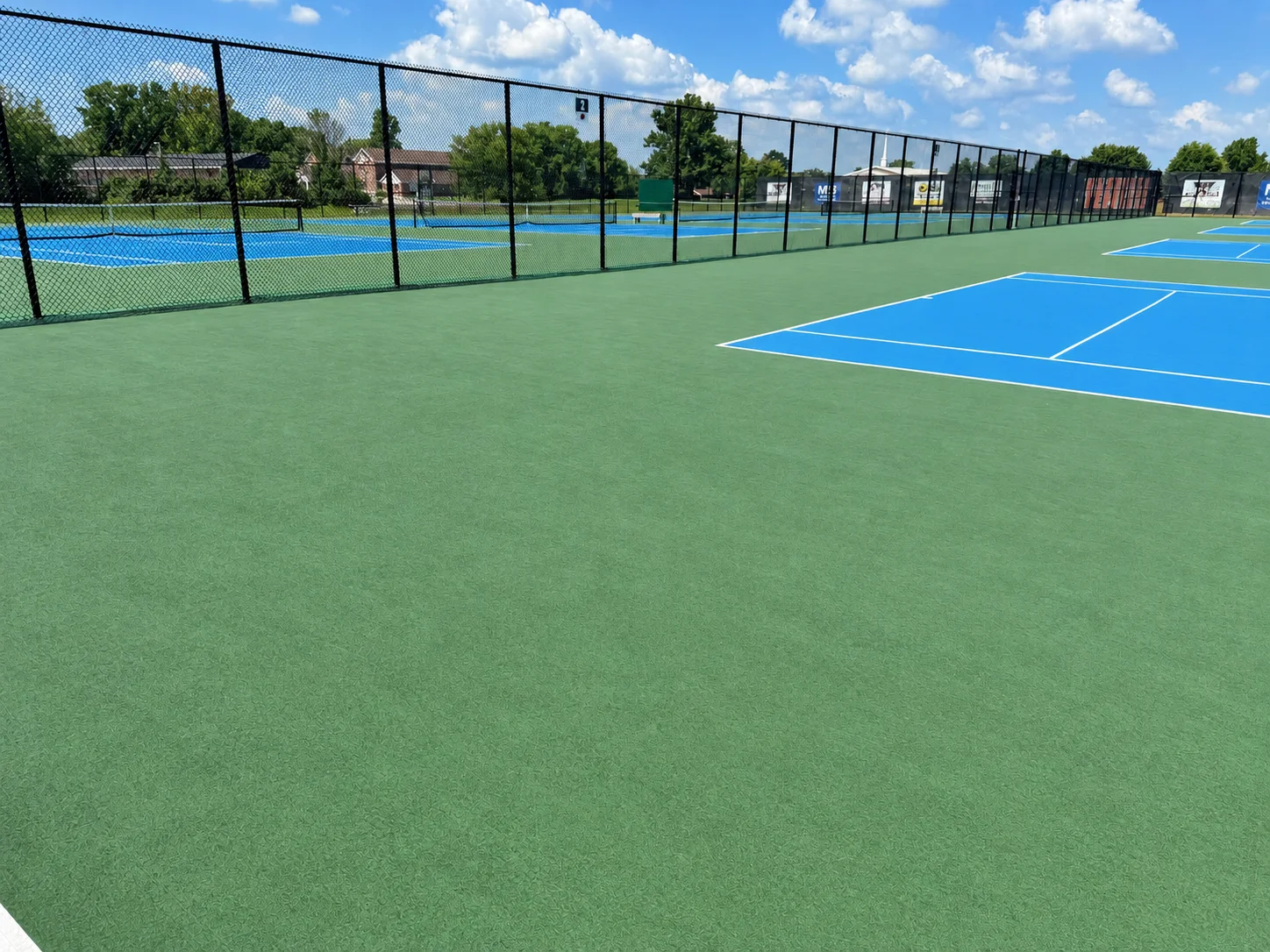
The ten tennis courts at Wilmington High School went into the 2026–2027 school year clean and sealed. For Wilmington City Schools, Prodigy Building Solutions delivered a two-part maintenance package for the whole tennis complex: every court was scraped and pressure-washed to strip away the mold, mildew and ground-in dirt that had dulled the color coat and made the surface slick, and the cracks across the courts were filled with acrylic crack filler to keep water out of the pavement below. Courts that sit in the shade of trees and fences, or that stay damp after rain, grow a film of mold and al…
Three Bids, One Price: How the “Basis of Design” Quietly Narrows Competition on School HVAC Projects
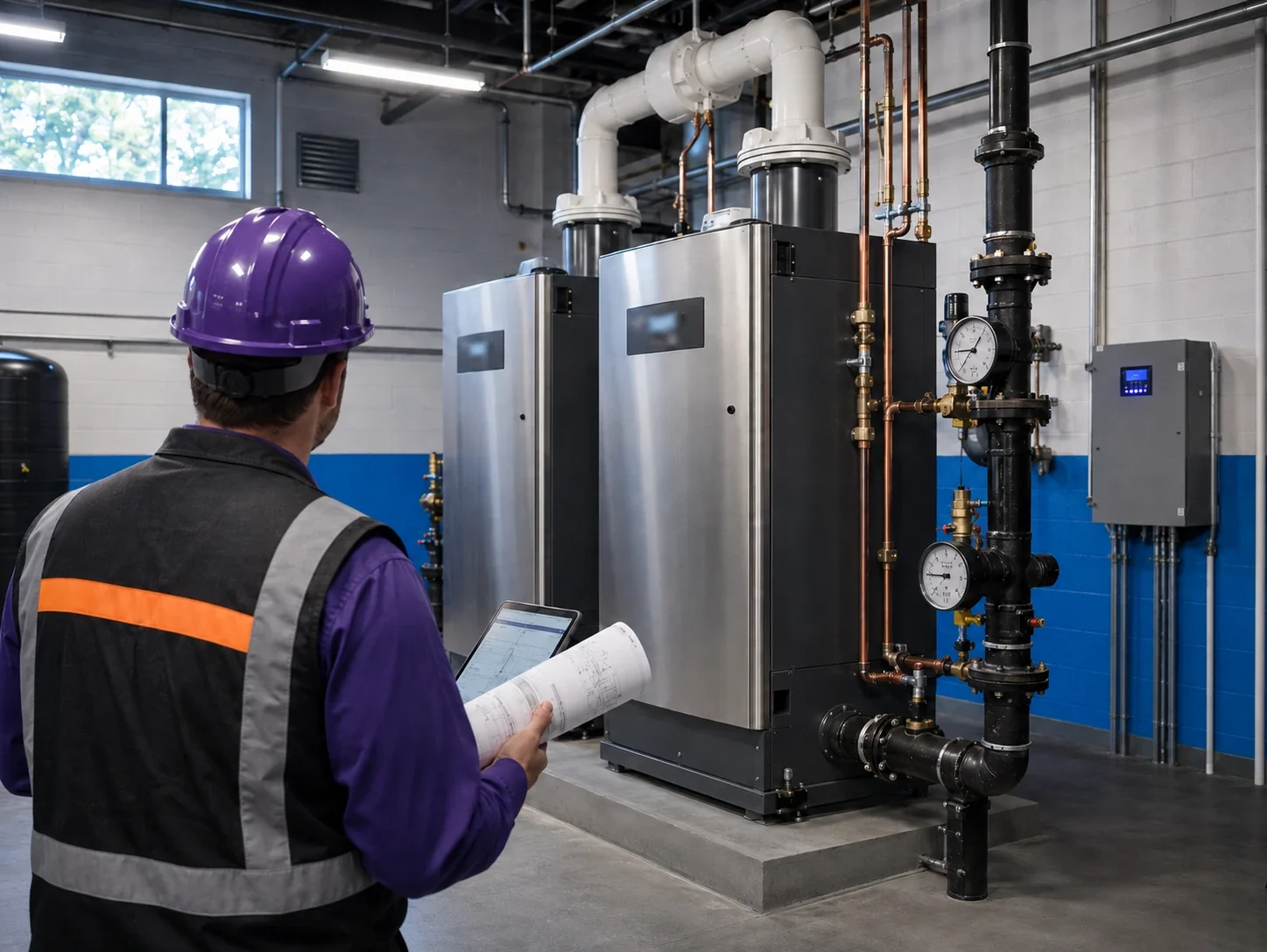
Public owners see three sealed bids and reasonably assume the market has spoken. But on most plan-and-spec projects, the single largest line, the specified equipment, was decided before pricing ever existed, and it rides through all three bids untouched. Prodigy's in-house engineers put the application out to competing manufacturers, buy the equipment directly, and bid the labor on its own, so every dollar in the budget number is actually competed.
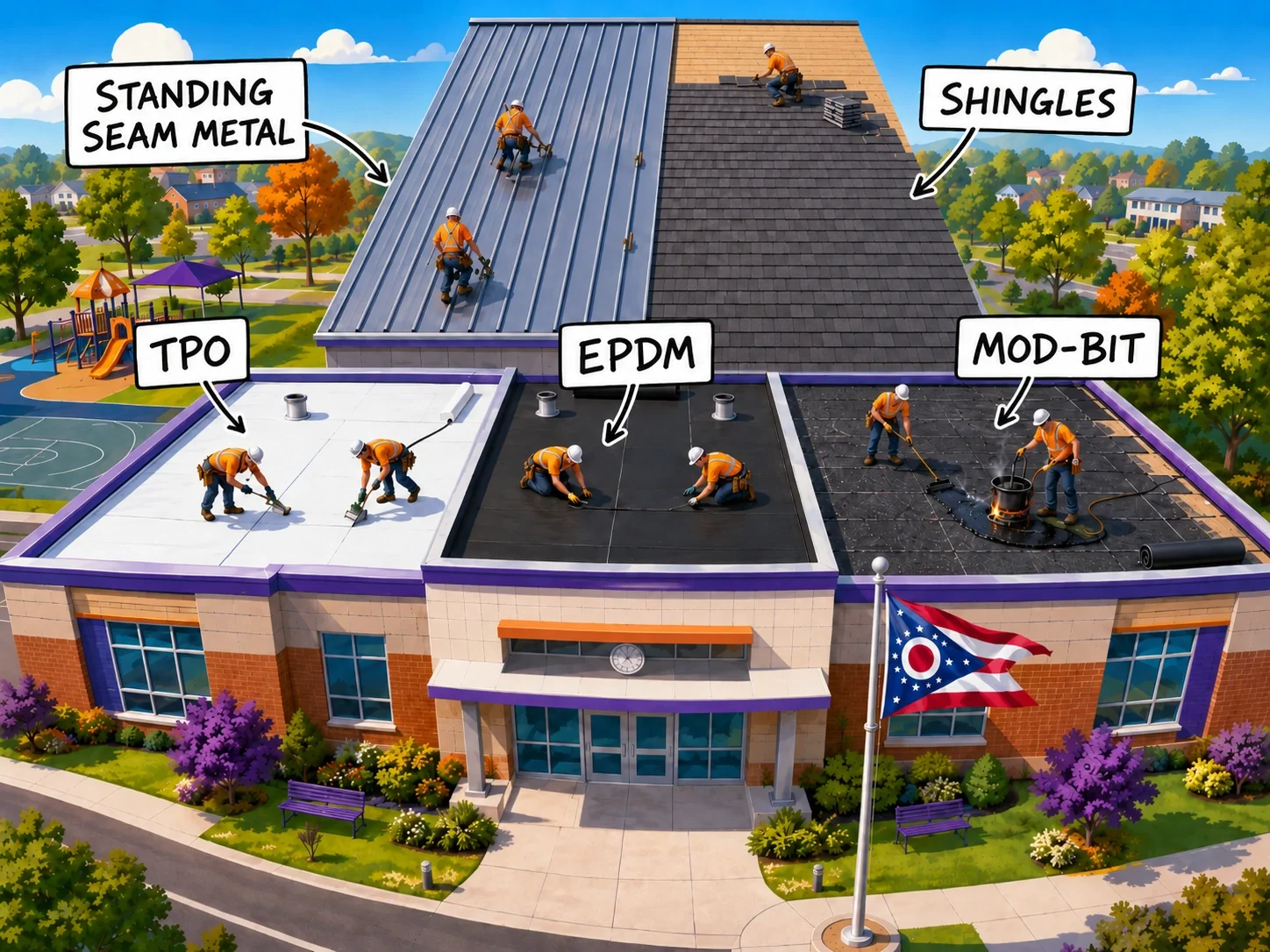
How Ohio Schools Choose the Right Commercial Roofing System
EPDM, TPO, PVC, metal, and mod-bit — matched to Ohio's climate, school budgets, and the maintenance crew's Tuesday afternoons.Most roofing specs are written by engineers who don't work in schools — which is how districts end up paying premiums for systems whose hidden maintenance costs surface years later. This guide walks through how Ohio's extreme freeze-thaw cycling should drive system selection, why two "30-year warranties" can differ by six figures in upkeep, and how EPDM, TPO, PVC, standing seam metal, and modified bitumen each earn their place — section by section, not one-size-fits-all…