
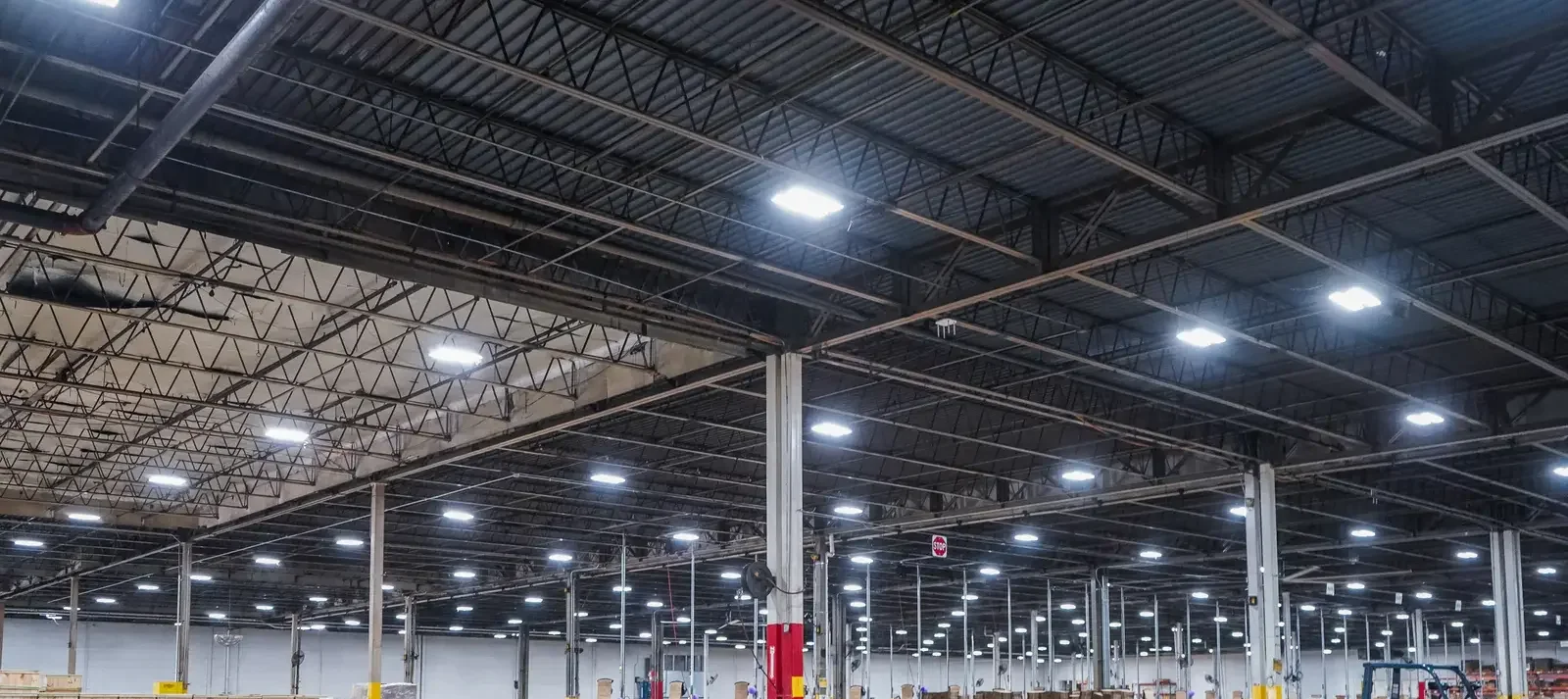
Lighting Designed for the Space, Not the Socket
Classrooms, gyms, theaters, stadiums, and parking lots — engineered to the light levels people actually need, installed by our own crews.
Most Lighting Projects Replace Fixtures. Ours Light Spaces.
The typical lighting proposal looks at your existing fixtures and quotes a one-for-one LED swap. It's fast, it's cheap — and it locks in every mistake the original design made, or worse, cuts your light levels below what the space needs. Prodigy designs the other way around: we start with the space and its use, model the light levels in 3D, and engineer a solution that delivers the right light — then we install it with our own in-house crews. Better learning environments, real energy savings, and light levels that actually meet the standards.
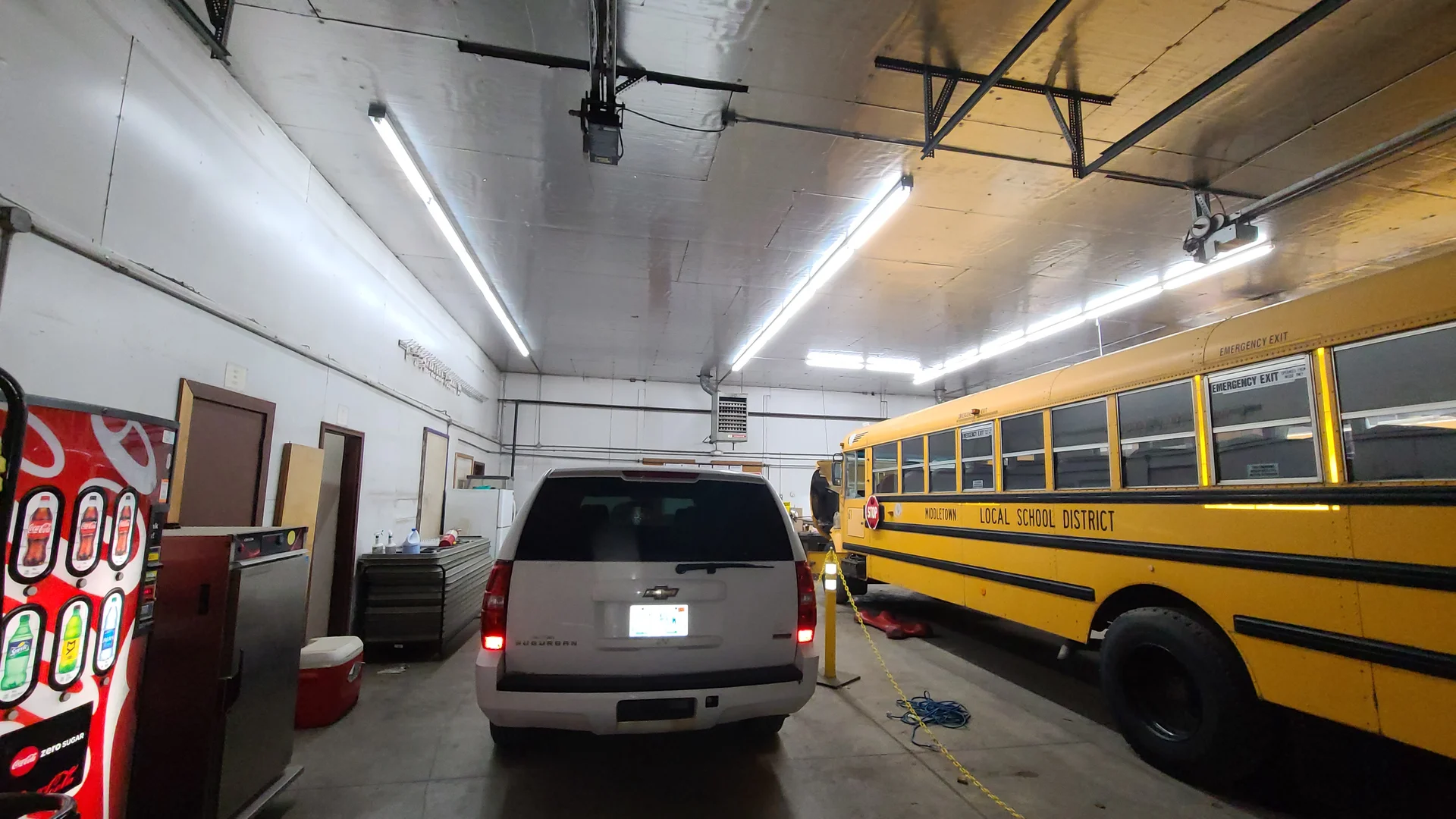
Why Ohio Organizations Choose Prodigy for Lighting
In-house lighting engineering. We design and photometrically model every project in-house — so rare in this industry that other contractors have hired us to do their lighting design.
In-house installation crews. Most companies subcontract lighting labor and mark it up. Our own crews do the work, which means tighter control, consistent quality, and accountability on every fixture.
Direct manufacturer purchasing. We buy lighting at the top of the supply chain, eliminating the layers of rep and distributor markup built into typical proposals.
Light levels first. Energy savings justify the project — but correct light levels are what your students, staff, and athletes live with. We engineer to the standards, not just to the utility bill.
Full-scope capability. Indoor, outdoor, gymnasium, theater, stadium, and parking lot lighting — with dimming and controls designed in, not bolted on.
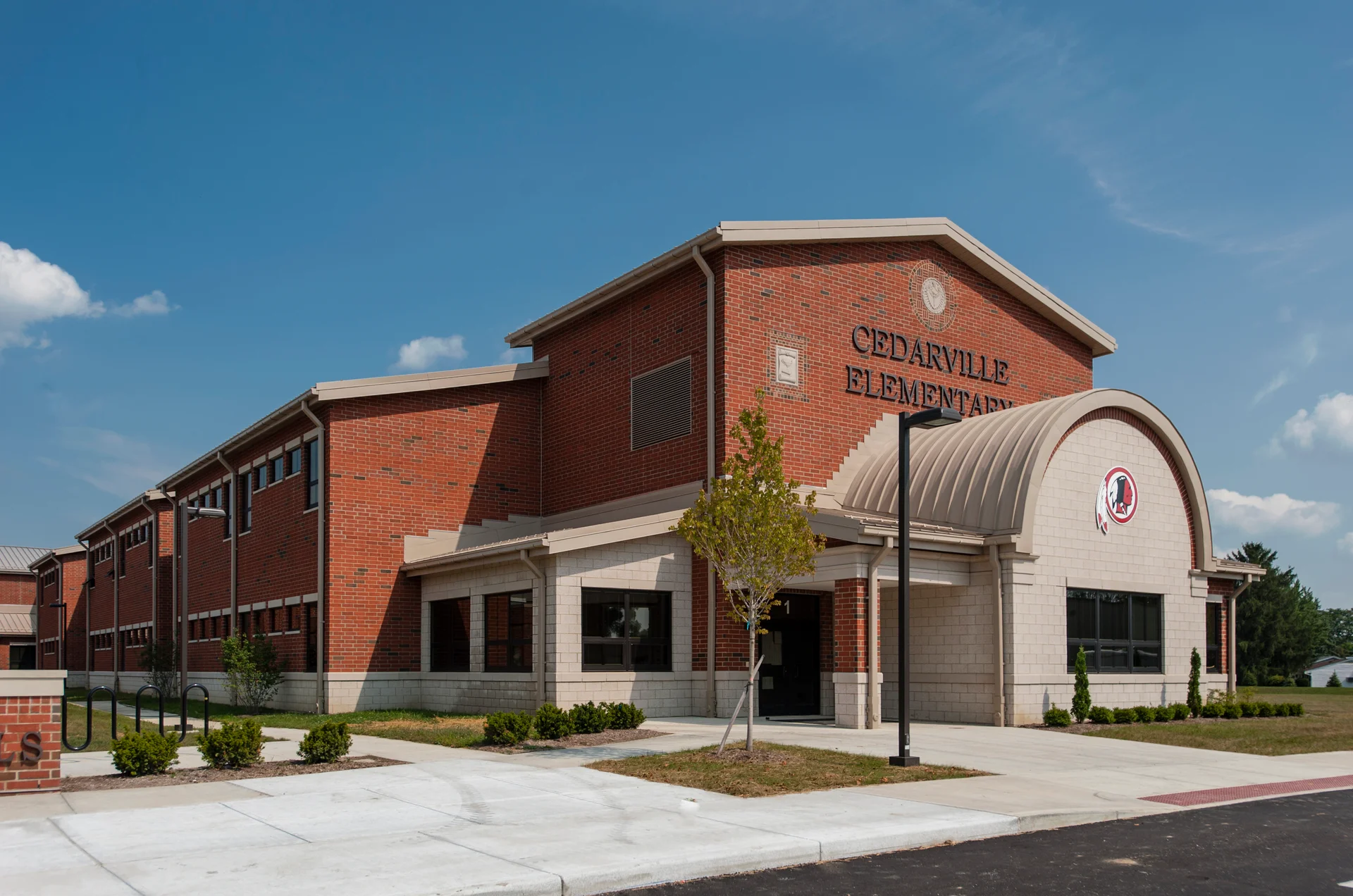
Lighting Engineering Discussion
The Light-Level Problem Hiding in "Energy Savings"
Here's what most lighting proposals never mention: industry standards recommend roughly 50–70 foot-candles of light in a classroom, and Ohio's school facility standards set minimums well above what many aging classrooms actually measure. We've metered classrooms sitting in the mid-20s — half the recommended level — with students expected to read, test, and stay alert in them.
Light levels aren't a comfort preference. Research has linked better classroom lighting to improved learning and test performance, and better-lit buildings to improved attendance — which, in Ohio, connects directly to state funding tied to students in seats. When light drops too low, attentiveness falls fast. Energy savings drive the budget conversation, but light levels are what the building's occupants live with for the next twenty years.
That's why our design process starts with the space: what happens in it, what light it needs, and what it measures today. We build a 3D photometric model of the existing room and the proposed design, and we show you both — so decisions get made on evidence, not on a fixture count.
The Cheap LED Proposal — and What It Actually Costs
The LED transition created a race to the lowest price, and that race produced a generation of lighting projects that saved energy by quietly cutting light. The patterns we see over and over:
One-for-one tube swaps that replace a 2,700-lumen fluorescent lamp with a 1,400-lumen LED tube — a 47% cut in light, sold as a 57% cut in energy. The savings are real; so is the darkness.
Directional LED tubes in indirect fixtures — fixtures designed to bounce light off a reflector get tubes that aim all their light the wrong way. The room ends up dim and shadowed, and the "sample classroom" mysteriously becomes unavailable for viewing.
One fixture for every room — a single replacement model applied building-wide, over-lighting some spaces, under-lighting others, with payback math built on wattage assumptions nobody field-verified.
Barely-better LEDs — products a few percent more efficient than good fluorescent, with a shorter rated life, sold on a payback that doesn't survive arithmetic.

We've been called in after these projects to "come fix the lights" — and the plain answer is that fixing them means spending the money again. The least expensive lighting project is the one engineered correctly the first time.
What We Design and Install
Classroom and office lighting — flat panels and troffers engineered to standard light levels, with dimming where it serves the space
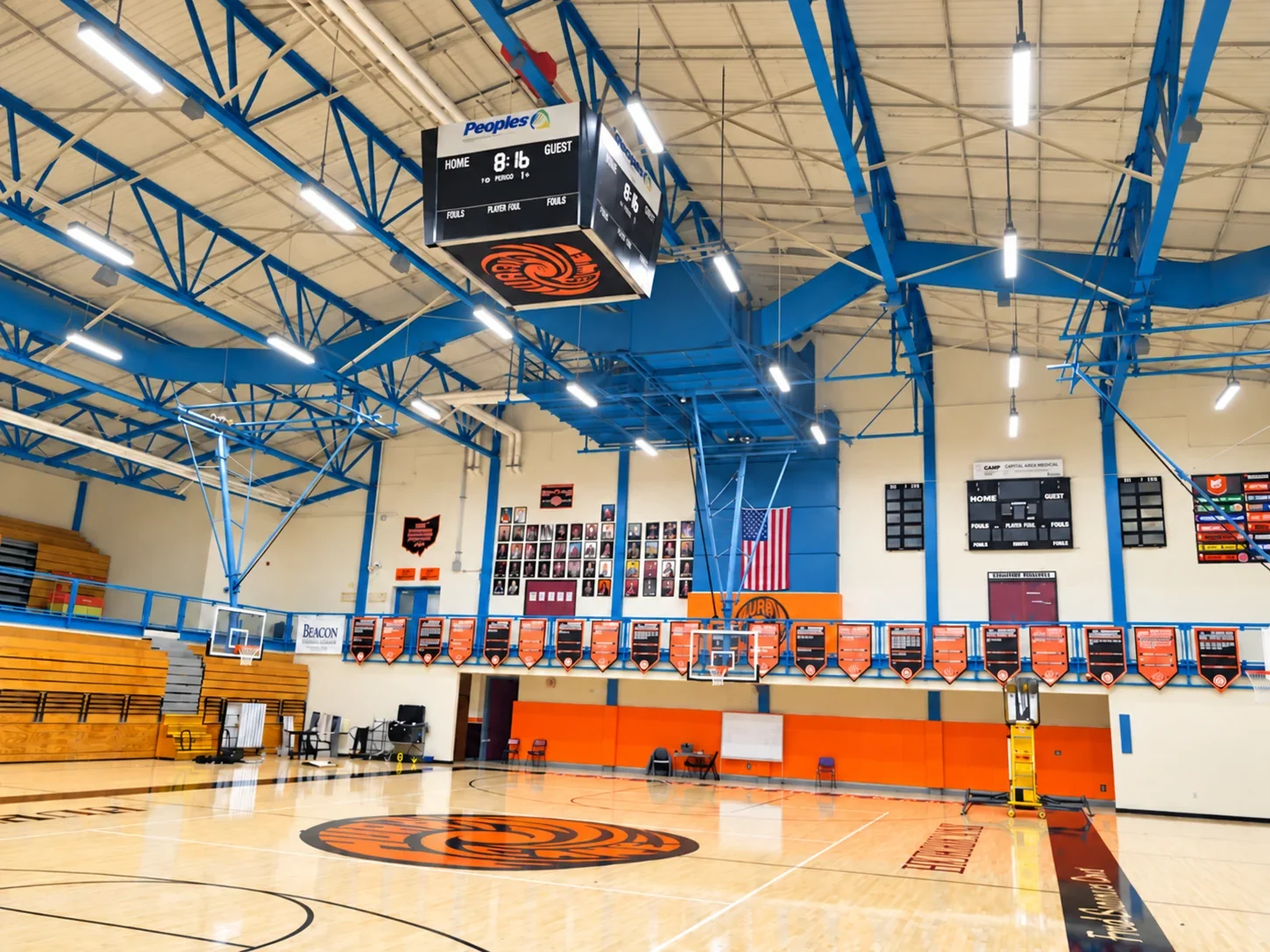
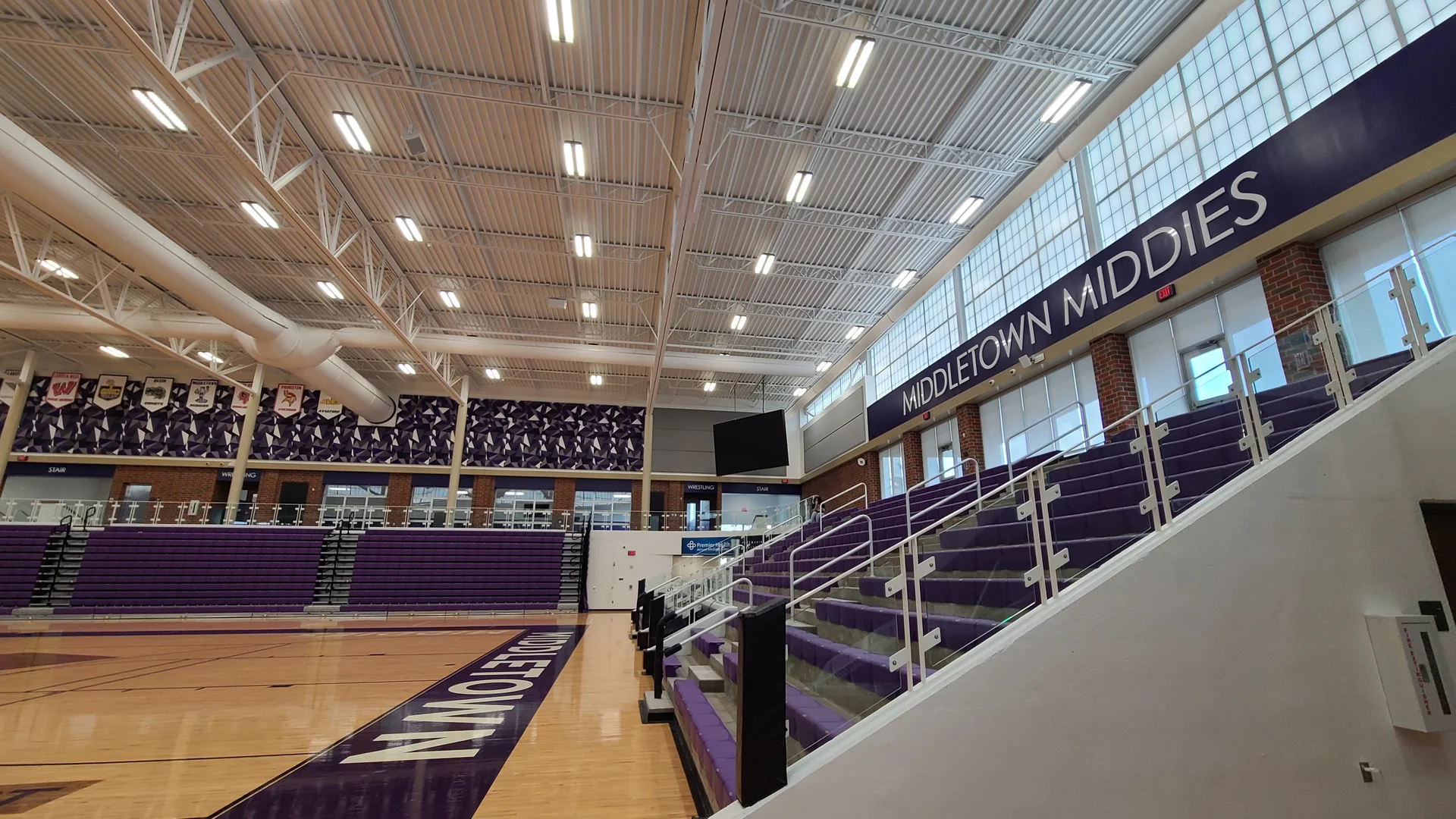
Gymnasium lighting — high-output, glare-controlled, and switchable for games versus practice
Theater and auditorium lighting — house and stage lighting as part of our full theater services
Stadium and athletic field lighting — designed for play, broadcast, and neighbors alike
Parking lot and site lighting — safety and security light where it's needed, dark-sky-conscious where it isn't
Controls and dimming — occupancy, scheduling, and zone control designed for how your staff actually operates the building
The Decisions You'll Make — and How We Help
Retrofit, replace, or redesign — sometimes new tubes suffice; often the fixture layout itself is the problem. The photometric model tells you which, plainly.
Light levels by space — we'll show you what each space measures now, what the standards call for, and what the design delivers.
Controls strategy — from simple occupancy sensors to networked control, matched to what your staff will actually use. And we'll tell you when a control (like daylight sensors in a gym) causes more complaints than it saves.
Fixture quality tiers — efficiency, rated life, warranty, and serviceability, compared candidly across price points.
Phasing and disruption — thousands of fixtures across an occupied building takes planning; we build the schedule around your calendar.
Our Process
Audit and metering. We measure what your spaces have today — fixture inventory, wattages field-verified, light levels metered.
Photometric design. We model existing and proposed conditions in 3D and present both, with recommendations by space.
Procurement planning. We help define requirements beyond cooperative purchasing requirements, fit to your agency — including utility rebate identification.
Financing structure. If needed, we help structure project financing — lighting projects often pay for themselves in energy savings.
Final engineering & proposal. Design decisions agreed, we present a firm proposal.
In-house installation. Our own crews perform the work, managed by a single project manager.
Project closeout. Warranties, controls documentation, and as-builts — everything your maintenance team needs.
Frequently Asked Questions
Our building already went LED. Why are people complaining about the lights?
Very likely the retrofit cut light levels — one-for-one LED swaps often do, and directional tubes in the wrong fixture type make it worse. We can meter your spaces and show you exactly where you stand against the standards, and what a fix costs.
How much light does a classroom actually need?
Industry standards recommend roughly 50–70 foot-candles, and Ohio school facility standards set minimums for new work. Many older classrooms measure a fraction of that. Metering takes minutes — it's the first thing we do.
Do lighting projects really pay for themselves?
Often, yes — LED conversion plus controls delivers real energy savings, frequently strengthened by utility rebates. But we'll show you payback math built on field-verified fixture counts and wattages, not assumptions. If the numbers don't work, we'll say so.
Can public agencies buy lighting through a cooperative contract?
Yes. Prodigy holds cooperative purchasing contracts that let Ohio schools, cities, and counties procure lighting through already-bid contracts. See how cooperative purchasing works.
Who actually installs the lights?
Our own in-house crews — not subcontractors. On a project with thousands of identical fixtures, crew consistency is the difference between a clean job and a punch list that never ends.