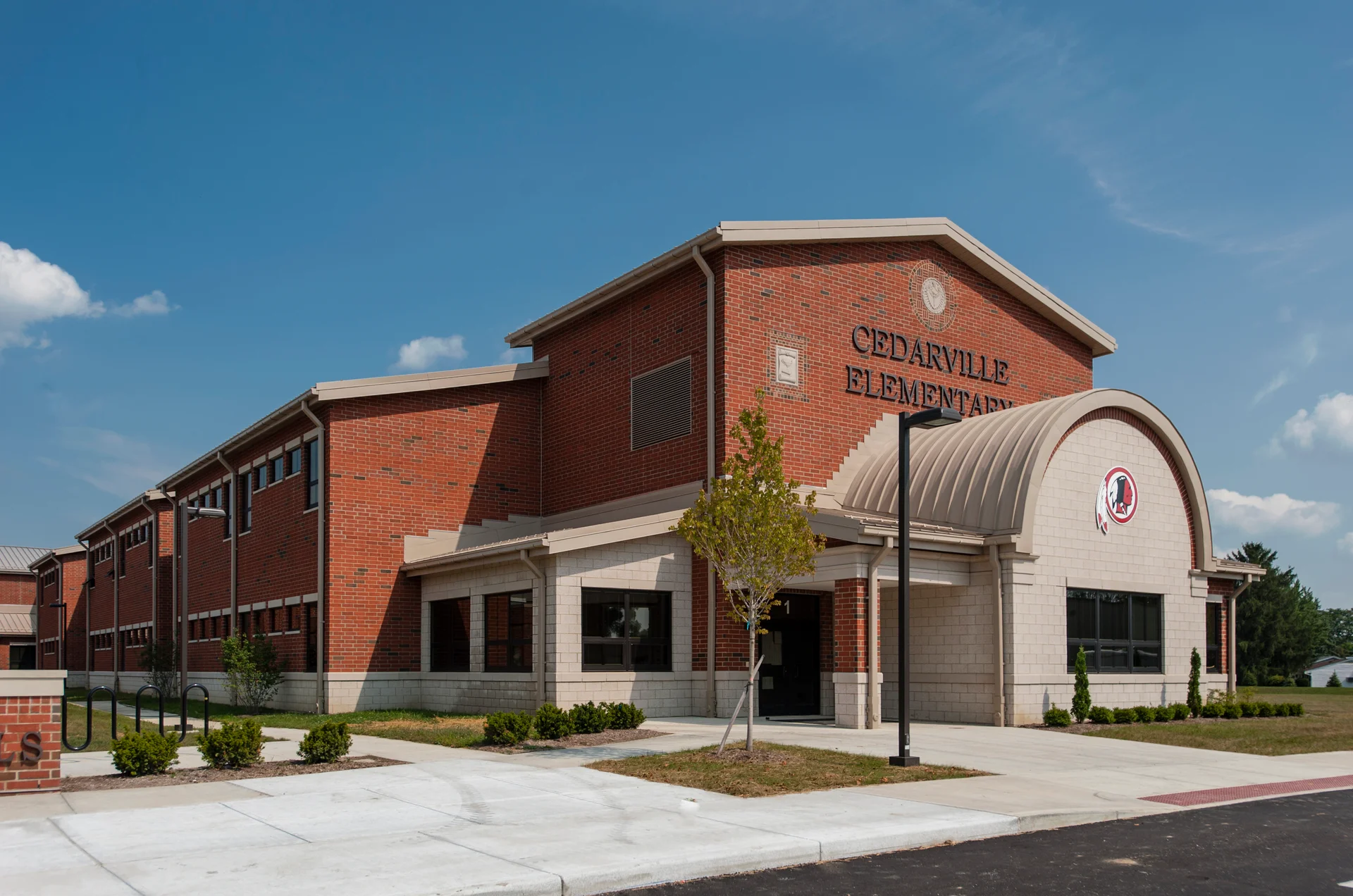
Cedar Cliff Gymnasium Lighting Upgrade 2019
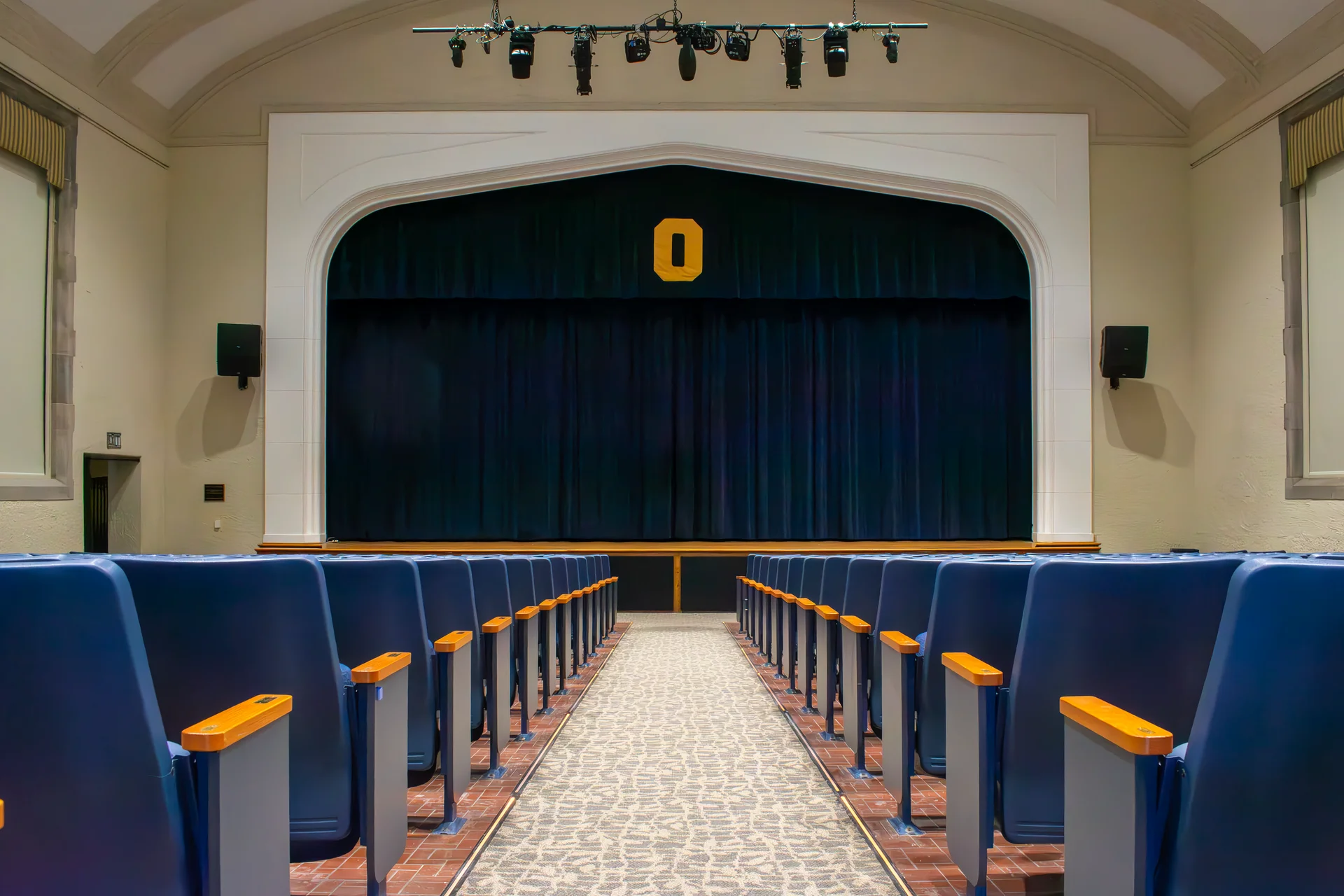
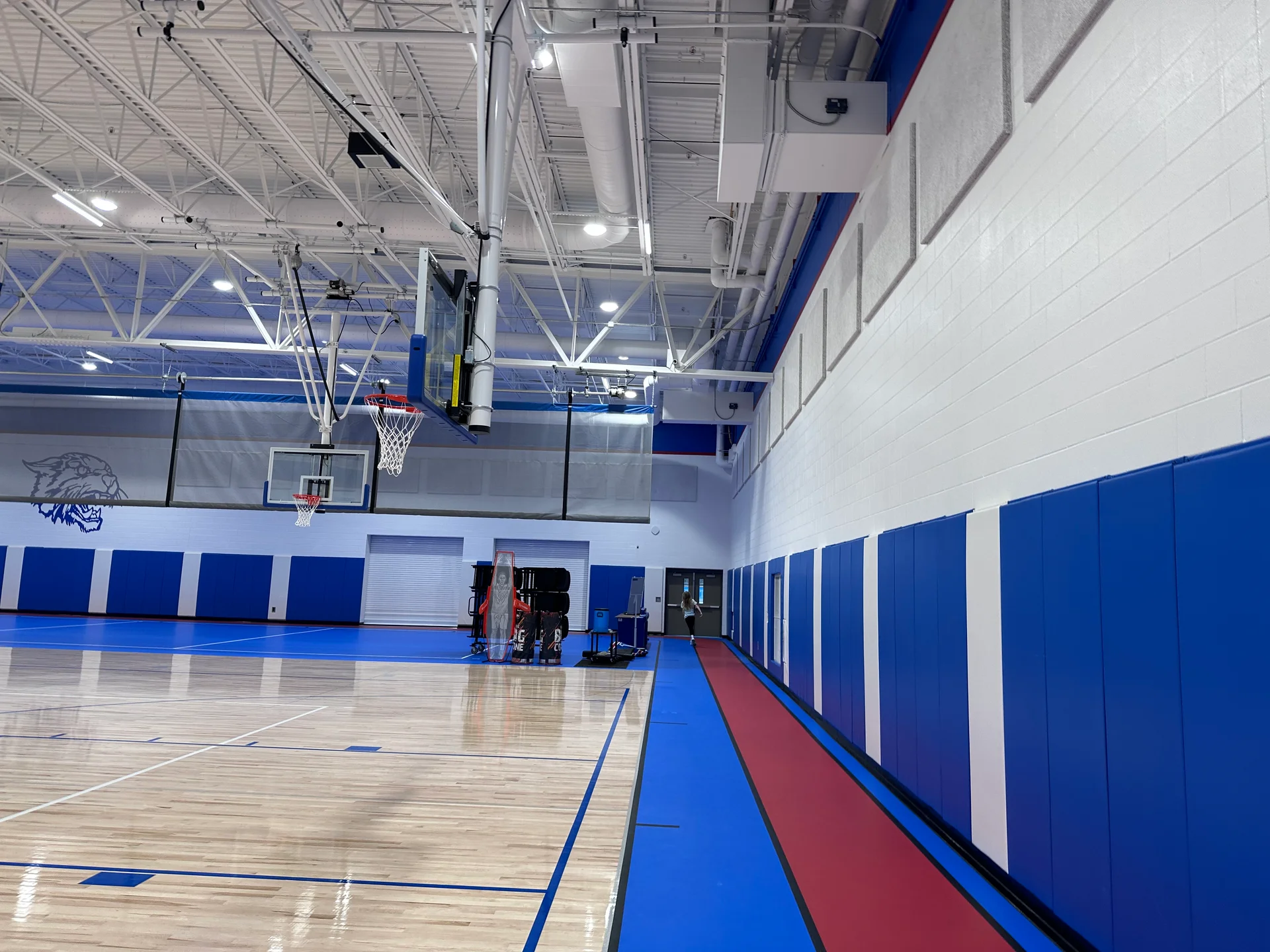
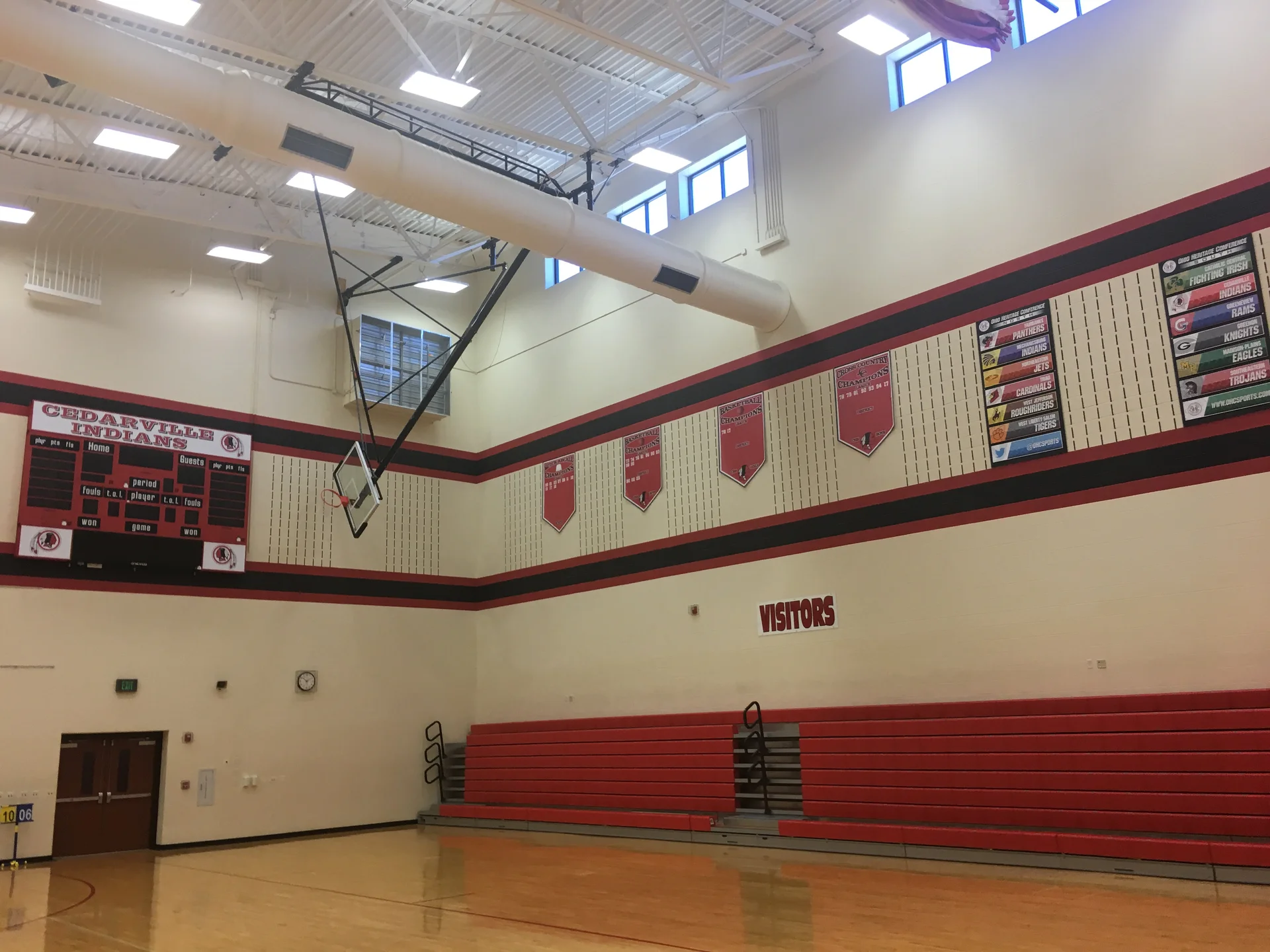
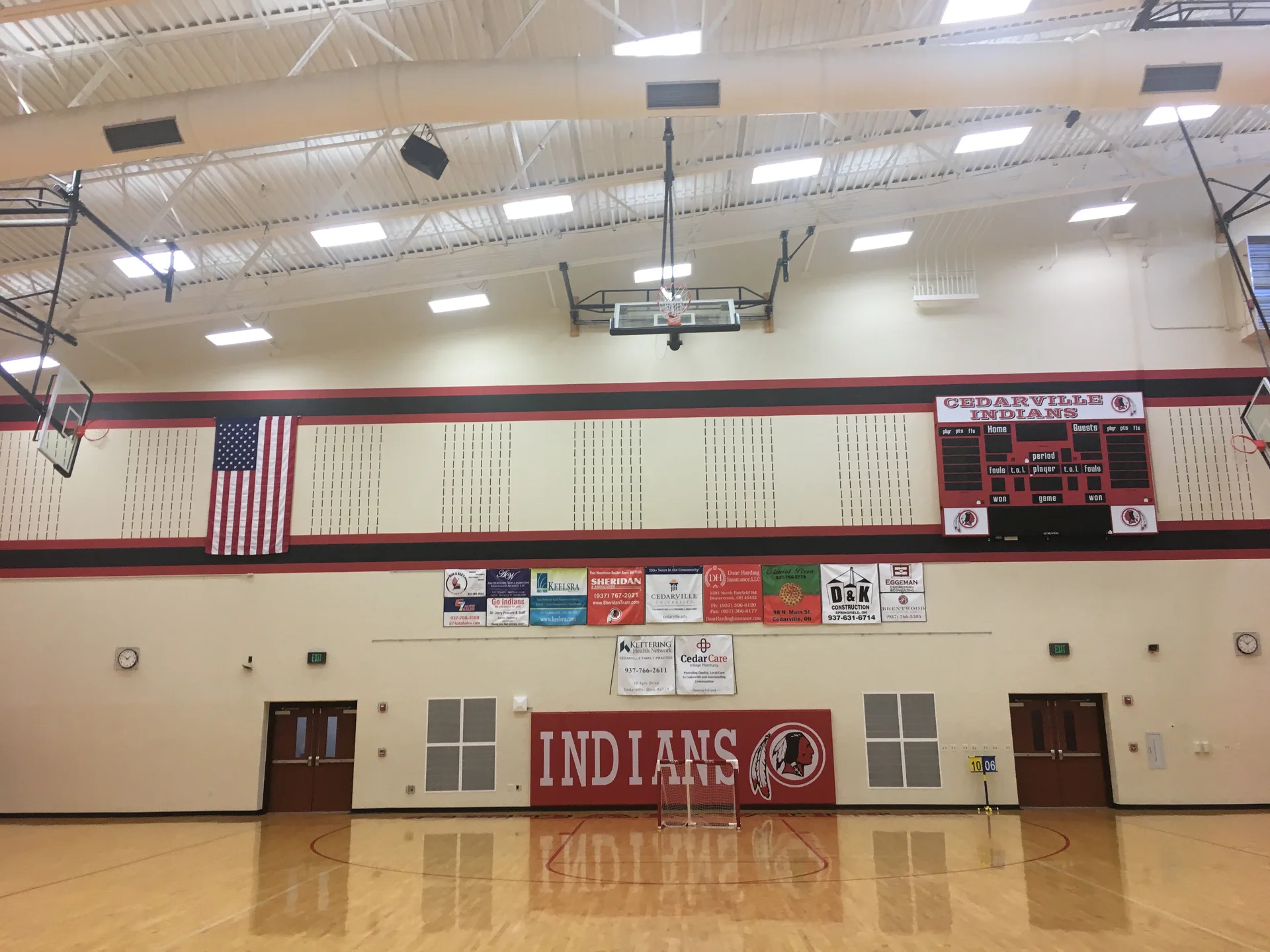
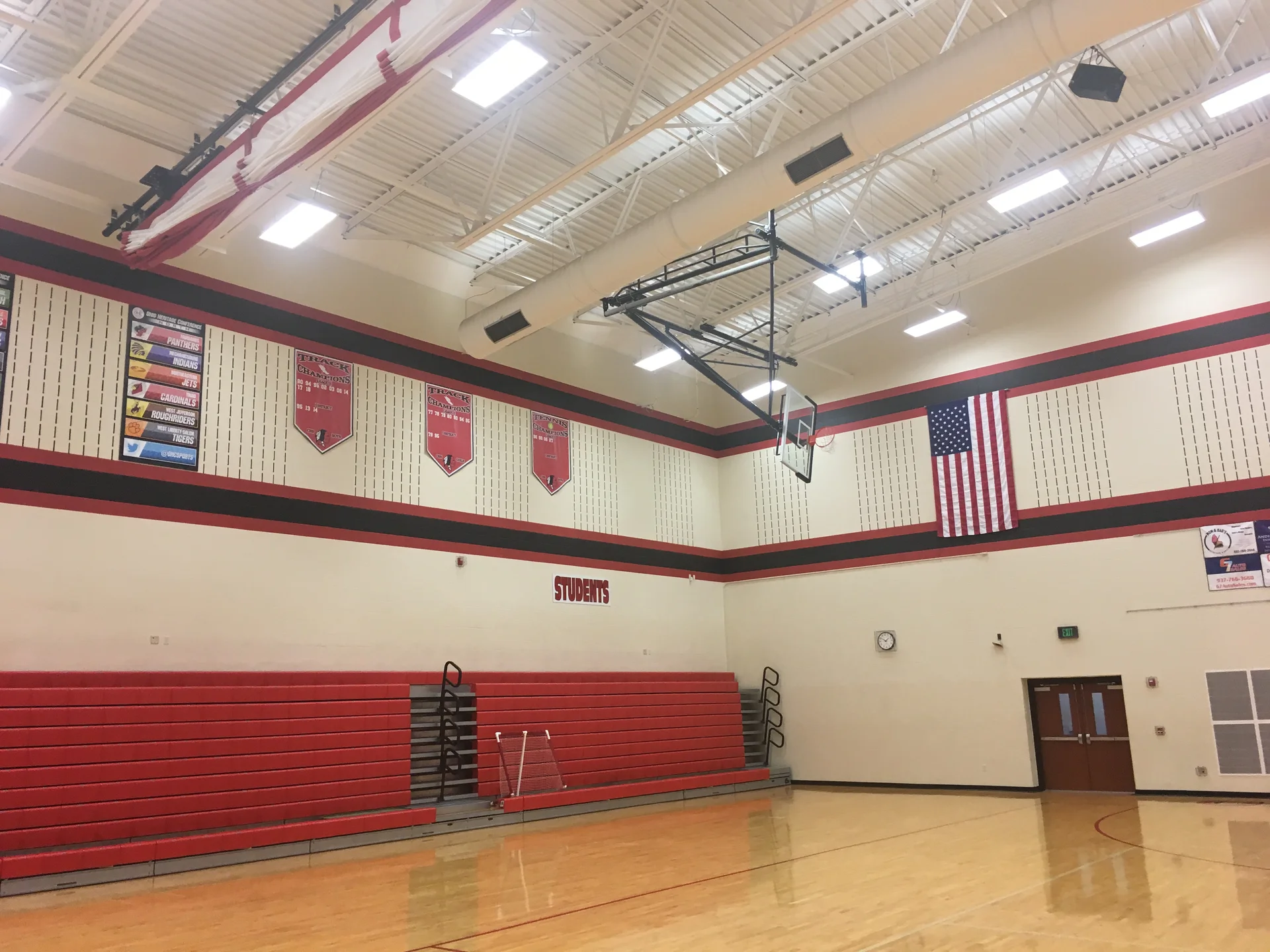
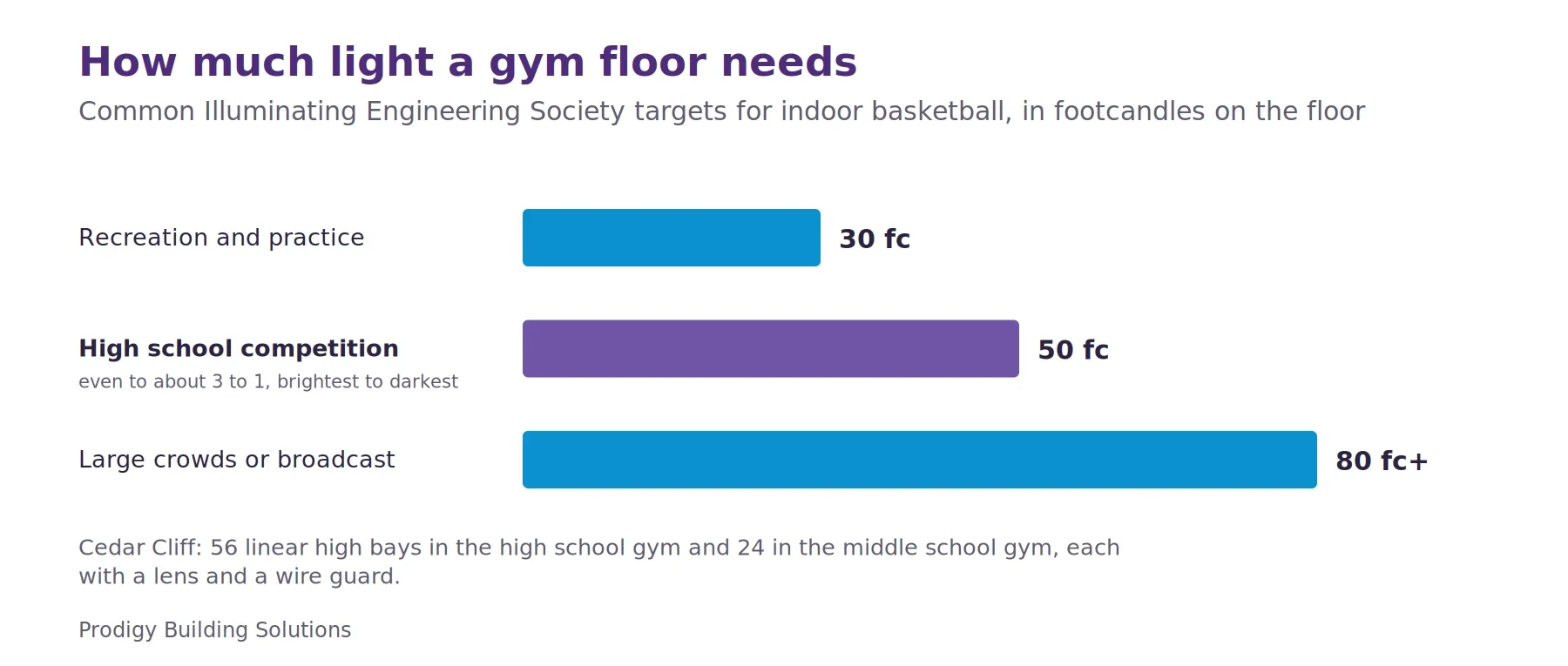
Both gyms at Cedar Cliff Schools in Cedarville are relit with LED: 56 new linear high bay fixtures in the high school gym and 24 in the middle school gym, every one with a lens and wire guard. Prodigy removed and disposed of the old fixtures, ballasts and lamps, installed the fixtures the district approved, and prepared the DP&L utility rebate paperwork on the district's behalf as part of the contract.
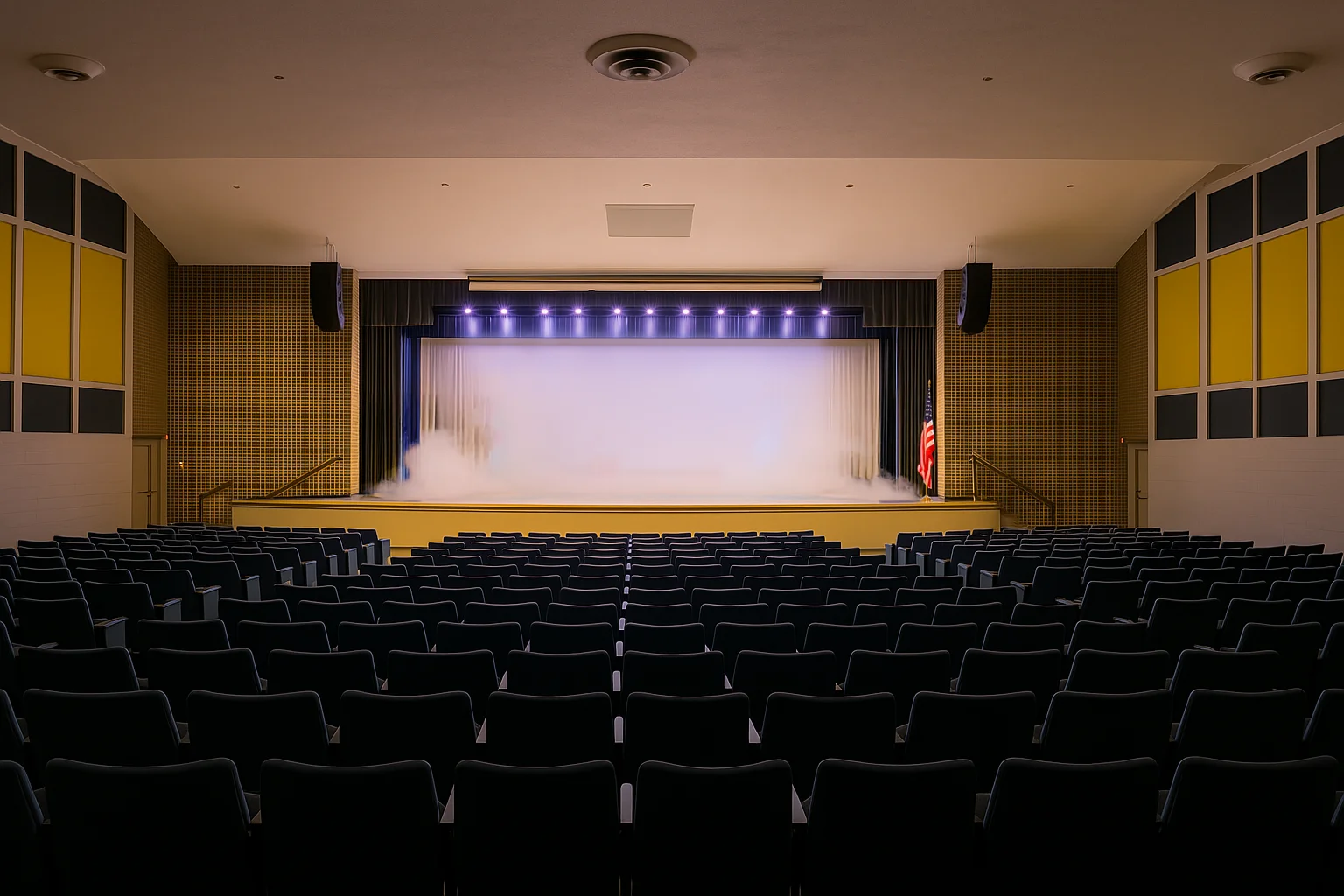
Gym lighting is something a district lives with long past the point of liking it. The fixtures are high up, relamping means a lift and a closed gym, and the room is essentially either on or off. Cedar Cliff Schools replaced the lot in one project at its Cedarville, Ohio campus — 56 fixtures in the high school gym and 24 in the middle school gym.
The old fixtures came out and were disposed of, ballasts and bulbs included, and LED linear high bays went up in their place. Every one carries a lens and a wire guard, which in a gymnasium is not an accessory. The district approved the fixture selection before it was ordered, so what went in was what the people who use the rooms had signed off on.
The other half of the contract is administrative. Prodigy prepared the DP&L utility rebate paperwork on the district's behalf as a line in the scope of work. A rebate on a lighting retrofit is real money to a district, and it is also a form, a deadline and a set of fixture specifications that have to match what is actually hanging in the room. Writing it into the contract is how it gets claimed rather than discussed.
The result is two rooms on one fixture type, with lenses and guards suited to what happens in them, and a rebate submitted by the people who know what was installed. The work was procured under the authority of Ohio Revised Code Section 9.48.
Technical Discussion
Our Work