
Great Oaks District Wide Asphalt Maintenance Services 2025
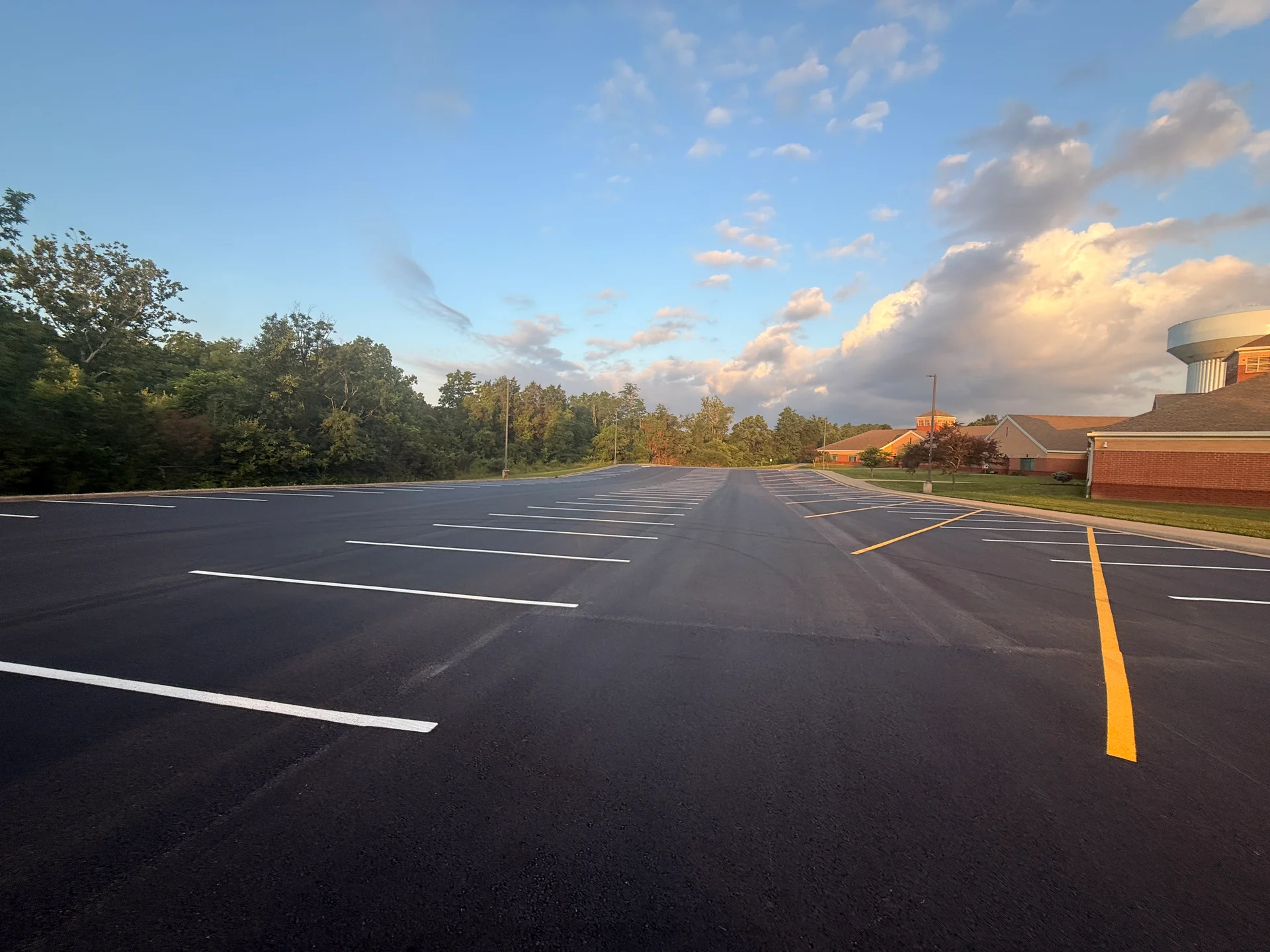
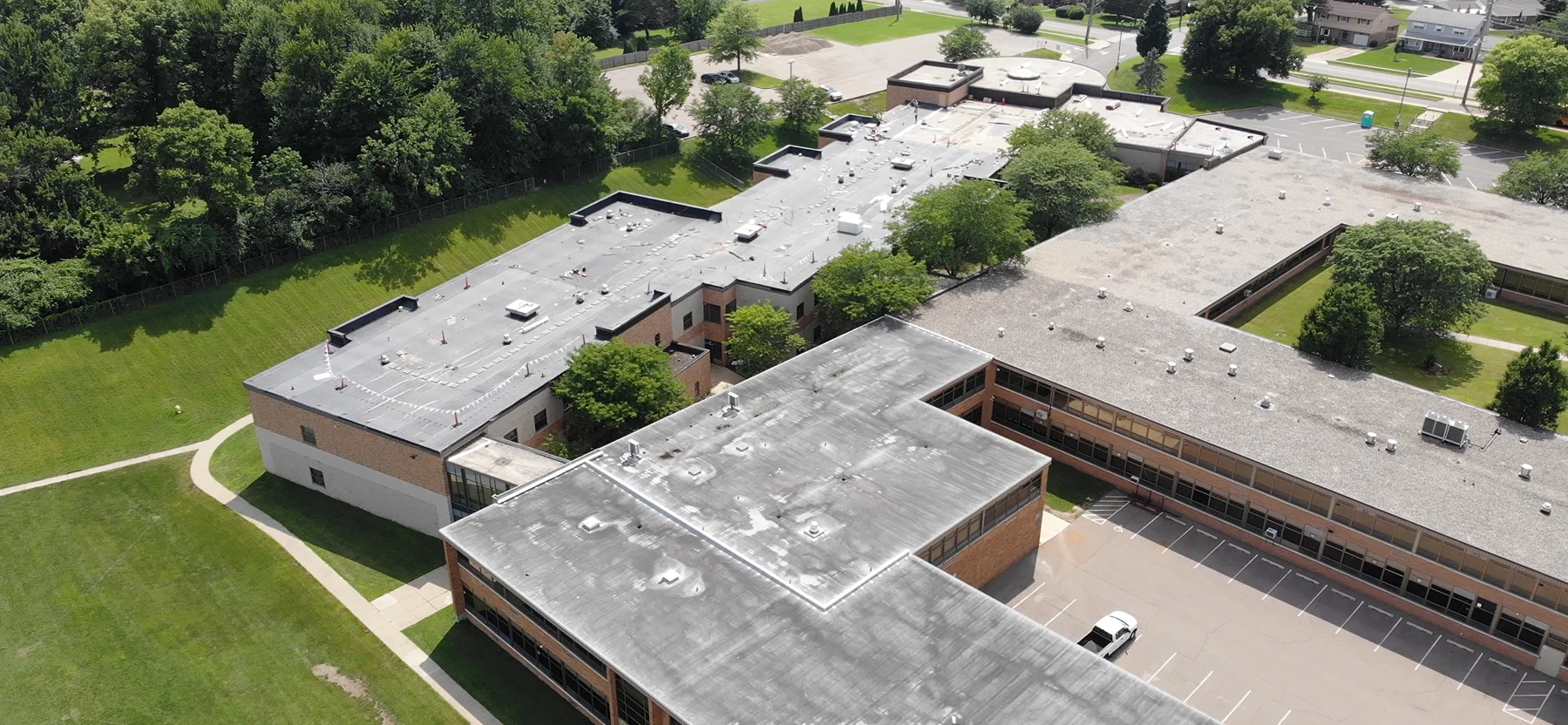
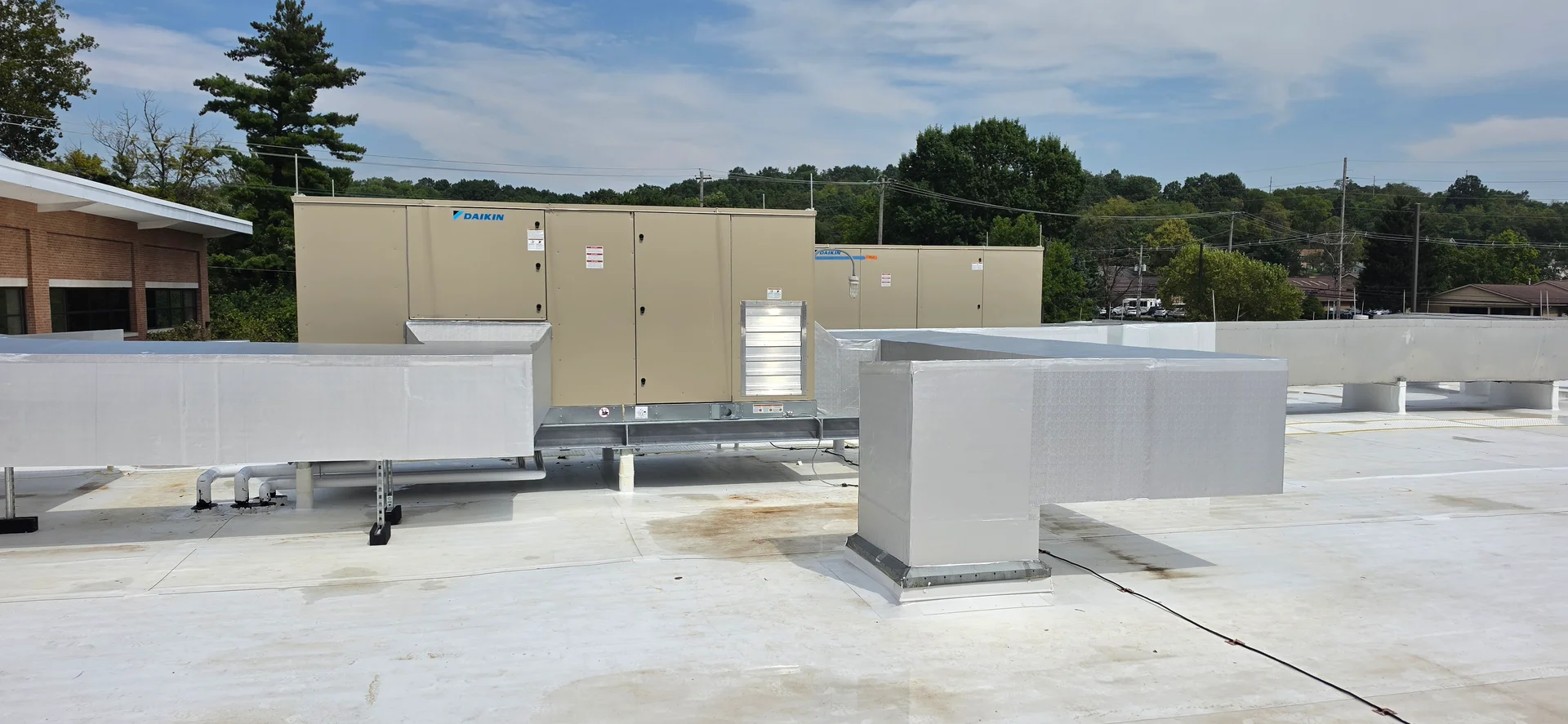
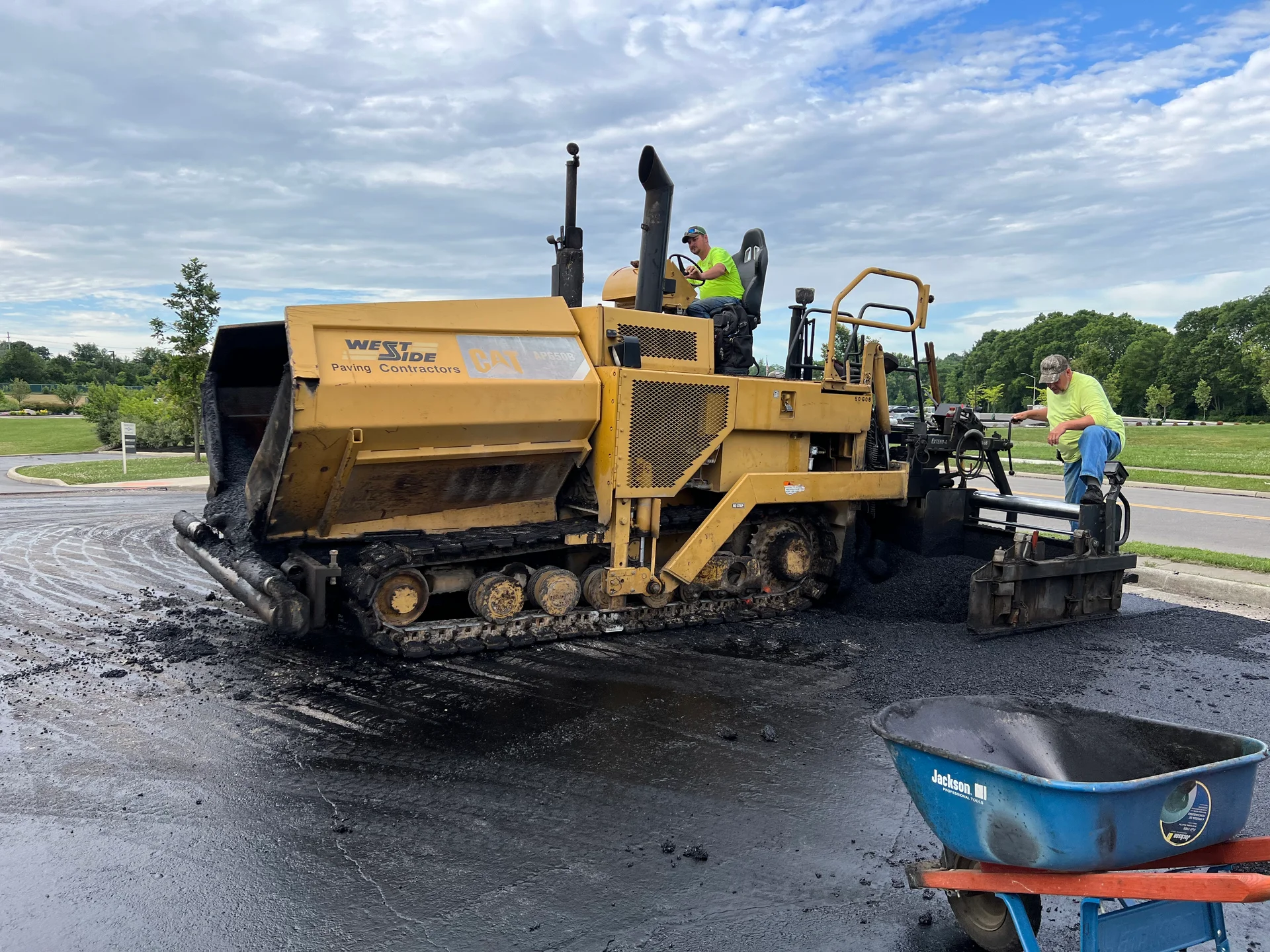
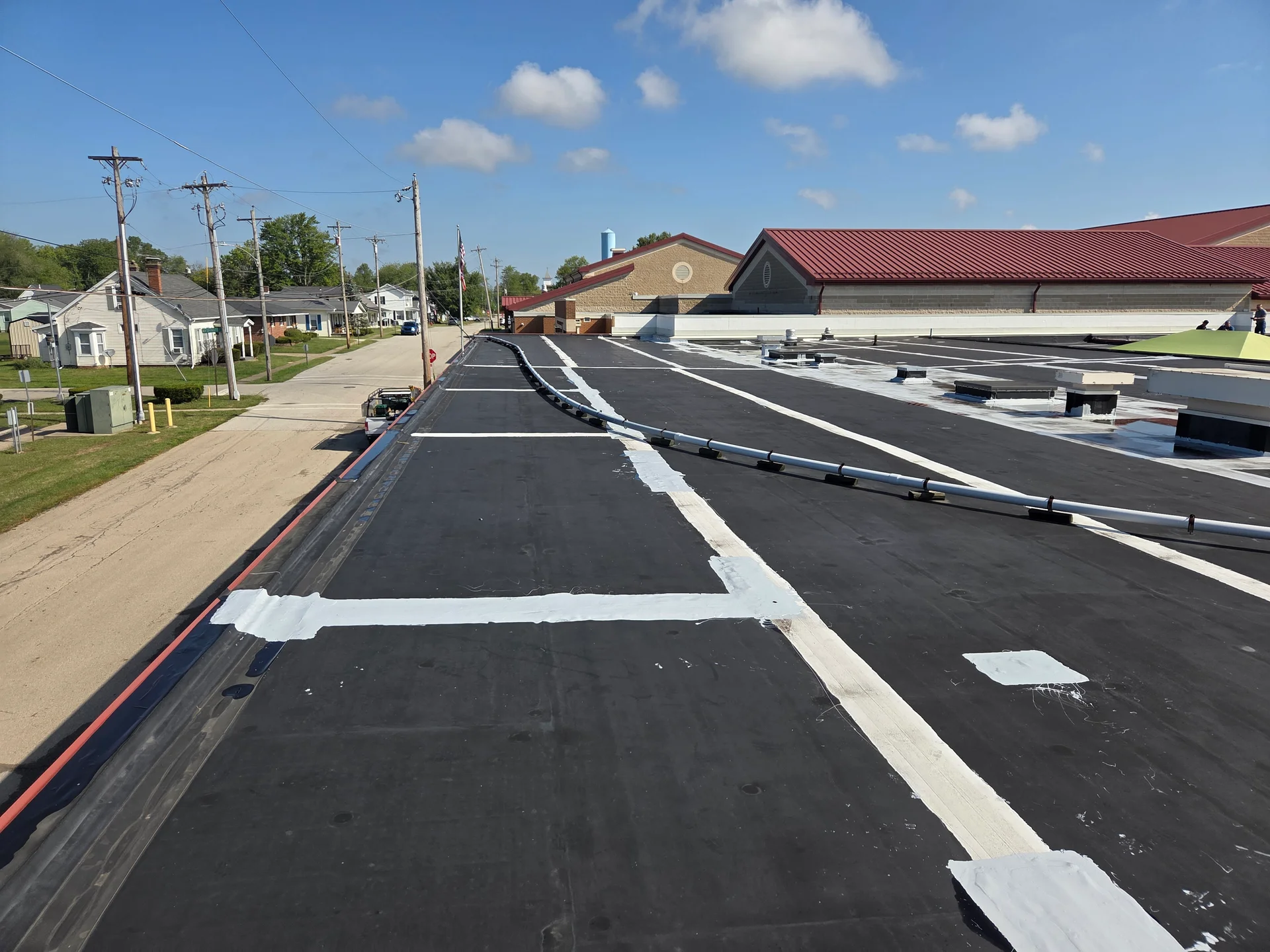
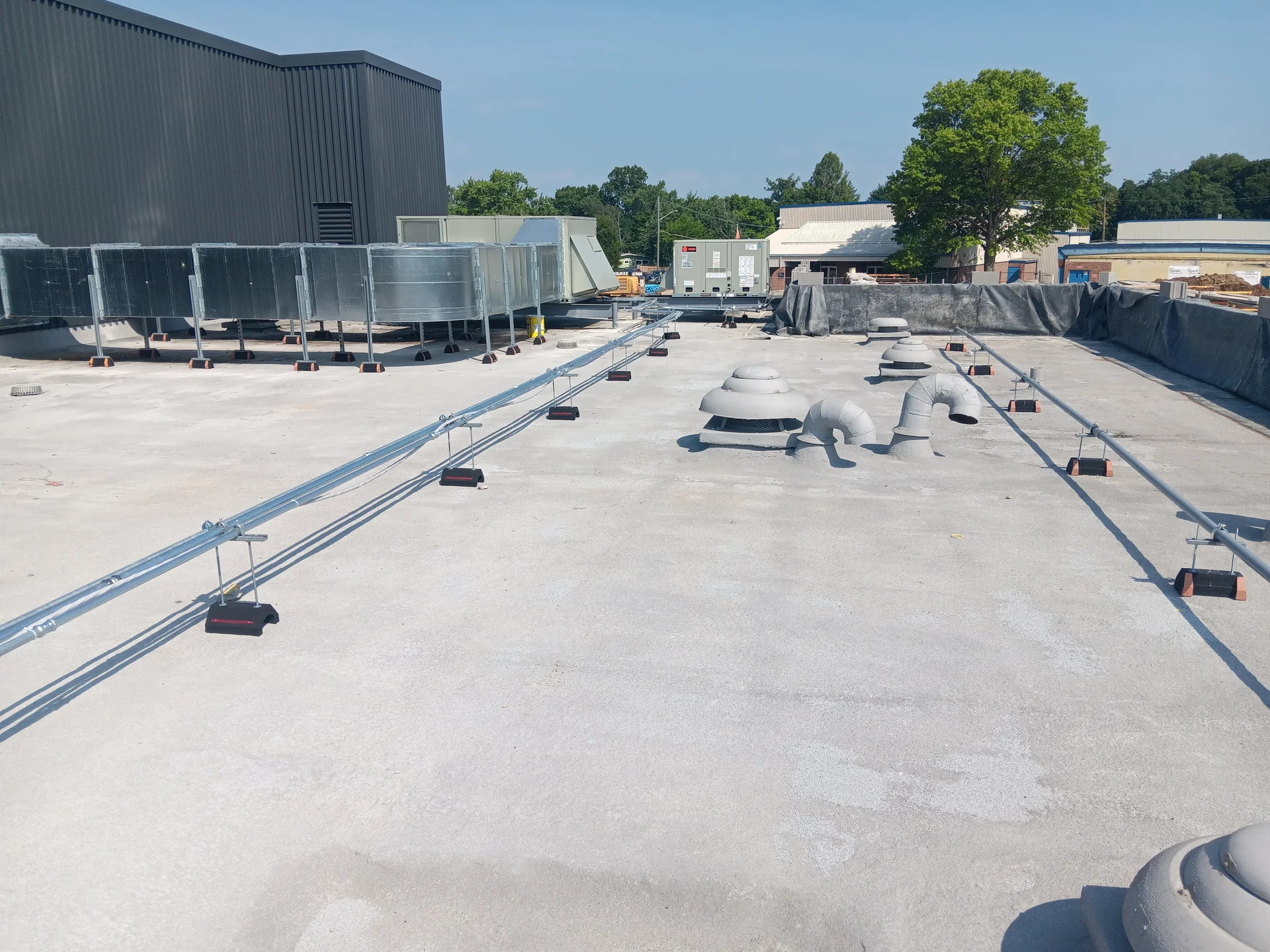
Great Oaks Career Campuses put three campuses' pavement in order in one 2025 season, with each lot getting only the treatment it needed. Prodigy crack-filled, sealed and restriped the sound lots at Laurel Oaks and Live Oaks, milled and overlaid worn surfaces at Live Oaks and Scarlet Oaks, rebuilt a failed service drive full depth, and added speed humps and concrete catch basin collars. The work was phased so Laurel Oaks never lost all of its parking at once, and priced item by item on the pre-bid TOP-C cooperative contract.
Great Oaks Career Campuses came into the 2025 season with pavement in three different conditions across three campuses. At Laurel Oaks in Wilmington the lots were structurally sound and needed sealing before their cracks opened up. At Live Oaks in Milford and Scarlet Oaks in Sharonville the picture was mixed — a worn surface over a base still worth keeping in some areas, and in others pavement that had stopped being pavement at all, a service drive worn down to gravel and dirt.
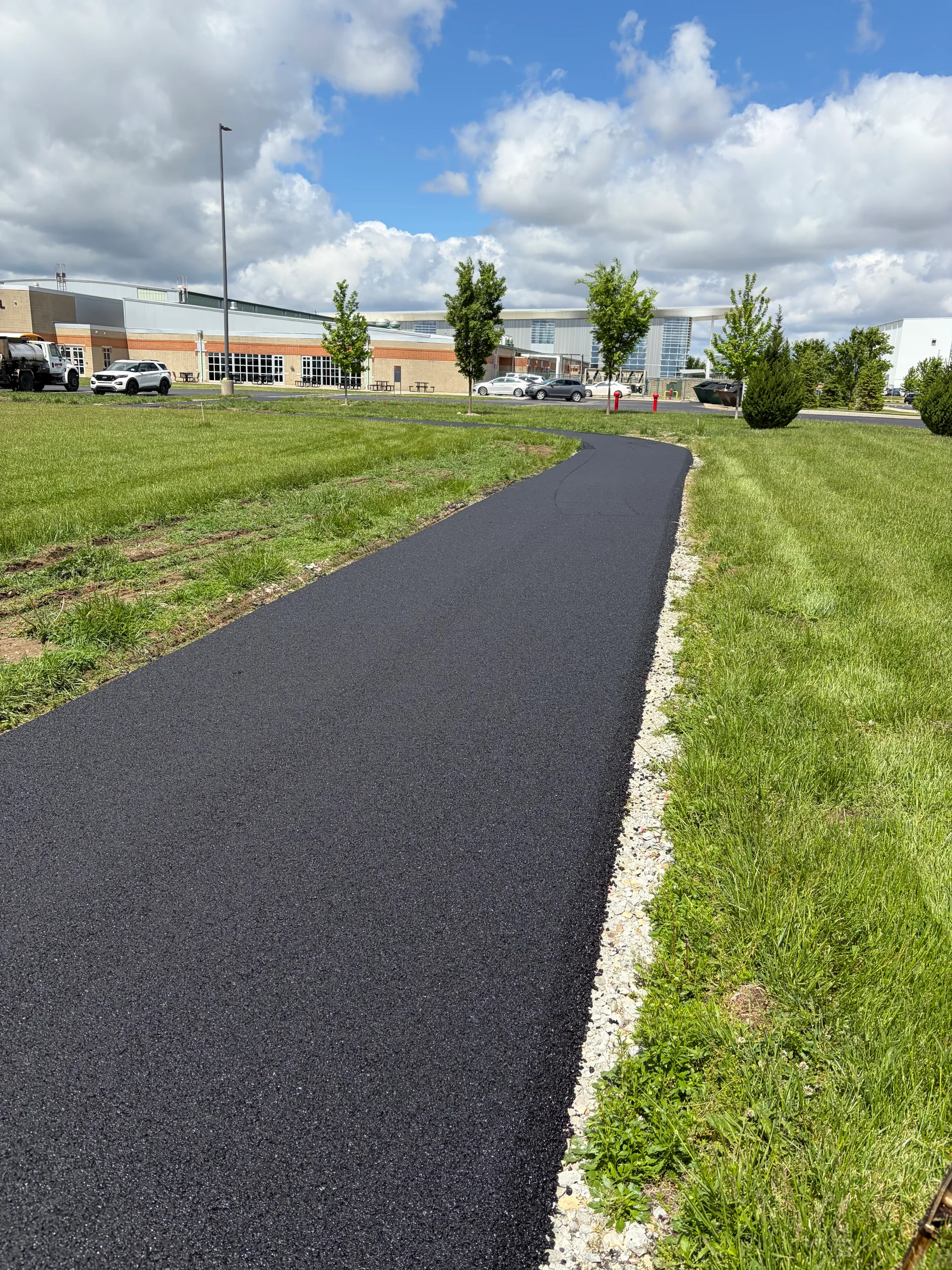
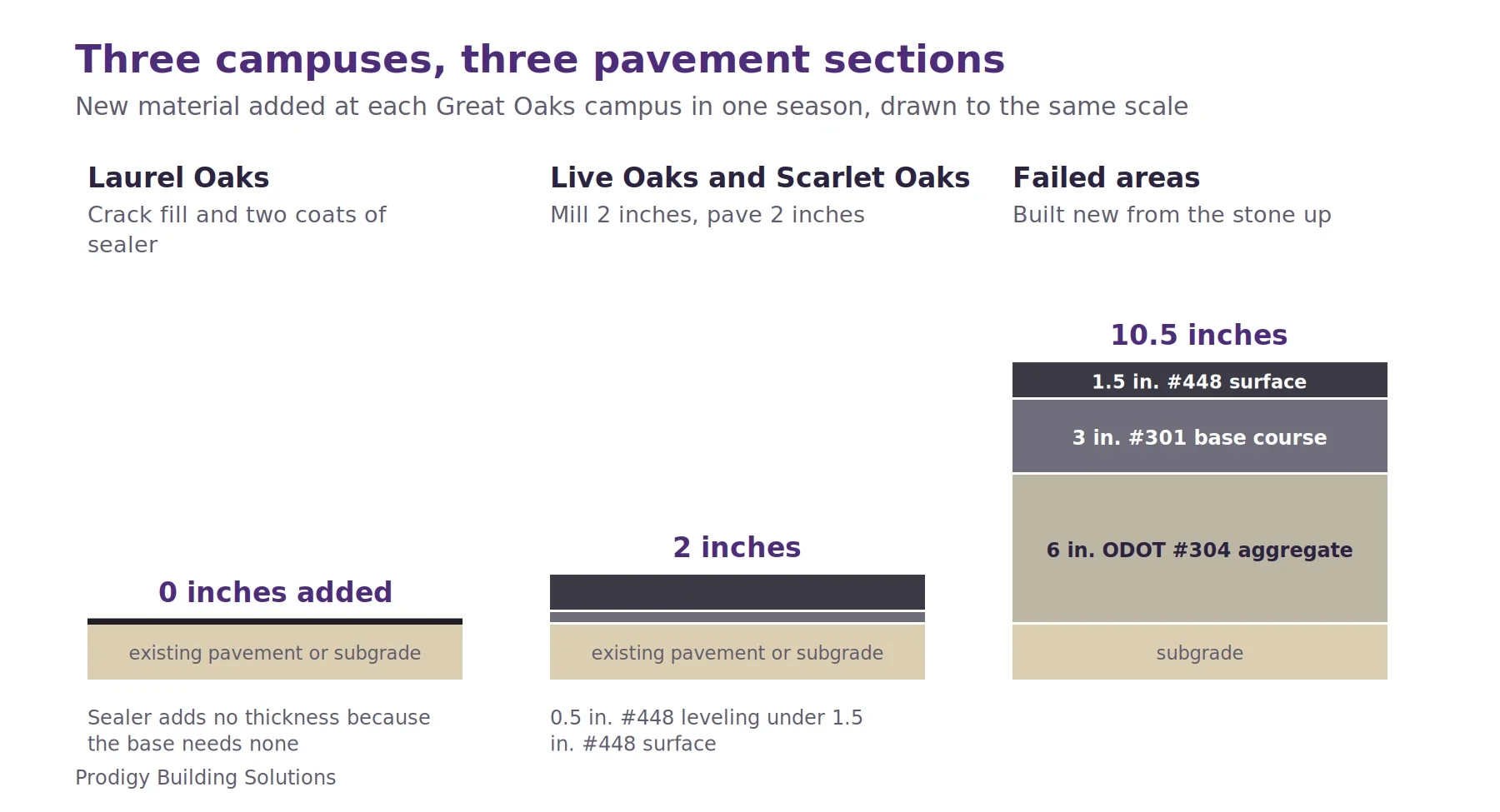
The district-wide contract buys something different in each place. Laurel Oaks gets vegetation cut back, hot-pour crack filling, two coats of fortified sealer with the first squeegeed and the second sprayed, and restriping — scheduled across multiple mobilizations so the campus never loses all of its parking at once. Live Oaks gets that same preventive treatment on its sound lots, a two-inch mill and overlay where the surface is worn, and full-depth removal and replacement where it is gone; the district also exercised an authorized alternate for additional full-depth pavement extending the rear service drive. Scarlet Oaks gets a two-inch mill and overlay, five speed humps on Great Oaks Drive ground into the existing pavement so the new asphalt keys in and striped safety yellow, and four concrete catch basin collars, with a fifth at Live Oaks.
What the district ends up with is one season of work priced item by item on a pre-bid TOP-C unit price contract, with the expensive treatments confined to the areas that actually needed them.
Technical Discussion
Our Work