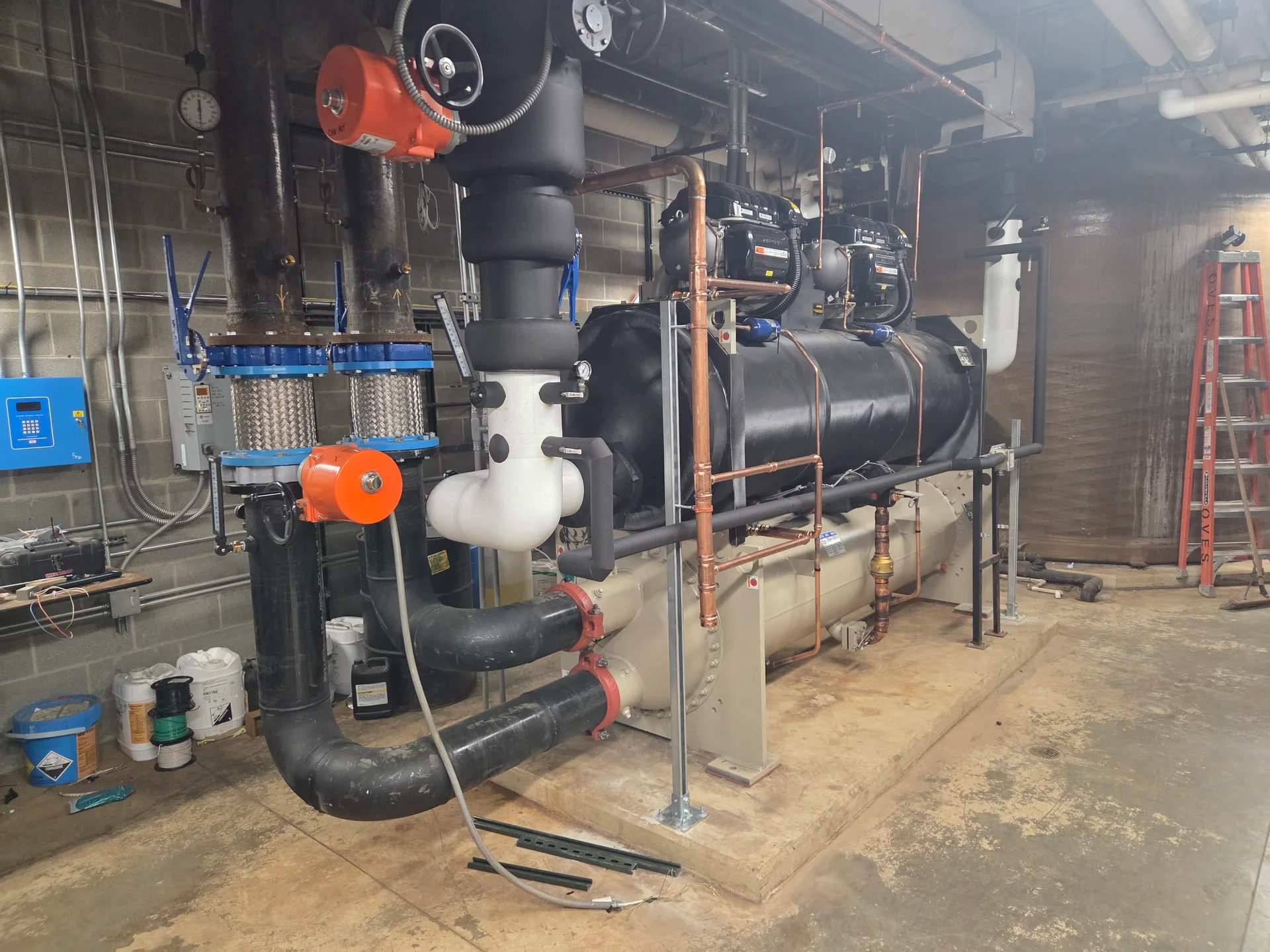
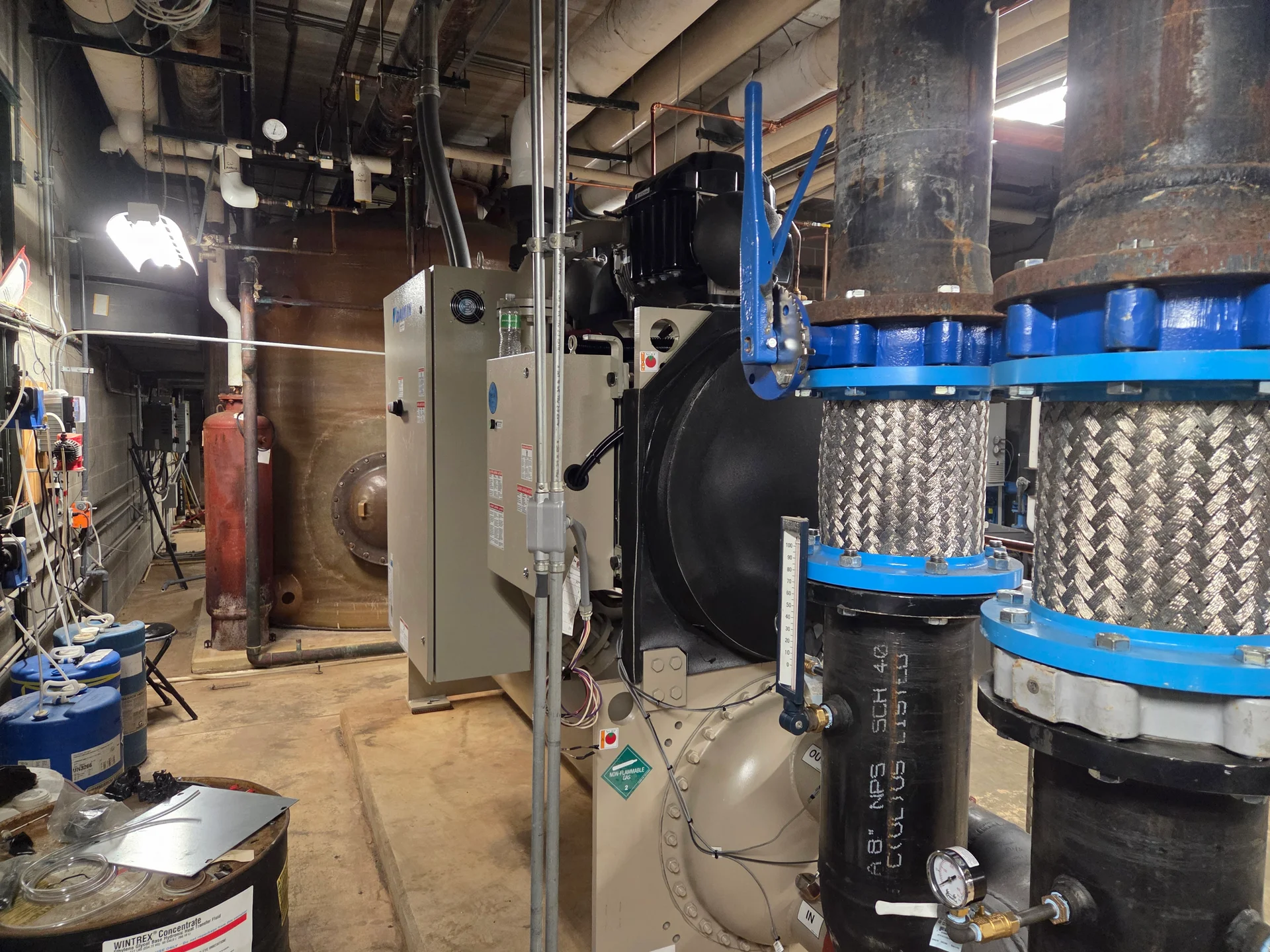
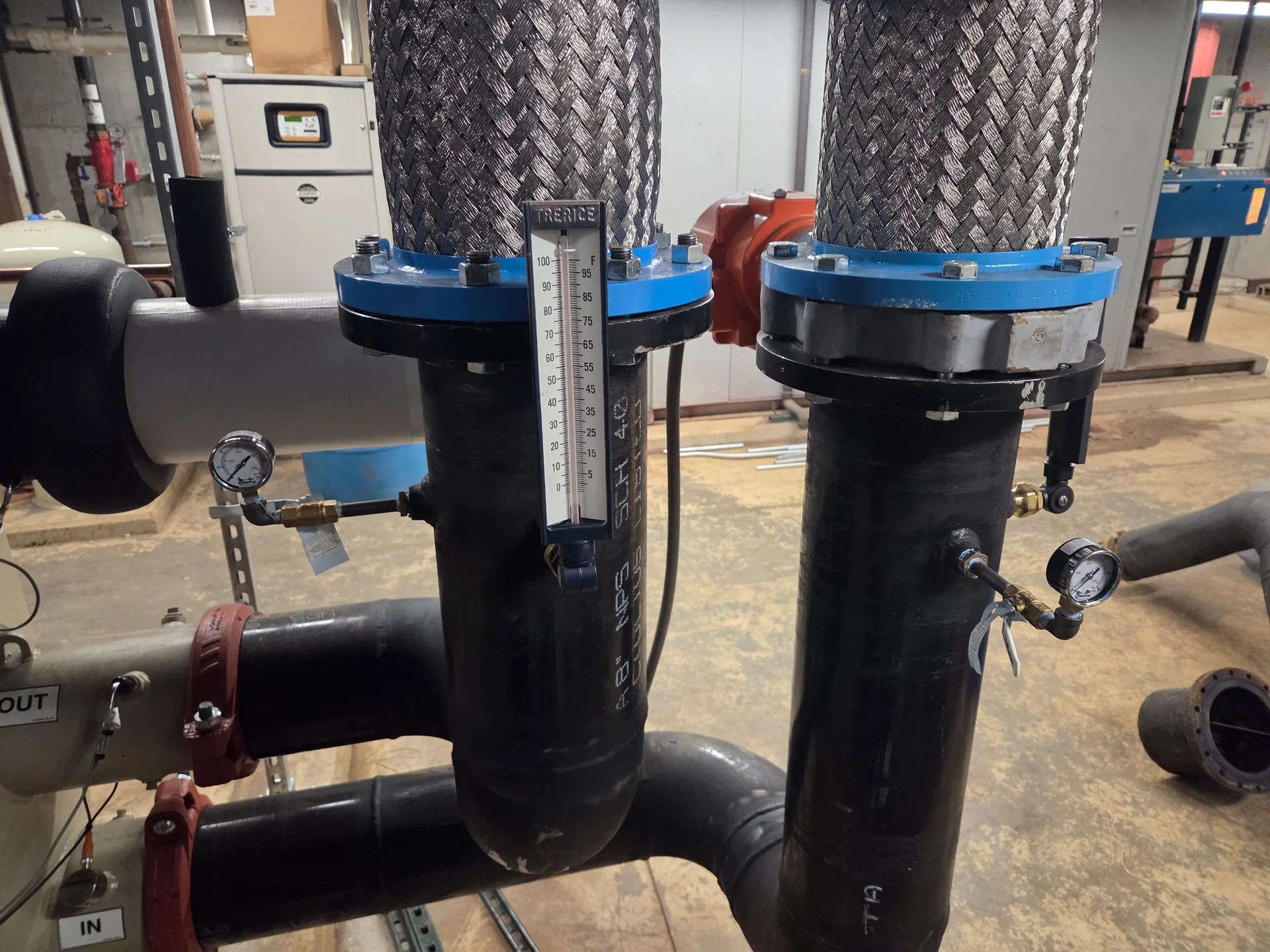
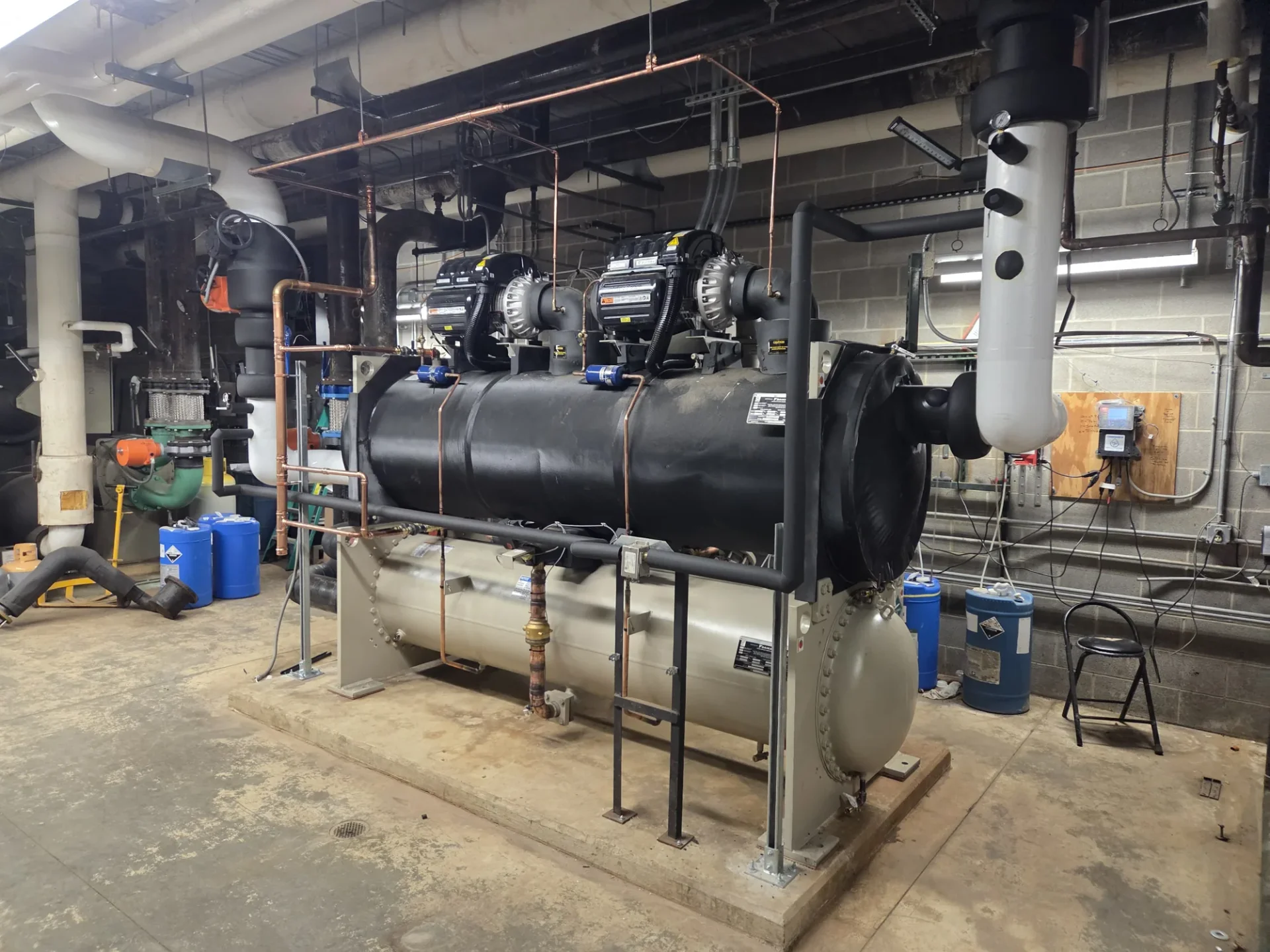
Lakota Liberty and East HS Chiller Installation 2025
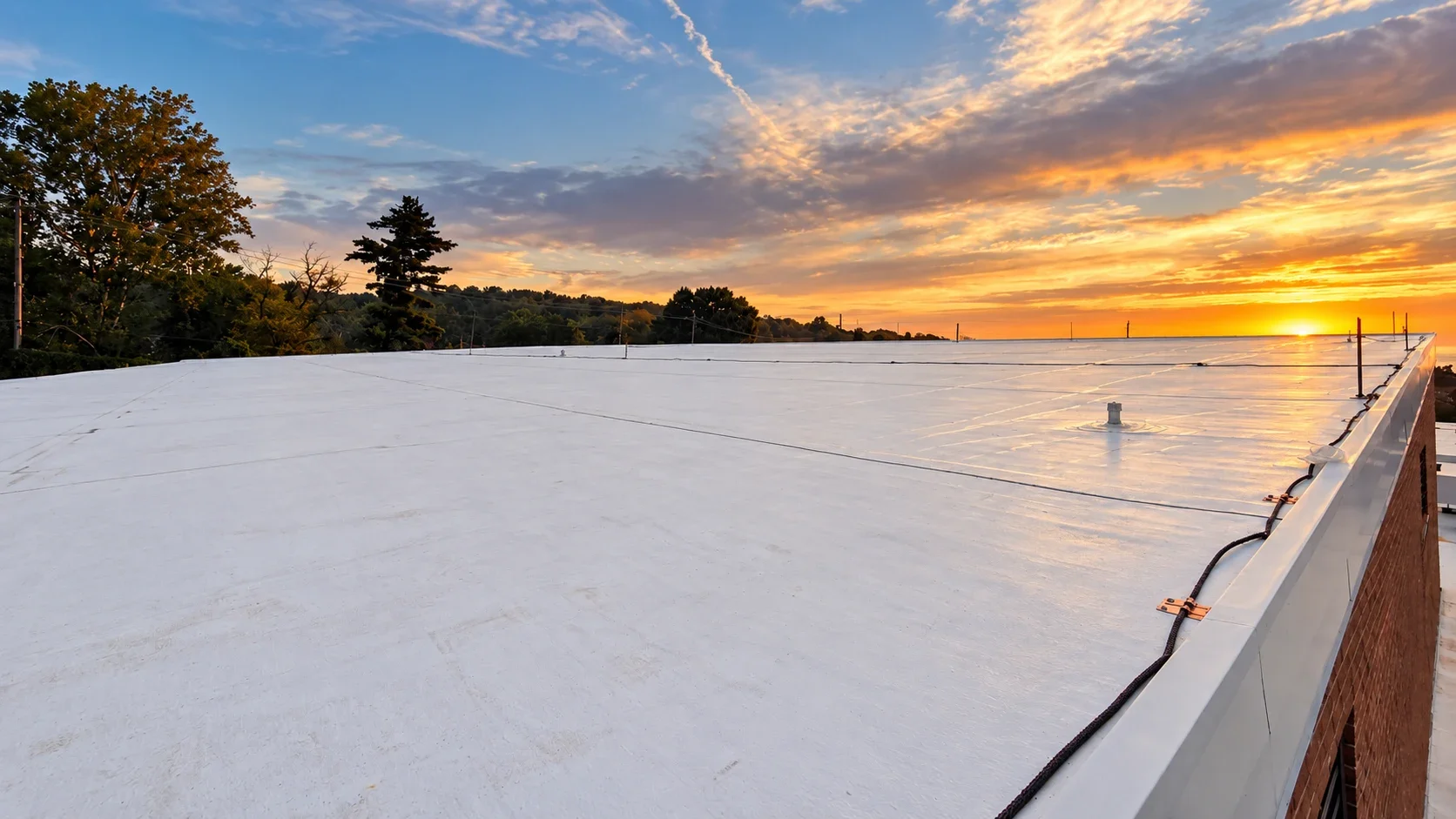
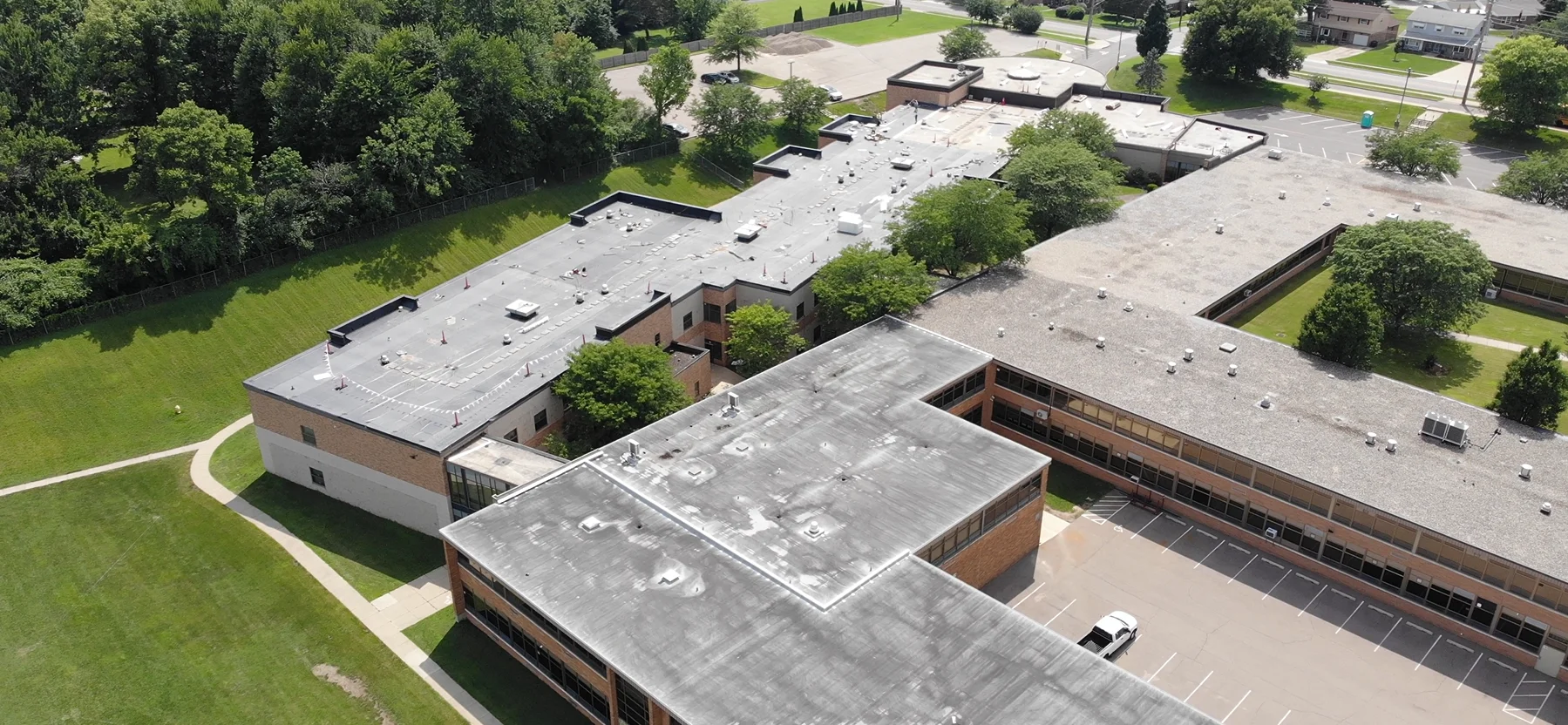
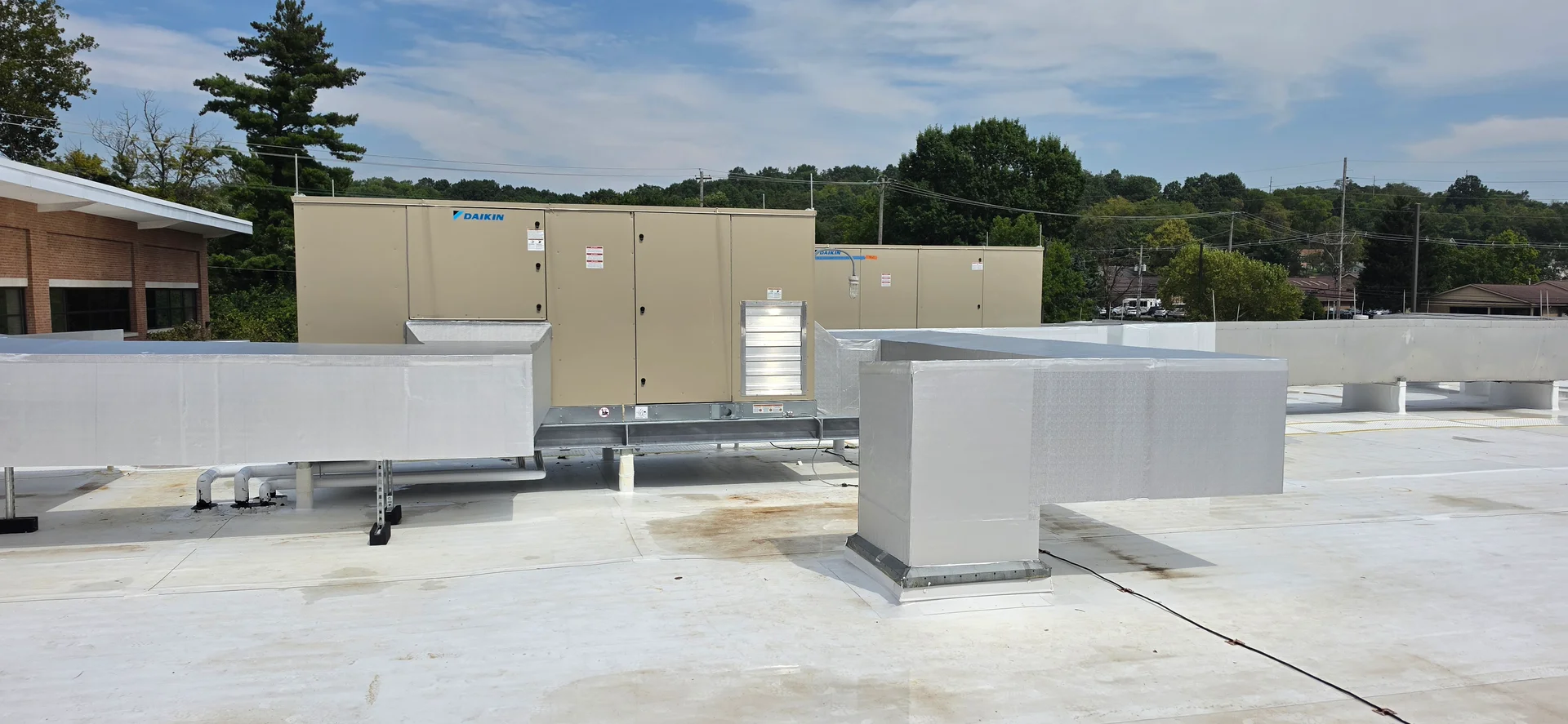
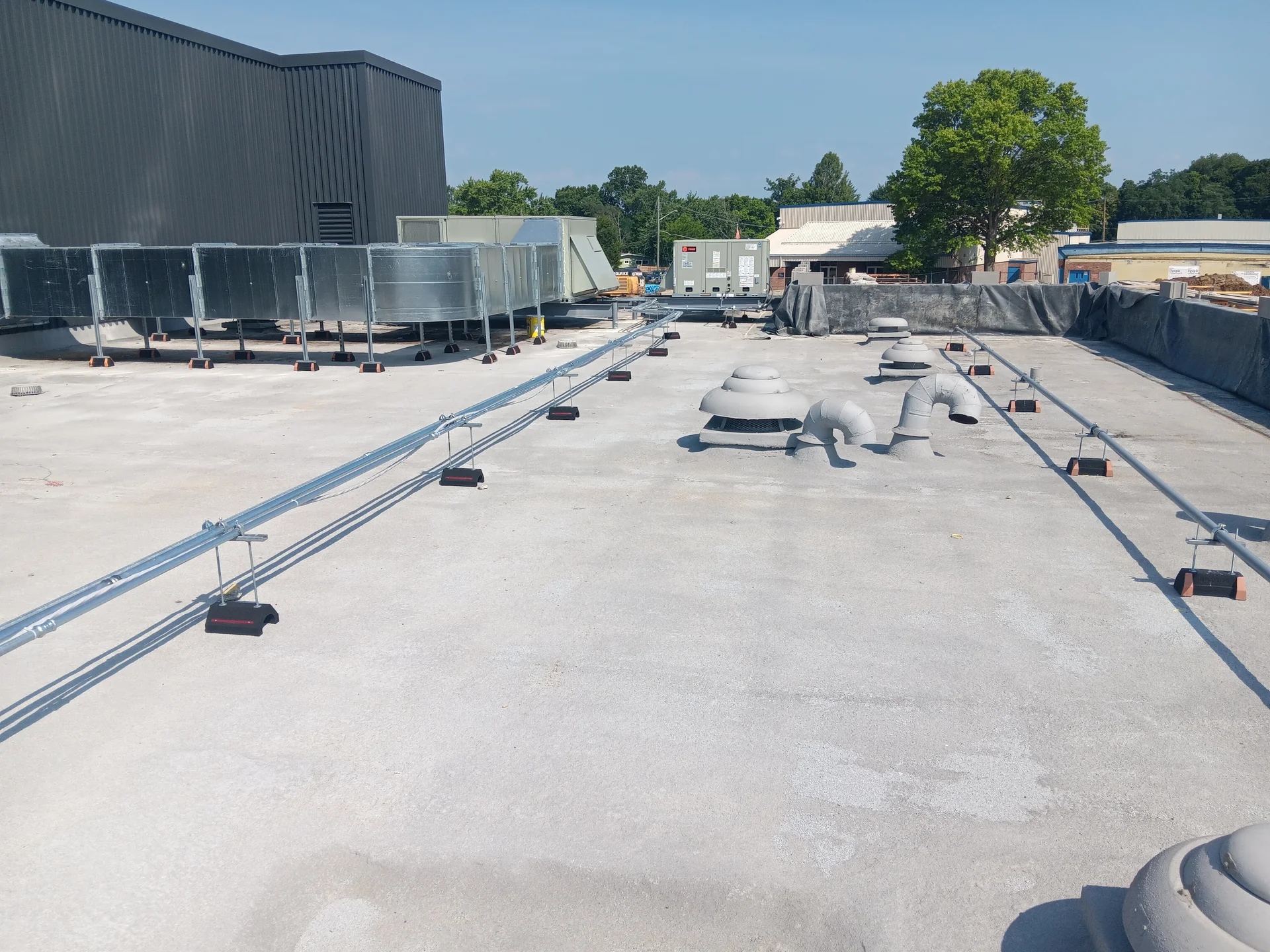
Lakota Local Schools has two new chillers in Liberty Township, delivered under one Prodigy contract through the TOP-C cooperative contract: a 340-ton Daikin magnetic-bearing chiller at Lakota East High School and a right-sized Daikin air-cooled chiller on the roof of Liberty Early Childhood School. For the high school, Prodigy's engineers compared York, Daikin, Trane and Carrier and chose the one machine that ships fully assembled and matches the original design, so the existing pumps, tank and control valves all stayed. East High traded a noisy R-22 chiller, whose refrigerant is no longer produced, for a quiet, oil-free machine, and Liberty's new unit is sized to the building so it won't short-cycle.
The East High mechanical room was also brought up to today's refrigerant-safety code with leak detection, door alarms and emergency exhaust. For a district still running R-22 equipment, it's a model for replacing the machine while keeping most of the plant around it.
Technical Discussion
Why the East High mechanical room got a refrigerant monitor and an exhaust fan
A water-cooled chiller of this size holds a large charge of refrigerant in an indoor room. The refrigeration chapter of the Ohio Mechanical Code, which follows the International Mechanical Code, treats that room as a refrigeration machinery room, and a replacement chiller is new equipment installed to the code in force today. The requirements are not about the chiller's efficiency. They are about what happens to the people in the room if the refrigerant gets out.
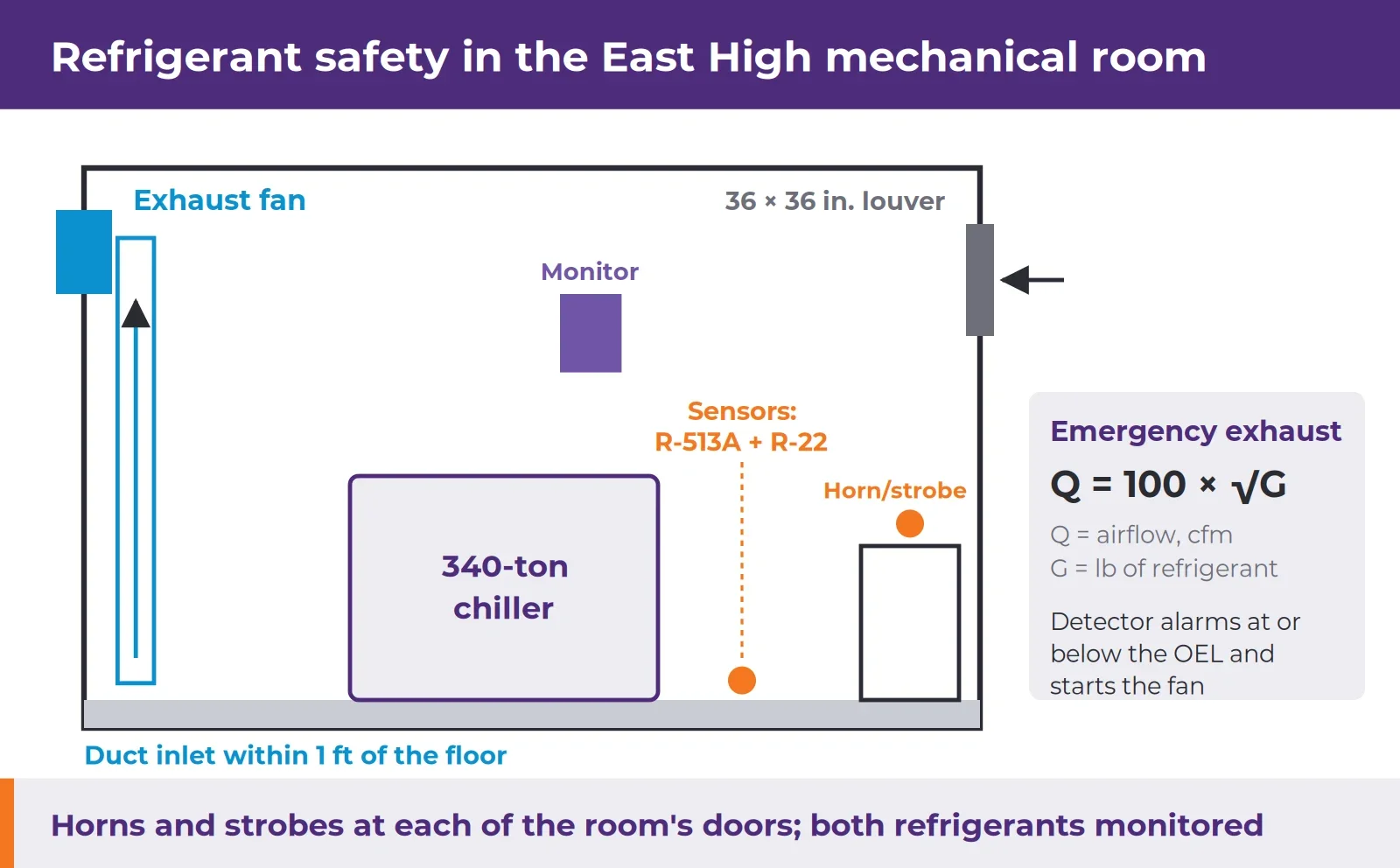
Figure 1: The machinery-room pieces added at East High: detection, door alarms, a floor-level exhaust inlet and make-up air.
Detect it
The room needs a refrigerant detector that alarms at or below the refrigerant's occupational exposure limit and starts the room's mechanical ventilation. East High's new monitor carries sensors for both R-513A and R-22, because the old refrigerant is still in the room until the old machine is recovered and removed. Both are A1 refrigerants, meaning low toxicity and no flame propagation, and both have occupational exposure limits of 1,000 ppm. The danger in a leak is not poison. It is displacement: both vapors are several times heavier than air, so they settle and push breathable air out of the lowest part of the room.
Warn everyone at the door
An alarm only helps if the person about to walk in hears it. The scope put horns and strobes at each of the room's man doors, with conduit for four alarm devices, so a leak is announced before anyone opens the door, not after.
Move the air from the floor
The code sizes emergency exhaust from the amount of refrigerant in the largest system: Q = 100 × √G, where Q is airflow in cubic feet per minute and G is pounds of refrigerant. A machine holding 800 pounds, for example, calls for about 2,830 cfm. Because the refrigerant is heavier than air, the exhaust inlet has to be within a foot of the floor. At East High that meant a new sidewall exhaust fan with ductwork run down to floor level, a 36-by-36-inch intake louver so the fan has air to pull, and saw-cutting through the concrete wall for both openings.
A chiller replacement is often priced as if the room around it were not part of the job. On this project the detection, alarms and ventilation were line items in the scope from the start, not a surprise at inspection. When you compare chiller quotes, ask whether the machinery-room work is in the number.