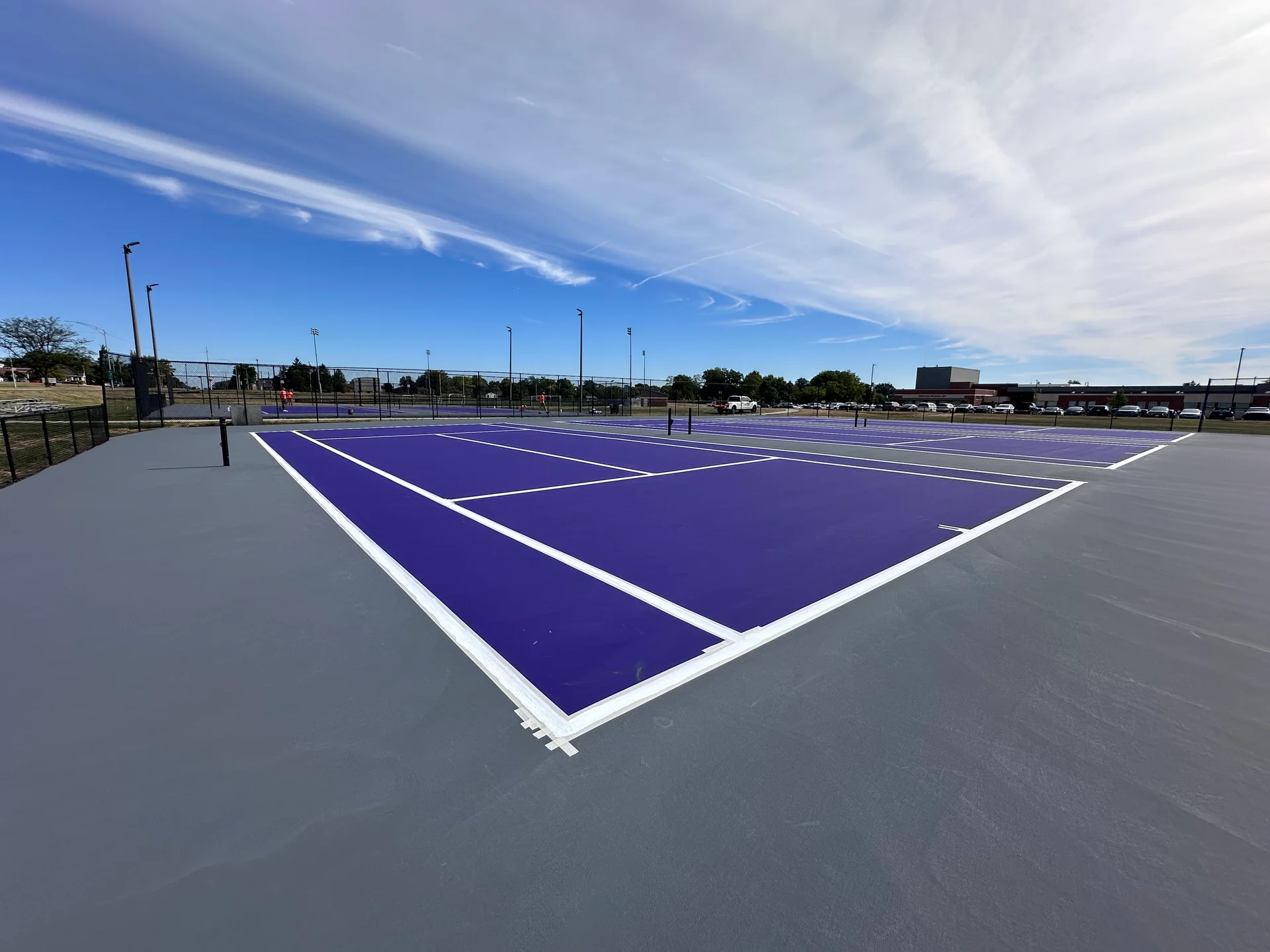
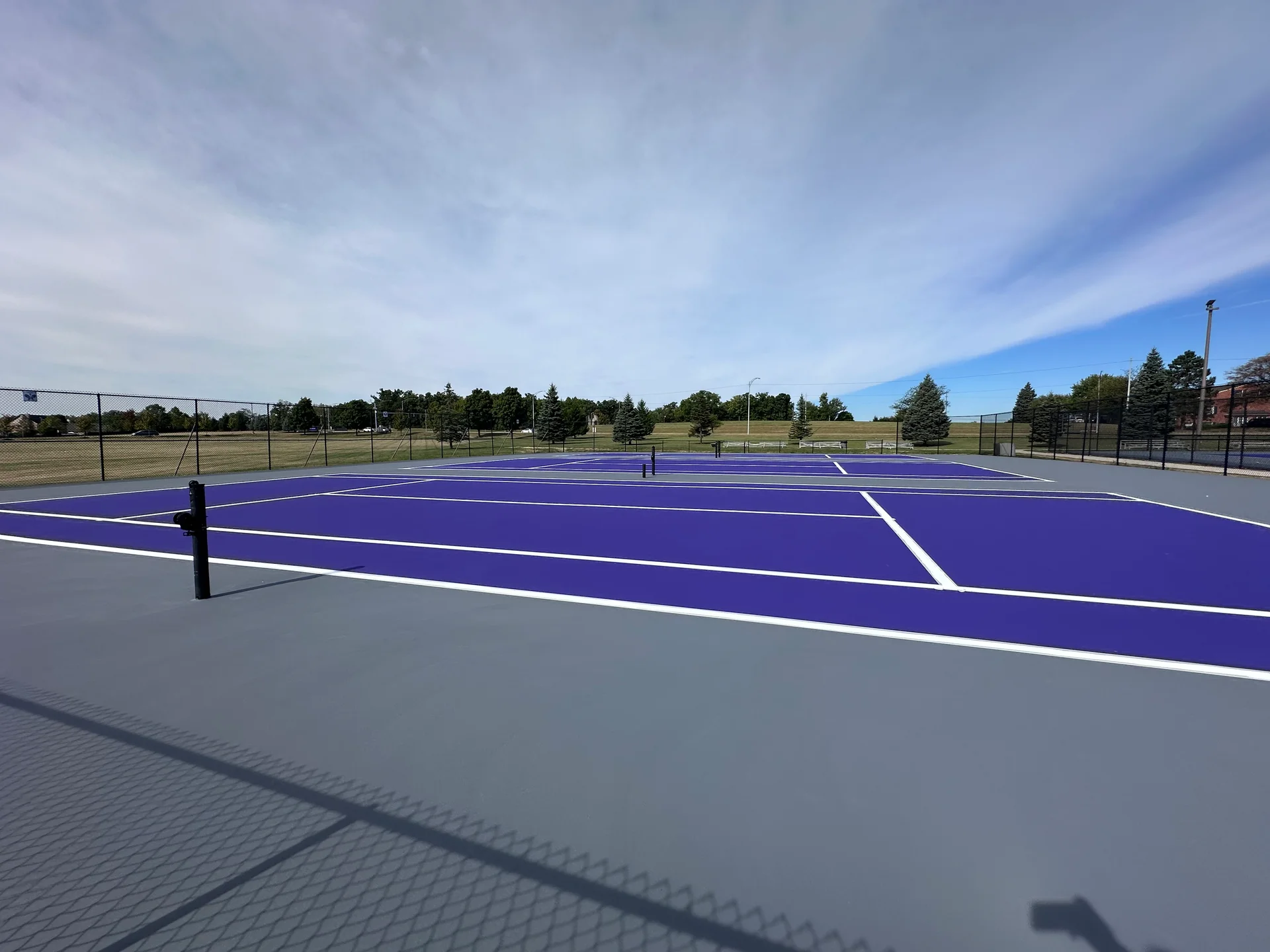
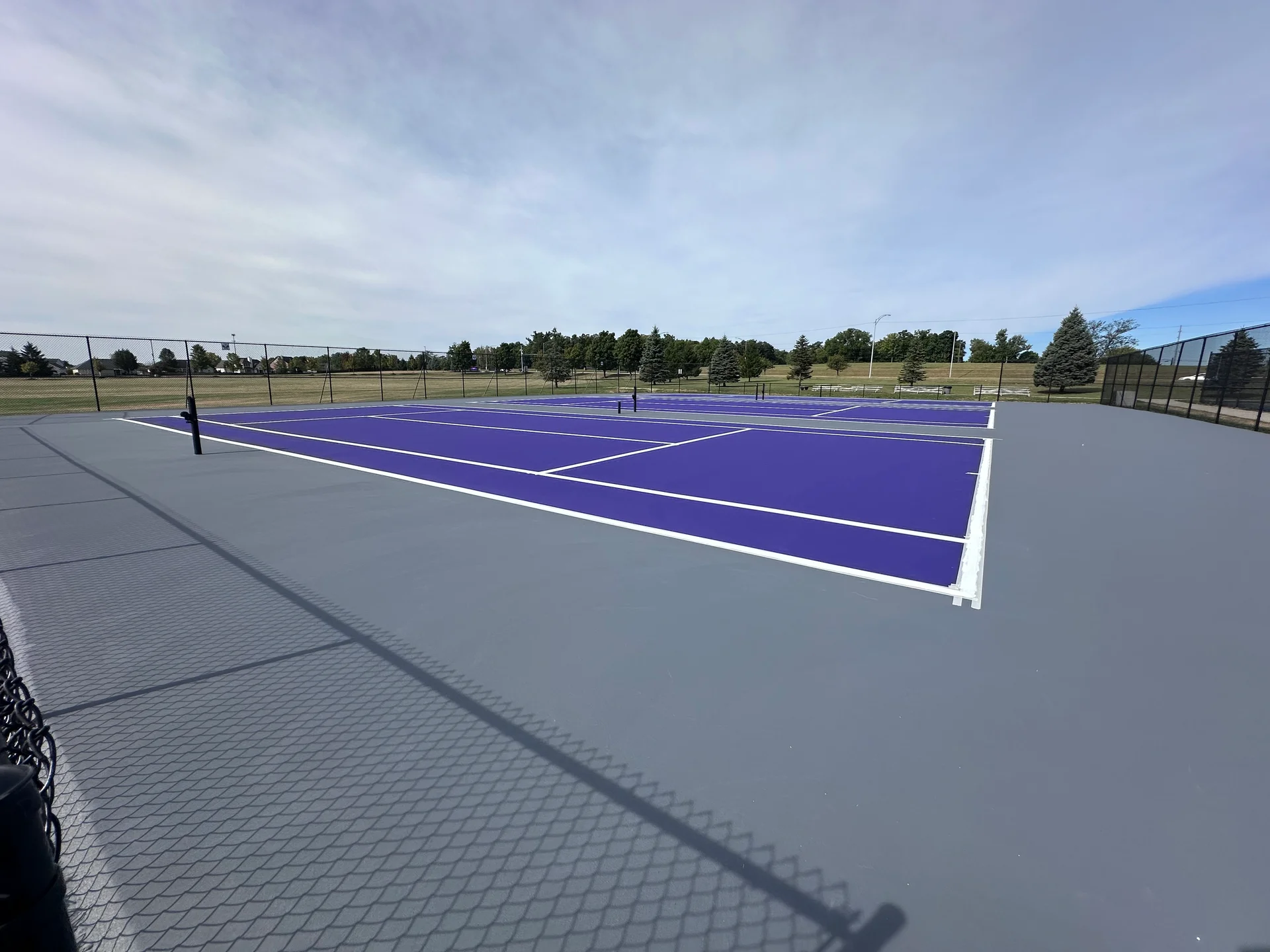
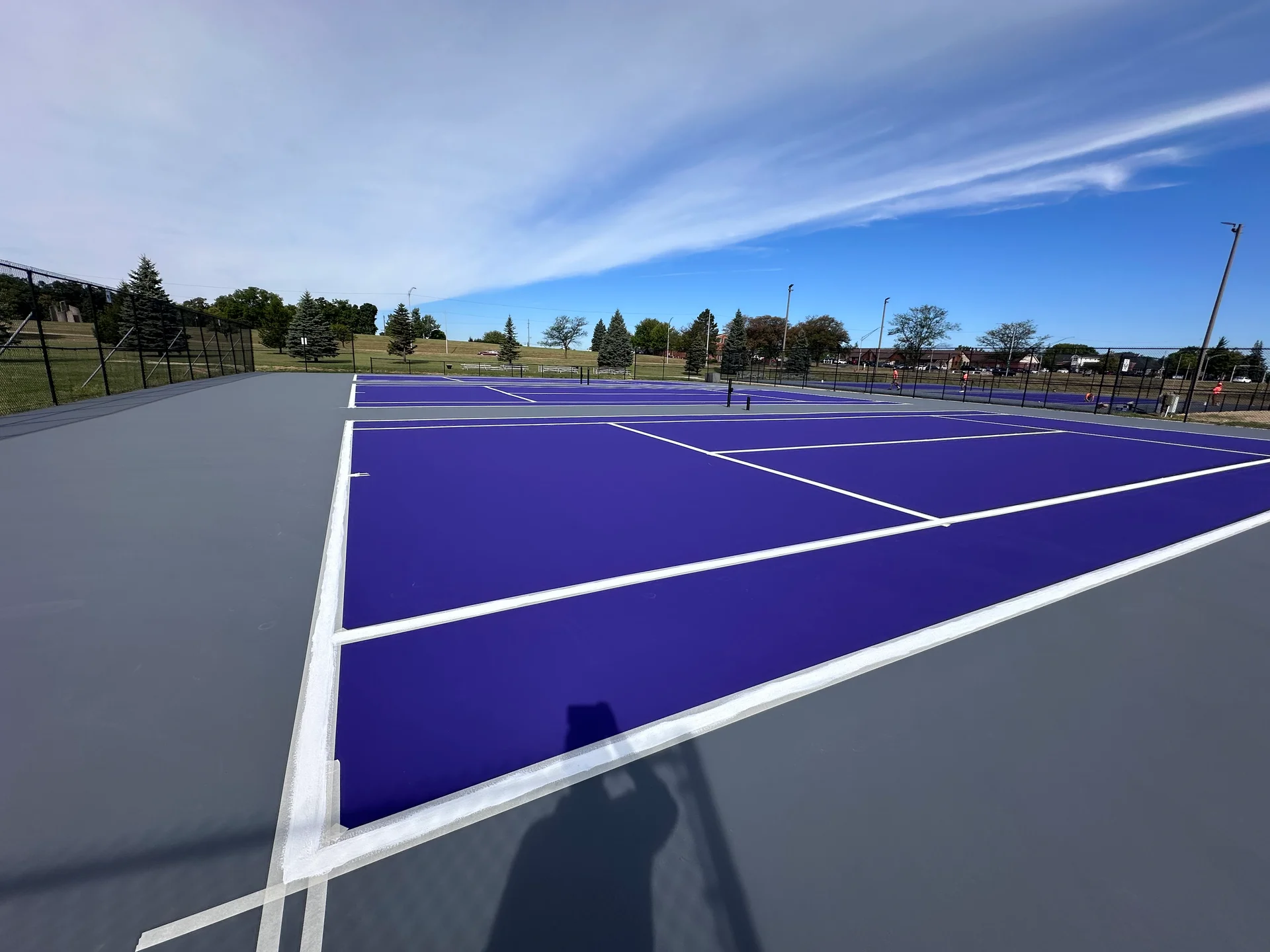
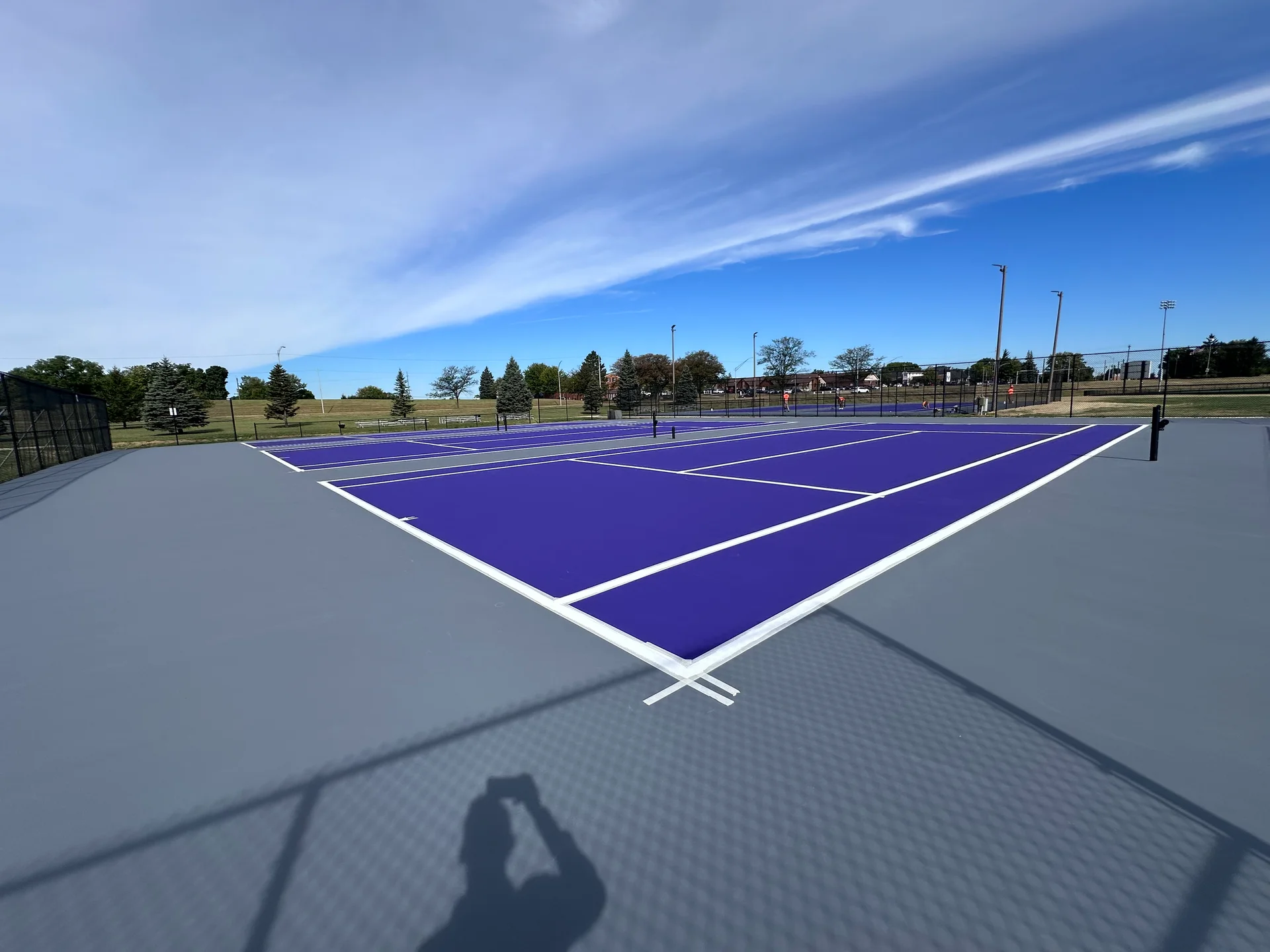
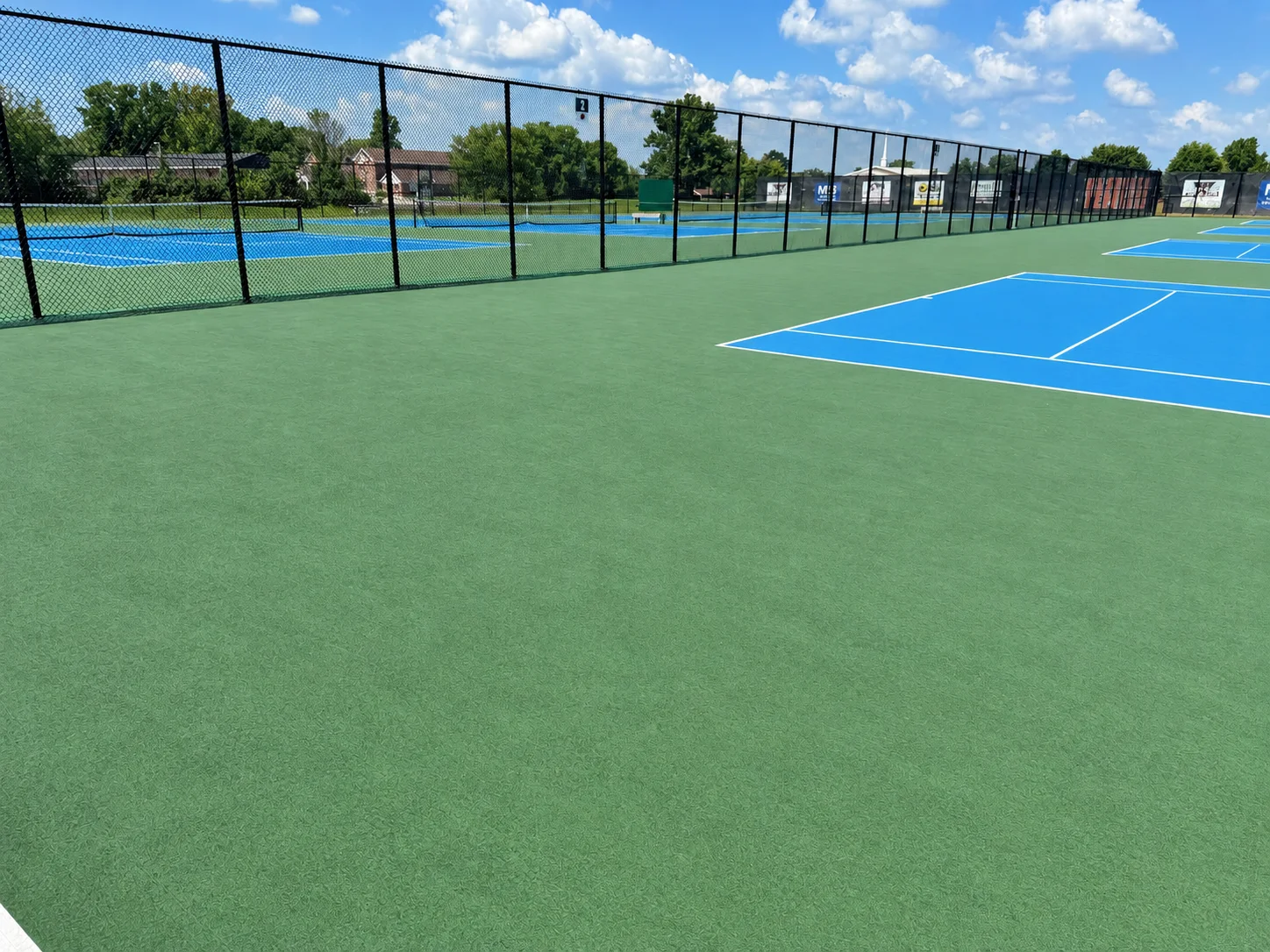
Middletown High School's five tennis courts are back in match shape: a new asphalt surface over repaired cracks, a five-coat acrylic color system in purple and gray, crisp white lines, new nets, and new drainage that carries water away from the courts instead of under them. Prodigy restored the courts for Middletown City Schools in 2024 through the TOP-C cooperative contract, reusing the fencing, net foundations and posts that were still sound so the budget went into the playing surface.
For a district with courts that are cracking, holding water or fading, Middletown shows the order that makes a resurfacing last: fix the cracks, give the water somewhere to go, then color the surface.
Technical Discussion
Five coats of color, and why they wait for the asphalt
The color on a tennis court is not paint in the way a wall is painted. It is an acrylic system built up in layers, and the number of coats and what is in each one decide how the court looks, how it plays and how long it lasts. Middletown's contract calls for a five-coat system over new asphalt.
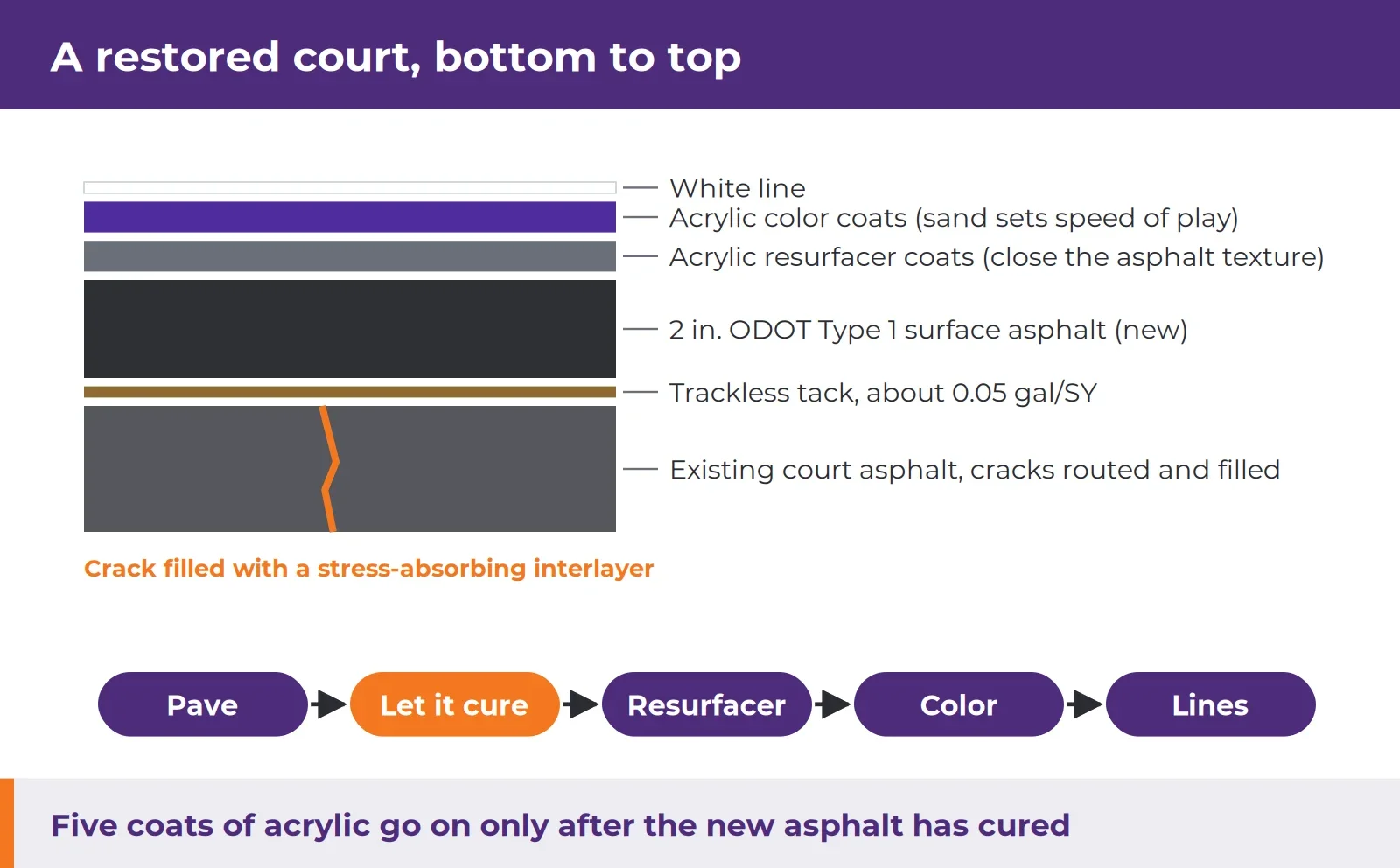
Figure 1: The Middletown court build-up, and the order the work has to happen in.
Why the color waits
Fresh asphalt is still giving off oils as it cures. An acrylic coating put down too early can discolor, soften or lose its bond as those oils work to the surface. Surfacing manufacturers publish cure times before the first coat; SportMaster, for example, recommends 30 days for new asphalt in good curing weather, and project specifications commonly land somewhere between two and four weeks. Coatings also want warm, dry conditions, generally 50°F and rising, which is why a court overlaid late in the season can end up waiting on the calendar as well as the asphalt.
What the coats do
A five-coat system is commonly built as two coats of acrylic resurfacer followed by three color coats. The resurfacer is a sand-filled filler coat. It closes the open texture of the new asphalt so the finished surface is uniform and the color coats do not simply soak into the voids and telegraph the aggregate. The color coats carry the pigment and a graded silica sand, and that sand is what sets the speed of play: the size and shape of the sand determine how much the ball grabs the surface on the bounce, and manufacturers treat the sand spec as part of the product, not an afterthought. Lines go on last.
When you compare court resurfacing bids, ask how many coats of resurfacer and how many coats of color each one includes, what sand is in the color, and how long the contractor will wait on new asphalt before the first coat. Those three answers go a long way toward explaining the difference between two prices.