
RoofingSouthwest OhioCincinnatiTOP-C purple wordmark logo for The Ohio Purchasing Council cooperative purchasing program

Oak Hills Roofing Updates 2026

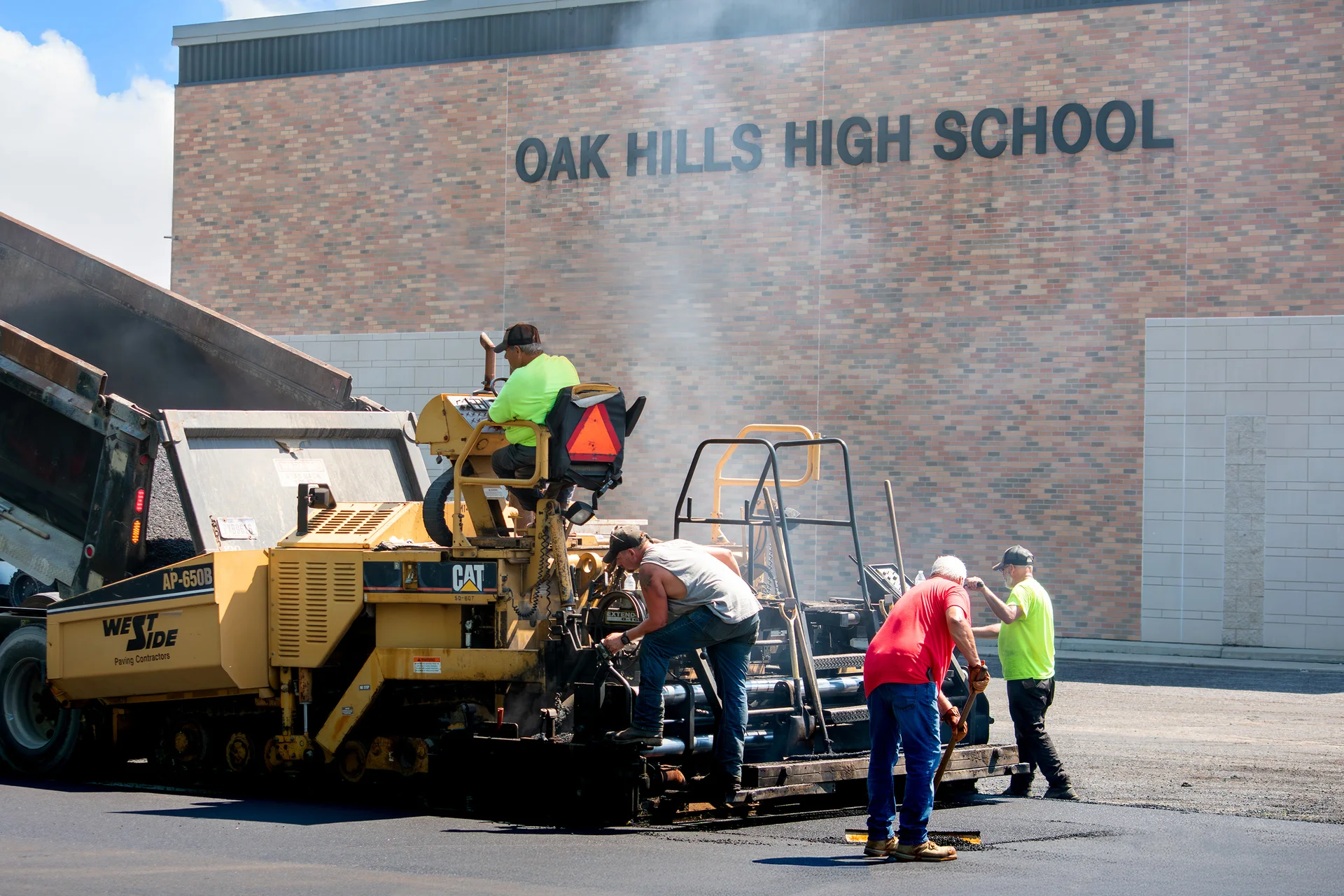
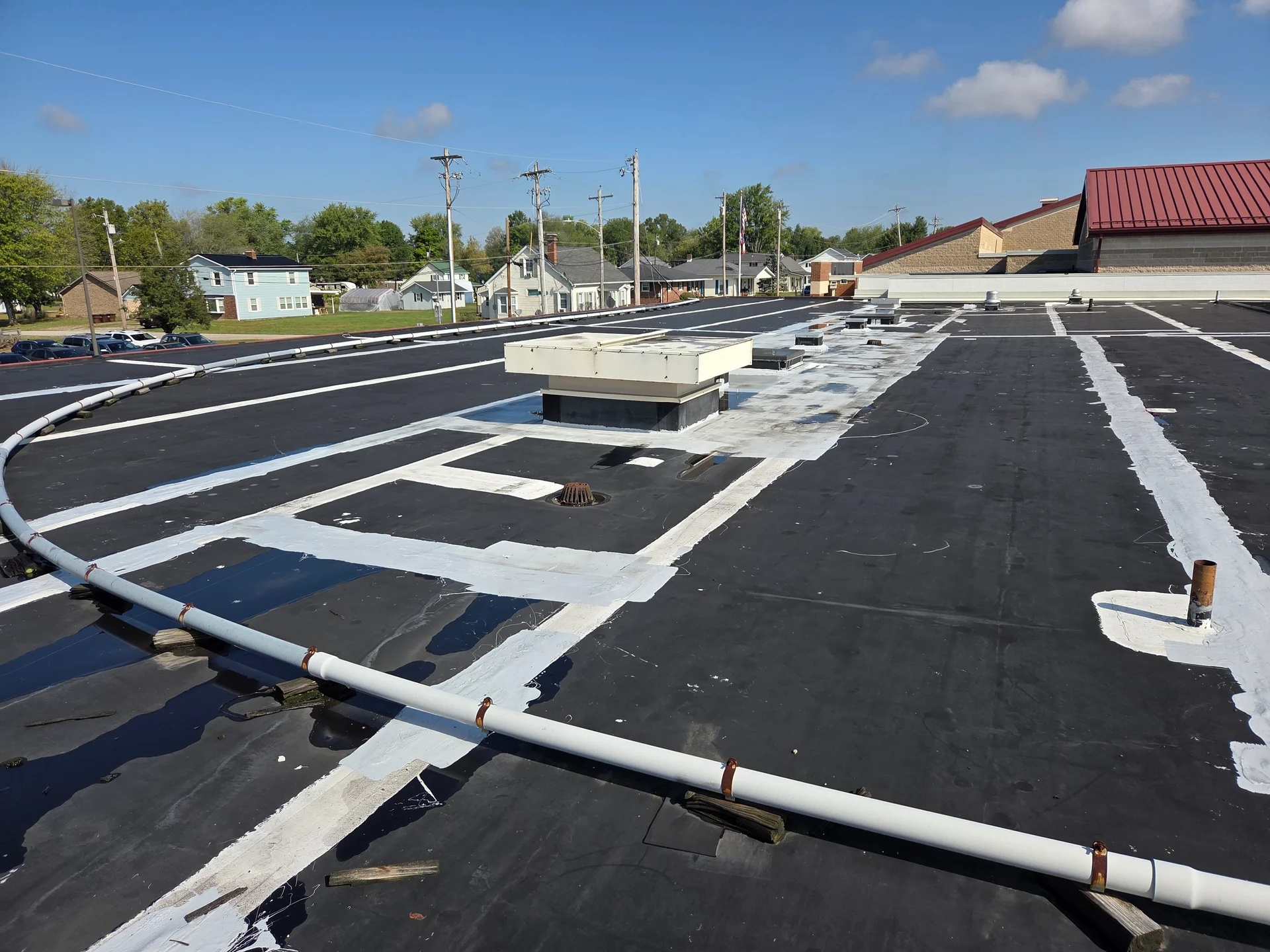
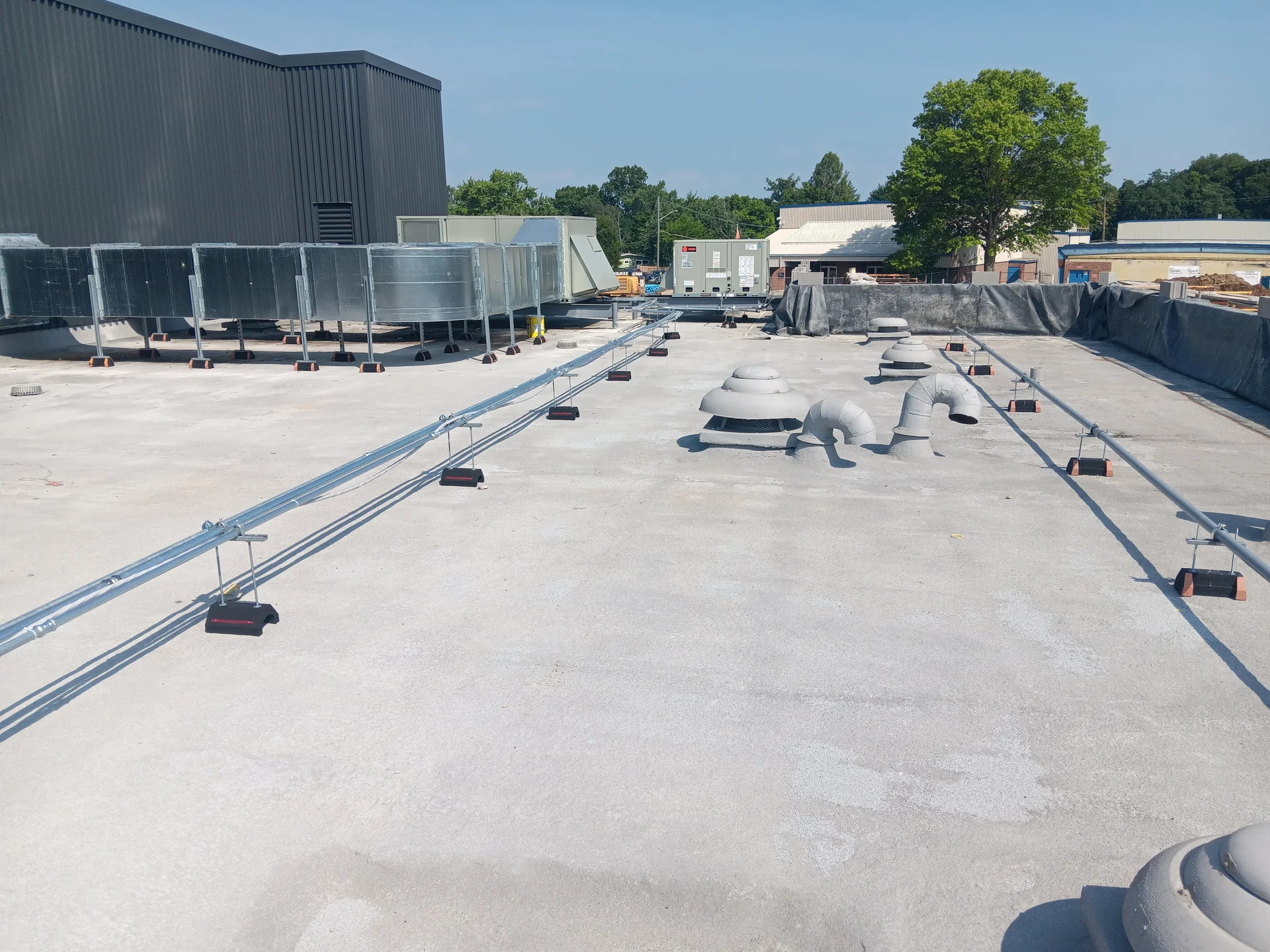
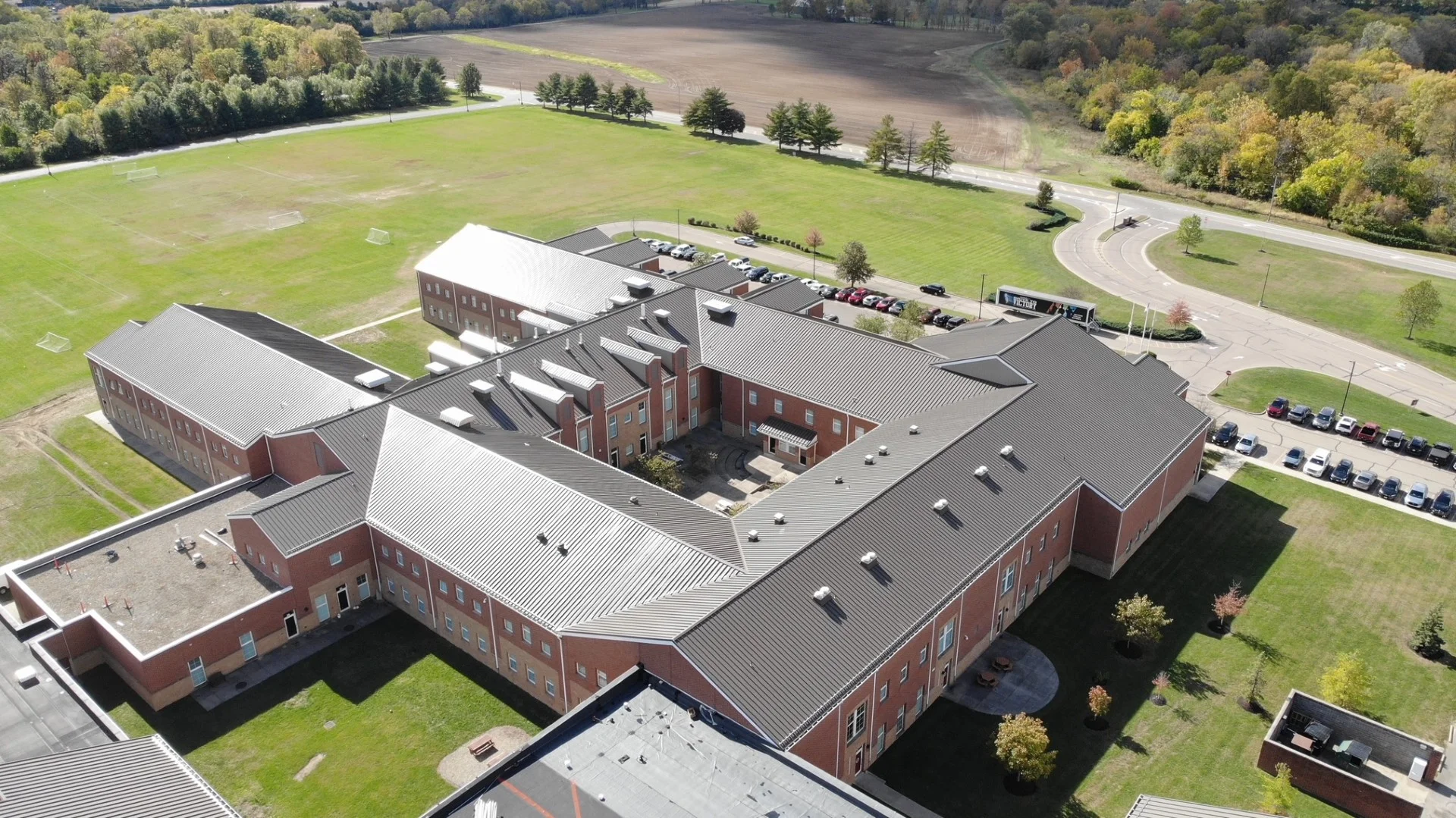
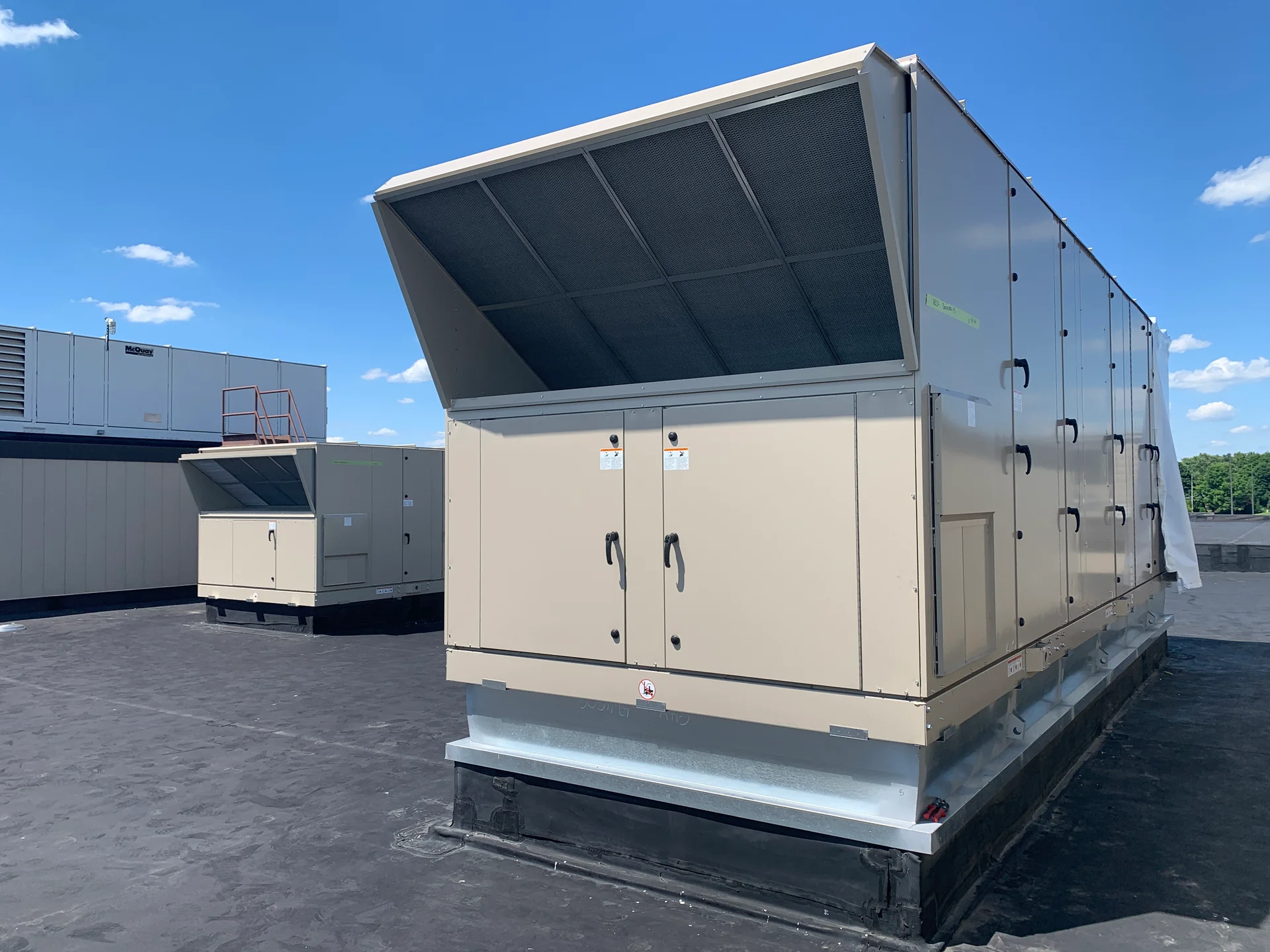
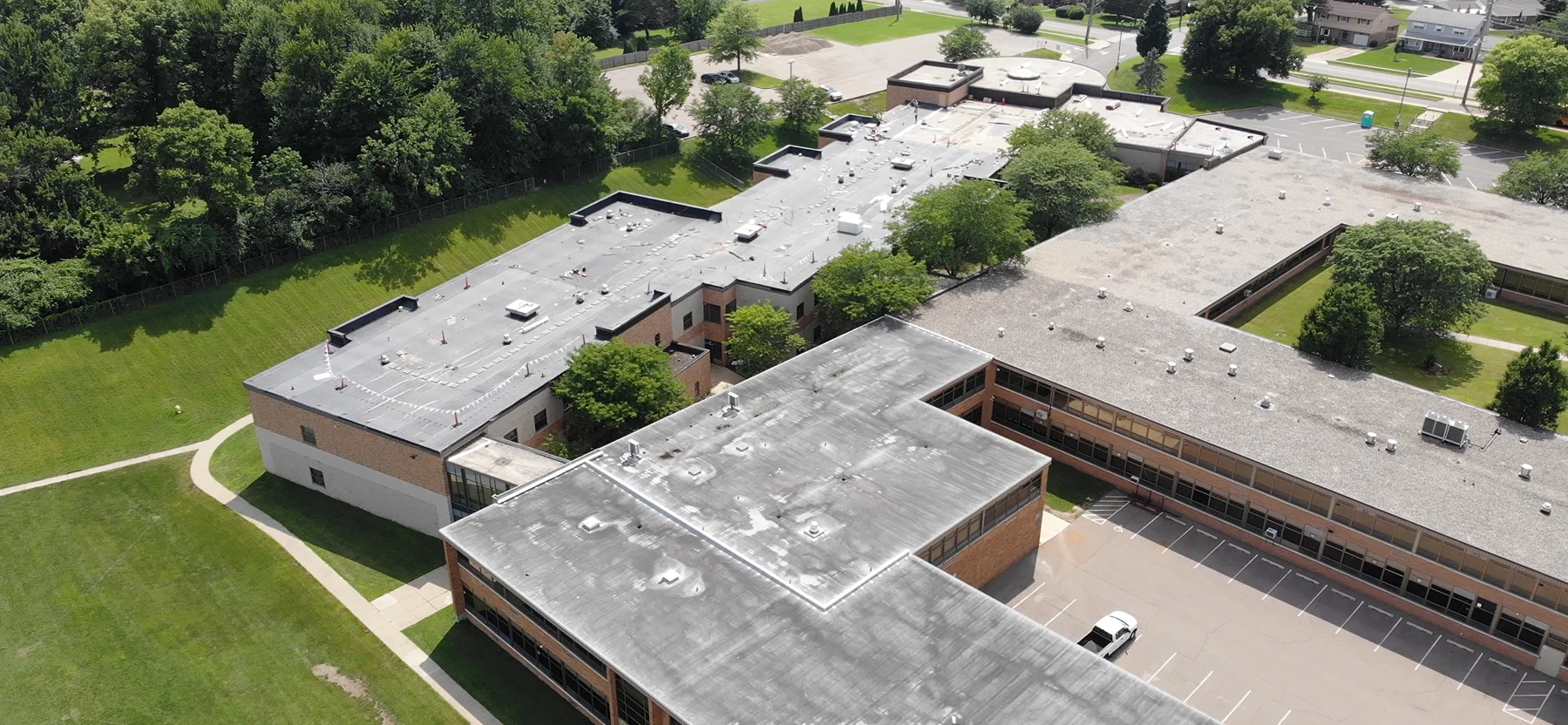
Oak Hills Local School District is putting a new roofing system over the south section of Oak Hills High School in Cincinnati, Ohio. The membrane is 90 mil EPDM rubber, installed with every detail Carlisle requires for a 30-year no dollar limit warranty, with a 40-year membrane manufacturer warranty behind it.

The decision on the page is the thickness. Sixty mil is the default specification on a school roof, and the district went half again heavier. Every foot of perimeter edge metal is replaced with new metal, and the new edge metal is written into the same watertight warranty rather than left sitting outside it — which matters, because the edge is where a rubber roof most often gives up first.

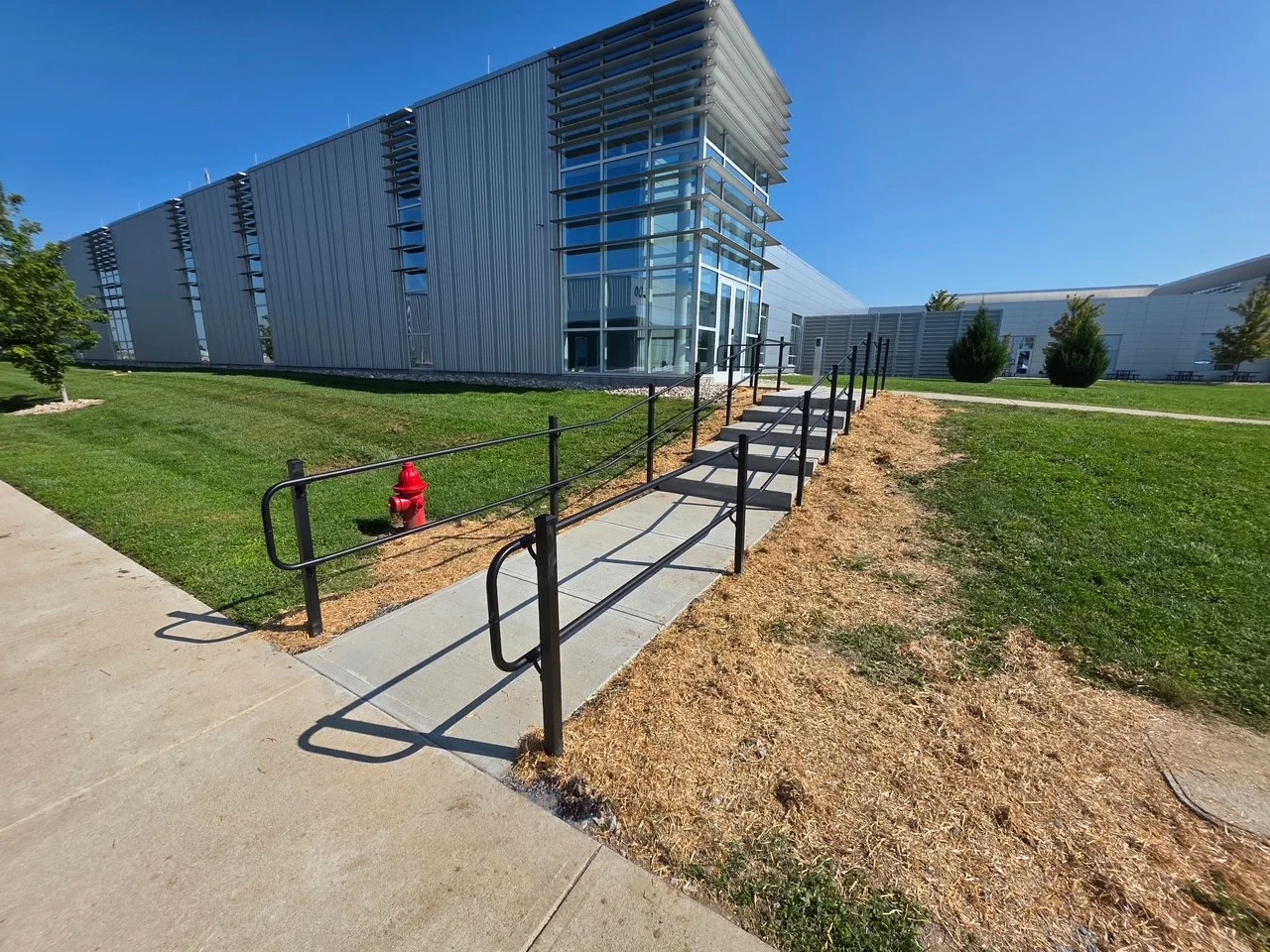
The rest of the roofing scope is the housekeeping that keeps a summer roof job from turning into a fall punch list. Existing ballast is staged in the parking lot and reused rather than hauled off and bought again. Dumpsters and portable toilets are on site for the duration. Grass torn up during the work is brought back to finish grade, seeded and strawed, so the district is not left with the roof fixed and the ground behind the building a mess.

The roof was bought against a pre-bid TOP-C unit price contract the district already holds, on the same agreement it uses for its other maintenance work.
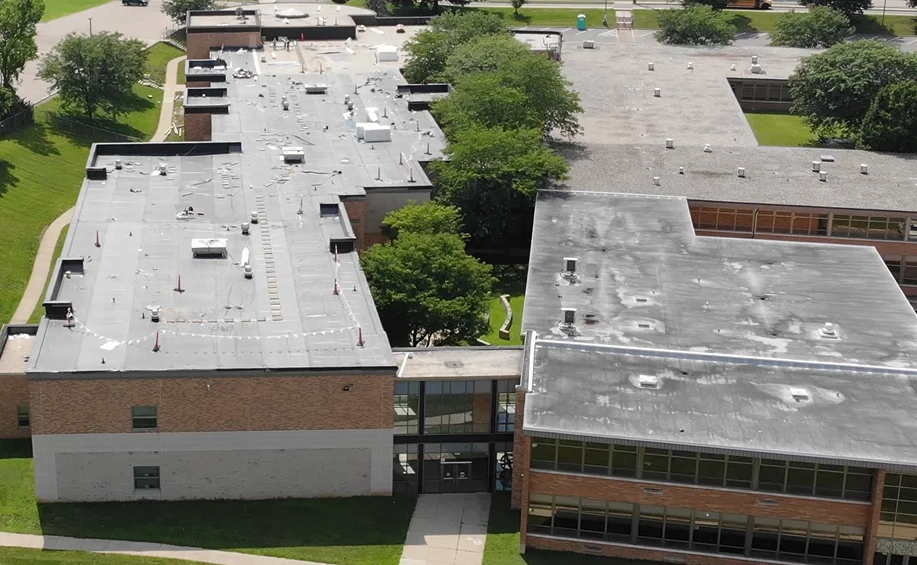
Oak Hills Roofing Updates 2026 — photo 1

Technical Discussion

Why ninety mil instead of sixty

EPDM is sold by thickness, and thickness is close to the only specification decision a district actually makes on a rubber roof. Sixty mil is the default. It satisfies the warranty requirements, it installs the same way, and on a building nobody walks it will very likely outlast the people who approved it. The case for ninety is not that sixty is a bad membrane. It is about what happens between the day the crew leaves and the end of the warranty.

A rubber roof rarely fails as a sheet. It fails at a puncture: a dropped tool, a screw left behind by another trade, a heel driving a piece of stone through the membrane on a hot afternoon when the rubber is soft. Ninety mil is half again more material to get through, and it is thicker in the places where thickness is doing work — over plates and fasteners, at the edge, and anywhere someone kneels down.

Which is why who walks the roof decides the question. A district with its own maintenance staff has people up there through the year, after storms and at the drains. Those visits are the reason roofs get punctured and also the reason punctures get found before they become deck problems, and a heavier sheet improves the odds on both counts. A building whose roof is visited twice a year by a contractor is carrying a different risk, and sixty mil may well be the right answer for it.

The warranty package follows the same logic. A 30-year no dollar limit warranty is not really a promise about the membrane, it is a promise about the details, which is why the contract carries all of the details Carlisle requires to earn it and why the perimeter edge metal is replaced and pulled inside the watertight warranty rather than left as the one assembly up there that nobody covers. The 40-year membrane warranty sits behind that. Sheet thickness and detail work are what those two numbers are actually bought with.

Our Work
Similar Projects