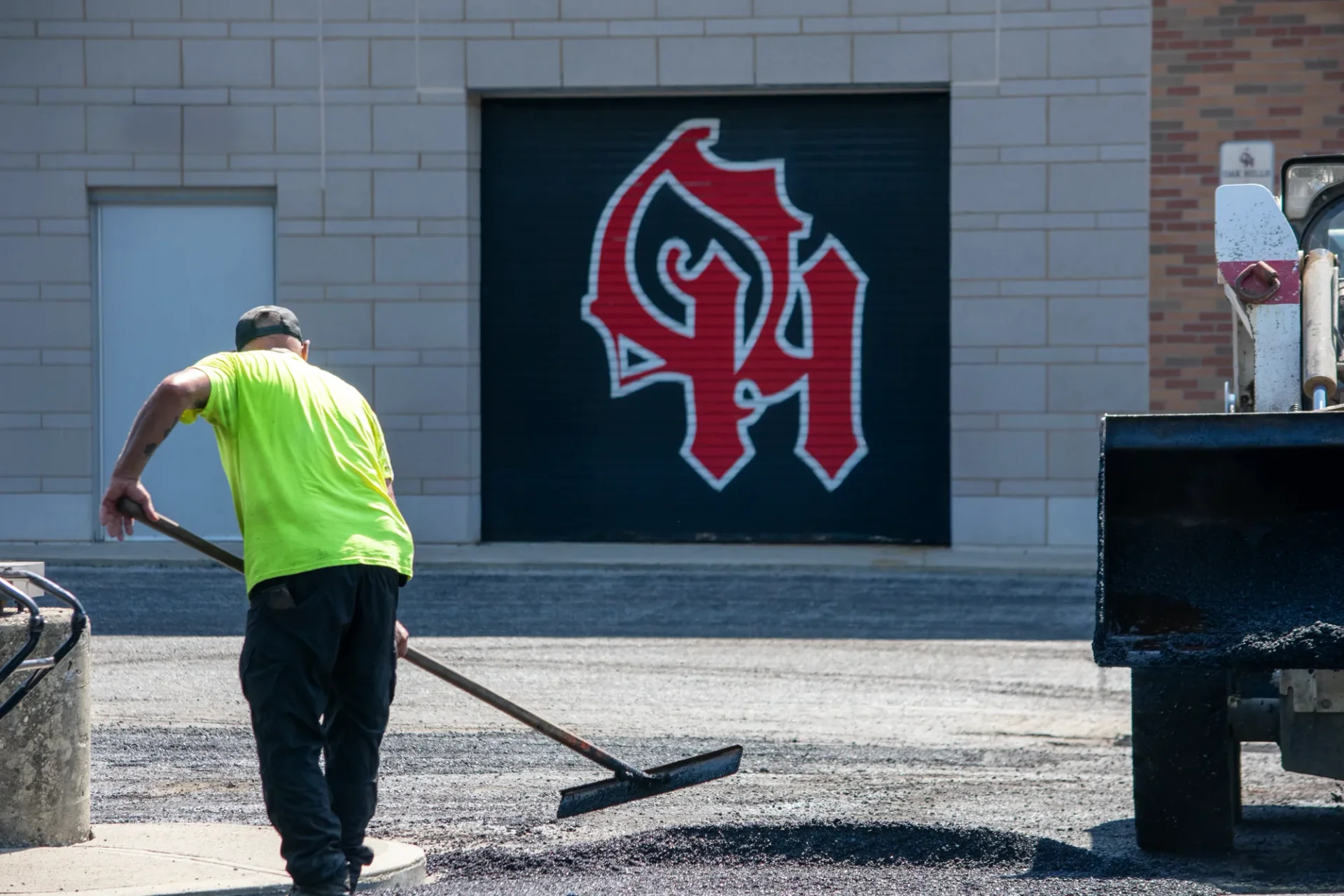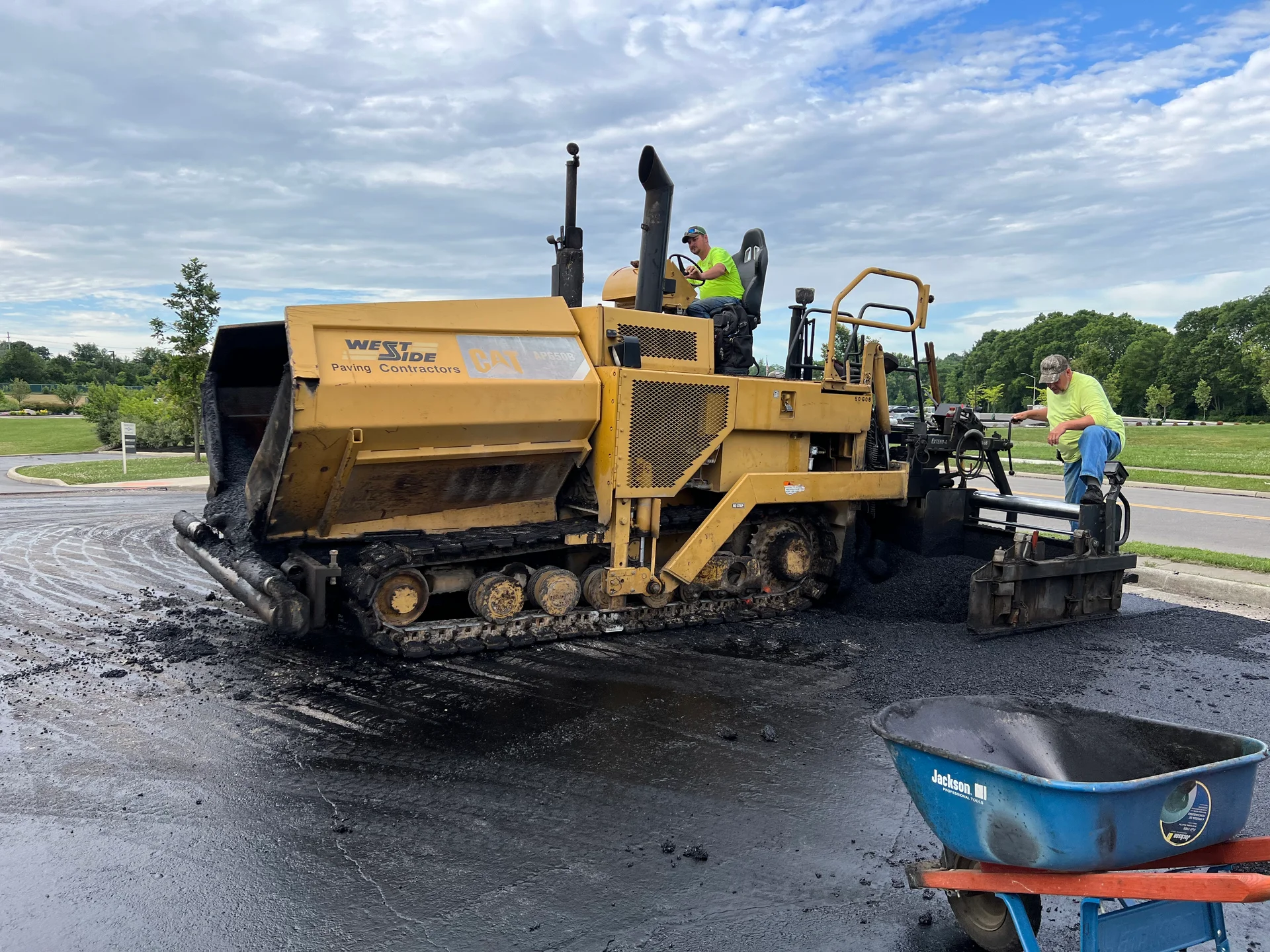
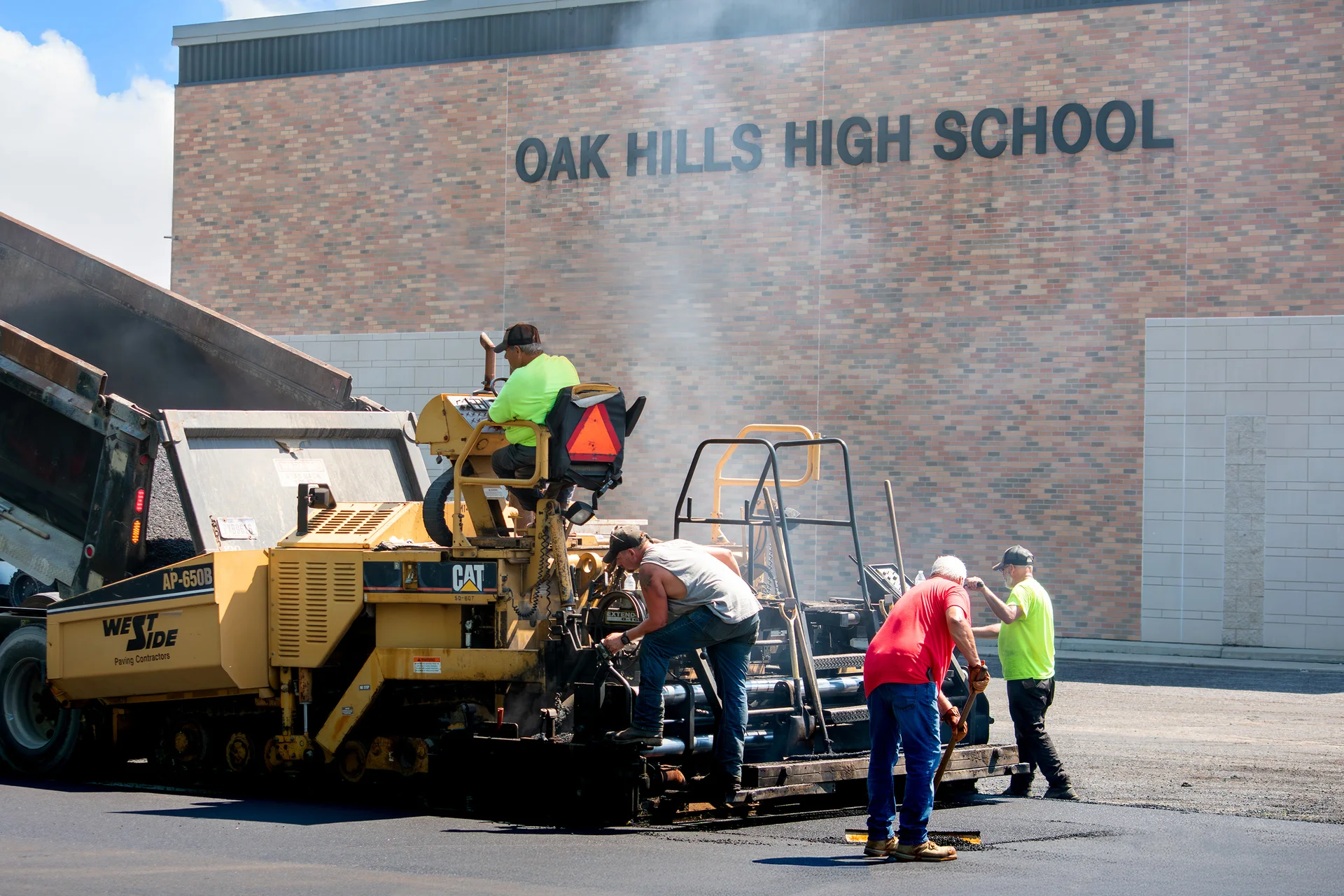

Paving crew working the asphalt machine beside the Oak Hills building
PavingSouthwest OhioCincinnatiTOP-C purple wordmark logo for The Ohio Purchasing Council cooperative purchasing program

Oak Hills School District Paving

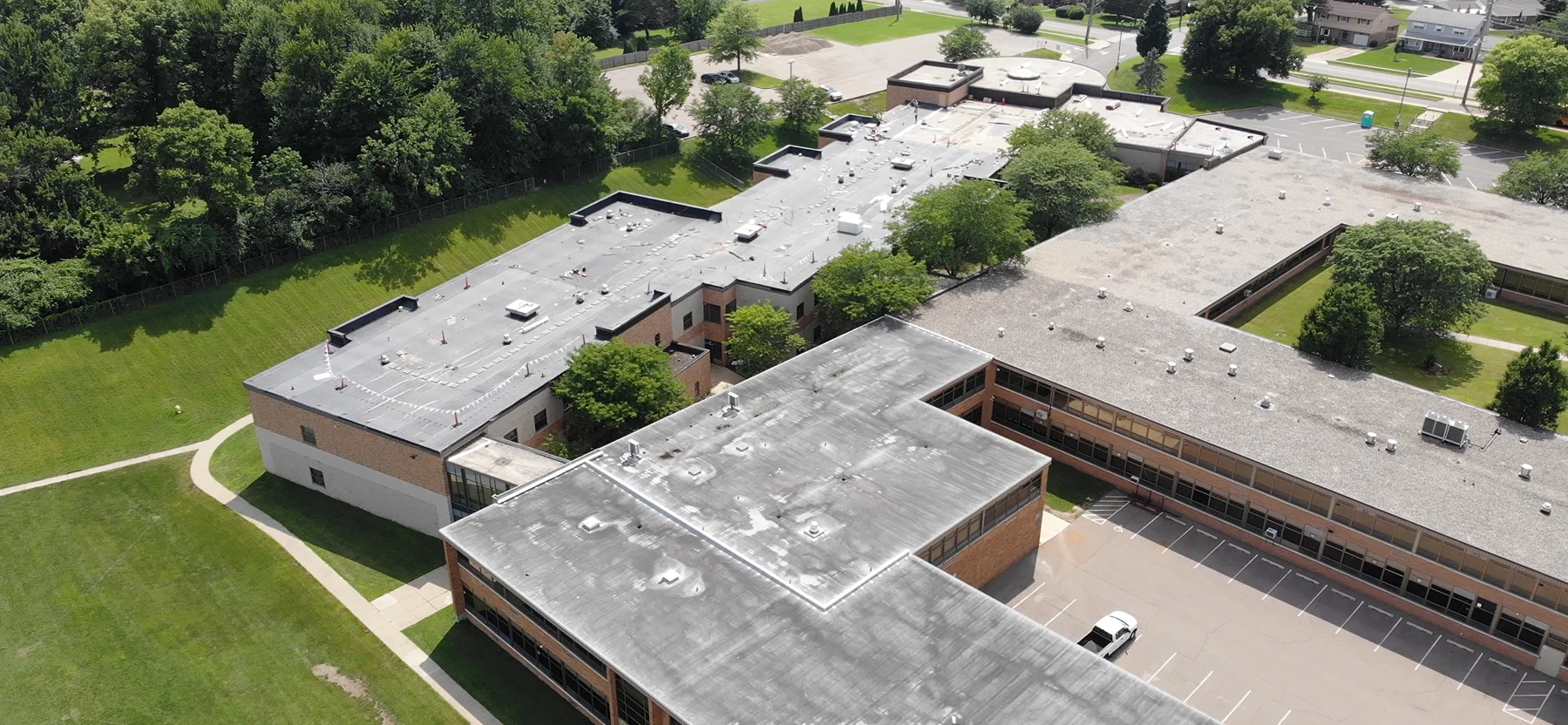
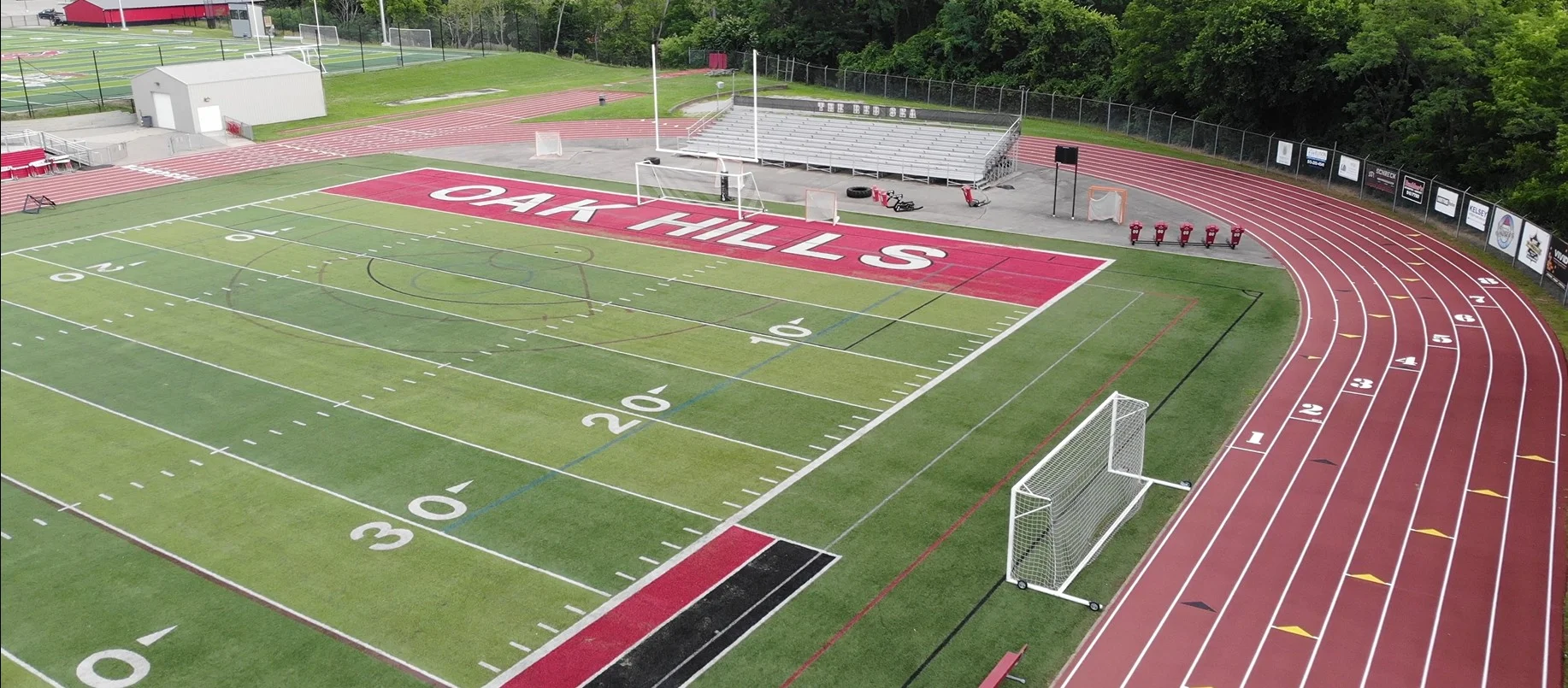
Oak Hills School District has been paving on a calendar rather than on an emergency, and has been doing it for years — paving contracts run from 2018 through the 2026 season. Each summer takes a mapped set of areas rather than a whole campus, which is why no single year has ever had to carry a full reconstruction.

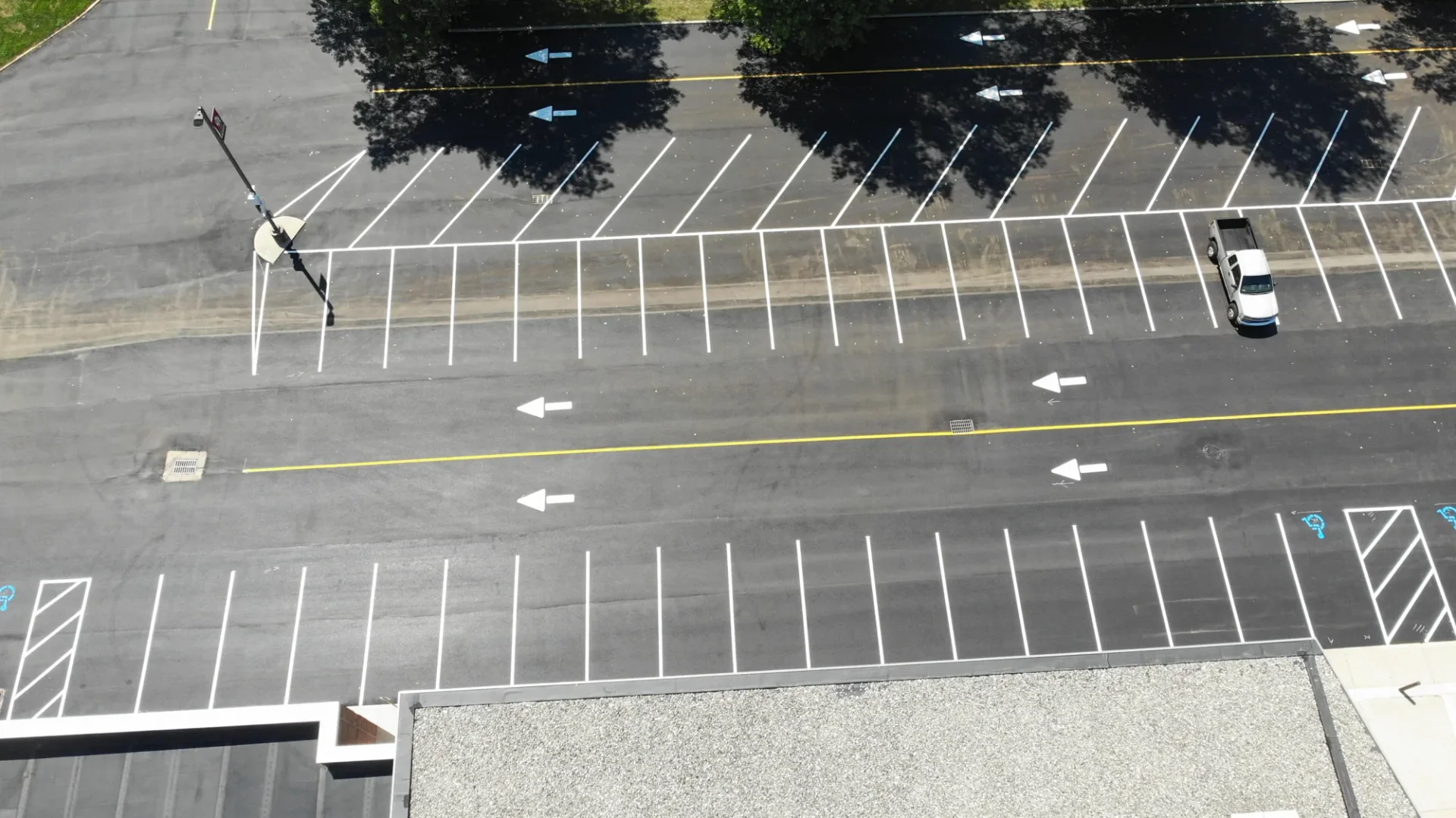
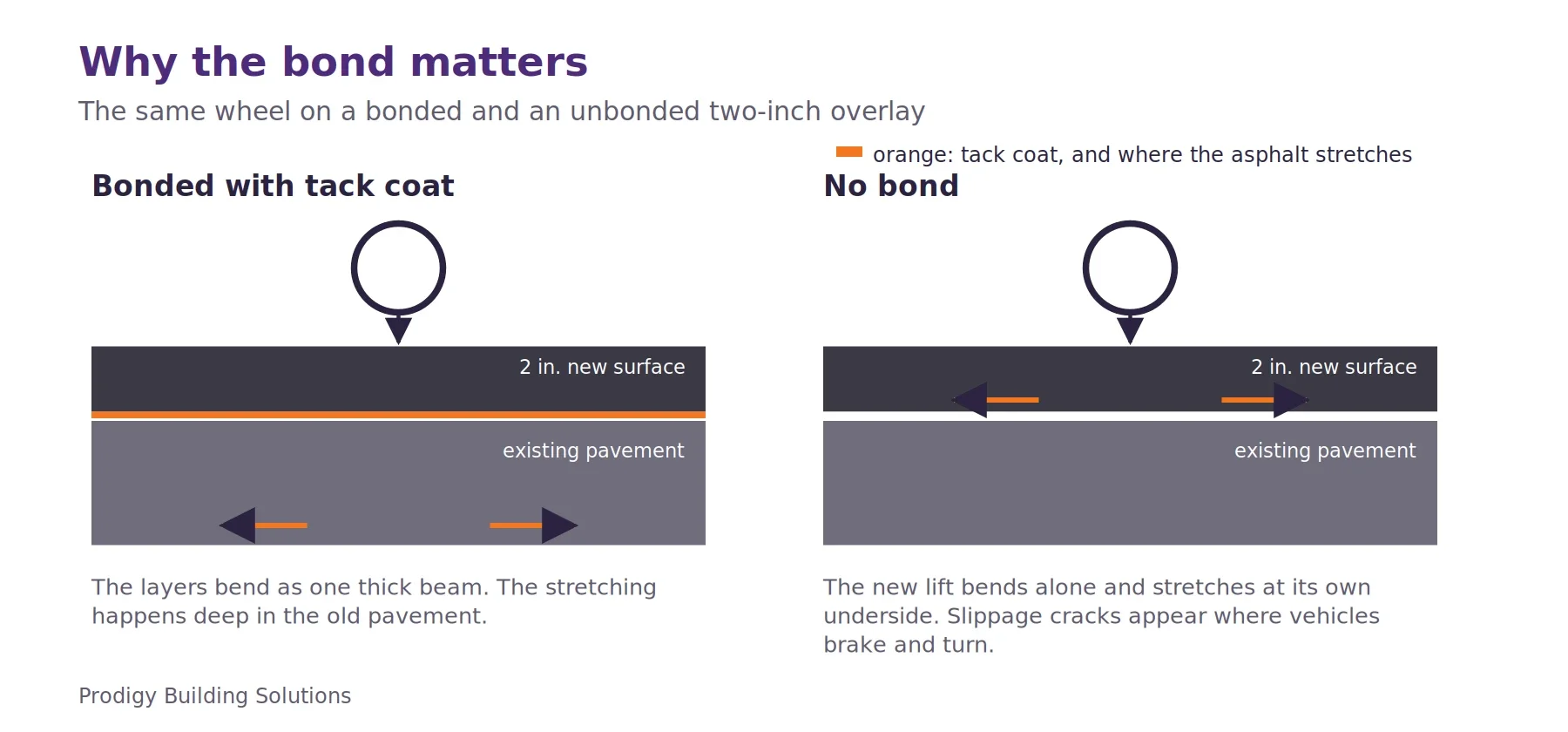
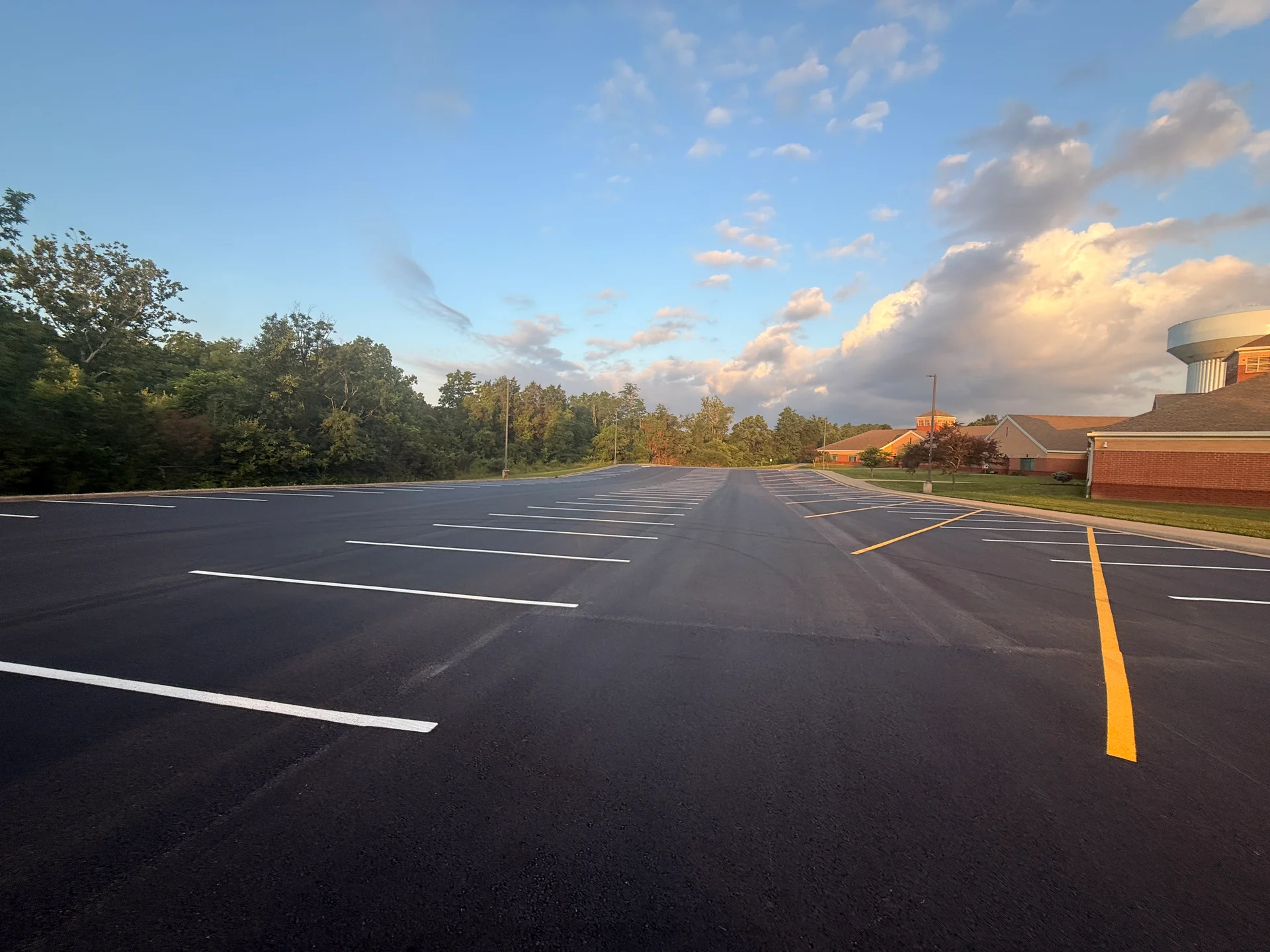
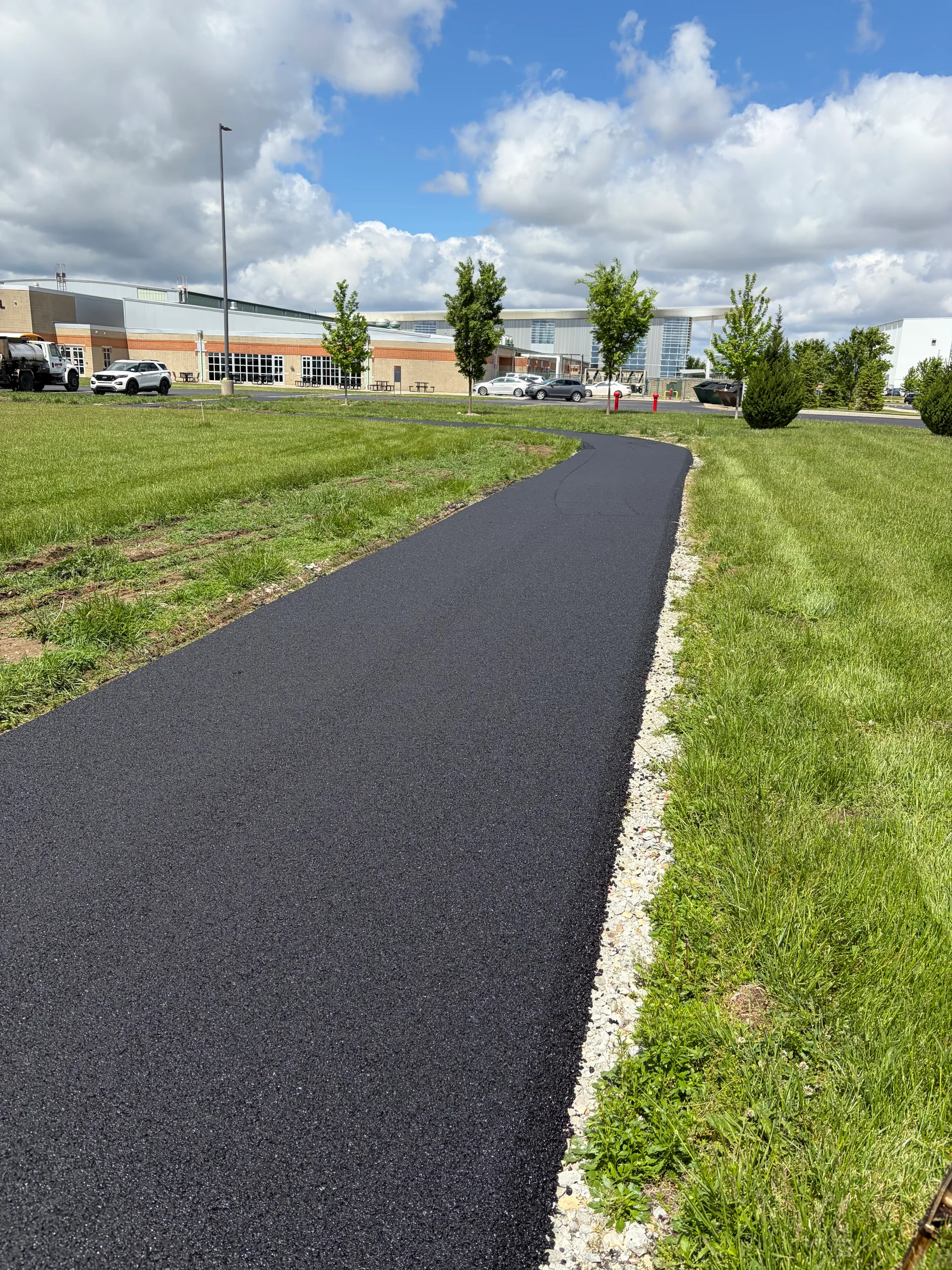
The 2025 contract is the current example of the pattern. It covers the paving areas identified in four colors on the Oak Hills High School site map. Car stops are pulled and stockpiled, one catch basin in the drive lane of the south lot is reconstructed to grade, and the marked areas are profile milled two inches deep with the millings hauled off site. Trackless tack goes down, then two compacted inches of surface course asphalt. The lot is striped to match the layout it already had, and the stockpiled car stops go back where they came from. Final completion on the high school work was signed in August 2025.

What the district has at the end of each of these summers is not a finished district — it is one more section of pavement reset before it got expensive, bought against the same pre-bid TOP-C unit price schedule as the year before it and the year after.
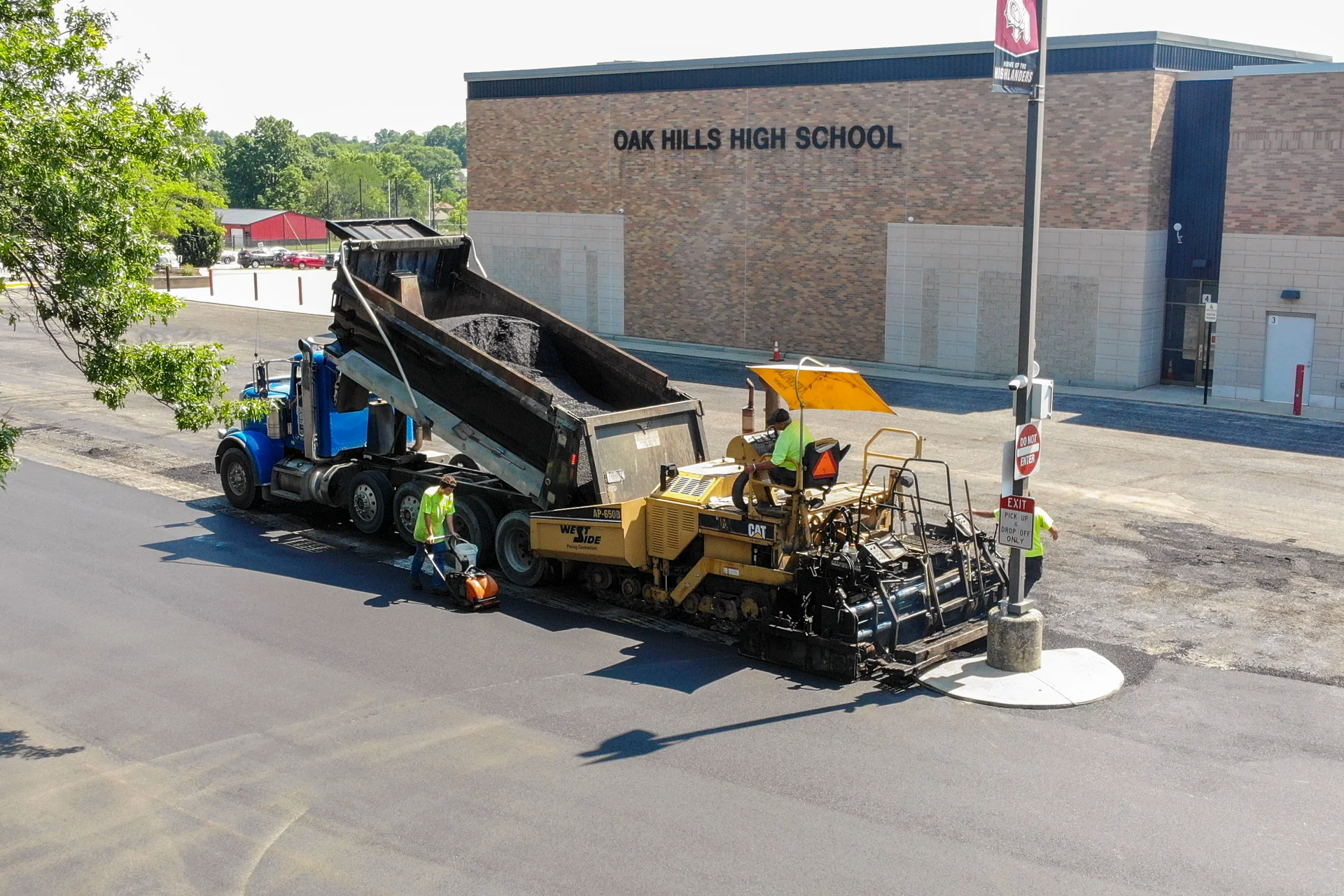
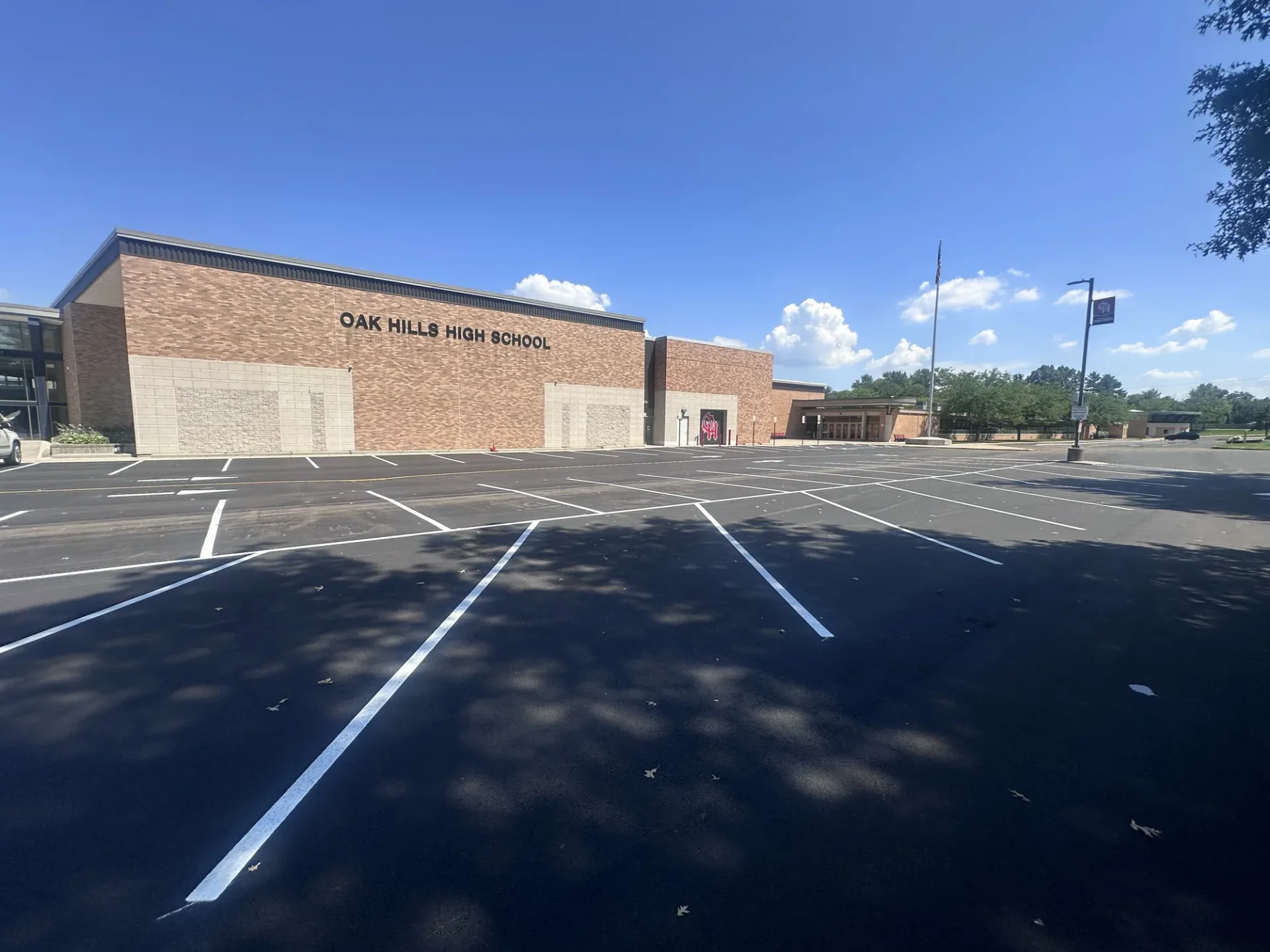
Paver and dump truck laying new asphalt beside the Oak Hills school

Technical Discussion

What a district buys by paving on a schedule

Ask a facilities director why a lot got reconstructed and the answer is usually the same: it was on the list for years and it kept losing to something more urgent. A parking lot is the easiest capital item in a district to defer, because deferring it costs nothing this year. The bill for that arrives all at once, and by then the question is no longer resurfacing. It is whether the base survived.

Oak Hills runs the opposite way. The district has a paving contract almost every year from 2018 forward, and each one takes a defined piece of the district — in 2025, the areas marked red, yellow, blue and orange on the high school site map. That structure does three things at once. It keeps every summer's scope small enough to fit between graduation and the first bus run in August. It keeps the work inside the wearing course, which is where paving is cheap: two inches milled off, two inches of surface course put back. And it means the district is never bidding a reconstruction, because no area is left long enough to become one.

The pricing works the same way. Because every year draws on the same unit price schedule, the district is not re-establishing a market rate each summer or re-scoping from scratch. It is choosing how many square yards to buy this year at a price it already knows. That is a conversation a treasurer can have in a budget cycle, in units of area rather than in units of project.

The rest is housekeeping that keeps the program repeatable. Car stops come out and go back rather than getting broken and replaced. The one catch basin in the south lot drive lane is reset to grade before the new surface goes over it, because a structure sitting low is where the next failure starts. Striping matches what was there, so nothing about traffic on the campus changes when school returns.

Our Work

Similar Projects