
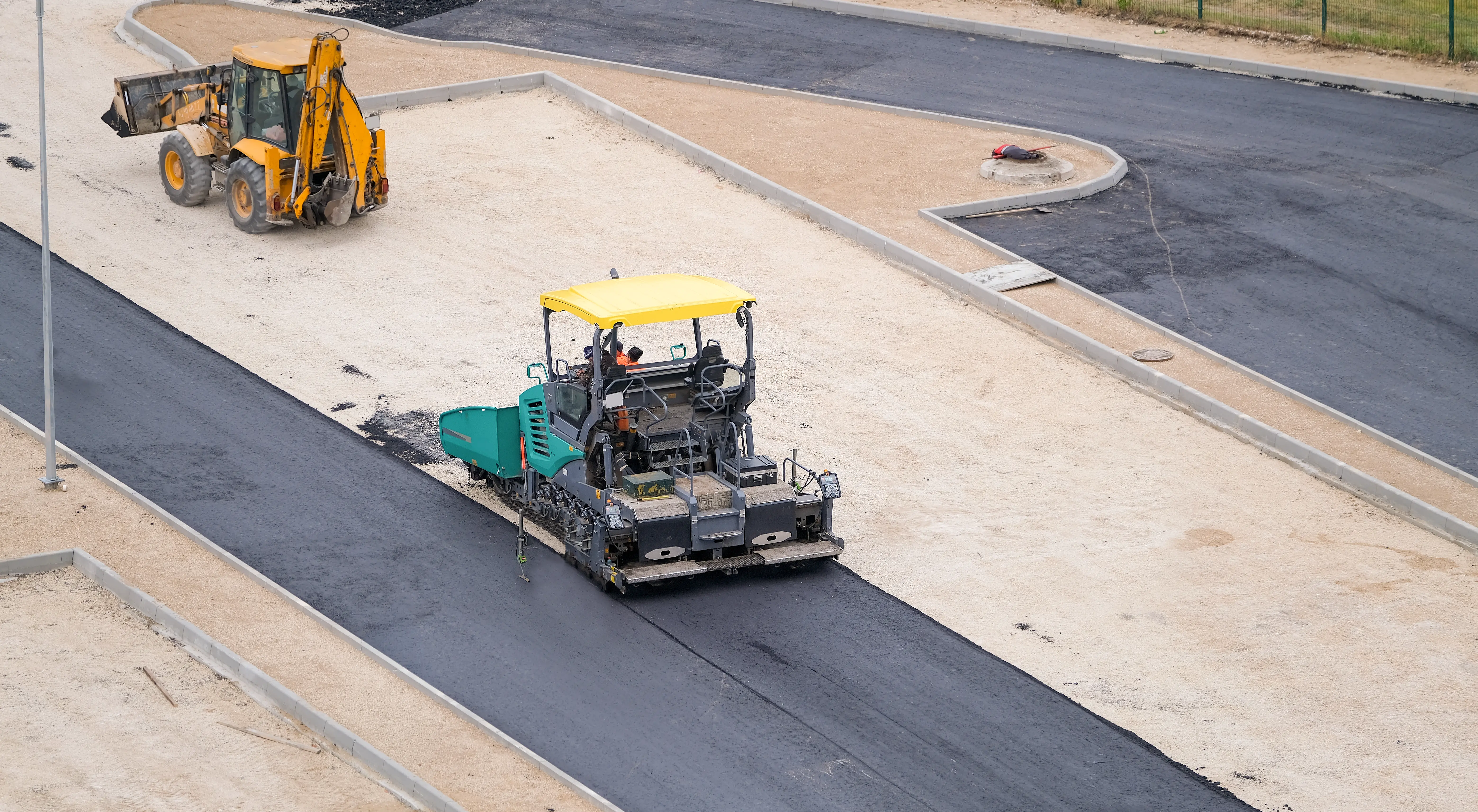
Paving That Gets Verified
Core testing before the project, compaction and thickness testing after — so the 2 inches you paid for are the 2 inches you got.
The Cheapest Paving Bid Is Often the Thinnest
Asphalt is a commodity, and material is typically the largest share of any paving job. That is exactly why a low bid is easy to win: shave a quarter inch off a two-inch overlay and the lot looks identical on day one while a meaningful slice of the cost disappears. Most owners have no way to check. Prodigy is an engineering firm that manages paving for Ohio schools, cities, and counties — we core-test the existing pavement before we design, bid the work out competitively even when the project is procured through a cooperative contract, and verify compaction and thickness after the rollers leave.
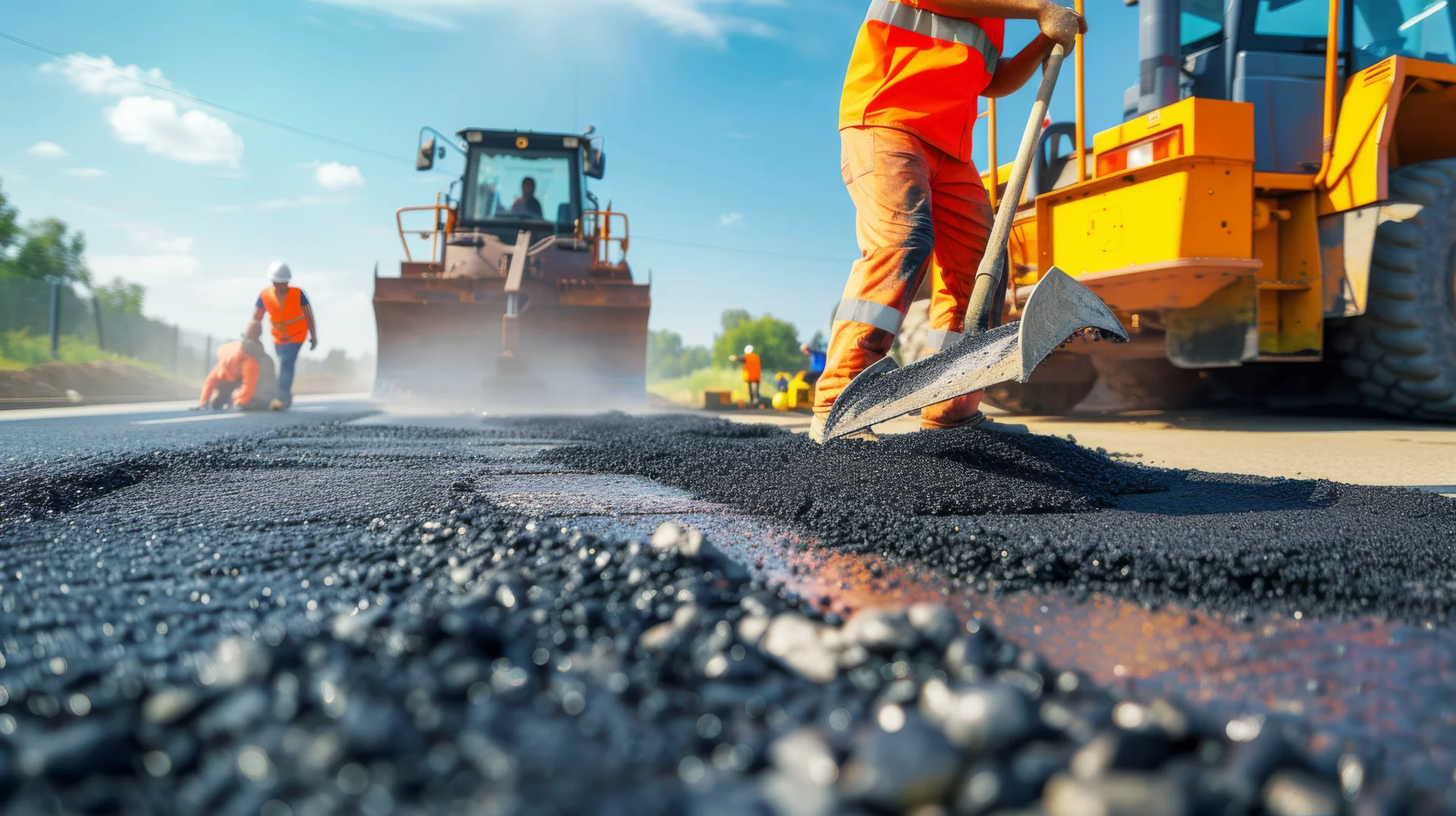
Why Ohio Schools, Cities and Counties Choose Prodigy for Paving
Compaction and thickness testing on every project. We measure what was installed, not what was promised. A paver who knows the lift will be checked paves to the spec.
Coring and load testing before design. The right grind depth and overlay thickness depend on what's under the surface. We core the existing pavement so the design fits your lot instead of a generic spec.
In-house engineers, not a rep-written spec. No soil netting and full-depth requirements copied into a grind-and-overlay. No design left to the contractor either. Right-sized scope for the condition you actually have.
Competitively bid, cooperative-purchasing eligible. Public agencies can procure through a competitively bid cooperative contract (ORC 167.081 / ORC 9.48), and we still bid the paving out to qualified installers so you get both compliance and market pricing.
Summer scheduling leverage. Schools and municipal buildings all pave in the same short window. We aggregate that work and, when it helps the price, buy the asphalt separately from the installation.
One project manager, start to finish. Pre-evaluation through the closeout binder, with the test reports in it.
Our Work
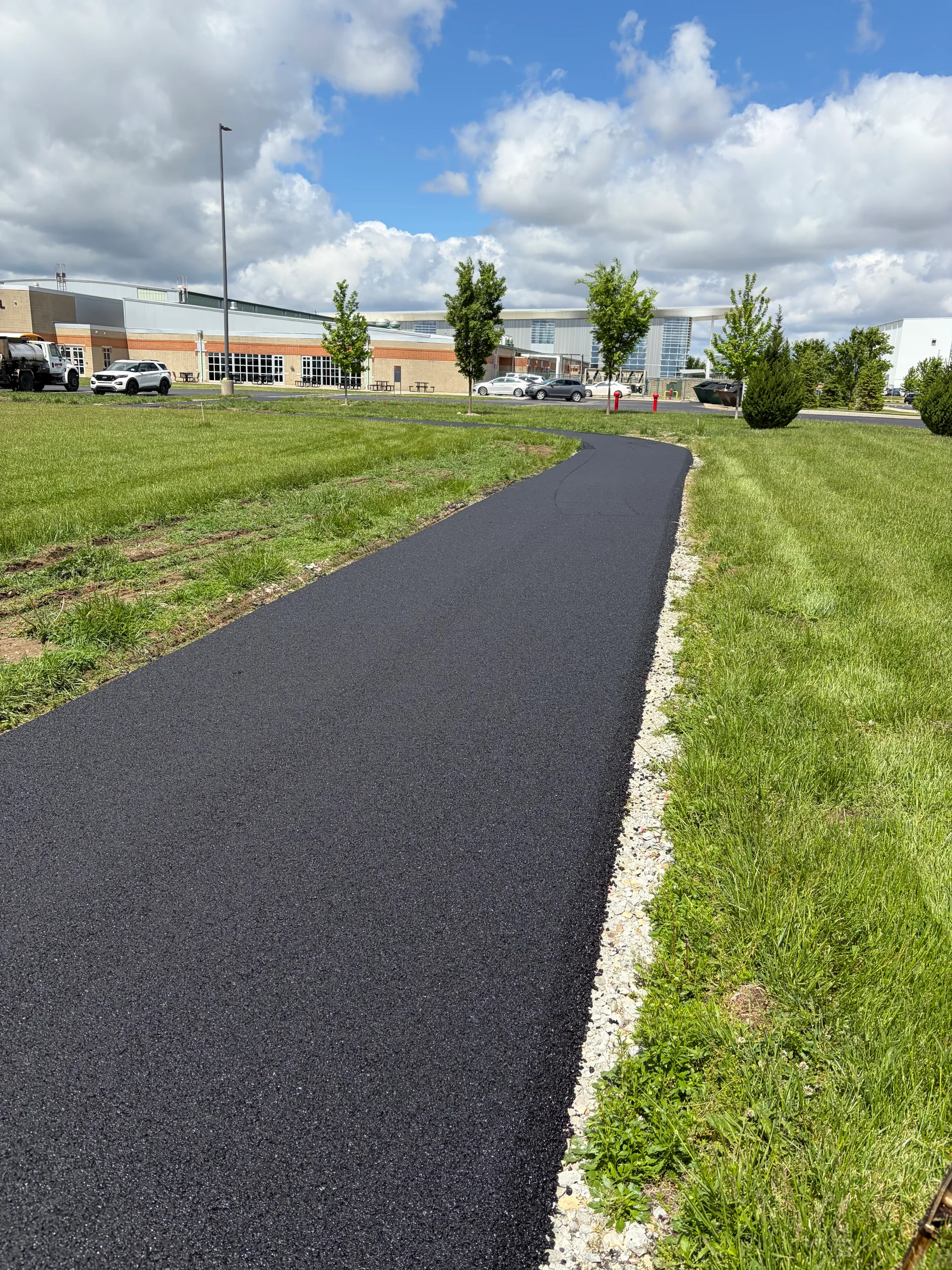
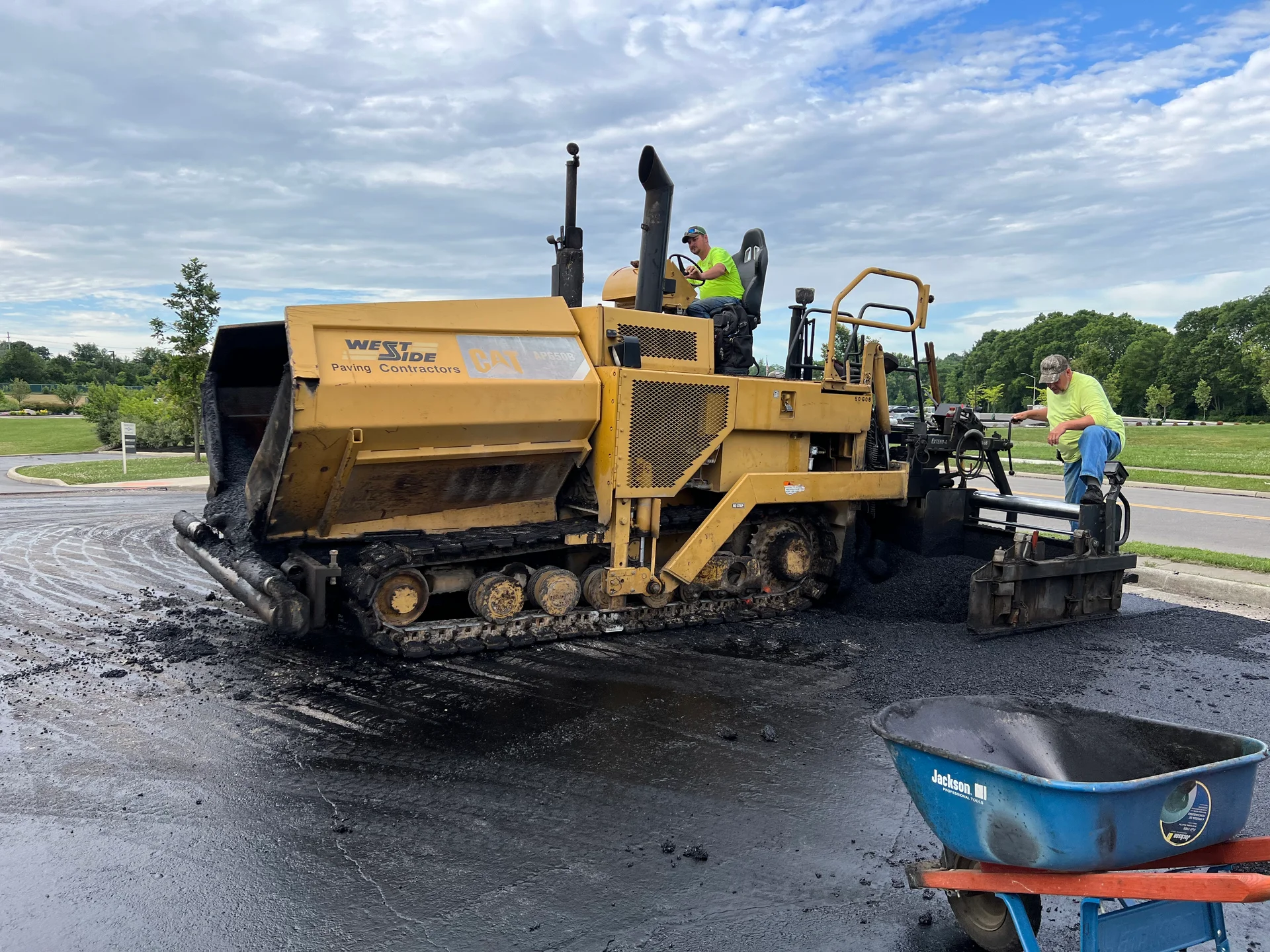
Paving Projects
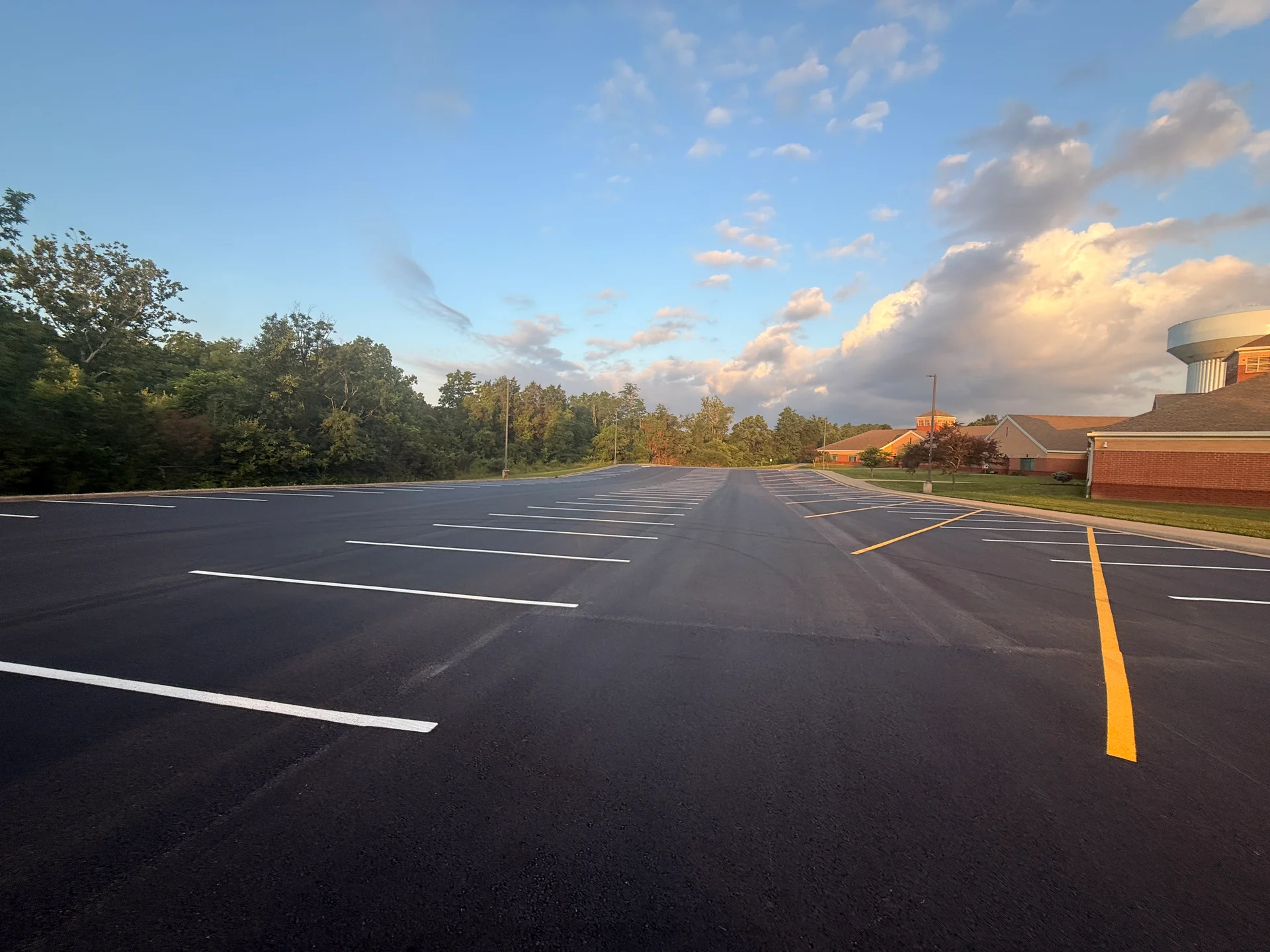
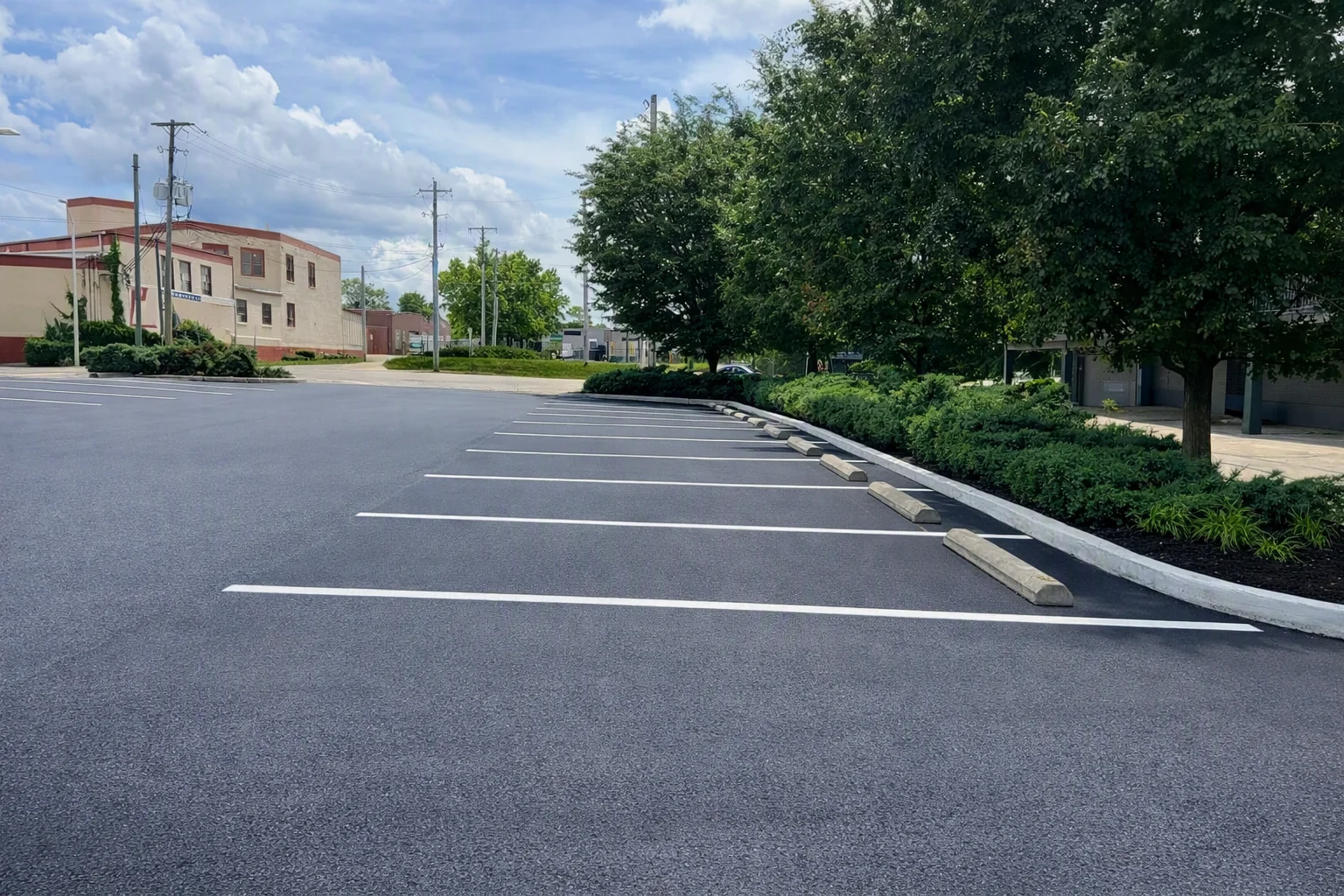


Paving Technical Discussion
The Quarter Inch Nobody Sees
Here is the problem with paving as it is usually bought. An owner writes (or borrows) a specification — say a 2-inch mill and overlay — and awards it to the lowest bidder. On paving, material is typically the biggest cost, and the installer controls how much of it goes down. A crew that lays 1.75 inches instead of 2 uses about 12% less asphalt, the lot looks the same the day it opens, and nobody with a measuring tool ever shows up to check.
The reality: thickness and compaction are the two numbers that decide how long a lot lasts, and neither is visible from the surface. A lift that is thin or under-compacted lets water in, ravels at the edges, and fails early under bus and truck loading. Owners see the result four or five years later and assume "that's just asphalt." It usually isn't. It is a quarter inch that was never verified.
Prodigy verifies. We core-test before the design is written, and we test compaction and thickness after placement. We're also on site when asphalt is going down the installer knows from day one that the testing is coming.

Why "Just Follow the Spec" Doesn't Work Either
The opposite failure is the overbuilt spec. When an owner hires a civil firm to write the bid package for a routine overlay, the package often carries requirements that belong on a new build — geotextile fabric everywhere, full-depth sections, extensive soil work — regardless of whether the existing base is sound. Every bidder prices every line, and the owner pays for work that a core sample would have shown was unnecessary.
There is real engineering in the middle. If the base is good, grinding too deep removes strength you already paid for; in some lots a 1.5-inch overlay outperforms a 2-inch one. Drainage that was never fixed will take out a new surface just as fast as it took out the old one. Bus loops and dumpster pads see loads a visitor lot never sees — they need a substantially deeper subbase and thicker intermediate courses, and a school that lets the contractor write the scope often doesn't get them. The lot looks fine until the buses have run on it for a couple of winters. And freeze-thaw behavior varies across Ohio — in some soils and climates paving fabric earns its keep, and on very flat sites the whole design has to change to move water. None of that comes out of a generic spec. It comes out of looking at the pavement you have.

What We Design and Manage
Asphalt parking lots, drive lanes, and entrances — new construction, full reconstruction, and mill-and-overlay
Bus loops, loading areas, and dumpster pads designed for heavy-vehicle loading
Pre-project coring and load testing of existing pavement and base
Grind depth and overlay thickness engineered to existing conditions
Drainage corrections, grading, and catch basin adjustments
Base repair, geotextile fabric, and full-depth patching where the cores call for it
Crack sealing, sealcoating, and striping (including ADA-compliant layouts) as part of a resurfacing program
Post-placement compaction and thickness testing with written reports
Multi-site and multi-year pavement programs for districts and municipalities
The Decisions You'll Make — and How We Help
Overlay, mill-and-overlay, or reconstruct? The cores answer this, not the bidder. We show you the base condition and the cost curve for each option.
How thick, and how deep to grind? We design to the load and the base, so you are not paying for depth you don't need or losing strength you already have.
Standard duty or heavy duty? Bus loops, delivery drives, and dumpster pads need a deeper subbase and thicker intermediate courses than the visitor lot. We design those areas separately instead of paving the whole site to one section.
Fix the drainage or pave over it? If water is what killed the last surface, paving over it buys a few years, not fifteen. We tell you which one you have.
Fabric or no fabric? Depends on subgrade, soil, and where in Ohio the lot sits. We recommend it where it pays and leave it out where it doesn't.
One lot this summer or a program? Aggregating sites and years typically improves pricing and lets you phase the work around your budget cycle.
Who checks the work? With Prodigy, that question is answered before the bid goes out.
Why Our Process Beats Plan-and-Spec (and the Handshake Bid)
Most organizations buy paving one of two ways, and each has a hole in it.
The handshake bid. A local paver you have used for years quotes the job, and the contractor writes the scope. It is fast and the relationship is real. But the same person is deciding what to install and how much to install, nobody is testing thickness, and a public agency still has to work around its bid requirements to award it.
The civil plan-and-spec. A civil engineer writes a full package, the job goes to bid, and the lowest number wins. The spec is often overbuilt for a routine overlay, the engineer rarely returns to test the finished lift, and the low bidder has every incentive to make it up in the quarter inch nobody measures.
Prodigy's approach. Our engineers core the lot and design to what is there — no more, no less. We run procurement through cooperative purchasing so the agency stays compliant with the competitive bidding already done, and we still put the paving out to qualified installers so the price is a market price. Where it helps, we buy the asphalt directly and separate it from the installation. Then we test compaction and thickness and hand you the report. Your organization gets one accountable point of contact and a verified result. These are the same principles behind the 8 design rules that make Prodigy different.

Our Process
Pre-evaluation. We start by understanding how you have handled paving in the past — who did the engineering, how the work was procured, and whether anyone tested it. If your current approach already gives you a verified result at a good price, we say so and stop there.
Coring and load testing. We core the existing pavement and base and evaluate load-bearing capacity before a single line of scope is written.
Condition-based design. Our engineers set grind depth, overlay thickness, drainage corrections, and fabric requirements from the test data, not from a template.
Procurement planning. We structure the project through cooperative purchasing so your agency stays compliant, then bid the paving to qualified installers — and separate material from installation when that produces a better number.
Final proposal. One scope, one price, one schedule, aligned to your summer window and your budget cycle.
Single-PM execution. A Prodigy project manager runs the job from mobilization through striping, with minimal disruption to school and city operations.
Testing and closeout. Compaction and thickness testing on the finished lift, with written results, warranties, and as-built information.
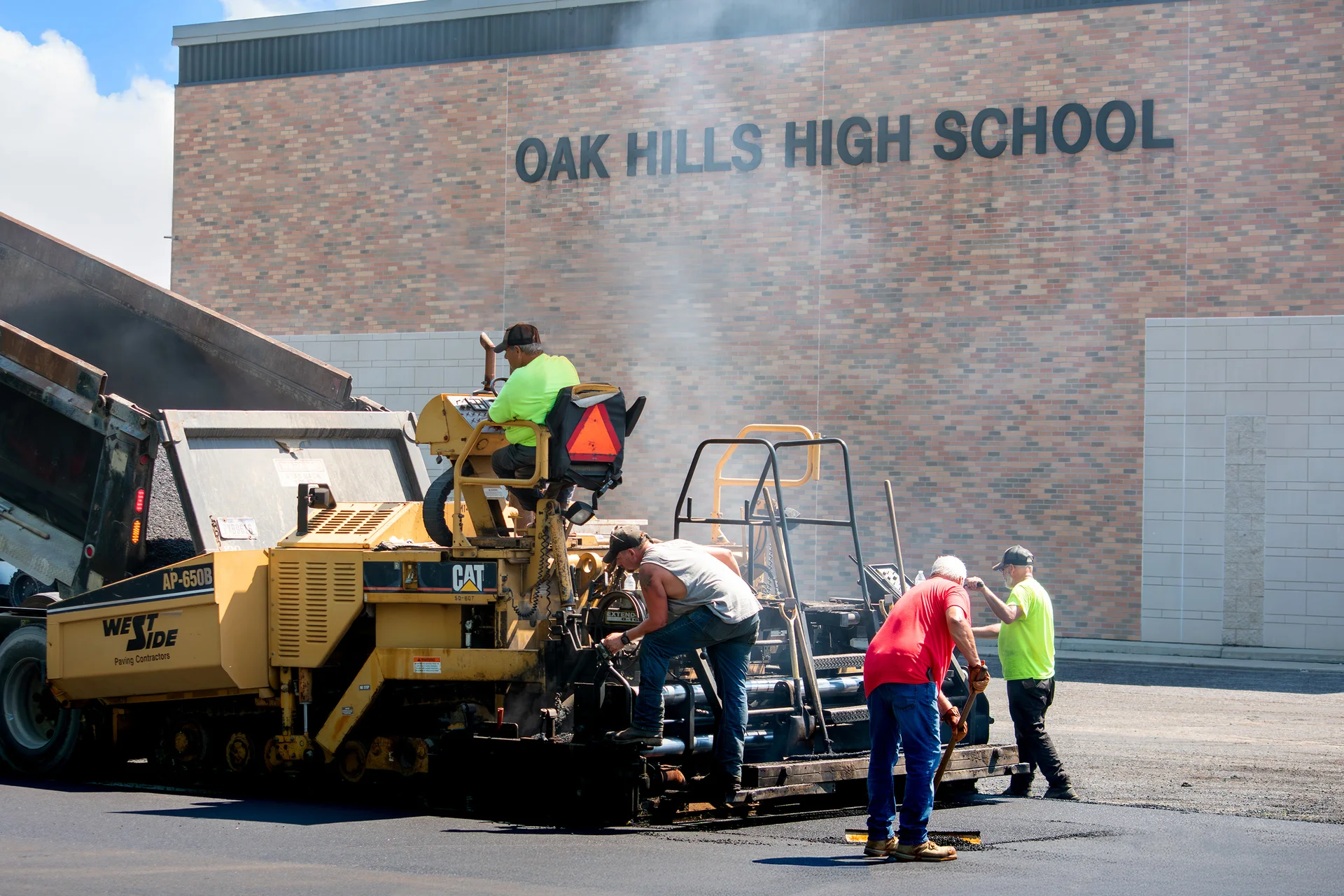
See recent paving work for Great Oaks Career Campuses, Warren County, and Oak Hills Local School District, or contact us to start with a pre-evaluation.
Frequently Asked Questions
How thick should a commercial parking lot be paved? It depends on the base and the loads. Standard passenger-car lots in Ohio are commonly built with roughly 3 to 4 inches of asphalt over a stone base, and heavy-duty areas such as bus loops and dumpster pads need a deeper subbase and thicker intermediate courses. For an overlay, a 1.5- to 2-inch lift is typical, but the right number comes from core testing the existing pavement — grinding too deep on a sound base can remove strength you already have.
What is compaction and thickness testing, and why does it matter? Compaction testing measures the density of the finished asphalt; thickness testing measures how much was actually placed. Together they confirm the lot was built to the specification you paid for. Because material is typically the largest cost in paving, a thin or under-compacted lift is the easiest place for a low bidder to make up margin — and the most common reason a new lot fails early.
Can a school district or city buy paving through cooperative purchasing? Yes. Under Ohio law (ORC 167.081 and ORC 9.48), public agencies can procure construction through a purchasing cooperative's competitively bid contracts, with the bidding and paperwork already done. Prodigy's paving is available through cooperative contracts, and we still bid the installation out to qualified pavers so members get both compliance and competitive pricing. Learn how cooperative purchasing works for Ohio cities and school districts.
Should we do a mill-and-overlay or a full reconstruction? If the base is sound and the problems are in the surface — cracking, raveling, minor rutting — a mill-and-overlay typically delivers most of the life at a fraction of the cost. If cores show a failed base, poor drainage, or widespread alligator cracking, an overlay will fail early and reconstruction is the better investment. The cores decide, not the bid.
When is the best time to pave a school parking lot in Ohio? The warm, dry weeks from April through early November. Asphalt needs warm surface temperatures to compact properly. Because every district wants the same window, schedule early — Prodigy aggregates school and municipal paving across the summer, which typically improves both availability and pricing but schedules fill up quickly.