
•••
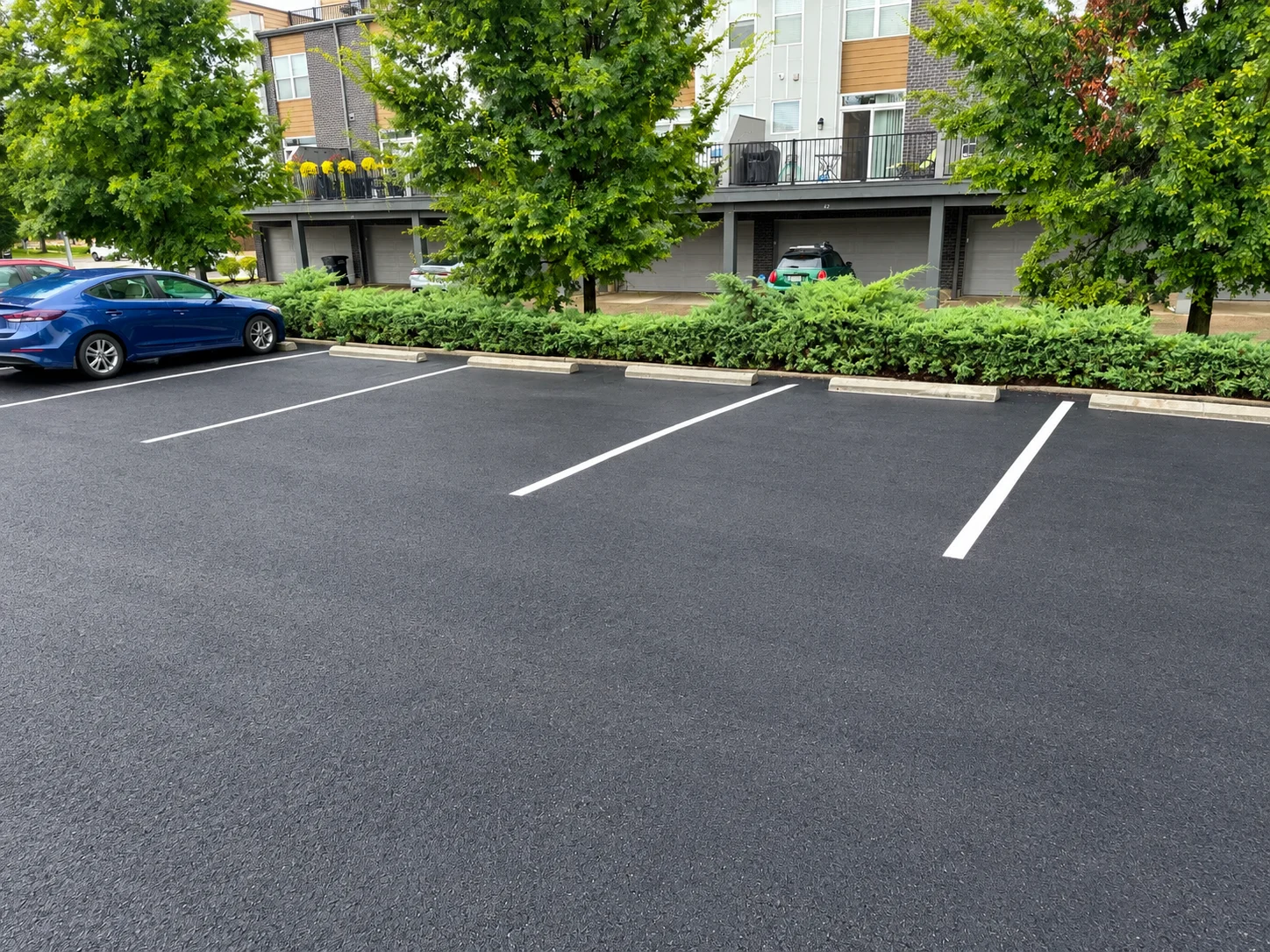
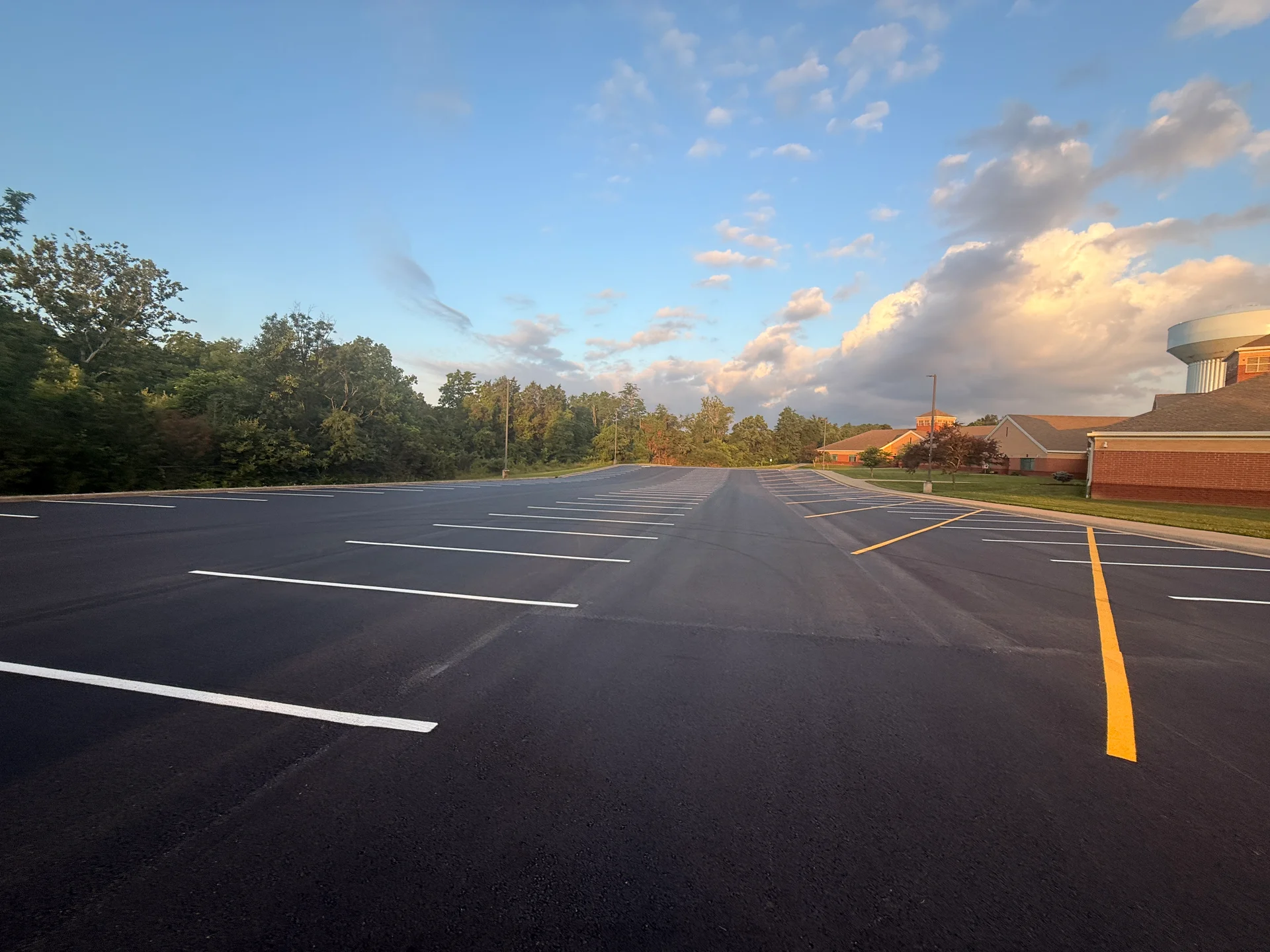
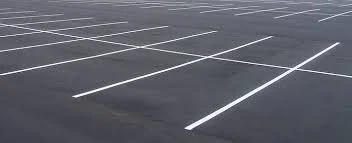
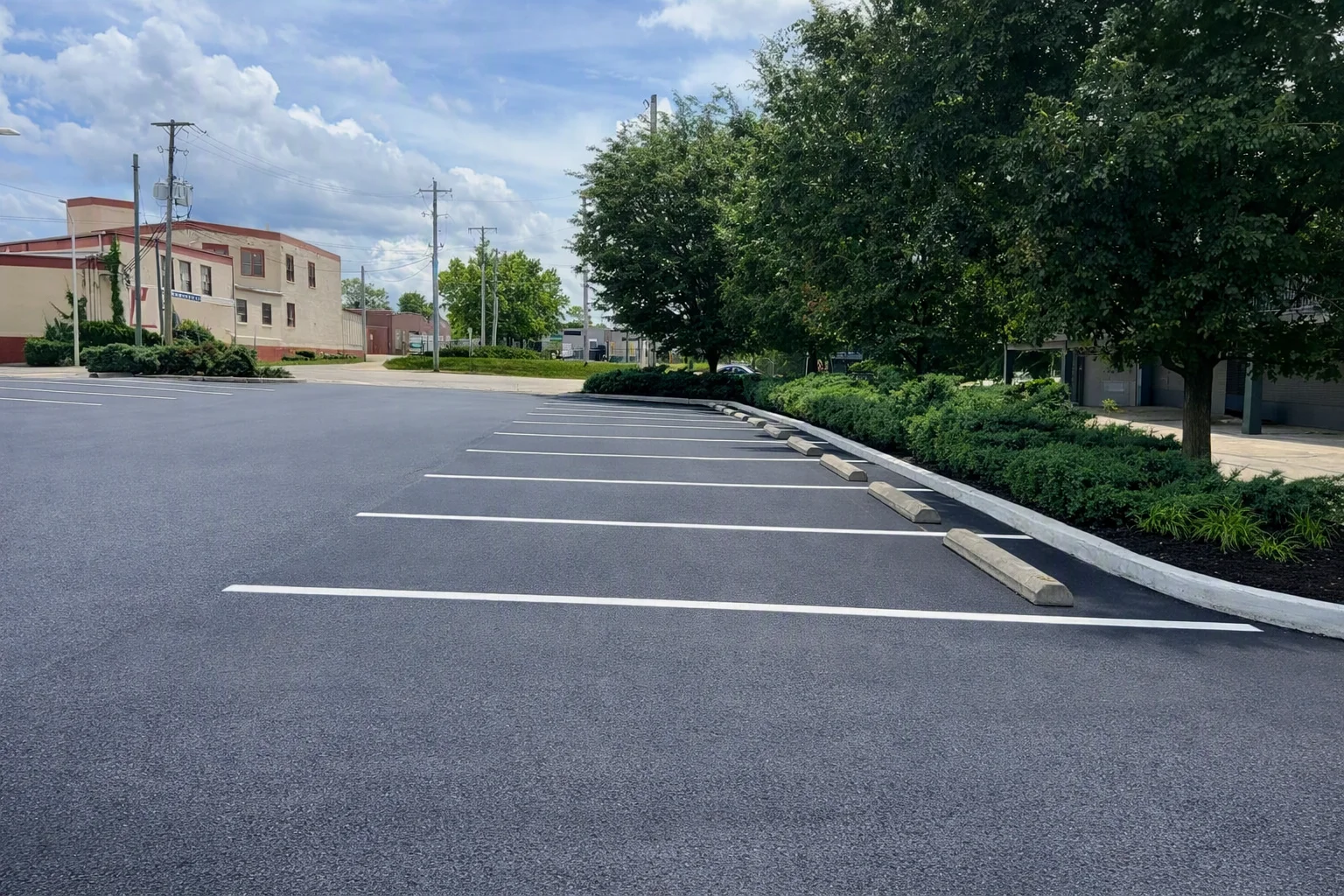
Repaved Dayton Metro Library parking lot with new white stall lines and reset wheel stops along the planter curb
PavingWestern OhioDaytonEqualis Gordian

Dayton Metro Library Lot B Parking Lot Repair 2026

Dayton Metro Library's Lot B, at East Fourth and Wyandot in downtown Dayton, is level again. The section that had settled was dug out and rebuilt on geogrid and a foot of compacted stone, the entire 7,600-square-foot lot was milled four inches and repaved in two lifts of ODOT asphalt, 127 feet of new concrete curb went in along the planter, and the stalls were restriped and the wheel stops reset. Prodigy delivered it for the library in 2026 as a Gordian job order through the Equalis Group cooperative contract, which is pre-bid, with final completion on June 8.

One corner of the lot had sunk. Settlement like that usually means something underneath gave way, and in a downtown lot the first worry is a buried utility. Before anything was excavated, a ground-penetrating radar survey under its own work order mapped what was below the pavement and found no major utilities in the repair area. That let the repair be designed around the soil rather than around guesses.

The settled area, about 348 square yards, was excavated a foot into the subgrade, sixteen inches below the finished surface. A Tensar TriAx geogrid went down on the subgrade, including in the curb trench, and twelve inches of ODOT 304 limestone was placed over it in two compacted six-inch lifts. The old curb was removed and a new six-by-eighteen-inch curb was poured on stone and geogrid along the western side, sloped to carry water to the existing catch basins, with fresh mulch behind it.

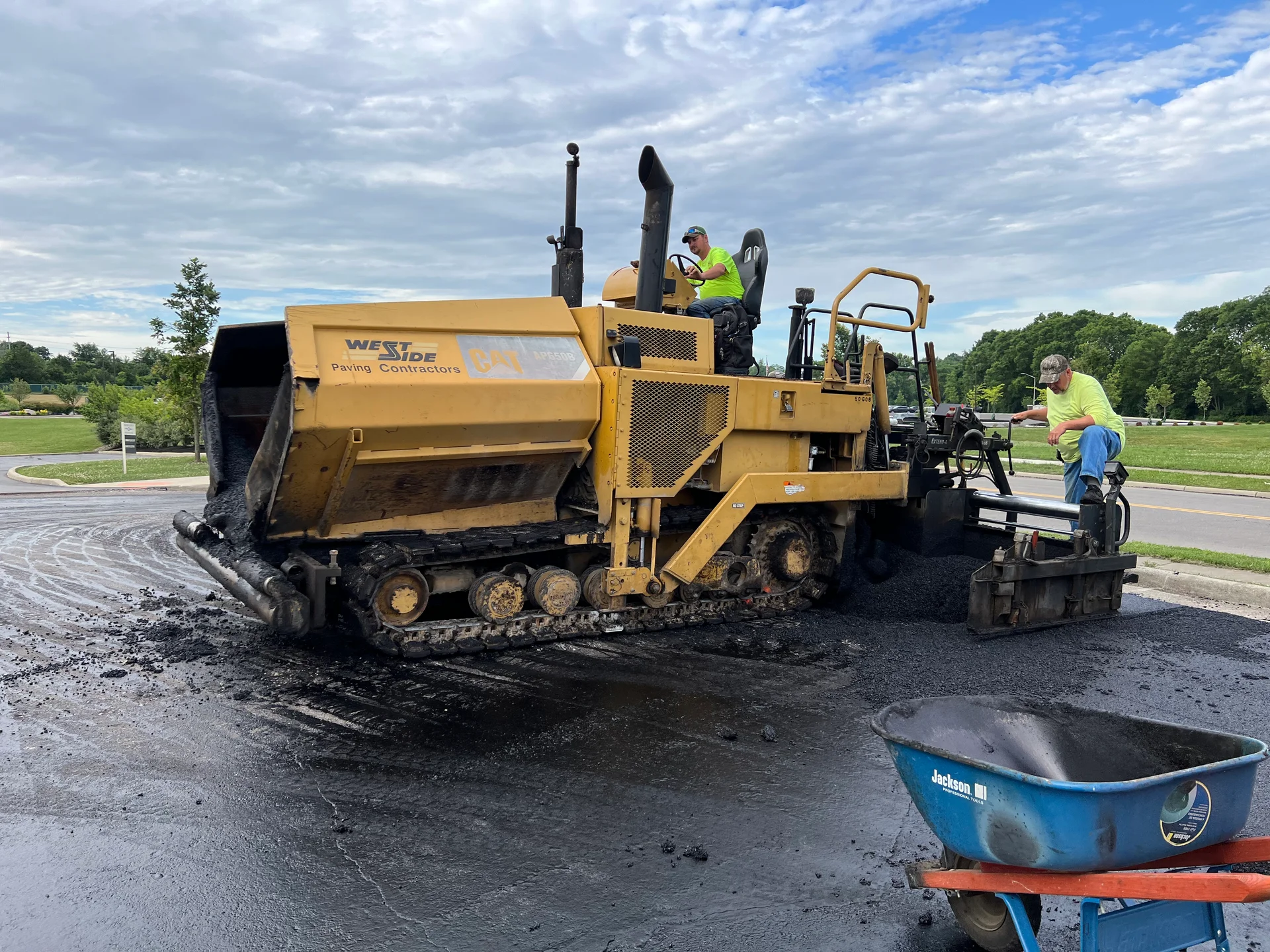
Instead of patching the repair and leaving the rest of the old pavement around it, the whole lot was milled and repaved: two and a half inches of intermediate course and an inch and a half of surface course, primed and tacked so the layers act together. The library now has one continuous surface with no patch line to fail, curb that drains, and a lot that reopened after a planned closure of about a week. For any owner with a lot that has started to sink, it shows why the first step is finding out what is underneath.
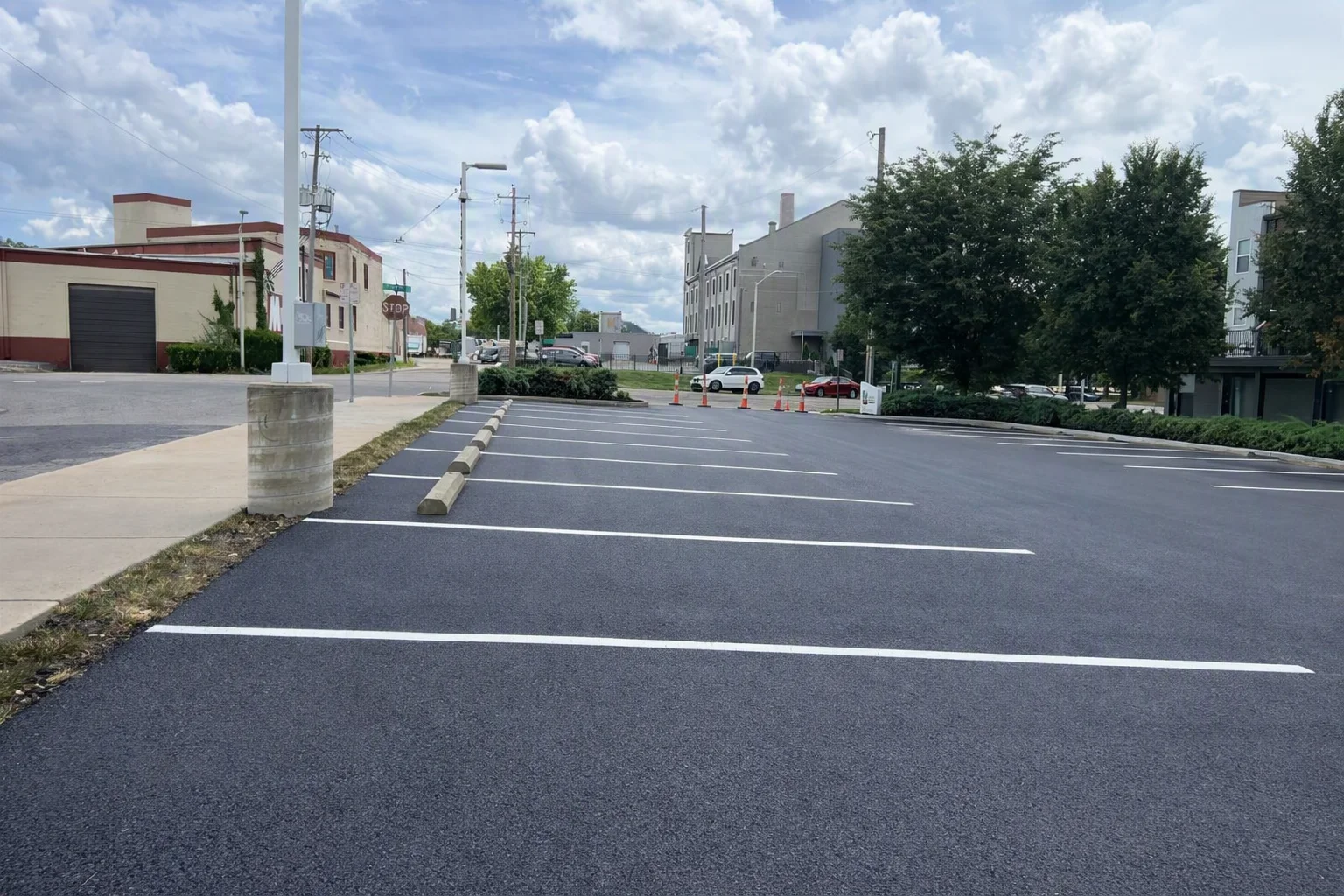
Freshly paved lot looking toward East Fourth Street, with wheel stops and stall lines along the landscaped island
New asphalt and striping along the lot's townhouse side, beside a new concrete curb and planting bed
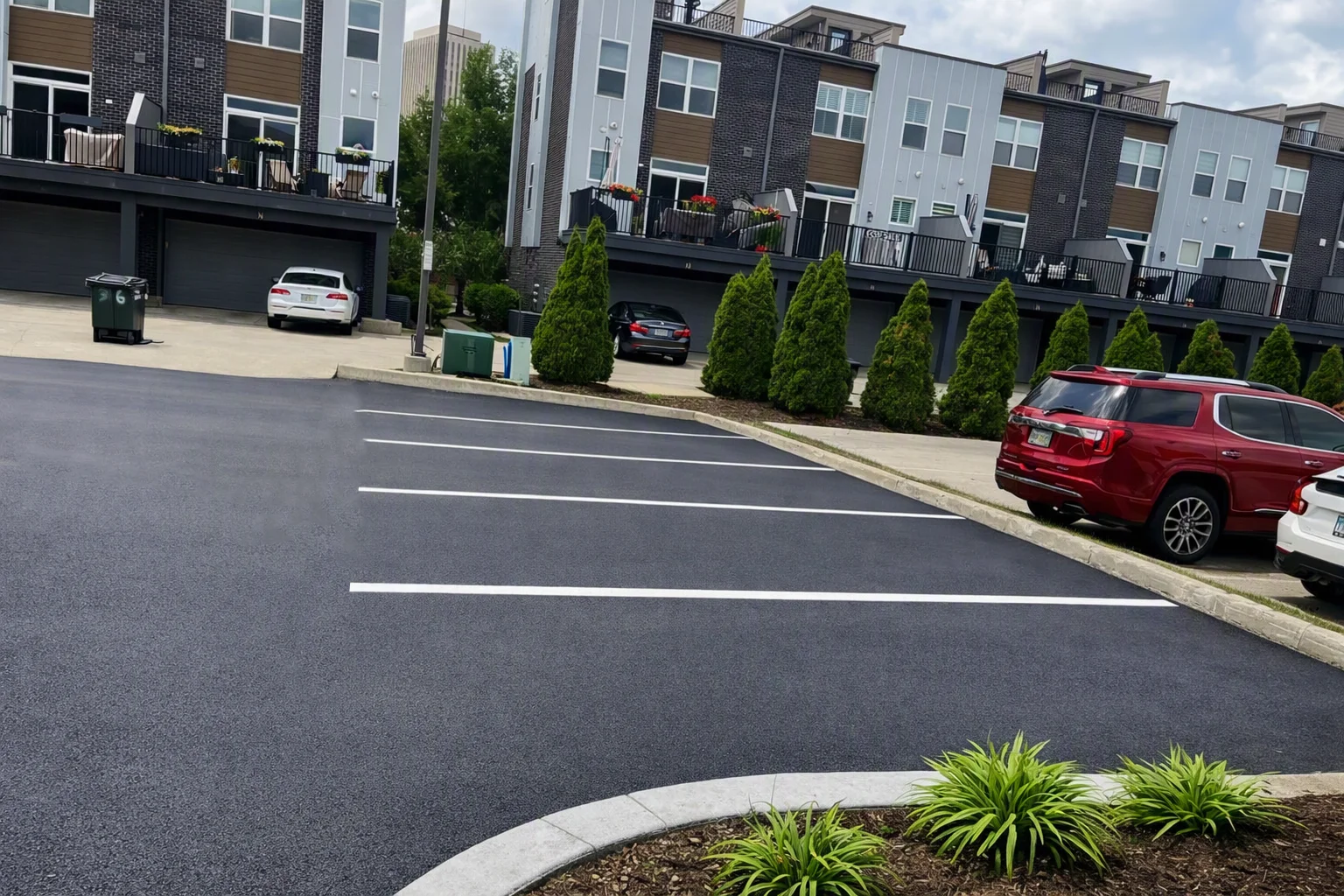
Close view of the new pavement and stall lines at the lot's planted edge, with trees and townhouses behind

Technical Discussion

Geogrid Under a Settled Parking Lot

When part of a parking lot sinks, the standard fixes are to pave over the dip or to dig out the soft area and fill the hole with stone. Overlaying hides the dip until it comes back. Digging deeper works, but how deep is a guess, and every extra inch is more excavation and more trucking. Lot B was rebuilt on a controlled depth of stone laid over a geogrid, so the repair spreads the load instead of relying on depth alone.

What a Geogrid Does

Tensar TriAx is a stiff polymer sheet punched into a pattern of triangular openings. Laid on the subgrade and covered with crushed stone, the angular stone settles into the openings and locks against the ribs. The stone can no longer shove sideways under a wheel load, which is how an unconfined base spreads and ruts. Confined, the stone layer acts more like a slab, spreading each wheel load over a wider area of the soil beneath.

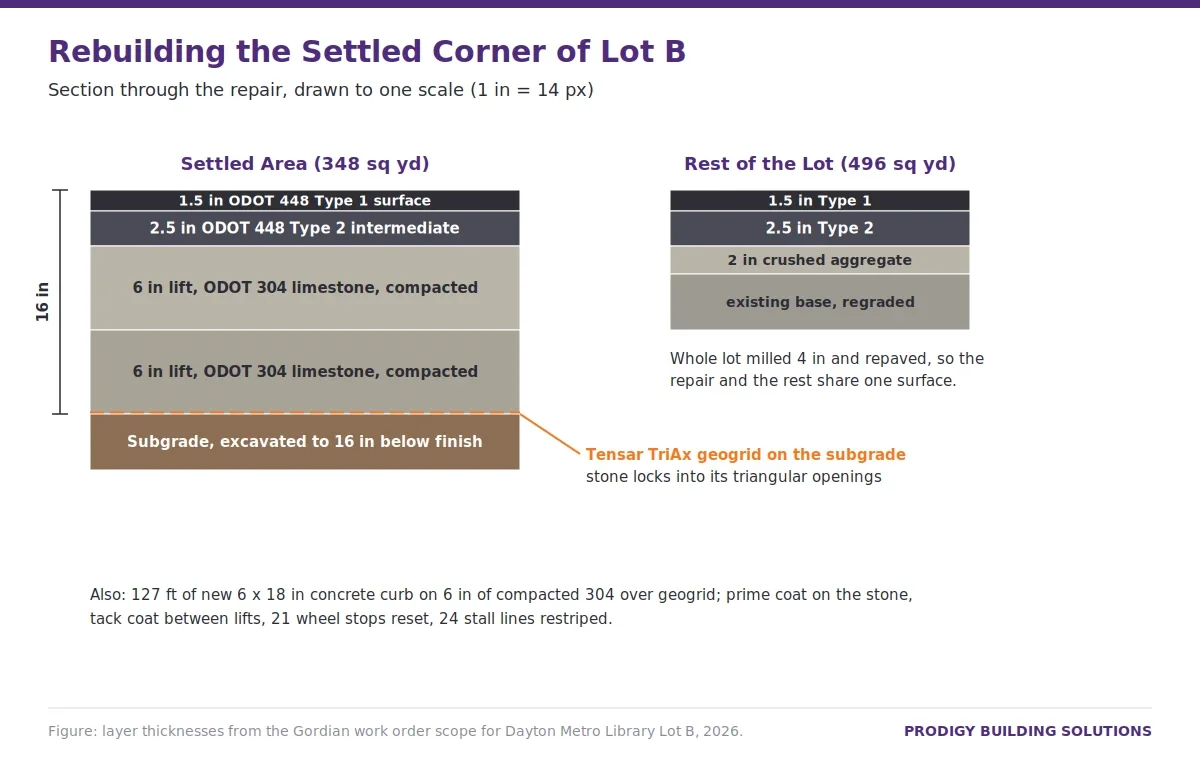
Pavement section drawn to scale: 1.5 inches of ODOT 448 Type 1 surface over 2.5 inches of Type 2 intermediate over two 6-inch compacted lifts of ODOT 304 limestone on a Tensar TriAx geogrid, 16 inches total over the subgrade in the 348-square-yard repair area, beside the rest of the lot with 2 inches of crushed aggregate over the regraded existing base
Figure 1 — The repair section and the rest of the lot, drawn to one scale.

The Section That Went In

In the 348-square-yard repair area the subgrade was excavated twelve inches, to sixteen inches below the finished surface. The geogrid went on the subgrade, and twelve inches of ODOT 304 limestone went on the geogrid in two six-inch lifts, each compacted before the next. Thin lifts matter: a roller compacts the top few inches of stone well and the bottom of a thick lift poorly. The new curb trench received the same grid with six inches of compacted 304. The rest of the lot, 496 square yards, got two inches of crushed aggregate to bring it to grade.

Then the whole lot was paved as one: a prime coat on the stone, two and a half inches of ODOT 448 Type 2, a tack coat, and an inch and a half of Type 1 surface. The repair and the rest of the lot now sit under one continuous four-inch surface, so there is no seam around the old dip for water to find.

Settlement is a soil problem that shows up in the asphalt. The geogrid and the stone over it fix the soil problem; the new asphalt only has to be pavement.

Our Work

Similar Projects