
•••
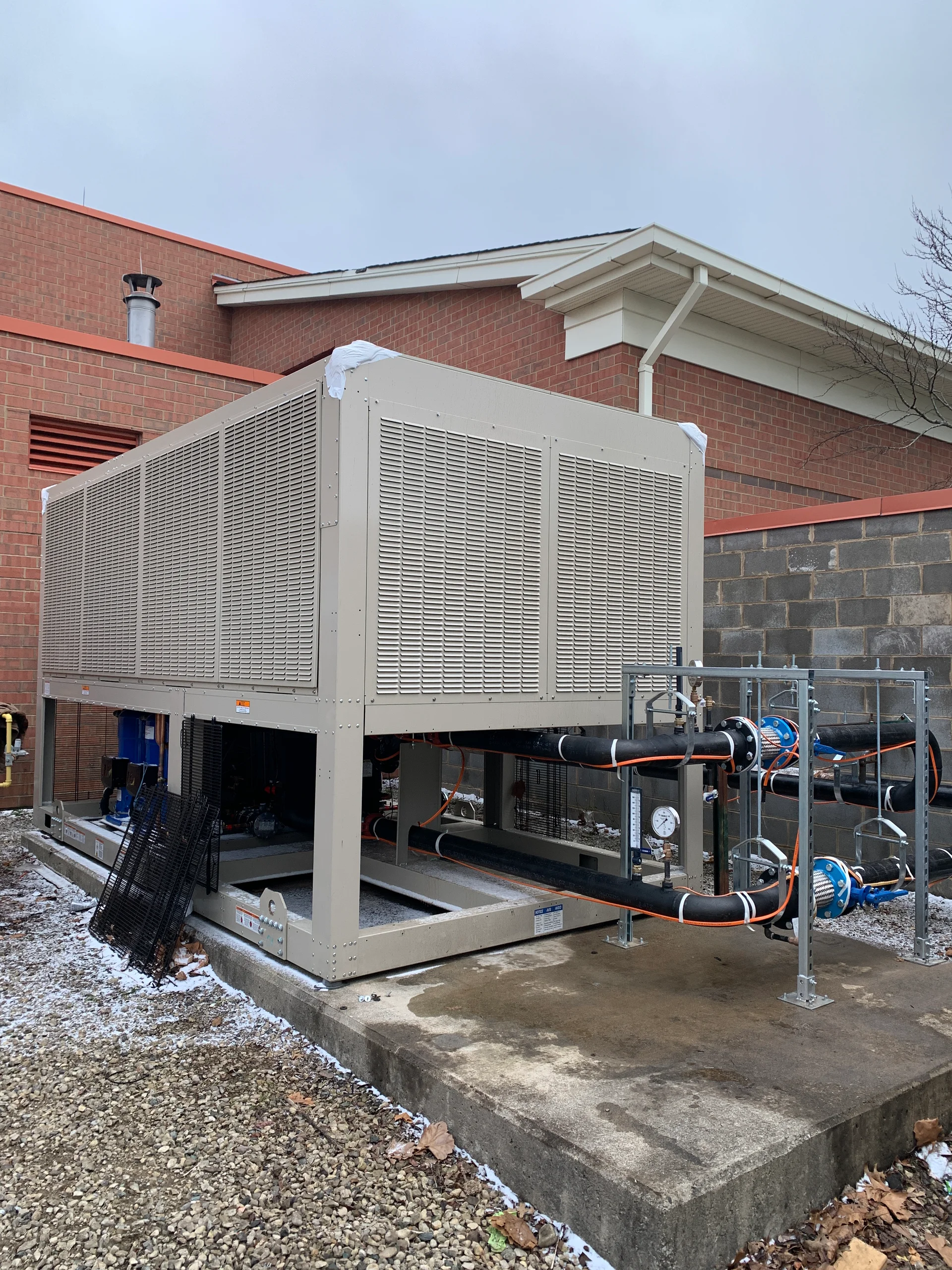
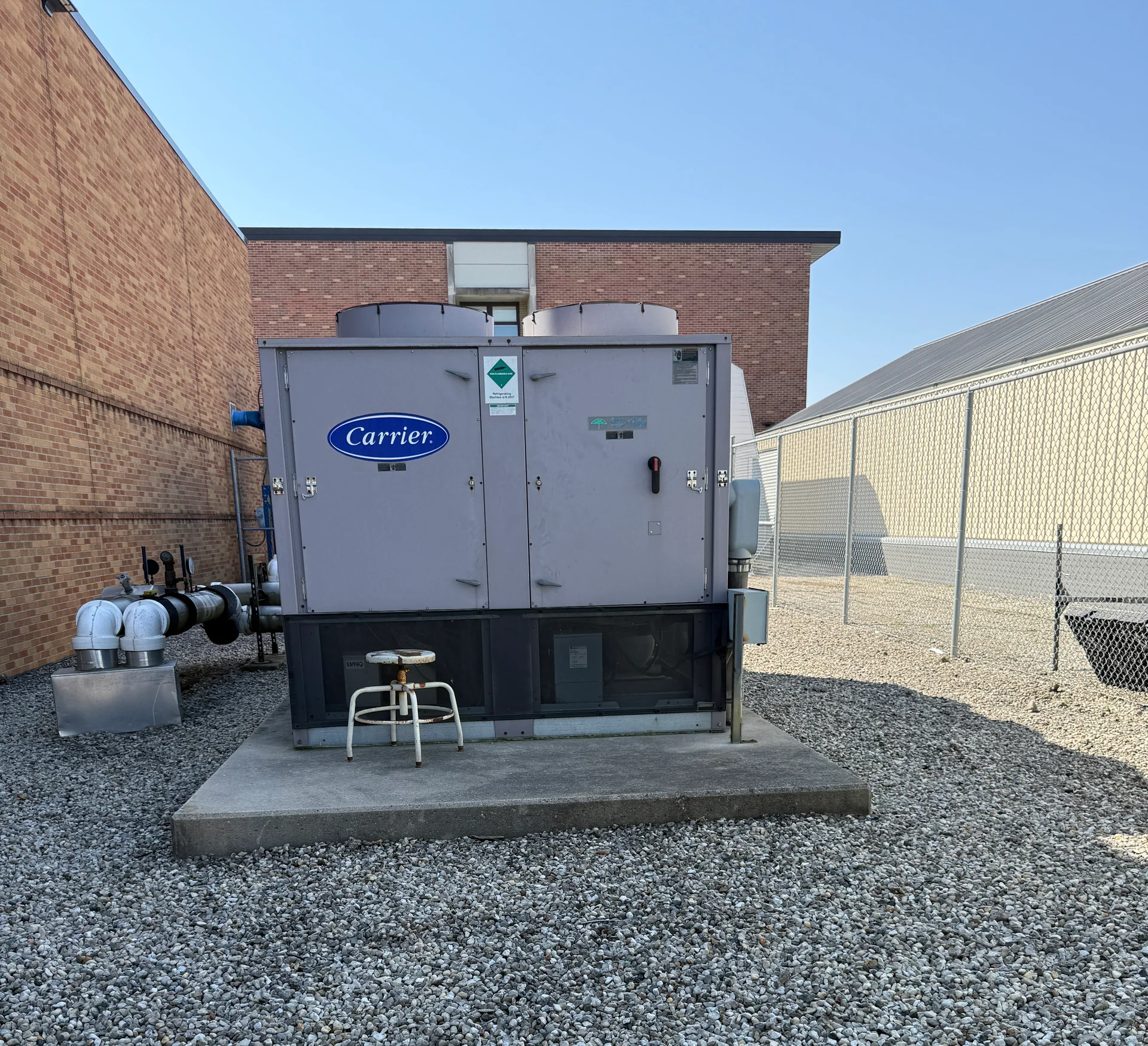
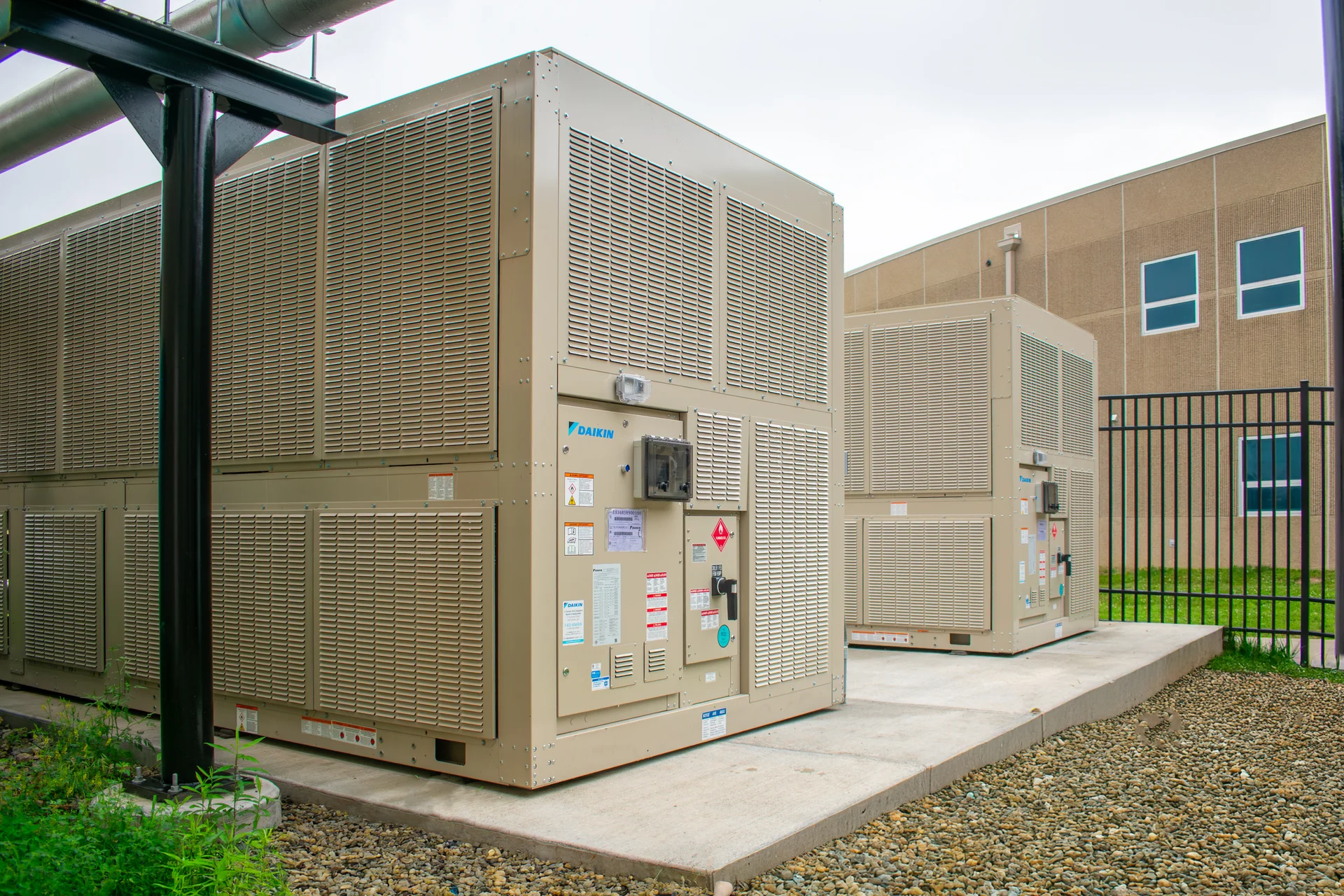
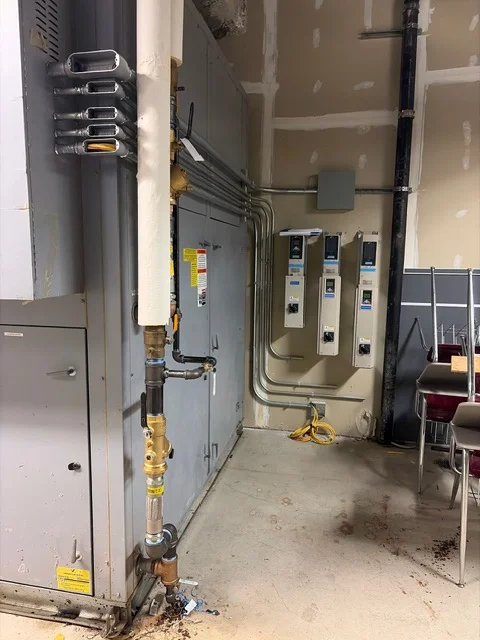
Existing chiller yard at Bellbrook before the upgrade, with piping and electrical panels
HVACWestern OhioDaytonTOP-C purple wordmark logo for The Ohio Purchasing Council cooperative purchasing program

Bellbrook Chiller Upgrades 2026

Two Bellbrook-Sugarcreek schools now hold temperature on the hottest afternoons of the year. Stephen Bell Elementary has a new closed-circuit cooling tower in place of two dry coolers that could not keep its heat pump loop in range, and Bell Creek Intermediate has a new Trane air-cooled chiller with six new Calmac ice storage tanks on an extended pad. Prodigy treated the two buildings as two different problems and delivered both plants, from the tower, chiller and ice tanks to the pumps, drives, water treatment and controls, on one pre-bid TOP-C cooperative contract at a guaranteed maximum price, with bonds and permits included.

Bellbrook-Sugarcreek had two mechanical problems in two buildings, and they were not the same problem. At Stephen Bell Elementary the water-source heat pump loop would not come down to temperature in summer: the two dry coolers serving it reject heat to ambient air, which holds them ten to fifteen degrees above outdoor temperature, so on a 95-degree afternoon the loop sat above 105 degrees against heat pumps that want condenser water between 60 and 90. At Bell Creek Intermediate the plant was aging out — a York air-cooled chiller, and FAFCO ice storage tanks deteriorating past what their original design could hold.

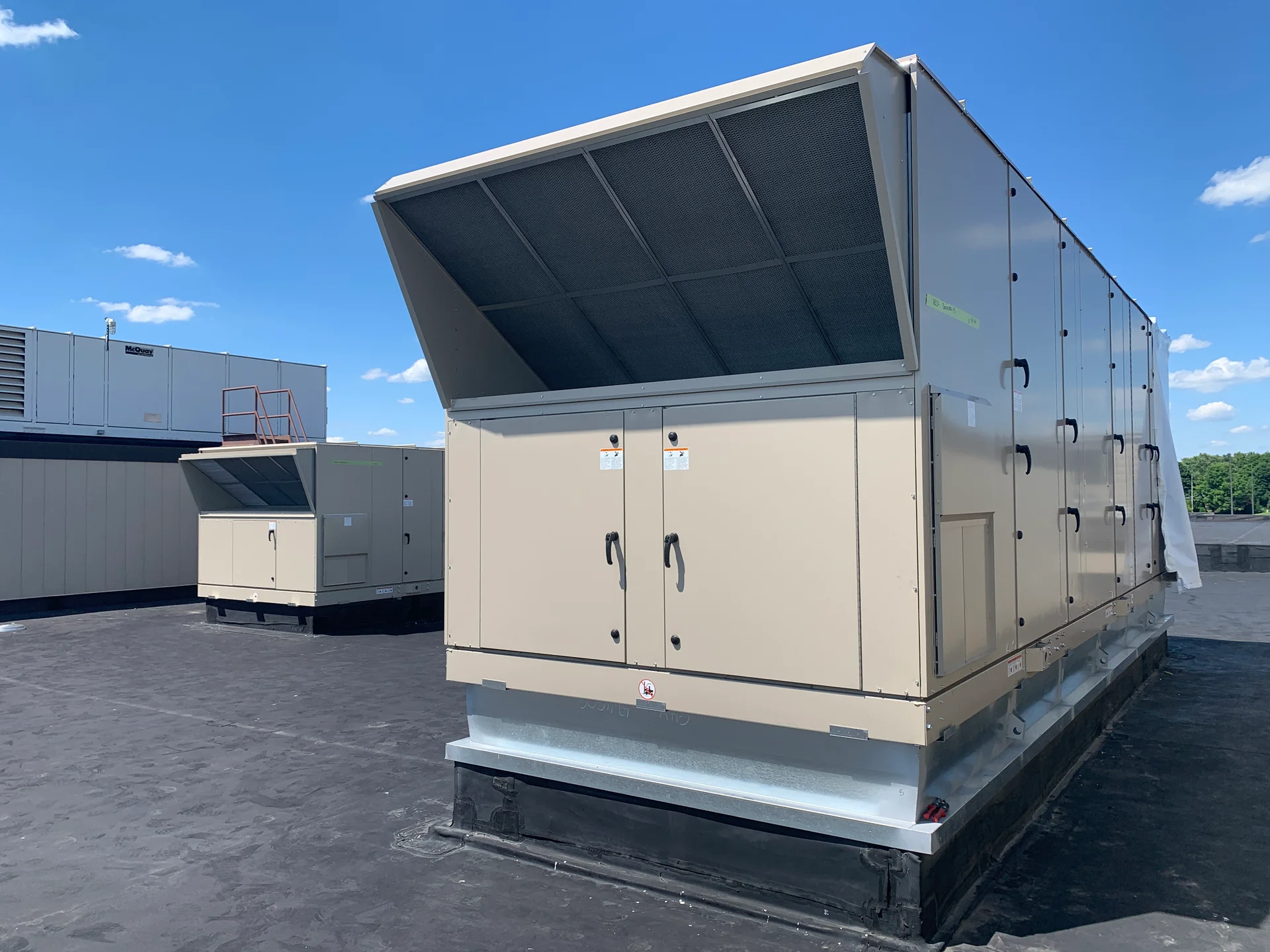
At Stephen Bell the dry coolers came out and a single closed-circuit cooling tower went in — a fluid cooler, whose spray pump wets the coil, sized at 2,231,000 BTUH for the whole building load and rated to deliver 85-degree water at the 95-degree summer design point. It carries a stainless steel basin, single-point power, a variable frequency drive on the 20-horsepower fan, and a water treatment system for the new loop.

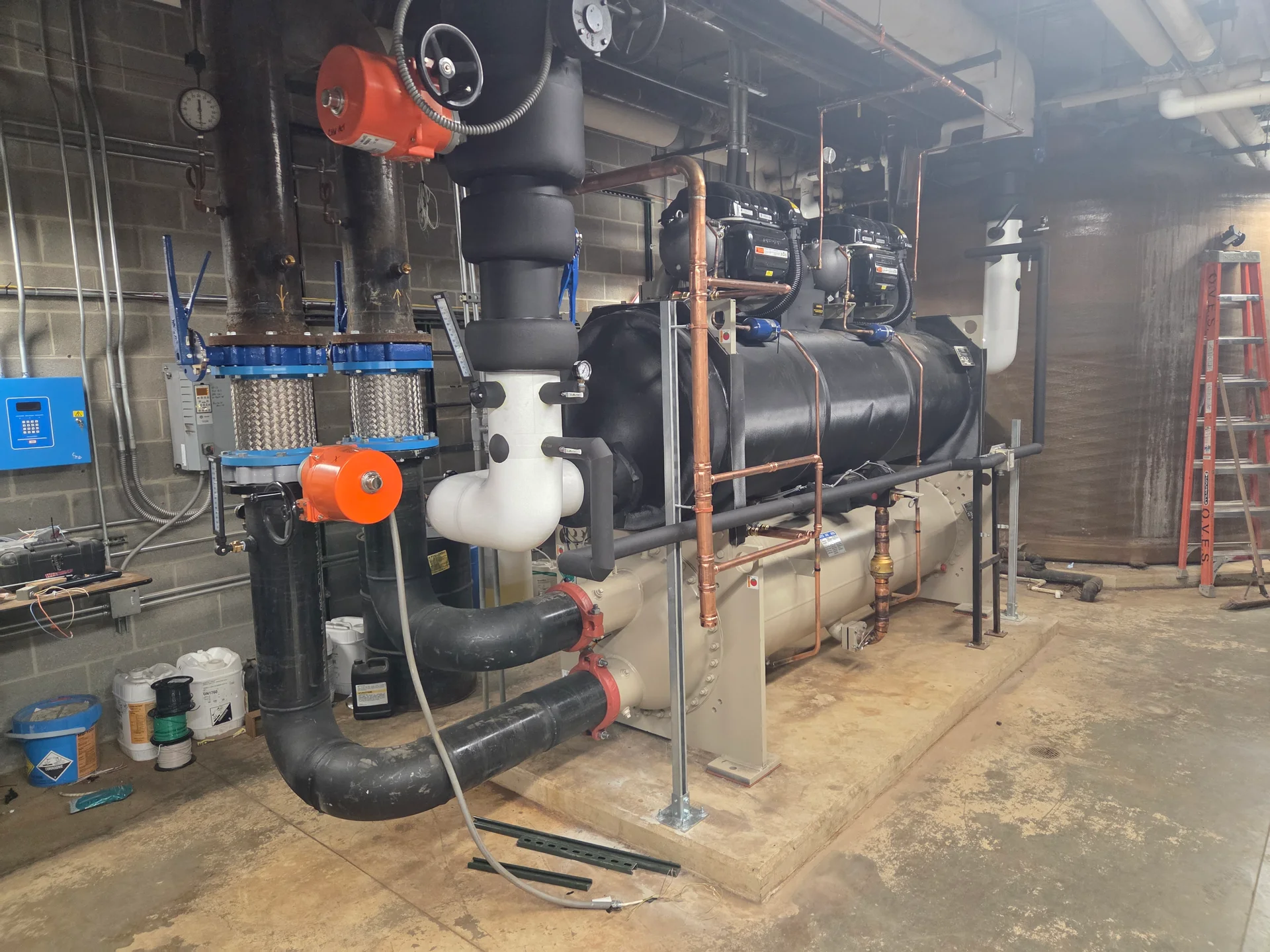
Bell Creek got a new air-cooled Trane scroll chiller on R-454B refrigerant and six Calmac ice tanks in two banks, with the concrete pad extended to take them. Pressure drop through the new chiller, tanks and heat exchanger now exceeds the original design, so the ice loop pump was upsized from ten to fifteen horsepower with a drive, and control conduit found full of mud was replaced. Both buildings were bought pre-bid on a TOP-C unit price contract, at a guaranteed maximum price, with bonds and permits included.

New cooling tower suspended from the crane during the Bellbrook chiller upgrade
Cooling tower set in the block enclosure with access ladder and new piping
Crane hoisting a cooling tower section between buildings at Bellbrook
Installed cooling tower and connected piping inside the mechanical enclosure at Bellbrook

Technical Discussion

Why the loop temperature was the tell

A loop that will not hold temperature is a symptom, and symptoms invite the obvious answer. Heat pumps tripping on high head in August look like a heat pump problem, or a pump problem, or a controls problem, and each of those has a contractor ready to sell the cure. Reading the number correctly is what separates replacing the right piece of equipment from replacing the most visible one.

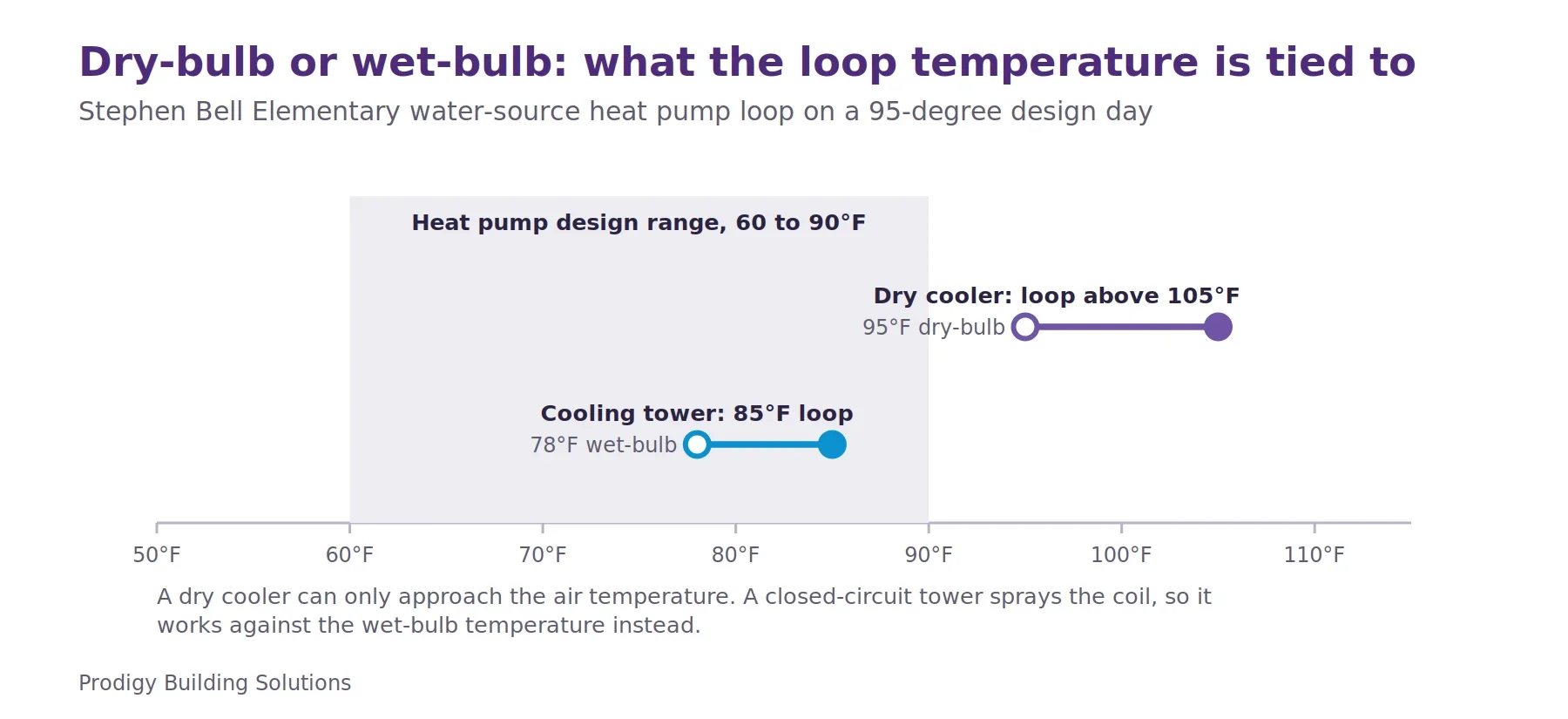
At Stephen Bell the number was not drifting. The loop held above 105 degrees against a design range of 60 to 90, and it did so reliably. Degradation looks like a system that used to make setpoint and no longer does; a fixed offset that appears every summer at the same outdoor temperature is a design limit, and the limit belongs to the heat rejection equipment. Dry coolers are sensible-only devices: they can approach the dry-bulb temperature and no further, which on a 95-degree day is ten to fifteen degrees above ambient no matter how the loop is pumped or sequenced. Nothing downstream of that fixes it.

Changing the device changes the reference. A closed-circuit cooling tower sprays water over the coil, so heat rejection is bound to the wet-bulb temperature — 78 degrees at this design point rather than 95 — which is where 85-degree loop water comes from and why it lands inside the range the heat pumps were selected for. The unit is sized at 2,231,000 BTUH, the full building load, so the answer is not partial.

Temperature scale from 50 to 115 degrees showing the heat pump design range of 60 to 90. A dry cooler working against a 95-degree dry-bulb holds the loop above 105, outside the range. A closed-circuit cooling tower working against a 78-degree wet-bulb delivers an 85-degree loop, inside it.
Figure 1 — The heat rejection device sets which outdoor temperature the loop is measured against.

The same symptom at Bell Creek pointed elsewhere. There the storage and the chiller had actually failed, and the pump was measurably undersized for the pressure drop the new arrangement imposes — 90 feet of head against the 70 it was picked for. Same complaint, different diagnosis, different equipment.

Our Work

Similar Projects