
Warren County Parking Lot Paving 2021
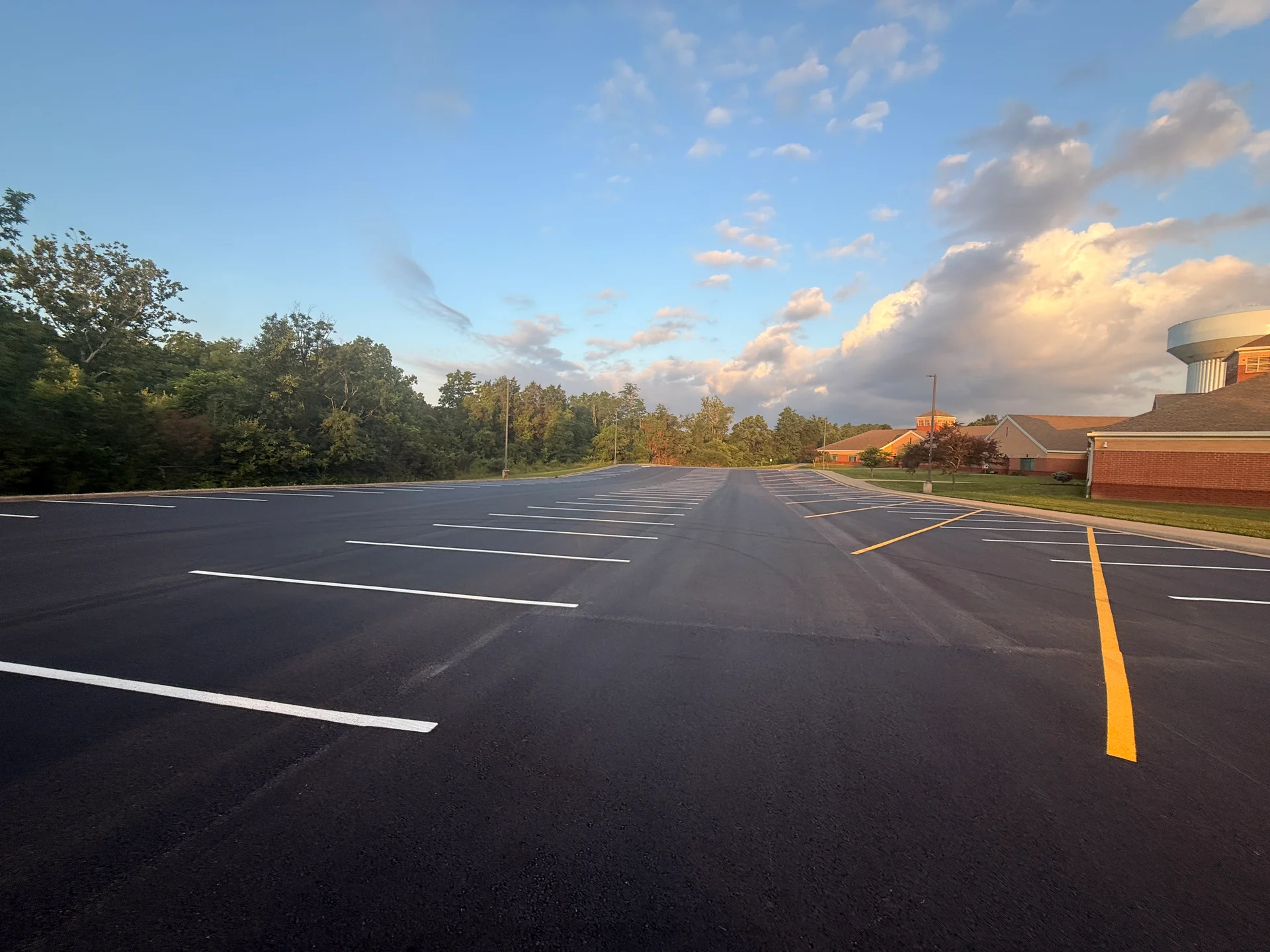
The public lot serving the Warren County Old Courthouse and Old Administration Building in Lebanon is resurfaced under this project: failed areas cut out and patched five inches deep, the edges milled so the new surface meets the entrances flush, and about 5,500 square yards of new ODOT-specified asphalt striped back to the original layout. Prodigy supplies the materials, crews and equipment, and schedules the work with county staff so the lot comes back in usable pieces and the courthouse keeps operating. It is written against a pre-bid TIPS cooperative contract.
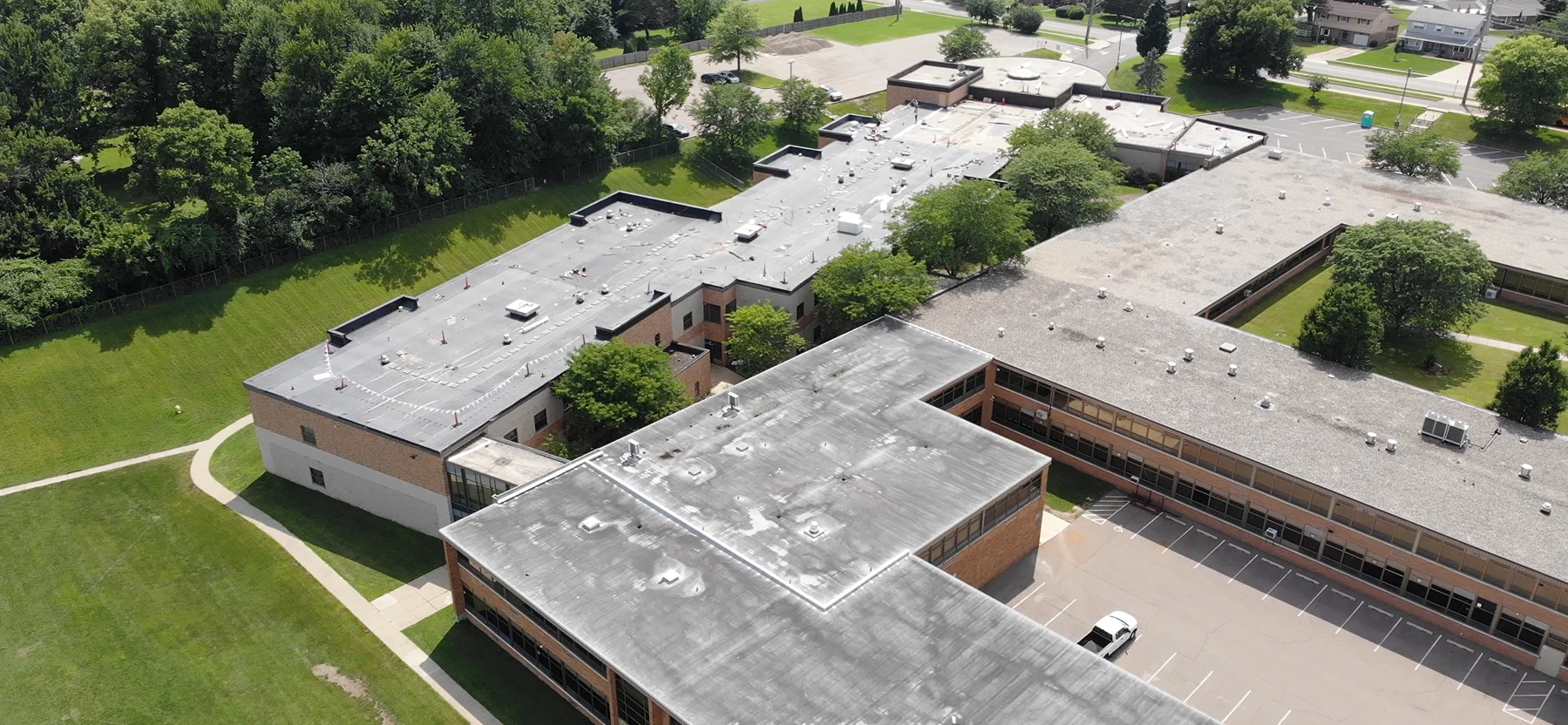
The lot serving the Warren County Old Courthouse and the Old Administration Building in Lebanon is a public lot in the working sense of the word. Jurors, people with hearings, and county staff use it on a weekday schedule that does not pause for a contractor, and the pavement had reached the point where patching was no longer the answer.
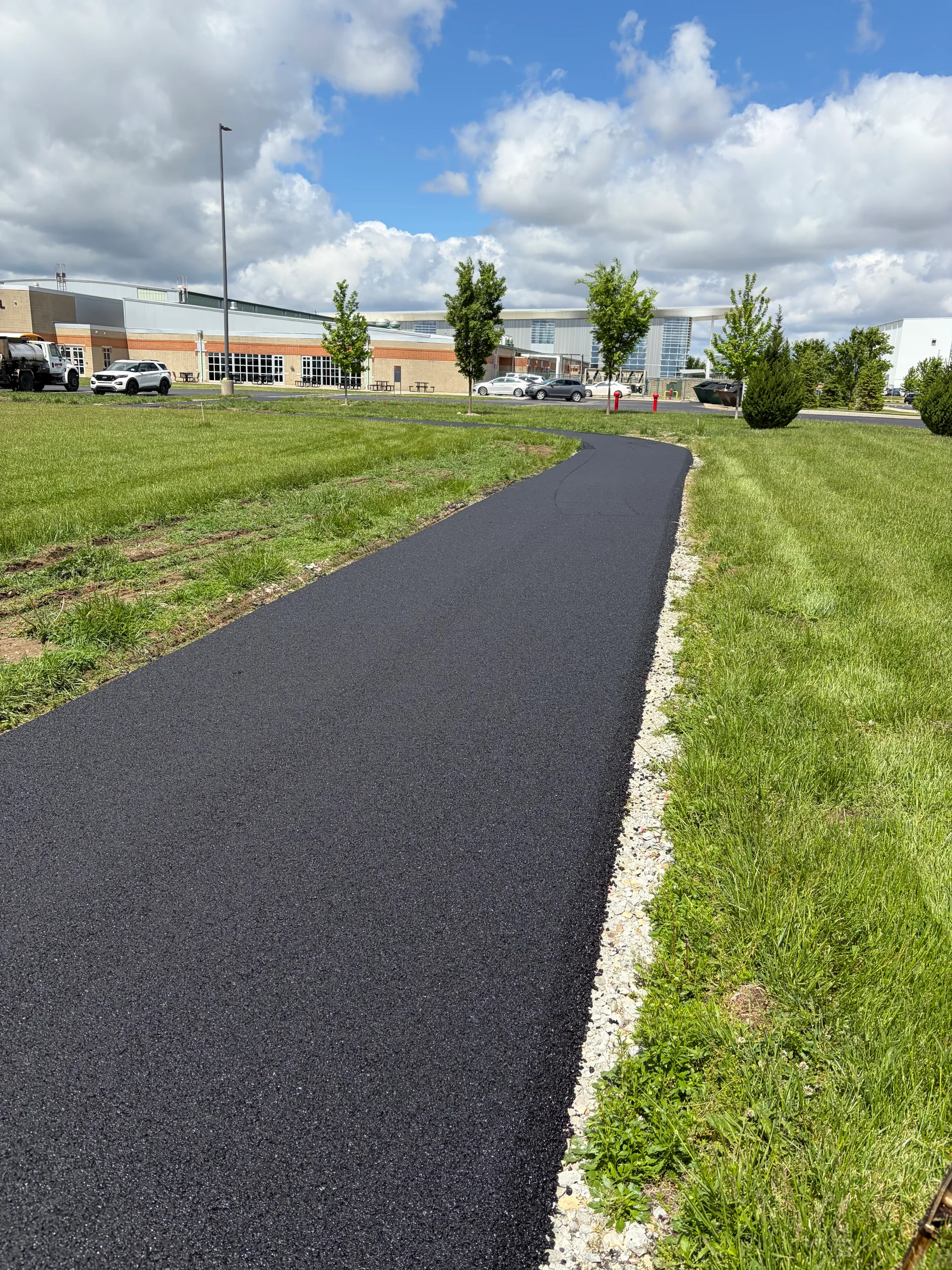
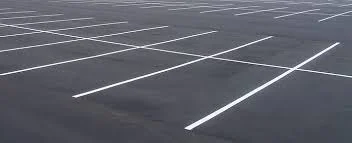
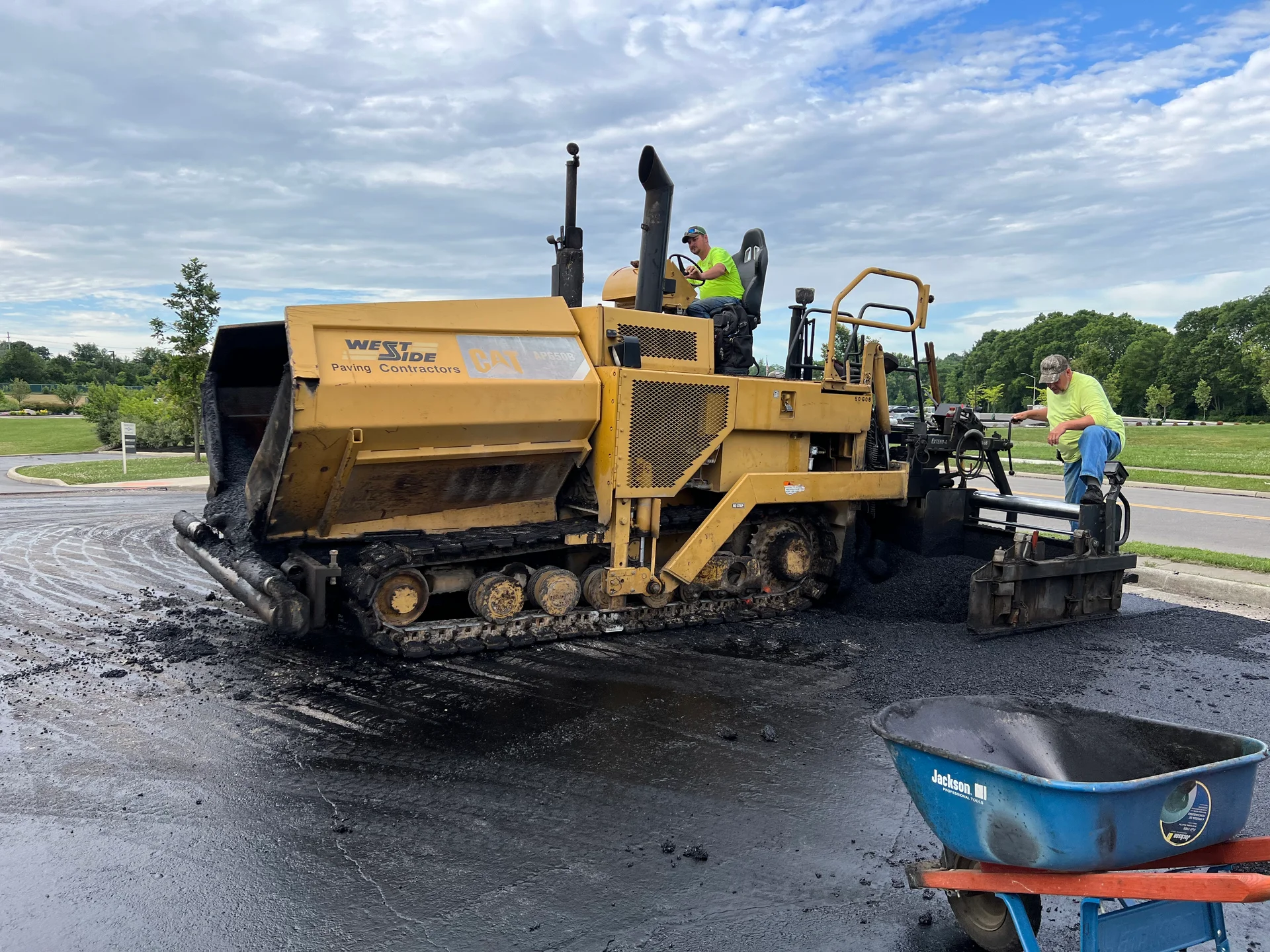
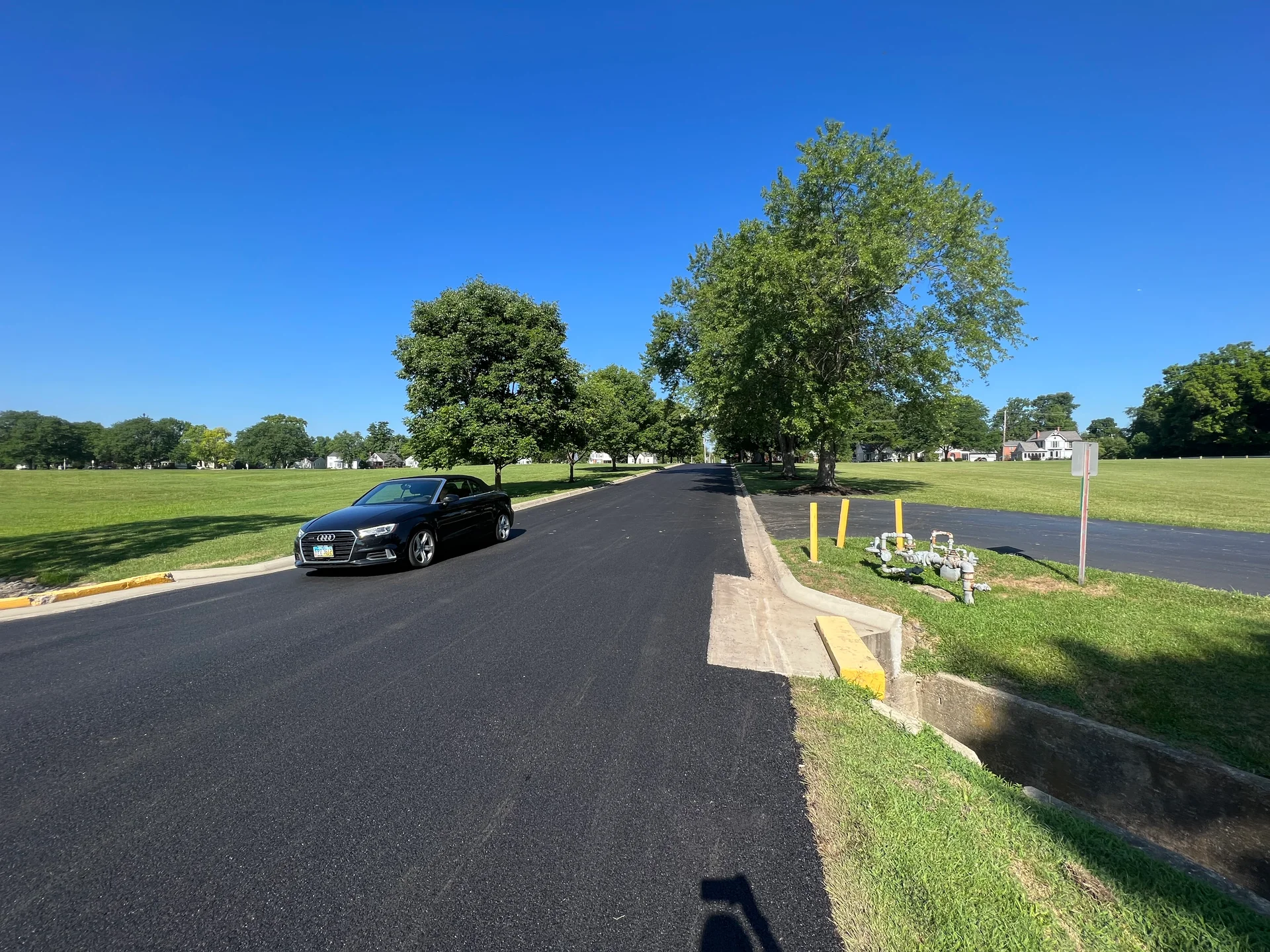
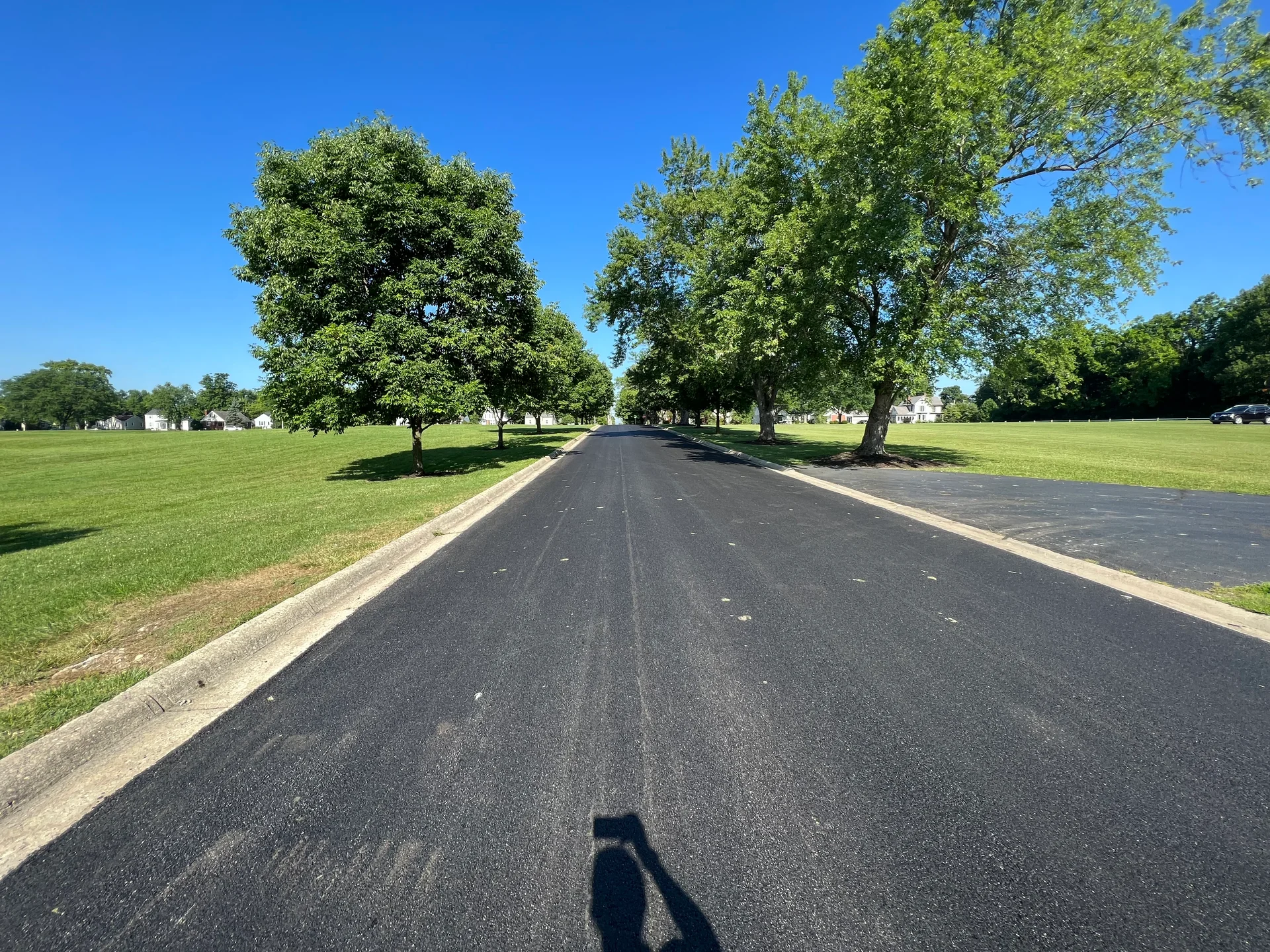
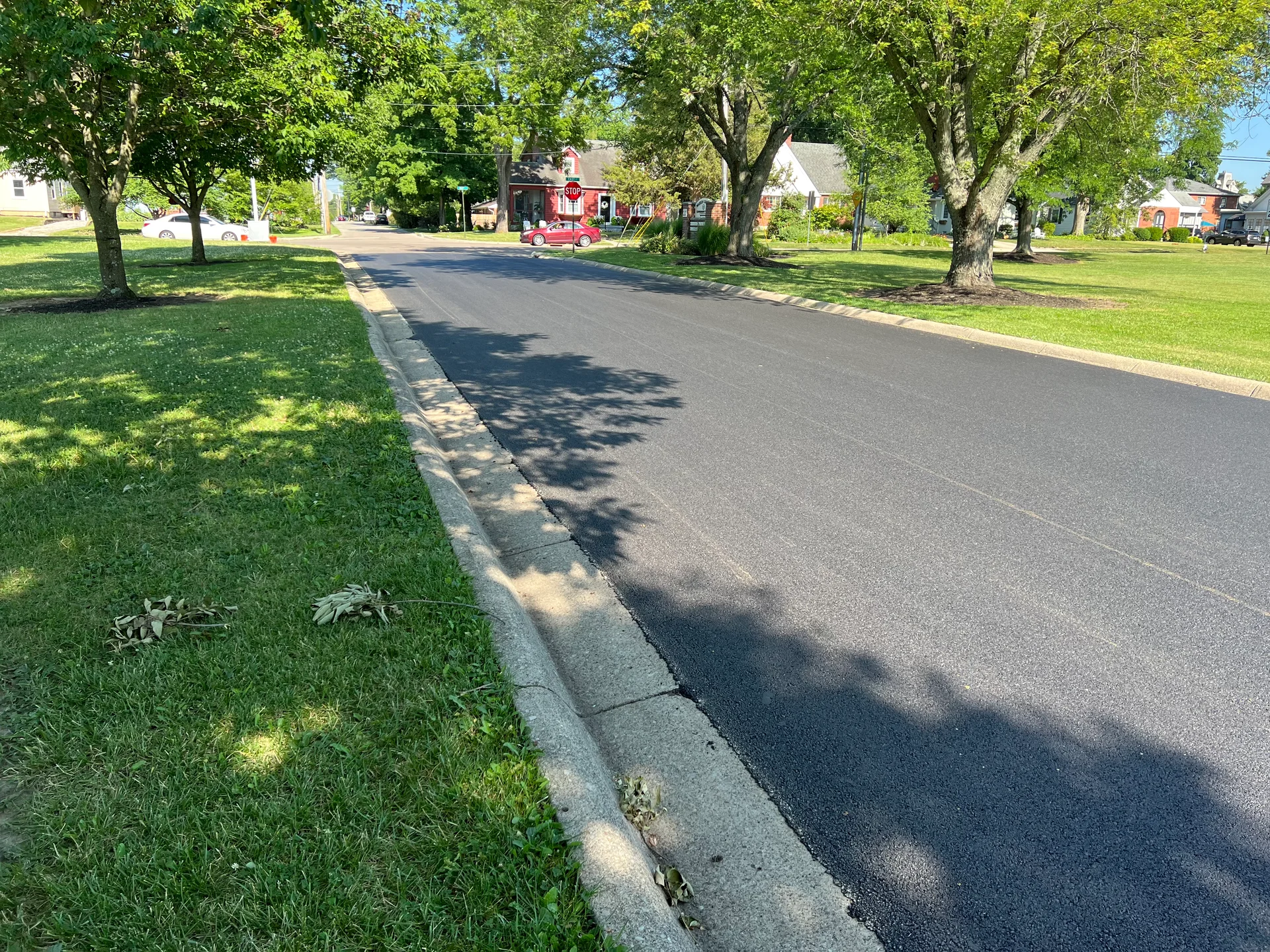
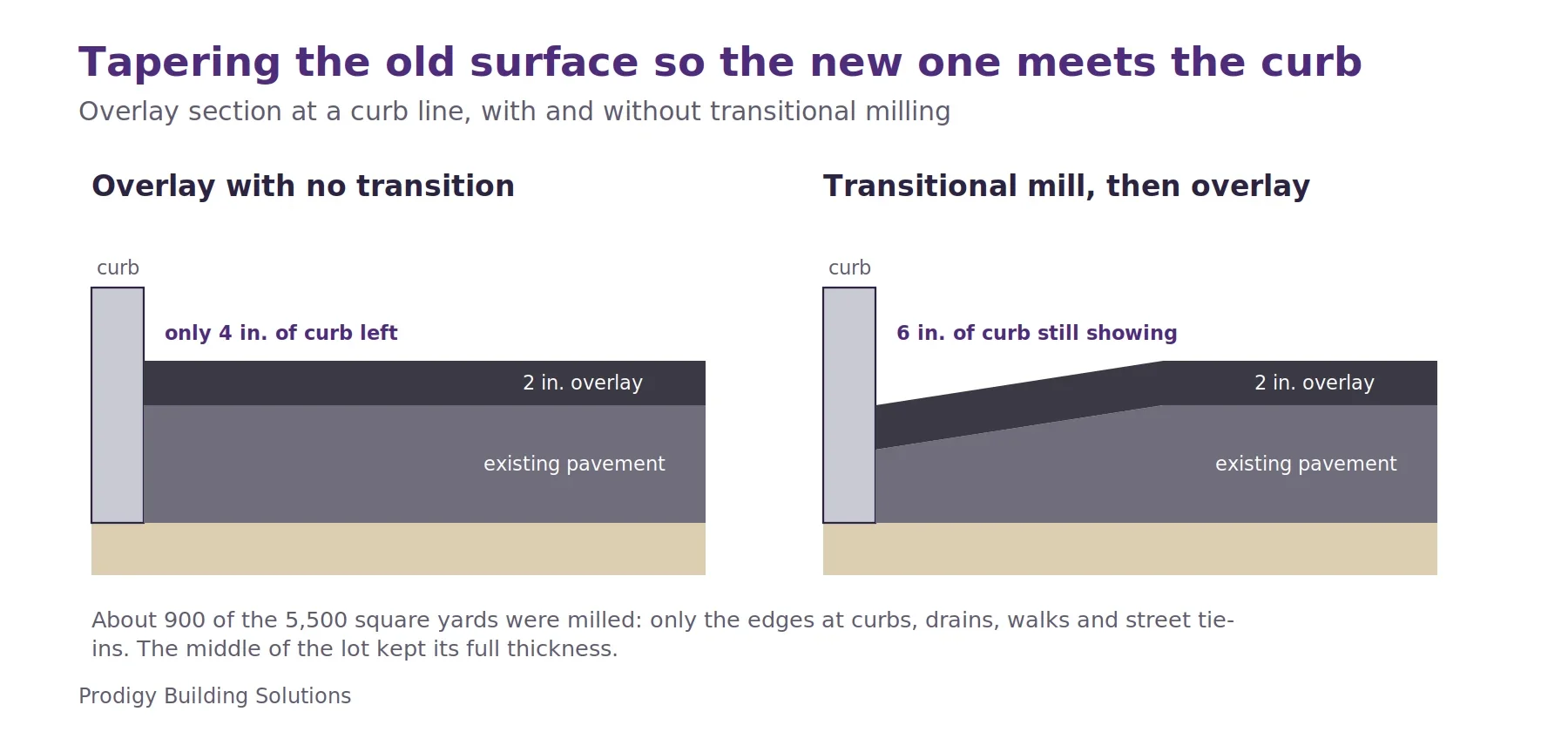
The proposal on file is a straightforward resurfacing of that lot. Roughly 250 square yards where the pavement had gone through are removed and pre-patched to a depth of five inches. About 900 square yards are transitionally milled and hauled off site, so the new surface meets the existing grades at the entrances and along the edges rather than standing proud of them. The lot then takes a tack coat throughout, a half-inch leveling course, and an inch and a half of surface course across approximately 5,500 square yards, and is striped back to its original layout. The materials are ODOT-specified throughout — Type 2 intermediate course, 407 tack, Type 1 surface course.
Prodigy supplies the materials, the labor and the equipment for it: milling machine, saw, mechanized sweeper, hot box, paver, ten-ton vibratory roller, striper. The schedule is worked out with county staff so the lot comes back in usable pieces and the courthouse keeps functioning while the work goes on. The proposal is written against a pre-bid TIPS cooperative contract.
Technical Discussion
Our Work