
•••
Building RenovationCentral OhioColumbusEqualis Gordian

Indianola K-8 Exterior Masonry Restoration 2025

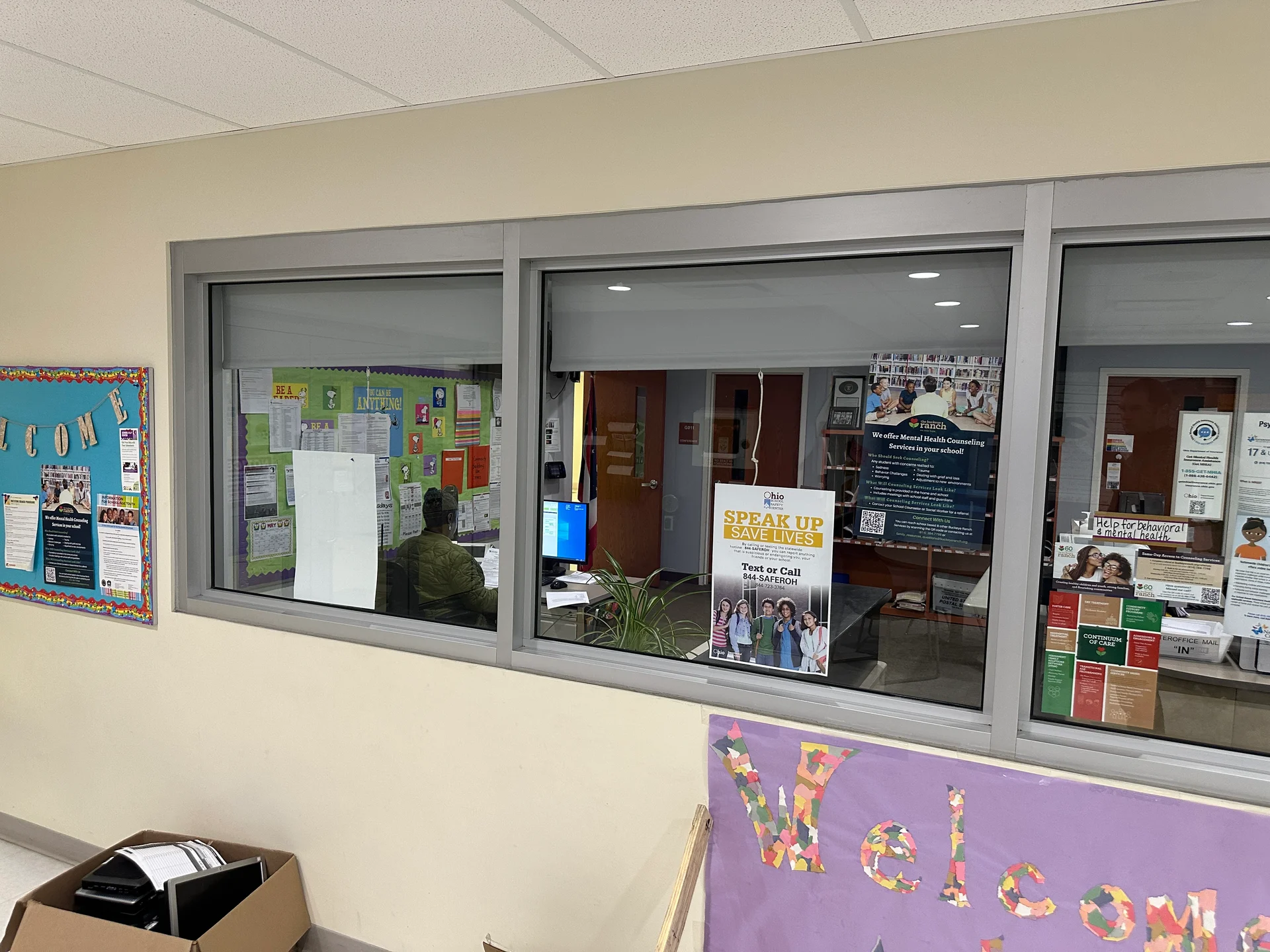
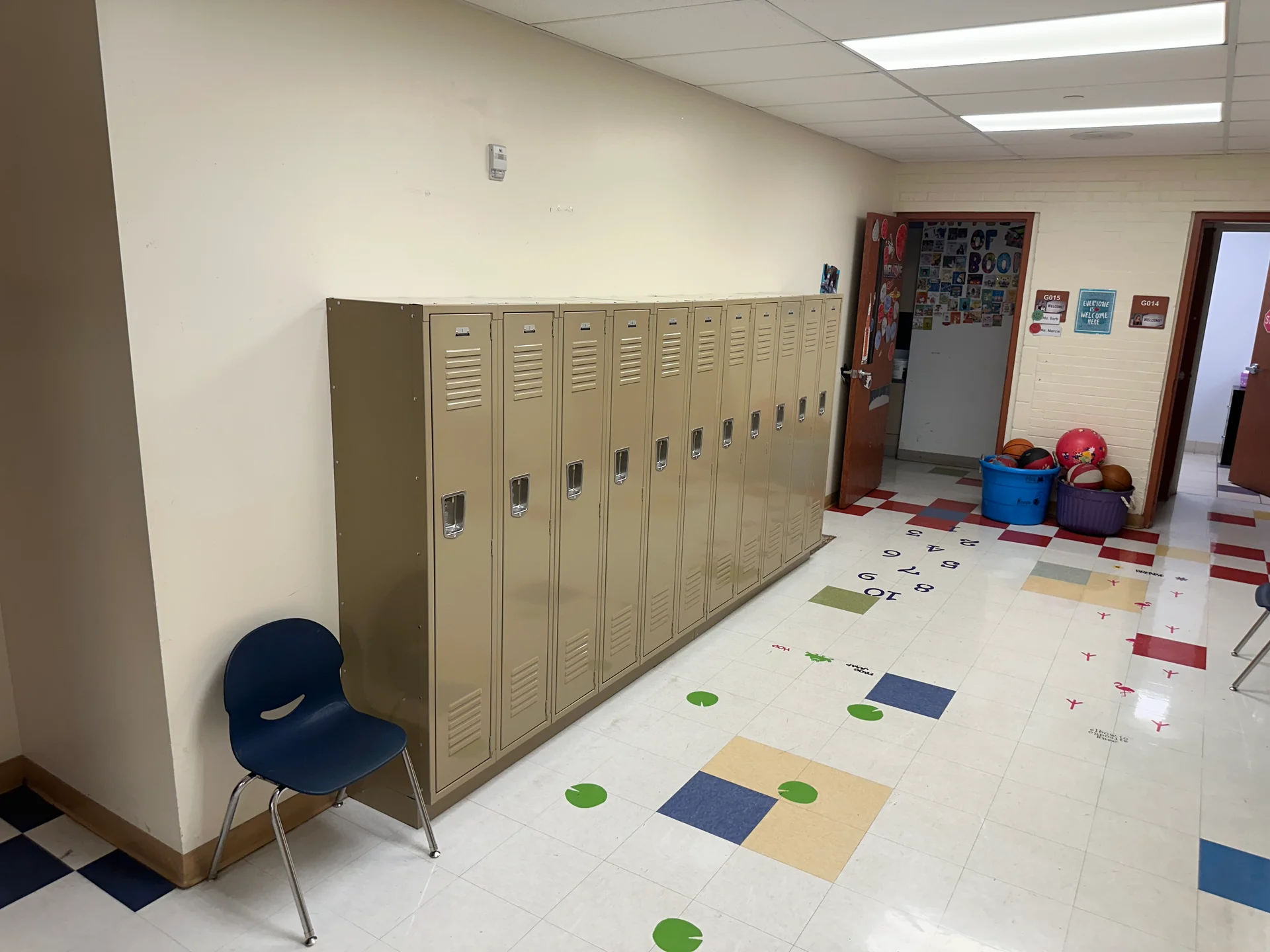
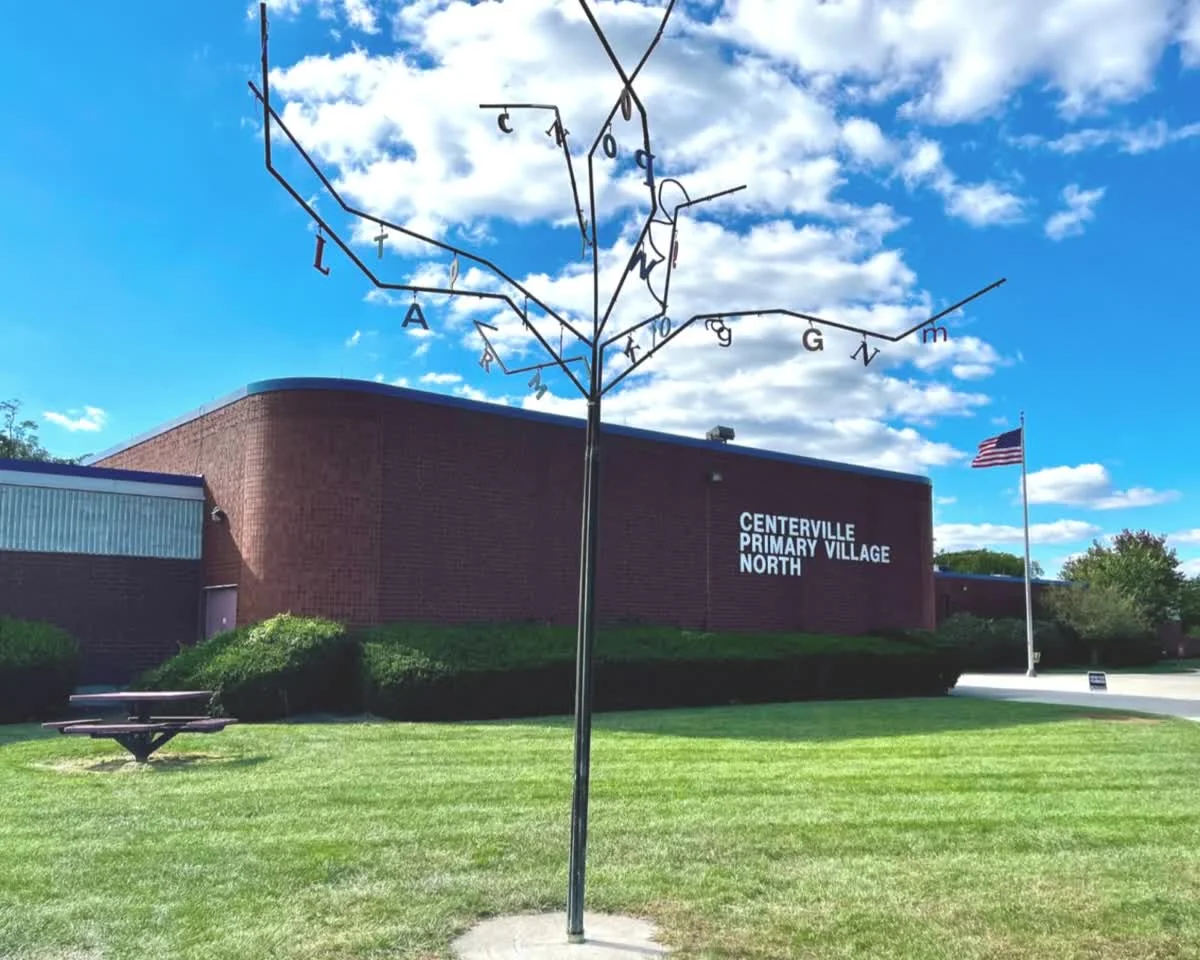
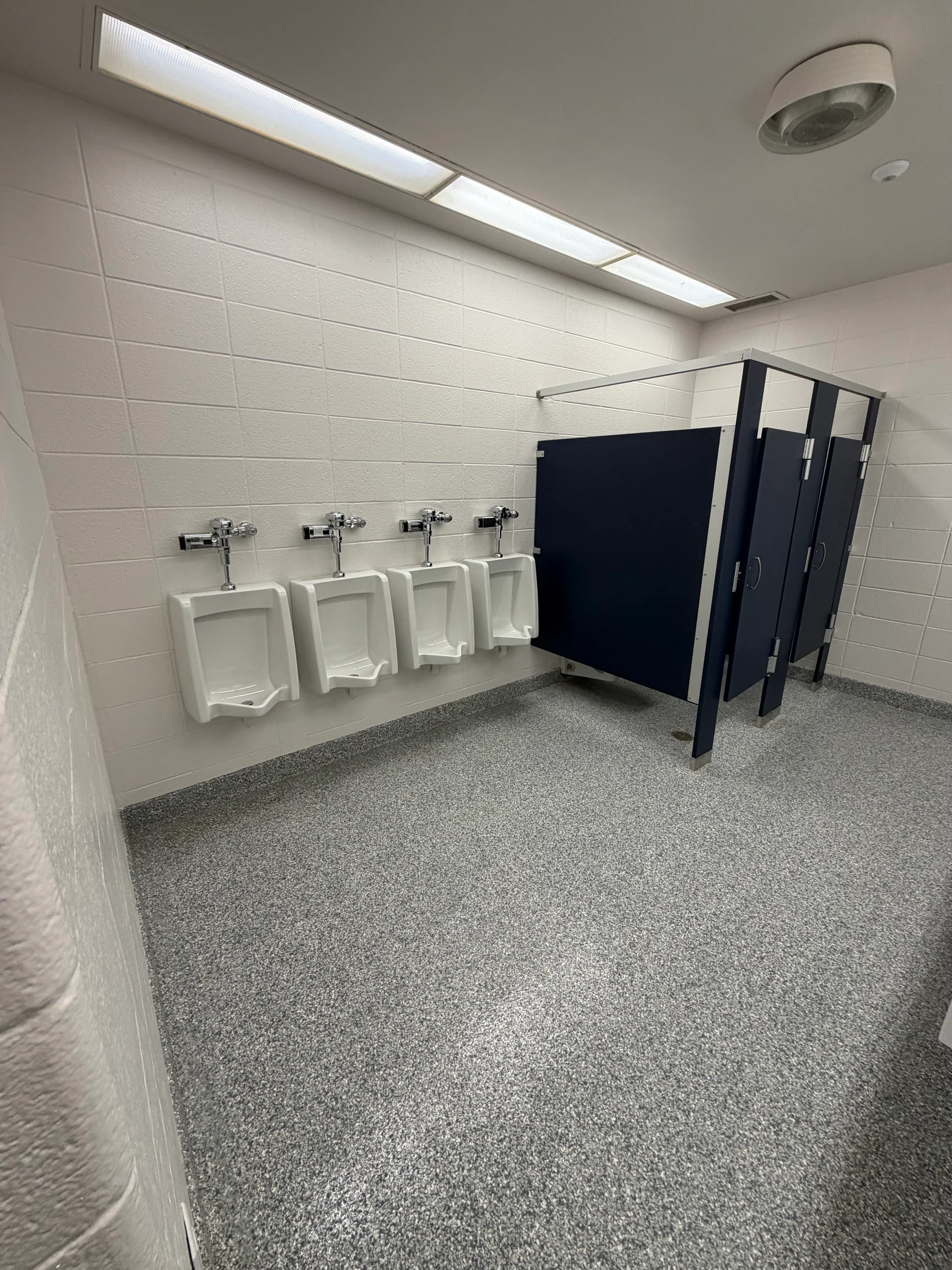
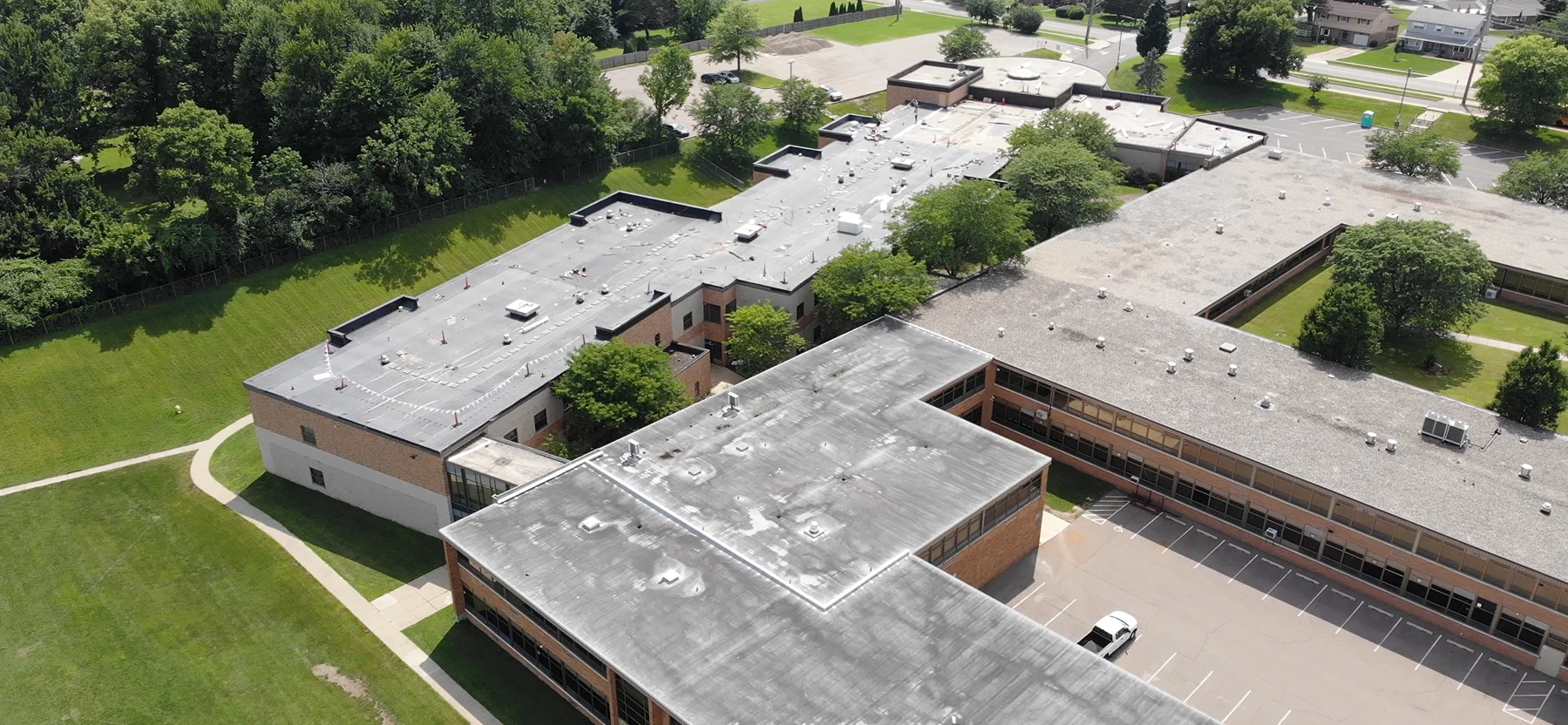
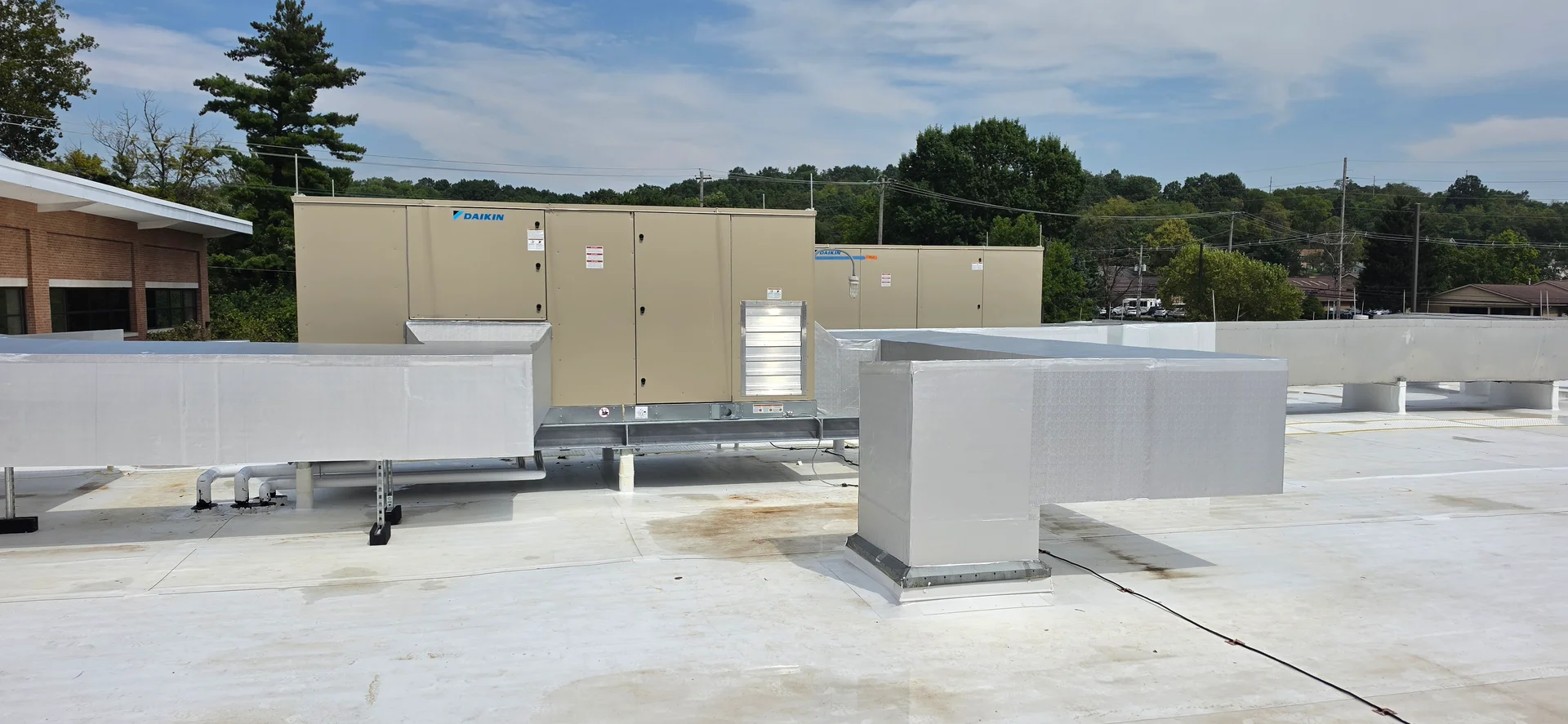
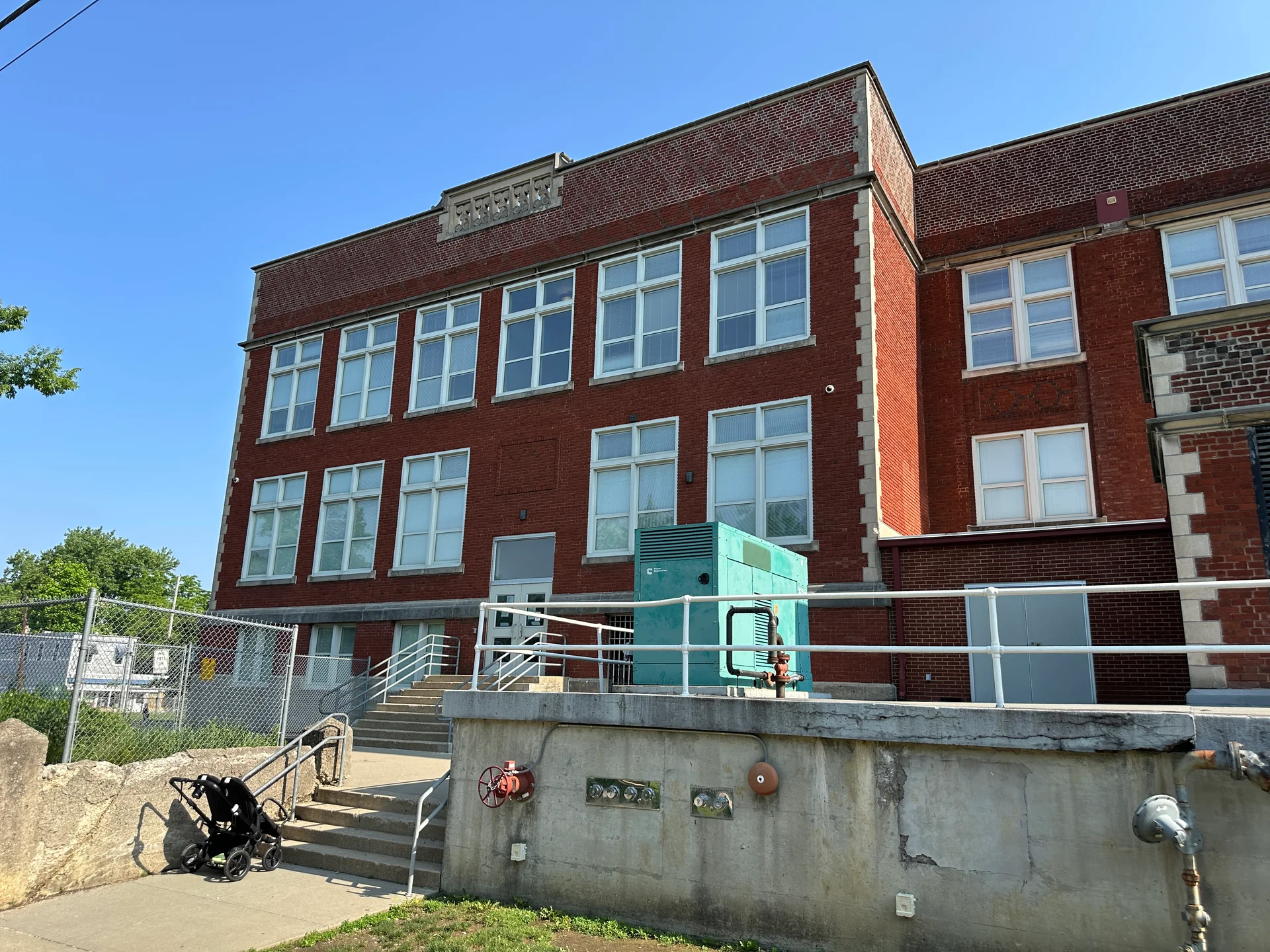
Indianola Informal K-8 in Columbus has its brick and stone back in shape. Prodigy cleaned the entire exterior, cut out and tuckpointed every joint in the worn band at the top of the building, repointed failed joints on every elevation, rebuilt and recaulked the stone, repaired spalled concrete, recoated the entry landings, and sealed the whole building with a silane water repellent. The same project added 25 accessible lockers, new doors and storefront, a pass-through window at the main entry and a new storage shed. It was delivered for Columbus City Schools in 2025 as a Gordian job order through the Equalis Group cooperative contract, which is pre-bid.

Masonry fails slowly and then all at once. Mortar erodes, cracks open, water gets behind the face of the brick and freezes, and the damage moves from cosmetic to structural. Indianola's walls showed all of it: eroded and hollow joints, cracked stone, loose brackets and abandoned fixtures, old caulk at the stone belts and sills, and concrete walls spalling at the edges. A previous repair had tuckpointed a band around the top of the building, and that band had worn out again.

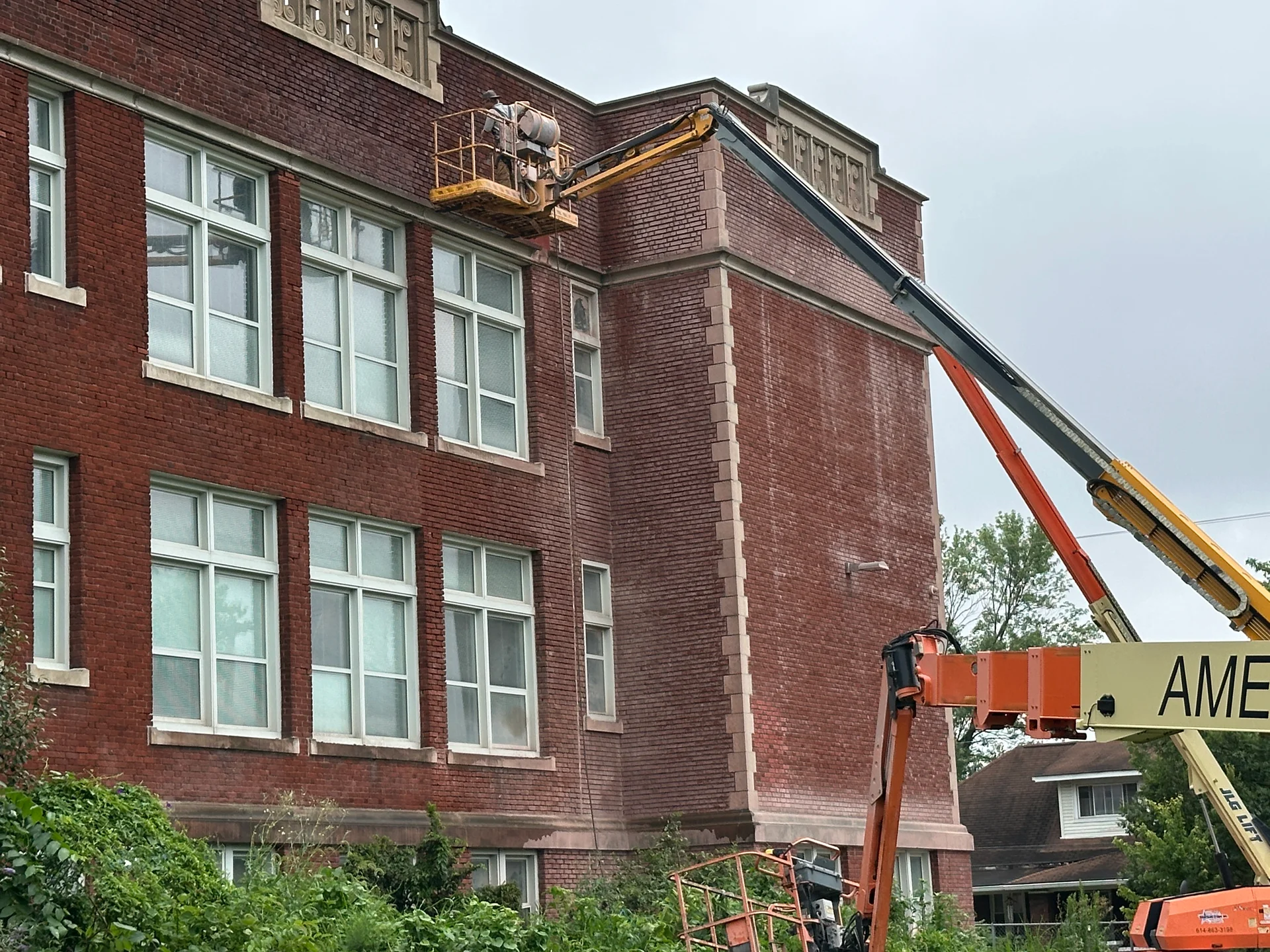
The work started with a five-foot-square mock-up of the cleaning, joint removal and new mortar, approved by the district before anything else was touched. Then the whole exterior was washed with controlled-pressure water and masonry cleaners, and crews working from 80-foot boom lifts and roof-hung swing stages in the courtyards went joint by joint. The top band was repointed completely. Everywhere else, only the joints that failed a defined set of tests were cut out, so the district paid to fix damage and not to replace sound mortar.

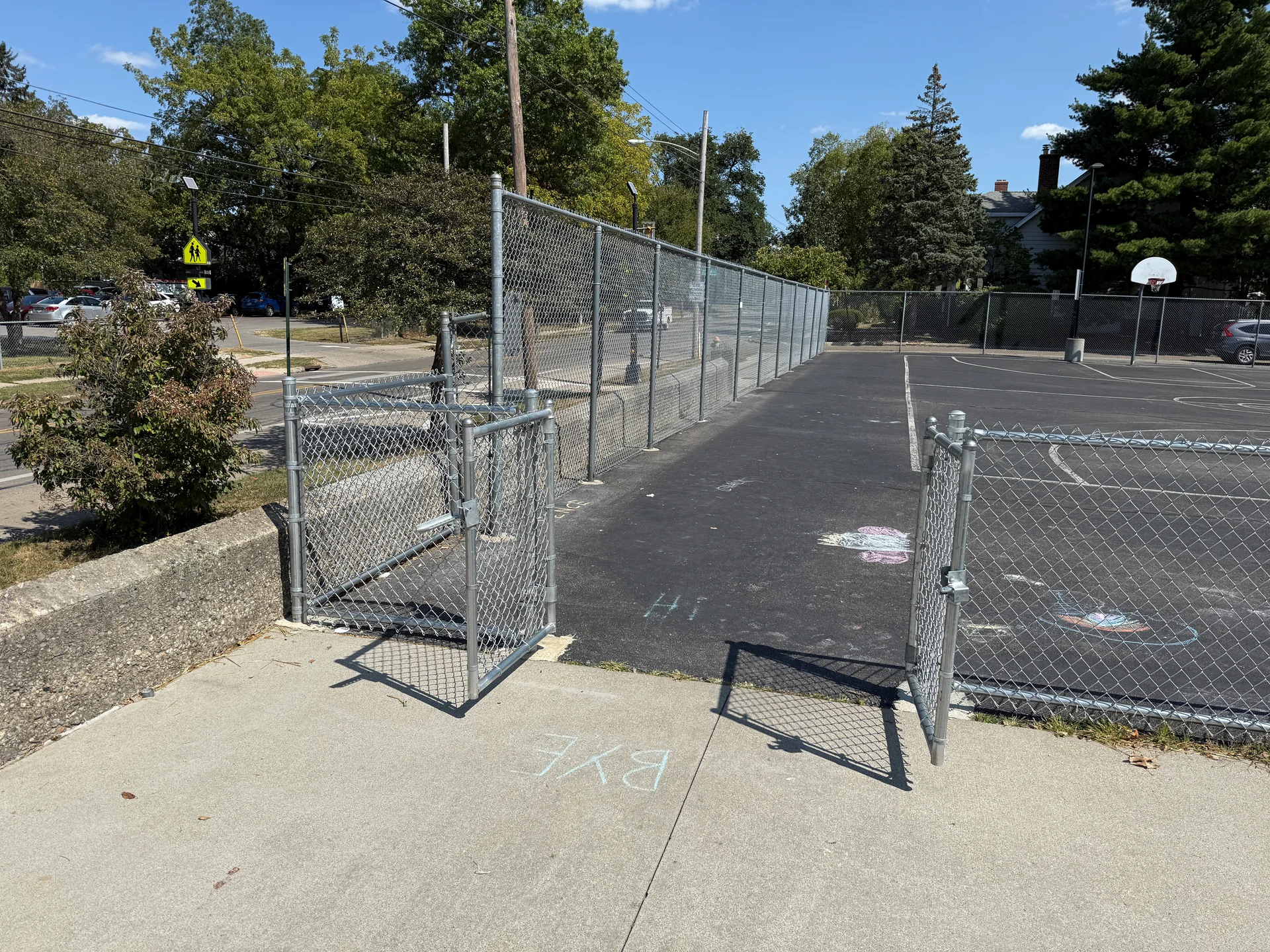
Stone was rebuilt with restoration mortar matched to its profile, cracks were routed and sealed with urethane, and every stone-to-stone joint in the belts, copings and sills was cut out and resealed. Steel lintels were inspected and recaulked. Concrete walls were patched and sealed, unused retaining walls were removed and the ground regraded and seeded, and a new chain-link fence went in along East Weber Road. When the work uncovered more failed joints and some bulging brick, the contract's contingency covered the added repointing and brick rebuilding without raising the contract sum.

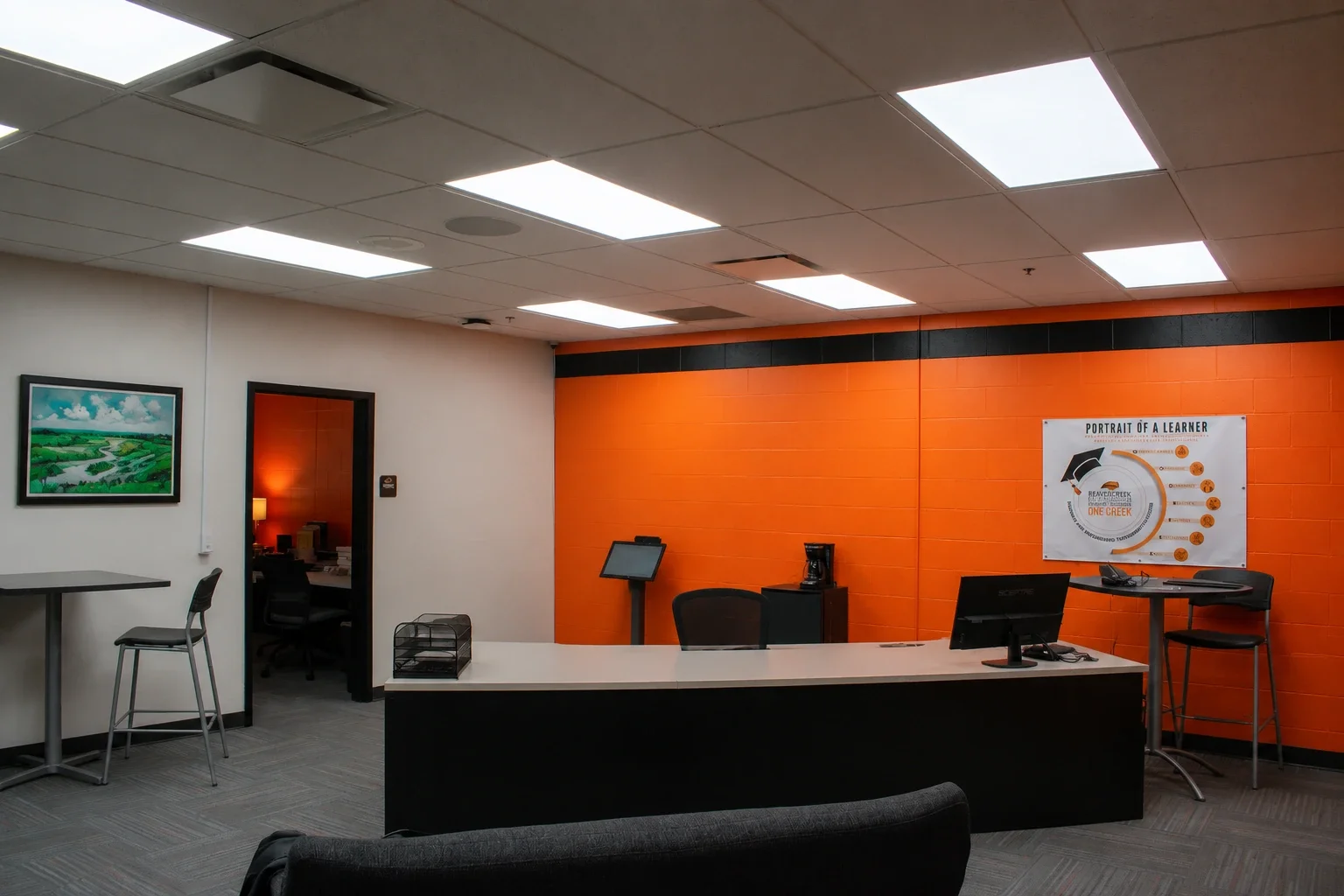
Inside, students with limited mobility have new Penco lockers sized for them, and the entry has a new pass-through window and new hollow metal doors and storefront, installed over the holiday break to stay out of the school day. For a district with an older brick school of its own, Indianola shows what a measured restoration can do: the building looks cared for again, and the walls are sealed against the water that was doing the damage.
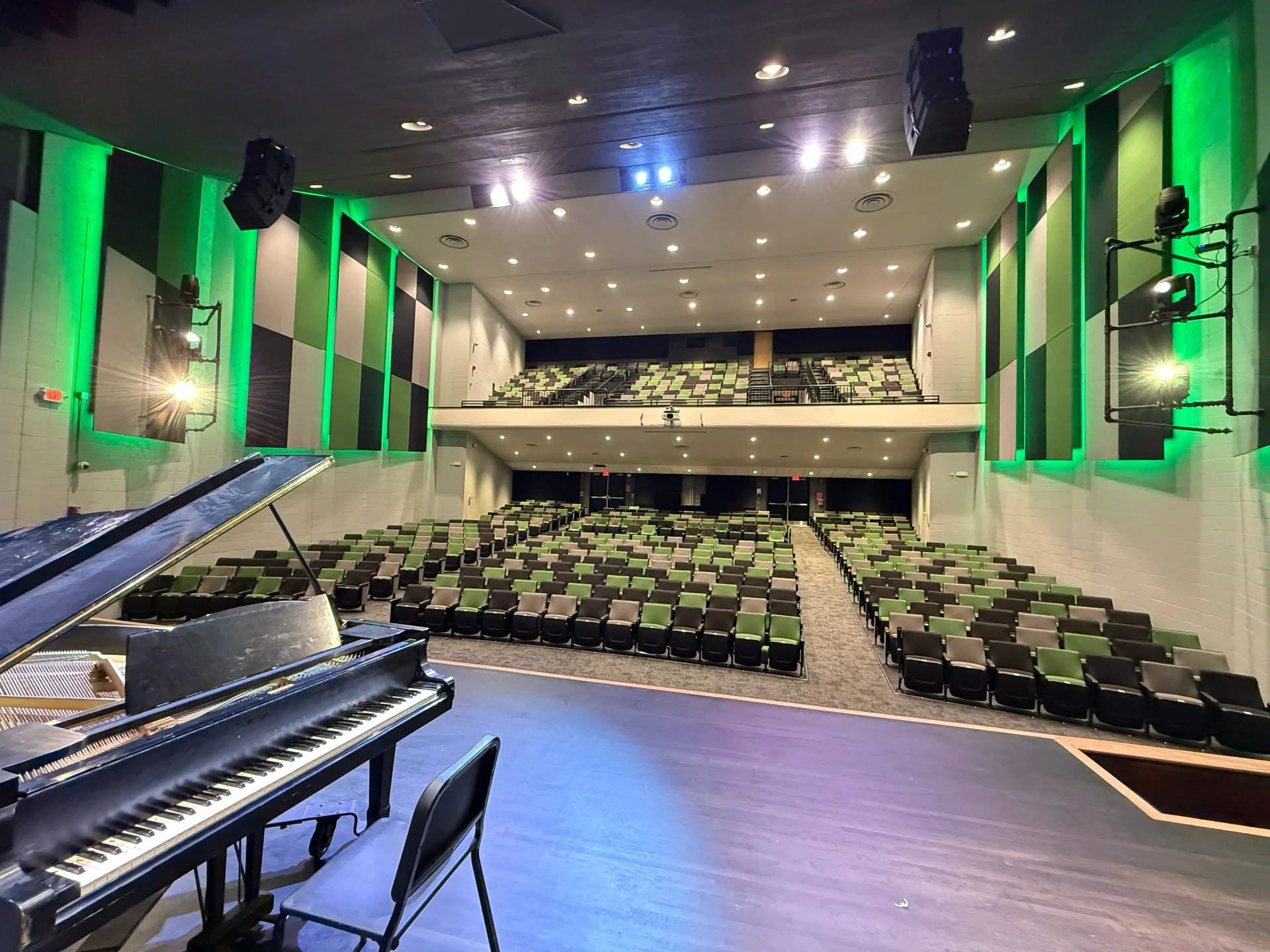
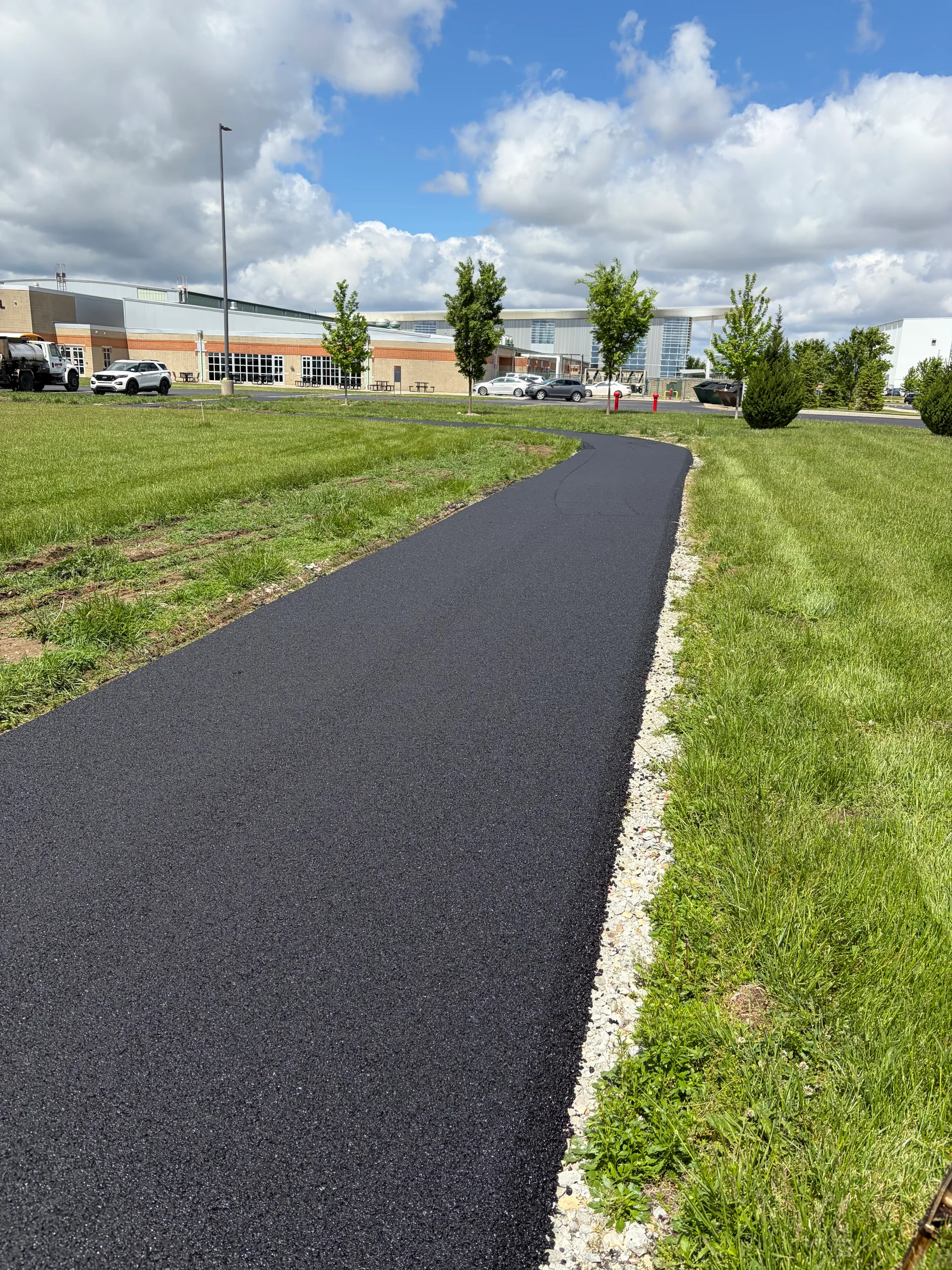
Indianola K-8 Exterior Masonry Restoration 2025 — photo 1
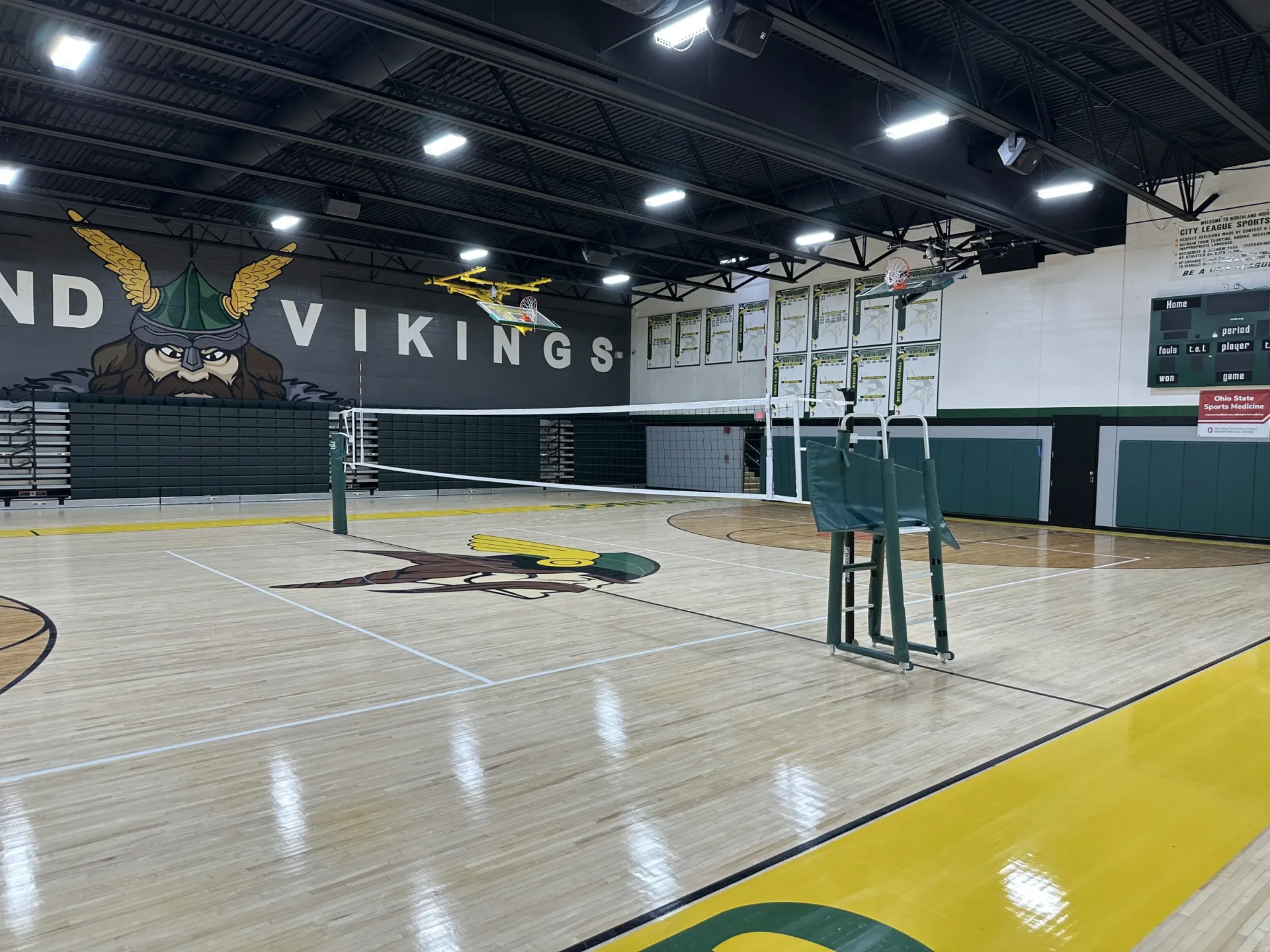
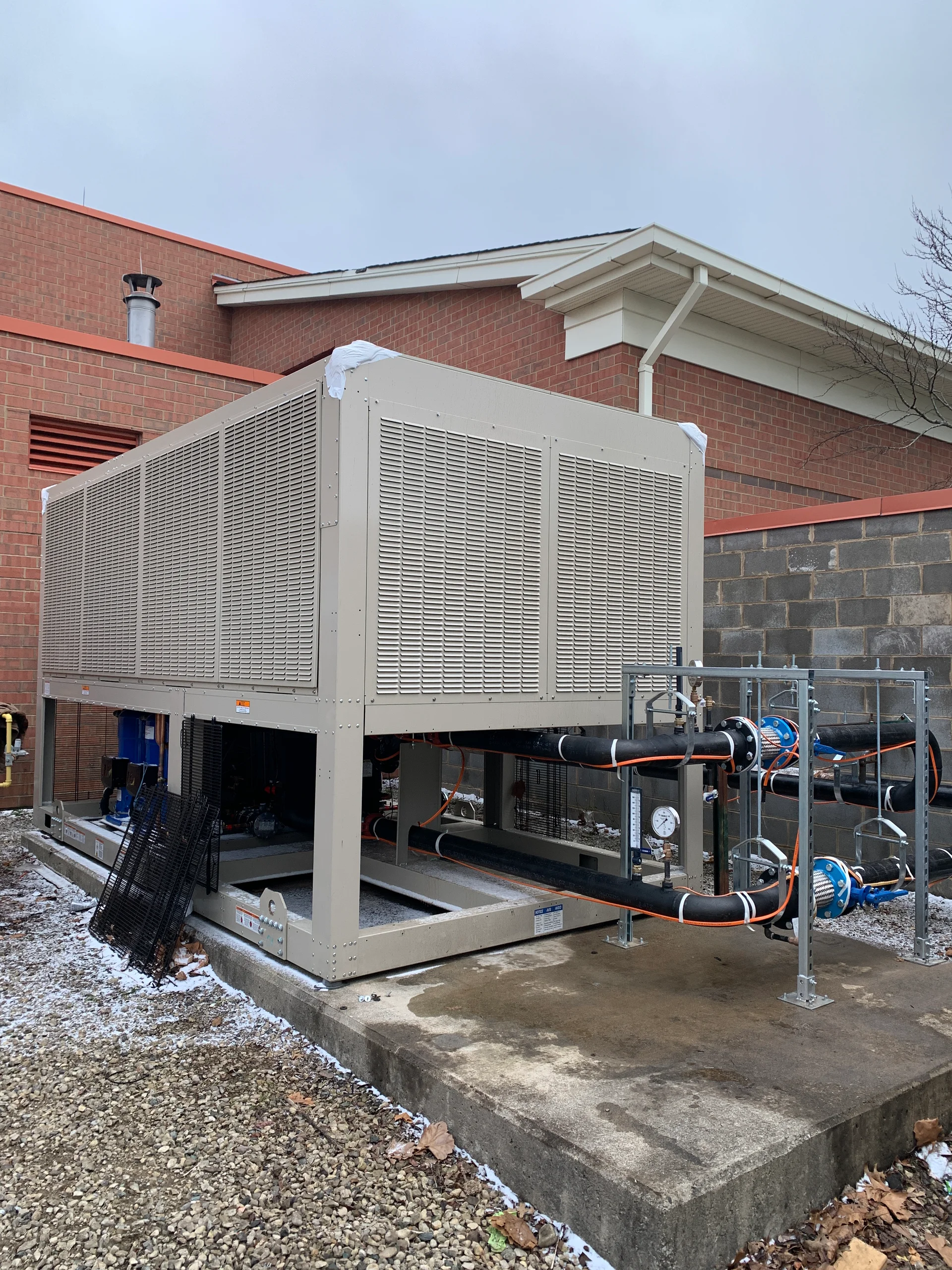
Indianola K-8 Exterior Masonry Restoration 2025 — photo 2
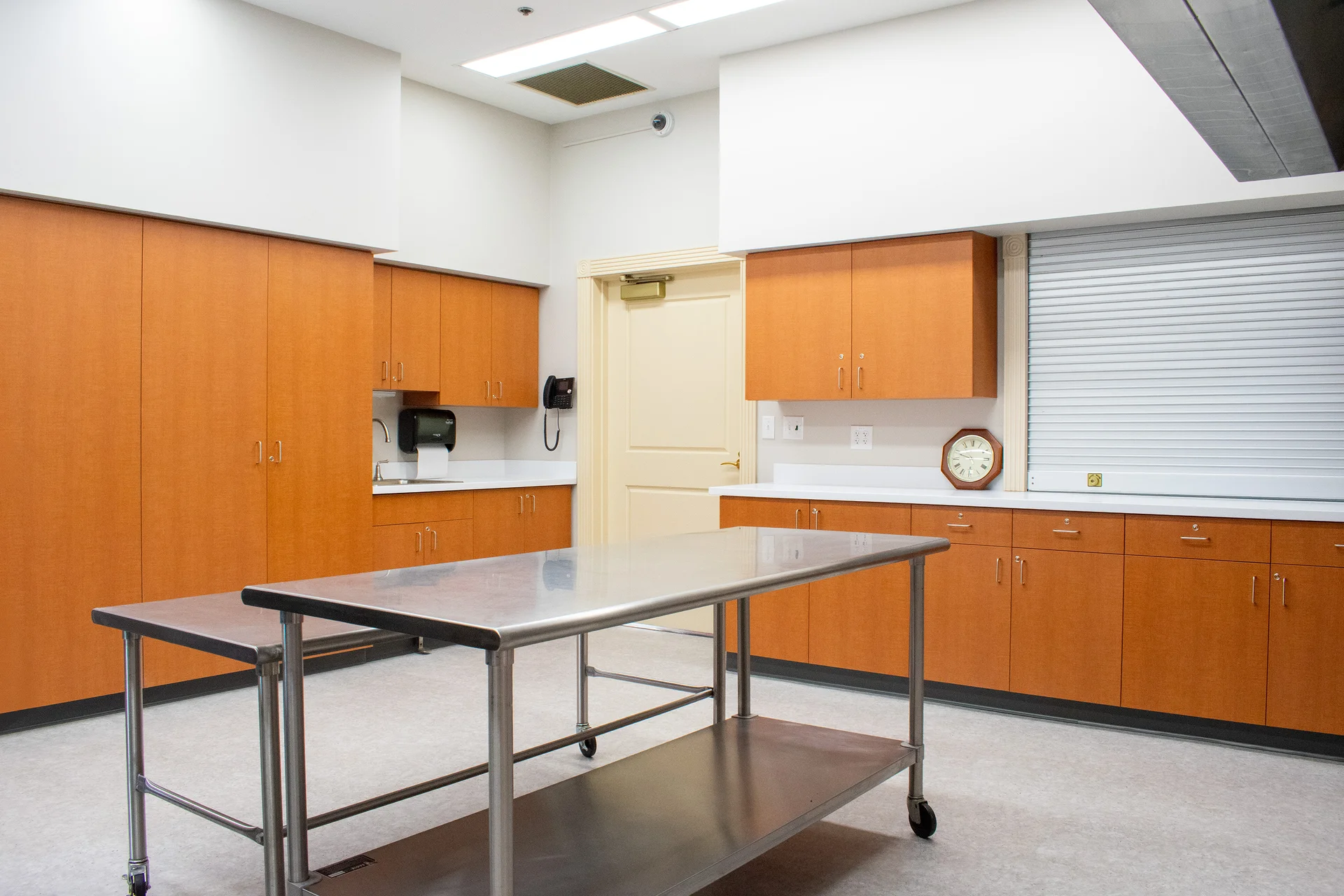
Indianola K-8 Exterior Masonry Restoration 2025 — photo 3
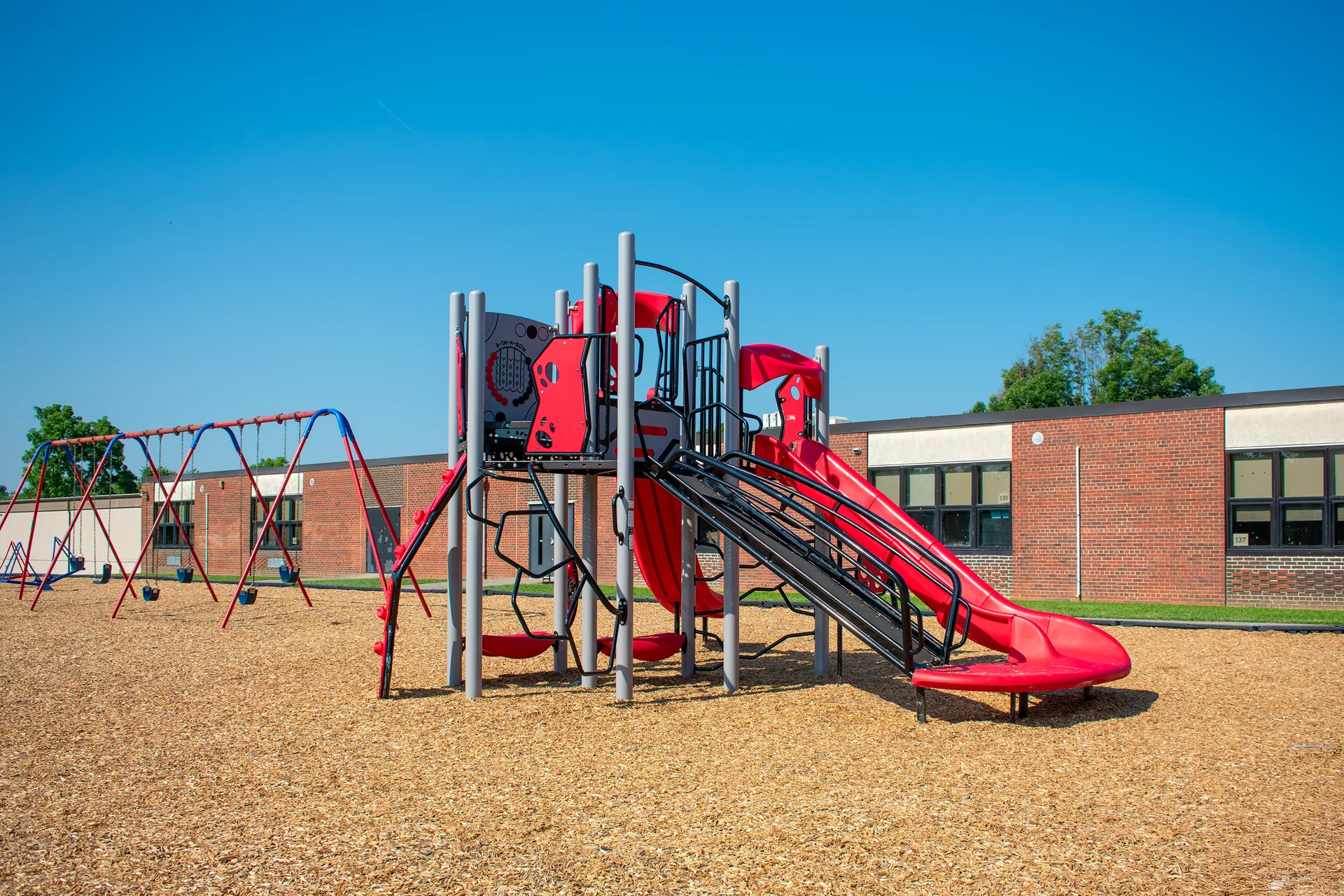
Indianola K-8 Exterior Masonry Restoration 2025 — photo 4

Technical Discussion

Deciding which mortar joints get cut out

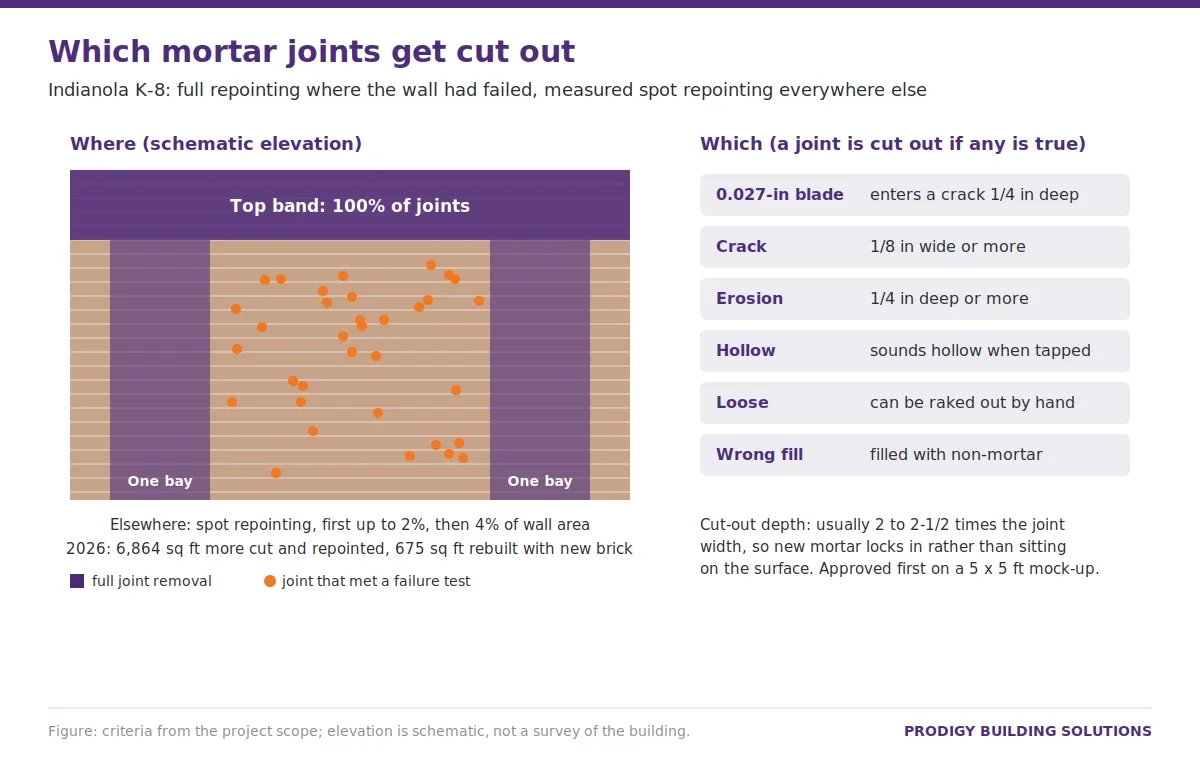
Every masonry restoration has to answer one question first: how much of the mortar comes out. Repointing every joint on a building is the simplest instruction to write and the most expensive to buy, and it removes good mortar along with bad. Repointing only what looks bad leaves the answer to whoever is on the scaffold that day. Indianola used neither. Full repointing went where the wall had clearly failed, and everywhere else a joint came out only if it failed a written test.

Where it was all of it

The band of brick around the top of the building had been tuckpointed before and had worn out again. That band, plus one bay each on the east and west elevations, got 100 percent joint removal and new mortar. Those were the areas where testing joint by joint would only have confirmed what was visible from the ground.

Where it was measured

On the rest of the building a joint was cut out if any one of six conditions was true: a 0.027-inch blade could be pushed a quarter inch into a crack; a crack was an eighth of an inch wide or more; the mortar had eroded a quarter inch or deeper; the joint sounded hollow when tapped; the mortar could be raked out by hand; or the joint had been filled with something that was not mortar at all. The contract started with spot repointing on up to 2 percent of the wall area, and it was raised to 4 percent in June 2025 as the work progressed.

Two-part diagram: a schematic brick elevation with the top band and two bays shaded for full repointing and scattered orange dots for joints that failed a test elsewhere, beside a list of six failure tests including a 0.027-inch blade entering a crack a quarter inch, cracks an eighth inch wide and erosion a quarter inch deep
Figure 1 — Full repointing where the wall had failed; spot repointing elsewhere, decided by six written tests.

What the test made possible

A written test turns a judgment into a quantity. When the work exposed more failed joints in the running-bond brick and some bulging courses, the added work could be measured: 6,864 square feet of further cut-and-repoint and 675 square feet of brick rebuilt with new anchors. That was covered from the contract's contingency in early 2026 without changing the contract sum. Joints were raked deep enough that the new mortar locks into the wall, preservation guidance generally calls for two to two and a half times the joint width, and the mix was matched in color and texture and approved on the mock-up first.

The point of the tests is that the district paid to replace the mortar that was failing and kept the mortar that was not.

Our Work
Similar Projects